Category and context: this is a Destination decision guide for your money, not a legal summary
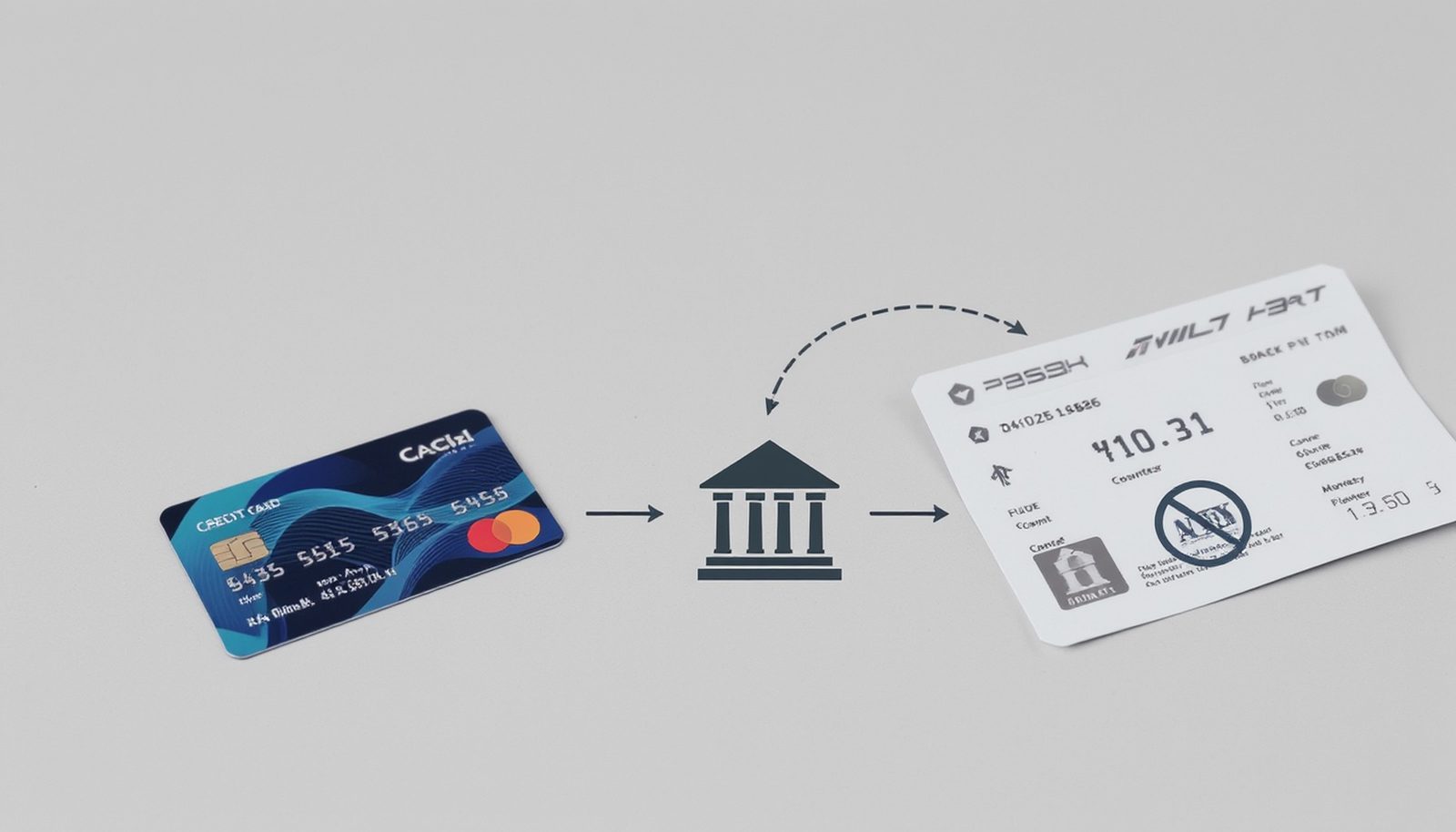
This article is a Destination guide for your money. I will walk you through how to get it back, where it gets stuck, and which path is most likely to work after the U.S. Department of Transportation (DOT) 2024 refund rules for air travel. This is not a legal summary. Instead, it explains how airlines and card networks actually move your money when a flight is canceled, significantly changed, or disrupted.
The DOT rules expand when you are entitled to a refund. They do not control how that refund moves through the card system. That flow is where bottlenecks, delays, and denials show up. Understanding the trade-offs between chargebacks, refunds, and reversals is now critical when your trip goes sideways.
Each section below is a decision or trade-off you may face as a traveler, with clear constraints, risks, and edge cases.
Decision 1: Push the airline for a refund, or go straight to a chargeback?
After a qualifying disruption under the 2024 DOT rules, you often face a fork in the road:
- Path A: Work with the airline (or online travel agency) to get a refund.
- Path B: Go to your bank and start a chargeback.
Both paths can return your money. But they sit in different parts of the card lifecycle and create very different costs and incentives for the airline. Those incentives shape how fast they move and how hard they fight you.
How the mechanisms differ in practice
| Mechanism | Who starts it? | When in the payment lifecycle? | Typical airline behavior | Traveler impact |
| Refund | Airline/OTA | After capture/settlement | Used when they accept liability or must comply with DOT rules | Money comes back as a credit; no dispute record on your card |
| Chargeback | Issuer/bank at your request | After settlement, as a formal dispute | Often resisted; triggers evidence gathering and fees | Can succeed, but may be slower and more contentious |
| Reversal (void) | Airline/OTA | Before capture/clearing | Used when they cancel before fully charging you | Hold drops; no posted charge to undo |
Why airlines prefer refunds over chargebacks
From the airline's perspective, a chargeback is a penalty event:
- They pay a fixed dispute fee per chargeback (often tens of dollars).
- Too many chargebacks can push them into card network monitoring programs, which raise processing costs and can even threaten their ability to accept cards.
- They must use staff and systems to gather evidence and respond within strict timelines.
A refund, in contrast, is a controlled loss:
- They lose the fare revenue and the processing fees they already paid.
- But they avoid dispute fees and keep their chargeback ratio lower.
- They can automate much of the process, especially for clear DOT-triggered cases.
This difference explains a common pattern after the 2024 rules. Airlines may still resist or slow-walk refunds in gray areas. But once a case clearly falls under DOT criteria, they have strong internal reasons to issue a refund rather than risk a chargeback.
Traveler decision: when to escalate to a chargeback
Because chargebacks are costly for airlines, they are a strong escalation tool. They are not always the best first move. Think about this trade-off:
- Start with the airline if your case clearly matches DOT refund triggers (cancellation, significant schedule change, major downgrade of service) and you can document it. Airlines are motivated to resolve these with refunds.
- Escalate to a chargeback if the airline refuses a refund that appears required under DOT rules, or if they promise a refund but do not process it within a reasonable time and your bank's dispute window is closing.
If you go straight to a chargeback, the airline may respond aggressively. They may argue that you accepted a voucher or that the change was allowed under their contract of carriage. You may still win, but the process can be slower and less predictable than a clean refund.
Decision 2: Accept a voucher or credit, or insist on a cash refund?
The 2024 DOT rules expand when airlines must offer cash refunds. Airlines still push vouchers and credits hard. This is not only about keeping your business. It is also about how the payment mechanisms behave.
Why airlines push vouchers even when refunds are required
Issuing a voucher or credit often lets the airline:
- Avoid sending money back through the card network right away.
- Reduce the risk of a chargeback, because there is no refund transaction to dispute.
- Keep the revenue on their books and manage cash flow more flexibly.
From your side, a voucher is not a refund. It is a promise of future service. If the airline later fails, cuts routes, or tightens fare rules, your options shrink.
Trade-offs: voucher vs refund under the new rules
- Voucher/credit
- Pros: Sometimes higher face value than the original ticket; may be issued faster; useful if you are sure you will fly the same airline soon.
- Cons: Ties you to one airline; may have blackout dates or restrictions; no cash back if you cannot use it; does not reverse the original card transaction.
- Cash refund
- Pros: Restores your cash; closes the original transaction; lets you rebook with any carrier or not travel at all.
- Cons: May take longer to process; airlines may resist or ask for more documentation; you may need to push through several support channels.
Because the DOT rules focus on refunds, not vouchers, accepting a voucher can weaken your position if you later dispute the charge. Banks may see the voucher as proof that the airline offered an alternative you accepted.
Practical decision rule
After a disruption that appears to qualify under DOT 2024 rules:
- Default to insisting on a cash refund, especially for expensive or rare trips.
- Consider a voucher only if the airline offers a clearly better value and you are confident you will use it within the validity period.
- If you accept a voucher, save the terms and take screenshots. This can matter if the airline later changes the rules and you need to argue misrepresentation.
Decision 3: Timing your actions'reversal, refund, or chargeback based on where the payment is in the lifecycle
Many bottlenecks appear because travelers act without knowing where their payment sits in the card lifecycle. The same disruption can lead to a reversal, a refund, or a chargeback depending on timing.
Three stages that matter
- Authorization (hold, not yet captured)
- The airline has placed a hold on your card, but the transaction has not fully posted.
- If the airline cancels or you cancel within a very short window, they can often perform a reversal (void).
- This is the cleanest outcome: the hold drops, and no refund is needed.
- Captured and settled
- The charge has posted to your account.
- The airline must issue a refund to return your money.
- Reversals are no longer possible; the system needs a separate credit transaction.
- Post-settlement dispute window
- The charge is settled, and you are within your bank's timeframe to dispute.
- If the airline refuses a refund, you can request a chargeback from your bank.
Why reversals are rare but powerful in air travel
Reversals (voids) are common in retail but less visible in air travel because tickets are often charged right away. Still, they appear in some edge cases:
- Failed bookings where the airline never issues a ticket but a hold appears on your card.
- Duplicate authorizations when a website glitches.
- Very short-term holds during fare re-pricing.
In these cases, pushing for a reversal instead of a refund can save you days of waiting for a credit to post. The airline's risk and cost are low because the funds never fully move.
Traveler decision: how to adapt your strategy to timing
- If you see only a pending hold and no ticket was issued:
- Ask the airline or OTA directly if they can void the authorization instead of processing a refund.
- Watch your card; if the hold does not drop within the expected time, contact your bank to confirm their policy on authorization holds.
- If the charge has posted and the flight is canceled or significantly changed:
- Request a refund under the DOT rules and refer to the specific disruption.
- Keep all written confirmations and timelines. These become evidence if you later need a chargeback.
- If the airline delays or denies a refund and your dispute window is closing:
- Escalate to a chargeback with your bank and provide documentation of the disruption and the airline's responses.
- Expect that the airline may contest the chargeback; the quality of your evidence matters.
Decision 4: Choose payment method strategically to reduce bottlenecks and risk
The decision logic behind chargebacks, refunds, and reversals is written for merchants. It has a direct impact on you as a traveler. Not all payment methods give you the same leverage when things go wrong.
Credit card vs debit card
Rules vary by issuer and country, but some patterns affect your choices:
- Credit cards
- Often provide stronger dispute rights and clearer chargeback processes.
- Disputes affect your credit line, not your bank balance, while they are pending.
- Airlines are very sensitive to chargebacks on credit cards because these feed into network monitoring metrics.
- Debit cards
- Disputes may exist but can be slower and less predictable.
- Money leaves your bank account immediately; delays in refunds or chargebacks hit your cash flow directly.
- Some banks are more cautious with debit card chargebacks, especially for complex travel disputes.
Wallets and intermediaries (e.g., major digital wallets, OTAs)
When you pay through a wallet or an online travel agency (OTA), you add another layer between you and the airline. This can help or hurt you:
- Pros:
- Some wallets offer their own buyer protection, which can be faster than dealing with an airline.
- OTAs may have more standard refund workflows across many airlines.
- Cons:
- Responsibility can be unclear: the airline may send you to the OTA, and the OTA may send you back to the airline.
- Chargebacks may target the OTA instead of the airline, which can change how the dispute is judged.
Practical payment method strategy
- For complex or expensive trips, prefer a major credit card with a strong dispute track record over debit.
- If you use an OTA, check who is the merchant of record on your statement. This is who you will dispute against if you need a chargeback.
- When using wallets, check whether their buyer protection policies match or narrow your DOT refund rights. Do not assume they are the same.
Decision 5: When to accept delays and when to treat them as bottlenecks to push against
Even when an airline agrees to a refund, the path through the card system can be slow. Some delays are built into the system. Others are avoidable bottlenecks that airlines use to manage cash flow or reduce refund volume.
Structural delays you cannot fully avoid
- Interchange and settlement cycles: Once a refund is started, it still has to move through the card network and your bank's posting system. This can take several business days.
- Geography-specific timelines: Banks in different regions may post at different speeds and have different hold policies, especially for cross-border transactions.
- Batch processing by airlines: Some airlines process refunds in batches, not in real time, especially during large disruption events.
Bottlenecks that are partly policy choices
- Manual review queues: Airlines may send some refund requests to manual review, slowing them down even when the DOT rules are clear.
- Documentation demands: Asking for extra proof (screenshots, correspondence) can discourage some travelers from pursuing refunds.
- Communication gaps: Vague timelines like up to 8 weeks can cause travelers to wait too long and miss their bank's dispute window.
Traveler decision: when to wait vs when to escalate
- Accept some delay if:
- The airline has formally confirmed a refund in writing.
- You are still well within your bank's dispute window.
- The delay matches typical card processing times in your region.
- Treat delay as a bottleneck and escalate if:
- The airline keeps promising a refund but does not give a transaction reference or clear timeline.
- You are getting close to the end of your bank's chargeback window.
- The airline's messages are inconsistent or contradict each other.
When you escalate, your options are:
- Escalate within the airline (supervisors, written complaints, DOT complaint channels).
- Start a chargeback with your bank and use the airline's written promises as evidence that a refund was due but not delivered.
Risks, uncertainties, and edge cases under the 2024 DOT rules
Even with clearer refund rights, several uncertainties remain. The mechanics of chargebacks, refunds, and reversals are not fully standardized across banks, countries, and payment methods.
Key risks for travelers
- Bank-by-bank variation: Issuers differ in how strongly they support travel-related chargebacks. Two travelers with the same facts can see different outcomes depending on their bank.
- Geographic differences: EU vs US vs other regions may have different timelines for holds dropping, refunds posting, and dispute windows. This changes your real options.
- Partial and split payments: If you paid with multiple cards, points plus cash, or split tickets across PNRs, the path to a clean refund is more complex. Some parts may be refundable while others are not.
- Intermediaries: When an OTA or consolidator is involved, the DOT rules may apply differently, and the merchant you dispute against may not be the airline you flew.
- Nonrefundable fares and voluntary changes: The DOT rules focus on disruptions caused by the airline. If you change plans by choice, your leverage is much weaker, and airlines may lean on their nonrefundable fare rules.
Uncertainties in how airlines adapt to the rules
Airlines are still adjusting their internal policies and systems to the 2024 DOT rules. Likely trends include:
- More automated refund flows for clear cancellations and major schedule changes, to avoid chargeback risk.
- Tighter documentation requirements for borderline cases, to discourage disputes and keep chargeback ratios manageable.
- Refined voucher offers that look more attractive than before, to steer travelers away from cash refunds without breaking DOT requirements.
Because these changes are ongoing, treat any airline policy as subject to change. Rely on written confirmations and screenshots, not verbal promises.
Putting it all together: a practical framework for post-2024 airline refund decisions
To handle airline refund bottlenecks after the 2024 DOT rules, you can use a simple framework based on how chargebacks, refunds, and reversals actually work.
Step 1: Identify the disruption type
- Was the flight canceled or significantly changed by the airline?
- Was there a major downgrade of service or a failure to deliver what was sold?
- Or did you change plans voluntarily?
Your leverage is highest when the disruption is clearly caused by the airline and matches DOT criteria.
Step 2: Check where your payment sits in the lifecycle
- Pending hold only and no ticket issued ' push for a reversal (void) if possible.
- Posted charge and airline-caused disruption ' request a refund under DOT rules.
- Posted charge, airline resisting, and dispute window closing ' consider a chargeback.
Step 3: Choose your escalation path based on incentives
- Remember that airlines want to avoid chargebacks because of fees and monitoring programs.
- Use this to your advantage. Calmly signal that you prefer a refund but are prepared to involve your bank if needed.
- Document everything. Evidence is the currency of both refunds and chargebacks.
Step 4: Align your payment method with your risk tolerance
- For high-value trips, use a credit card with strong dispute support.
- Be careful with debit cards and complex bookings through intermediaries where responsibility is split.
- Do not assume wallets or OTAs automatically match DOT protections; read their policies.
Step 5: Treat time as a resource, not an afterthought
- Track both the airline's promised refund timeline and your bank's dispute window.
- If the airline's timeline would push you past the dispute window, escalate earlier rather than later.
- Use written confirmations to turn vague promises into concrete evidence.
By understanding how chargebacks, refunds, and reversals interact with the 2024 DOT rules, you can make more deliberate choices about when to wait, when to push, and when to escalate. The rules expand your rights, but the path your money takes still depends on the mechanisms behind the scenes'and on how you navigate them.