I love the idea of pay once, relax forever.
But every time I dig into an all-inclusive
deal, the same thing happens: the marketing is simple, the money is not.
This guide walks through a practical way to compare the true cost of all-inclusive vacations—whether you’re looking at resorts, cruises, or bundled packages. The goal: see the real numbers before you swipe your card, and avoid those all-inclusive hidden fees that show up later.
Think of this as a reusable vacation package cost framework, not just a one-time price check.
1. Start With the Only Question That Matters: “What Problem Is This Trip Solving?”
Before you compare any all-inclusive cost comparison, you need to know what you’re actually buying. Not the room. Not the ship. The problem you want this trip to solve.
- Do you want to stop thinking about money on vacation? Then you care how much is truly prepaid vs. pay-as-you-go. This is where all inclusive budget planning really starts.
- Do you want maximum activities for kids or a partner who gets bored easily? Then you care what’s included on-site vs. what requires pricey excursions.
- Do you want to explore local culture and food? Then you care how much the package
traps
you on property or on the ship.
Once you’re clear on that, you can stop asking Is this a good deal?
and start asking, Is this a good deal for how I travel?
Here’s the mental shift that makes resort vs cruise vacation cost comparisons much easier:
- Resorts are best when you want a
campus
of food, drinks, and activities in one place. - Cruises are best when you want
floating transportation
plus entertainment, and you’re okay paying extra in ports. - All-inclusive packages (flight + hotel + transfers) are best when you want to lock in a total price and avoid logistics.
Keep that in mind as you build your cost framework and compare all-inclusive packages side by side.
2. Build a Simple Cost Skeleton: The 8-Line Comparison Grid
Every all-inclusive
offer—resort, cruise, or package—can be broken into the same eight lines. I literally put these into a spreadsheet when I compare trips.

- Base price (per person, not per room)
- Transport to destination (flights, train, gas, parking)
- Airport/port transfers
- Food (what’s included vs. what you’ll realistically pay extra for)
- Drinks (standard vs. premium alcohol, specialty coffees, bottled water)
- Activities & entertainment (included vs. paid)
- Service charges, tips, and taxes
- Off-site spending (excursions, local meals, shopping)
Here’s the catch: each brand defines “all-inclusive” differently. That’s where most all inclusive fine print traps live.
- Resorts in the Caribbean and Mexico usually include room, most meals, house-brand drinks, non-motorized water sports, and entertainment, but often exclude premium alcohol, spa, golf, motorized water sports, and many excursions (source).
- Many packages and resorts say
all dining
but still add surcharges for specialty or celebrity-chef restaurants, which can add $1,000–$2,000+ for a family if you’re not careful (source). - Cruises often include basic meals and some drinks, but charge extra for specialty restaurants, many beverages, and most shore excursions.
Your job is to fill in those eight lines for each option you’re considering. The gaps are where the surprises hide—and where the real all inclusive resort cost breakdown shows up.
3. Food & Drinks: The Illusion of “Unlimited”
Food and drinks are where all-inclusive
feels generous—but also where the fine print quietly drains your budget. This is the heart of all inclusive tipping and extras and the place where the true cost of all inclusive vacations starts to diverge from the brochure.
Resorts: What’s Usually Included
Across different guides and resort brands, there’s a clear baseline for most all-inclusive resorts:
- Included: buffet meals, several sit-down restaurants, snacks, house-brand alcoholic and non-alcoholic drinks, and often 24/7 casual options like pizza, burgers, and nachos.
- Sometimes included: room service and minibar restocking (more common at upscale or luxury properties).
- Not reliably included: premium/top-shelf liquor, imported wines, specialty coffee drinks, and
signature
or celebrity-chef restaurants.
One guide notes that families are often shocked by supplements
for specialty restaurants even when the resort advertises all dining included
. Those surcharges can quietly add four figures to a week-long stay for a family of four.
Cruises: The Asterisk Buffet
On cruises, the main dining room and buffet are usually included, but there are a lot of asterisks:
- Specialty restaurants (steakhouses, sushi, chef’s table) often carry per-person fees.
- Alcohol packages, specialty coffees, fresh juices, and bottled water are typically extra.
- Room service may have delivery fees or late-night surcharges.
So that all meals included
line in the brochure? It’s technically true, but it doesn’t mean all the meals you’ll want are included. When you compare all inclusive cruise pricing to a resort, this is where the numbers start to shift.
Packages (Flight + Hotel): The Hidden Meal Plan Trap
Many all-inclusive packages
are really just bundled pricing for flights plus a resort that might be:
- European Plan: room only, no meals.
- Half Board: breakfast and dinner only.
- Full Board: three meals, but usually no drinks or snacks.
These are not true all-inclusive deals, even if the package site makes them look that way. You need to check whether the hotel rate is actually labeled all-inclusive or just breakfast included
or full board
(source).
Cost framework move: For each option, estimate:
- How many meals you’ll eat on property vs. off.
- How often you’ll want premium drinks or specialty restaurants.
- What those extras cost per person, per day.
Add those numbers to your 8-line grid. Once you do, the unlimited
illusion disappears quickly, and your all inclusive cost comparison becomes much more honest.
4. Activities & Excursions: Where the Big Surprises Live
This is where most people get blindsided. The resort or cruise looks like a great deal—until you start booking things to actually do.
Resorts: Free Kayaks, Expensive Adrenaline
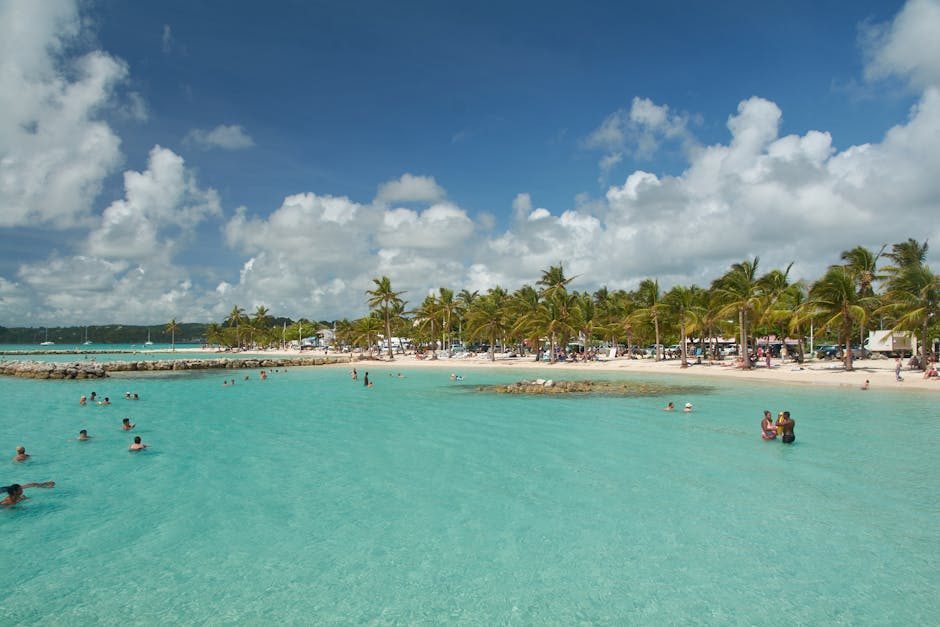
Most all-inclusive resorts include:
- Non-motorized water sports: kayaks, paddleboards, snorkeling gear.
- Land sports: tennis, volleyball, basketball, fitness center.
- Daily activities: yoga, dance classes, games.
- Nightly entertainment: shows, live music, themed parties.
But the moment you want something with an engine or a high price tag, the meter starts running:
- Jet skis, parasailing, water skiing.
- Scuba diving (unless you’re at a very dive-focused or luxury resort).
- ATVs, zip lines, fishing charters.
- Off-site excursions: ruins, cenotes, catamaran cruises, city tours.
One family-focused guide points out that these extras can easily add $1,000–$2,000+ per trip if you’re not planning for them.
Cruises: The Shore Excursion Machine
On cruises, the pattern is similar but more extreme:
- Onboard shows, pools, and basic activities are usually included.
- Many of the most interesting experiences—snorkeling trips, cultural tours, adventure activities—are paid shore excursions.
- Booking through the cruise line is convenient but often more expensive than local operators.
If you’re the type who hates staying on the ship in port, you need to budget for at least one paid excursion per port, per person. That adds up fast and can completely change your resort vs cruise vacation cost comparison.
Packages: Don’t Assume “All-Inclusive” Means Activities
With flight + hotel packages, the all-inclusive
label usually refers to the hotel’s meal and drink plan, not your activities. Unless you’re booking something like a theme-park or adventure-park bundle, assume excursions are extra.
Cost framework move: For each option, list the 3–5 activities you’re most likely to do and price them out in advance. Add that to your grid. If you can’t find prices easily, that’s a red flag.
5. Transfers, Tips, and Taxes: The Boring Line Items That Break Your Budget
These are the costs nobody wants to think about—and that’s exactly why they sneak up on you. They’re also a big part of those unexpected charges at all inclusive resorts and on cruises.

Airport & Port Transfers
Some resorts in the Caribbean and Mexico include airport transfers, especially if you book directly with them. Others don’t. Third-party booking sites often exclude transfers even when the resort itself includes them for direct bookings.
Typical ranges:
- $60–$120+ per family for round-trip shared transfers.
- More for private transfers or longer distances.
Cruises are similar: you’ll pay for transfers from the airport to the port unless you’re driving yourself and paying for parking instead.
Tipping & Service Charges
This is where the word included
gets slippery.
- Many all-inclusive resorts say tips are included, but on-the-ground culture may still expect small cash tips for bartenders, housekeepers, and servers.
- Some resorts truly discourage tipping and build it into the price.
- Cruises often add daily service charges or gratuities per person, per day, plus automatic tips on drinks.
Taxes can also be separate line items, especially in destinations with high tourism taxes or resort fees.
Cost framework move: For each option, find out:
- Are tips included in the rate, or are there daily service charges?
- Are there resort fees, port fees, or local taxes not shown in the headline price?
- What’s the realistic cash tipping culture on-site?
Then add a daily per-person estimate for tips and service charges to your grid. This is where all inclusive tipping and extras stop being a mystery and become a line item.
6. The Culture Trade-Off: How Much Are You Paying to Stay in the Bubble?
There’s a non-obvious cost to all-inclusive travel that doesn’t show up on your credit card: the cost of what you don’t do.
Several writers point out the same thing: when you’ve prepaid for food and drinks, it feels painful to pay again to eat off-property. So you stay in the resort or on the ship, even when the local food scene is incredible.
That’s not always bad. Sometimes you want the bubble. But it’s a trade-off you should make consciously.
- Resorts in the Caribbean and Mexico can be so self-contained that you never leave. Great for relaxation, not great for local culture.
- Cruises give you quick hits of multiple destinations, but often in a very curated, time-limited way.
- Packages with half-board or full-board can actually be better for explorers, because you’re not overpaying for meals you won’t eat on-site.
Cost framework move: Ask yourself:
- How many meals do I realistically want to eat off-property?
- How many days do I want to spend exploring vs. lounging?
If your answer is We want to explore a lot
, a strict all-inclusive might not be the best value. A well-located hotel with breakfast included and a realistic dining budget could beat it in an all inclusive vs DIY trip cost comparison.
7. Putting It All Together: A Real-World Comparison Example
Let’s run a simplified example for a 7-night warm-weather trip for two adults. Numbers are illustrative, not quotes—but they’re close enough to make the point.

Option A: All-Inclusive Resort in Mexico
- Base price: $2,800 (all-inclusive, per couple)
- Flights: $800
- Transfers: $100 (not included in package)
- Food & drinks extras: $250 (premium cocktails, one specialty restaurant with surcharge)
- Activities: $600 (two excursions + one jet ski session)
- Tips & service: $150 (small cash tips even though
included
) - Off-site spending: $200 (one dinner in town + souvenirs)
Estimated total: $4,900
Option B: Mainstream Cruise
- Base price: $2,200 (balcony cabin, per couple)
- Flights: $600 (to/from port)
- Transfers: $120 (airport–port–airport)
- Food & drinks extras: $600 (drink package + specialty dining)
- Activities: $800 (shore excursions in three ports)
- Tips & service: $280 (daily gratuities + drink tips)
- Off-site spending: $200 (snacks, taxis, small shopping in ports)
Estimated total: $4,800
Option C: Flight + Non-All-Inclusive Hotel Package
- Base price (flight + hotel): $2,000 (European Plan, room only)
- Transfers: $100
- Food & drinks: $1,200 (average $85/day per person for meals and drinks)
- Activities: $600 (similar excursions to Option A)
- Tips & service: $150
- Off-site spending: $300 (more local dining and exploring)
Estimated total: $4,350
On paper, the all-inclusive resort looked like the most expensive option at first glance. After adding realistic extras, the cruise and resort are almost identical in cost, and the non-all-inclusive package is only cheaper if you keep dining and drinks under control.
This is why the 8-line grid matters. Without it, you’re comparing fantasy prices, not the real all inclusive resort cost breakdown or the true cost of a cruise.
8. A Reusable Checklist: How to De-Risk Any “All-Inclusive” Offer
Here’s the framework to run through before you book anything labeled all-inclusive
—resort, cruise, or package. Use it as a quick all inclusive cost comparison checklist.
Step 1: Identify the plan type
- Is it truly all-inclusive, or is it half board, full board, or European plan dressed up by the package site?
Step 2: Confirm the core inclusions
- Are all main meals included? Any surcharges or reservation-only restaurants?
- Which drinks are included (brands, types, times of day)?
- What activities are free vs. paid?
- Is room service included, and if so, are there delivery fees or limited hours?
Step 3: Ask specifically about extras
- Premium alcohol and wine lists.
- Spa treatments and access.
- Motorized water sports and high-adrenaline activities.
- Off-site excursions and tours.
- Airport or port transfers.
- Wi-Fi, parking, resort fees, and service charges.
Step 4: Map it to your travel style
- Are you a
three cocktails by the pool
person or aone glass of wine at dinner
person? - Do you prefer
one big excursion
orsomething every day
? - Will you feel trapped if you don’t leave the property or ship?
Step 5: Fill in the 8-line grid
For each option, estimate:
- Base price
- Transport to destination
- Transfers
- Food extras
- Drink extras
- Activities & excursions
- Tips, service charges, taxes
- Off-site spending
Then compare totals, not marketing labels. That’s how you avoid the fine print traps, plan a realistic budget, and choose the kind of trip you actually want—without the surprises.