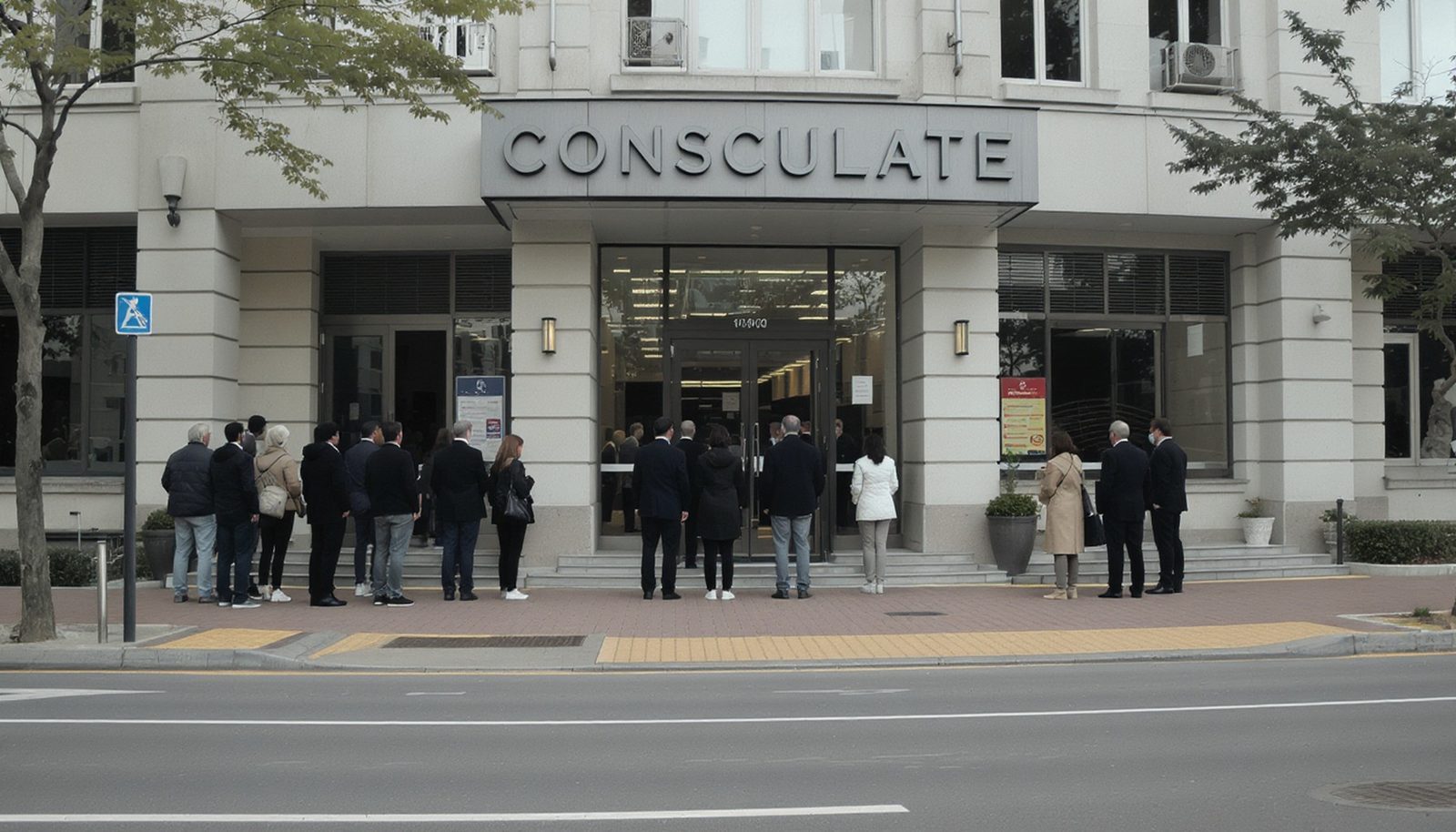

Choose Your Core Strategy: Early, Standard, or LastMinute Schengen Visa Timing
For most trips, the key question is not whether you need a Schengen visa, but when to apply. Your timing affects approval chances, stress, and money. Here I focus on the Destination / Visa & Entry decision: how to pick the best application window for Schengen approval, given busy seasons, your health, and your fixed travel plans.
There are three main timing strategies:
- Early window: Apply as soon as the consulate allows (often up to 6 months before travel).
- Standard window: Apply 610 weeks before departure.
- Lastminute window: Apply less than 4 weeks before departure.
Each option balances processing risk, document stability, and health uncertainty. For example, you might get sick right before your biometrics appointment or flight. The sections below walk through these tradeoffs so you can choose a timing strategy that matches your risk tolerance and your constraints.
Decision 1: Apply in the Early Window (36 Months Before Departure)
Applying early is usually the most reliable strategy. It helps most if you travel in peak seasons (summer or major holidays) when consulates are crowded and appointments disappear fast.
Why early applications work
- Buffer against consular congestion: In summer, Schengen consulates are very busy. Appointments can be full weeks ahead, and processing can go beyond the usual 15 days. An early application gives you time for delays, missing documents, or resubmission.
- Time to correct mistakes: If your itinerary changes, an employer letter is missing, or your insurance does not meet Schengen rules, you still have time to fix things without risking the trip.
- Health uncertainty buffer: Colds, flu, and COVID19 are common in winter and during heavy summer travel. If you get sick near your appointment date, you may need to reschedule. An early window makes that realistic.
Constraints and edge cases
- Unstable plans: If your dates, route, or main destination are not fixed, applying too early can cause problems. Schengen rules say you must apply to the country of main stay or first entry. If you change plans after approval, your visa may no longer match your real trip.
- Document validity: Some papers (bank statements, employment letters) must be recent. If you apply very early, the consulate may ask for updated versions later.
- Healthrelated cancellations: Early approval does not protect you from lastminute illness. If you get a serious respiratory infection just before travel, you may still need to cancel or postpone. A valid visa does not guarantee boarding if you look very unwell.
When early is the rational choice
- You travel in JuneSeptember or around Christmas/New Year, when demand is highest.
- You need a visa for multiple Schengen entries (for example, business trips) and want time to answer any extra questions.
- You have a history of visa refusals or a complex travel record, so extra scrutiny is more likely.
Decision 2: Use the Standard Window (610 Weeks Before Departure)
The standard window is a middle path. It suits travelers with fairly stable plans who want to avoid both very early commitment and lastminute pressure.
Why the standard window works
- Balanced document freshness: Bank statements, employer letters, and insurance are recent, so the consulate is less likely to question them.
- Moderate congestion risk: Outside peak summer and big holidays, consulates often stay within normal processing times. A 610 week buffer usually covers both the appointment and the decision.
- Better alignment with health status: You see your upcoming schedule more clearly, including any planned medical procedures or expected flareups of chronic conditions.
Tradeoffs and limitations
- Less room for error: If your file is incomplete or the consulate asks for more documents, you have less time to respond before your flight.
- Seasonal respiratory risk: In late autumn and winter, flu and other respiratory viruses are more common in many Schengen countries. If you get sick in this window, you may need to move your appointment or show up while unwell, which can raise questions about your fitness to travel.
- Employer and itinerary changes: If your employer changes your leave or your airline cancels flights, adjusting your itinerary after submission becomes harder.
When the standard window is optimal
- You travel in shoulder seasons (for example, AprilMay or late SeptemberOctober) when demand is moderate.
- Your itinerary is mostly fixed, but you still want some room for small changes.
- You have no prior Schengen refusals and a simple profile (stable job, clear funds, straightforward route).
Decision 3: LastMinute Applications (Less Than 4 Weeks Before Departure)
Lastminute applications are high risk and should be a conscious choice. Sometimes you cannot avoid them, for example for urgent business or family emergencies. But they greatly increase the chance you will not get a decision in time.
Why lastminute is risky
- Appointment scarcity: In busy times, you may not find any appointment before your trip. Thirdparty visa centers can also be fully booked.
- No buffer for rejections or queries: If the consulate asks for more documents or clarifications, you may not have time to respond before departure.
- Health and symptom uncertainty: If you develop cold, flu, or COVIDlike symptoms close to your appointment, you may have to attend while sick or cancel. Both options can complicate your application or your travel.
When lastminute can still be rational
- Emergency travel: Serious illness or death of a close relative in the Schengen area. In these cases, consulates sometimes offer emergency slots.
- Lowdemand periods: Offseason trips to less popular Schengen destinations, where queues are short and processing is fast.
- Frequent travelers with prior visas: If you have a strong record of Schengen compliance and past visas, some consulates may process you faster, though this is never guaranteed.
Mitigation strategies
- Prepare all documents in advance (employment letters, bank statements, insurance, confirmed itinerary) so you can grab the earliest appointment.
- Choose flexible or refundable tickets to limit financial loss if the visa is late or refused.
- Use telehealth or local medical advice if you develop respiratory symptoms before travel. This helps you document your condition and decide rationally about flying while ill.
Decision 4: Aligning Visa Timing with Seasonal Congestion and Health Risks
Visa timing is not only about consular workload. It also connects to seasonal travel patterns and respiratory health risks. Summer crowds or a cold while abroad can affect both your chance to get an appointment and your ability to travel.
Summer congestion vs. winter respiratory risk
- Summer (JuneSeptember): Tourism peaks, so consulates are crowded and processing is slower. Air travel volume is also high, which increases exposure to colds and other respiratory infections in airports and planes.
- Winter (roughly NovemberMarch in many Schengen states): Consular demand may be lower than in summer, but flu and other respiratory viruses are more common. A cold or flu near your travel date can make long flights harder and may trigger airline or border health concerns if you look very sick.
How this affects your timing decision
- If you plan a summer trip, choose the early window. This helps you avoid appointment shortages and gives room to reschedule if you get symptoms before biometrics.
- If you plan a winter trip, the standard window often works, but add extra time in case you need to move your appointment due to illness.
- For shoulder seasons, you can usually pick early or standard based on your risk tolerance and how stable your plans are.
Edge cases: summer congestion or cold while traveling abroad
- If you are already abroad and develop a cold or respiratory symptoms, this does not change an existing Schengen visa. But it can affect border health checks and airline boarding decisions.
- If you plan to apply for a later Schengen visa while traveling often, remember that repeated flights and crowds raise your chance of respiratory illness at key appointment times.
Decision 5: Choosing Where to Apply and How It Affects Timing
Schengen rules say you must apply to the consulate of your main destination (where you spend most nights) or, if nights are equal, your first point of entry. But consulates and visa centers differ a lot in appointment access and speed.
Why consulate choice matters for timing
- Appointment backlog differences: Some consulates in big, busy cities have long waits. Others in nearby countries or smaller cities may be faster.
- Outsourced visa centers: Where external centers handle applications, capacity can be higher, but demand still spikes in summer.
- Local public health policies: During periods of higher respiratory disease concern, some consulates may cut appointment numbers or add health checks, which slows things down.
Tradeoffs in consulate selection
- Strict itinerary alignment vs. appointment availability: You must not lie about your main destination just to use a faster consulate. But if your plans are flexible, you can design your route to match a consulate with more predictable processing.
- Travel distance to the consulate: A consulate with better availability may be farther away. This adds cost and effort, especially if you need to reschedule because of illness.
Practical approach
- Before you lock in your itinerary, check appointment availability for the consulates that would handle your likely main destinations.
- If you have respiratory issues (for example, asthma or chronic bronchitis), factor in the effort of traveling to the consulate and the risk of crowded waiting rooms when you choose where and when to apply.
Risk and Uncertainty: Health, Processing Delays, and Policy Shifts
Even with careful timing, a Schengen visa always involves some uncertainty. Knowing the main risks helps you choose a timing strategy that is resilient, not just hopeful.
1. Healthrelated uncertainty
- Respiratory infections: Colds, flu, and COVID19 can appear suddenly, especially after long flights or time in crowds. Symptoms like cough, blocked nose, and fever can make travel hard and may trigger airline or border checks.
- Allergies vs. infection: New pollen, pollution, or indoor air can cause allergy symptoms that look like a cold. If you confuse allergies with infection (or the other way around), you might cancel needlessly or travel while truly sick.
- Impact on appointments: If you are very unwell on biometrics day, you may have to choose between going while symptomatic or rescheduling. Early or standard timing gives you more room to move the appointment without risking the trip.
2. Administrative and processing uncertainty
- Variable processing times: Many visas finish within the usual time, but consulates can face sudden surges, staff gaps, or technical problems.
- Additional document requests: If the consulate asks for more proof (for example, a detailed itinerary or extra financial documents), your ability to respond depends on how much buffer you built into your timing.
3. Policy and external shocks
- Public health events: New virus variants or other health issues can quickly change entry rules, testing needs, or appointment capacity.
- Geopolitical or security events: These can shift visa policies or priorities with little warning.
How to build resilience into your timing decision
- Prefer the early or standard window over lastminute applications, especially for summer trips.
- Keep digital copies of all documents so you can answer consular requests fast.
- Watch public health advisories for your destination and adjust timing if new tests or documents become required.
- Consider travel insurance that covers trip interruption due to illness. A visa does not guarantee that you can or should travel if you become seriously ill.
Comparing Timing Strategies: TradeOff Table
The table below sums up the main tradeoffs between early, standard, and lastminute Schengen visa timing. Use it to match a strategy to your risk tolerance, season, and health profile.
| Timing Strategy | Typical Window Before Departure | Pros | Cons | Best For |
| Early | 36 months | Maximum buffer for delays; easier rescheduling if sick; more time to fix document issues. | Plans may change; some documents may need updating; earlier financial commitment. | Summer or holiday travel; complex itineraries; travelers with prior refusals. |
| Standard | 610 weeks | Documents are fresh; reasonable buffer; good balance of flexibility and safety. | Less room for error; winter illnesses can still disrupt appointments. | Shoulderseason trips; stable itineraries; straightforward profiles. |
| Lastminute | < 4 weeks | Maximum flexibility for changing plans; useful for emergencies. | High risk of no appointment; no buffer for queries; illness can derail everything. | Unplanned or emergency travel; lowdemand periods; experienced frequent travelers (still risky). |
Putting It All Together: A Practical Framework for Your Schengen Visa Timing
To choose the best time to apply for a Schengen visa, combine three things: seasonal congestion, how stable your itinerary is, and your health and risk tolerance.
Stepbystep framework
- Step 1 Identify your travel season: If you travel in peak summer or major holidays, default to the early window. For shoulder seasons, the standard window usually works. For winter, use the standard window but add buffer for possible illness.
- Step 2 Assess itinerary stability: If your route, dates, and main destination are fixed, you can safely apply early. If they are still changing, lean toward the standard window, but do not slide into lastminute timing.
- Step 3 Consider your health profile: If you often get respiratory infections or have chronic conditions, build extra time for possible appointment changes. Avoid booking biometrics right after longhaul flights or during periods of high stress or poor sleep.
- Step 4 Check consulate capacity: Check appointment slots and typical processing times for the consulate or visa center you will use. If slots are already tight, move your application earlier.
- Step 5 Add a safety margin: Whatever window you choose, add at least 12 weeks of buffer beyond the usual processing time. This covers document queries or unexpected delays.
If you treat Schengen visa timing as a clear decisionmaking processbalancing season, congestion, health uncertainty, and itinerary stabilityyou cut the risk of lastminute crises and raise your chances of smooth approval. The aim is not only to get a visa, but to get it in a way that still works when realworld problems like summer congestion or a sudden cold while traveling abroad appear.