
I love the idea of bleisure travel. Fly somewhere on the company’s dime, nail your meetings, then stay a few extra days and turn it into a mini-vacation. On paper, it feels like a free vacation
.
But once I started tracking the real numbers behind each bleisure trip, a pattern showed up fast: those cheap
add-on days were quietly wrecking my travel budget. In some cases, the total bleisure travel cost was higher than if I’d just booked a separate, well-planned vacation somewhere else.
This isn’t an argument against mixing business and leisure. It’s a reality check. When you understand the real cost of bleisure trips, you can still enjoy the perk without torching your savings—or your company’s travel program.
1. The Myth of the “Almost Free” Extra Night
Bleisure is often sold with one simple line: The company already paid for the flight, so adding a few days is basically free.
That’s only half true.
Yes, your employer usually covers the round-trip flight and the core business nights. But the moment you extend the trip, the bleisure trip budget breakdown changes:
- Hotel rates jump once you move out of the corporate block or negotiated rate.
- Taxes and resort fees apply to every extra night you add.
- Weekend pricing can be dramatically higher than midweek corporate nights.
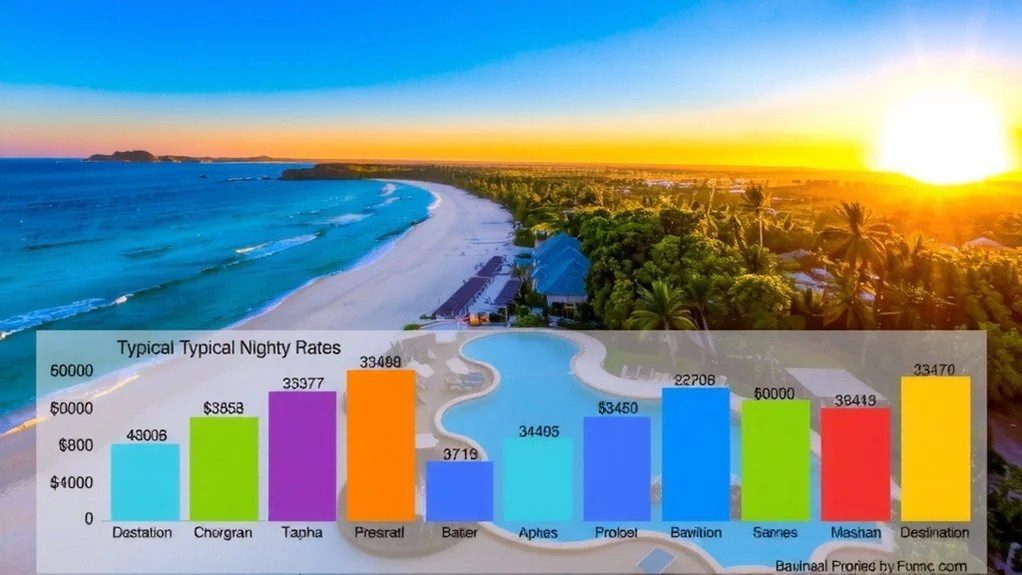
Think about an all-inclusive resort as a benchmark. Midrange nightly rates often run:
- Caribbean: about $150–$400 per night
- Mexico/Central America: about $120–$300 per night
- Europe/Mediterranean: about $200–$500 per night
Now imagine you tack on three personal nights at the same property after a conference. Even at a modest $250 per night, that’s $750 before you’ve bought a single excursion, spa treatment, or premium drink. Not exactly free.
The real trap? You anchor on the flight being covered and mentally discount everything else. I’ve done it. I’ve told myself, It’s just the hotel.
Then I get home, add up the bill, and realize I’ve spent what could have been a full, separate vacation somewhere cheaper.
If you’re comparing bleisure vs separate vacation cost, don’t stop at the airfare. The cost of extending a business trip for vacation is usually hiding in those extra nights and add-ons.
2. The Fine Print That Turns “All-Inclusive” Into “All-Expensive”
Bleisure often nudges you into resort-style properties or upgraded hotels you’d never book for a normal vacation. That’s where the fine print starts to matter a lot.
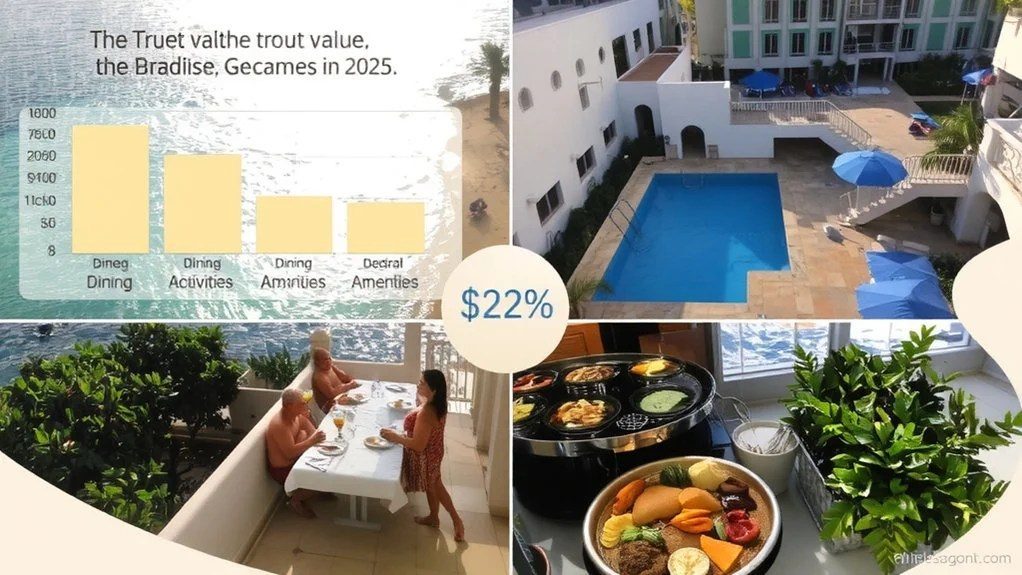
In 2025, all-inclusive
usually covers:
- Lodging
- Most buffet or standard meals
- Basic drinks (often not top-shelf)
- Some non-motorized activities and entertainment
But the exclusions are where your bleisure travel expenses quietly bleed:
- Premium dining (steakhouse, sushi, tasting menus) with surcharges
- Spa treatments and wellness packages
- Excursions (boat trips, tours, adventure activities)
- Wi‑Fi tiers (basic vs. high-speed for remote work)
- Minibar rules and in-room snacks
- Airport transfers and local transportation
- Resort fees and mandatory gratuities
On a pure vacation, you might pick a simpler hotel and eat at local spots. On a bleisure trip, you’re already on-site, tired from meetings, and more likely to say yes to the convenient (and expensive) options. That’s how hidden bleisure travel expenses pile up.
If you don’t read the fine print, you end up paying luxury-resort prices for things you assumed were included. Before I extend any work trip now, I ask myself:
- What exactly is included in the rate I’ll pay for personal nights?
- Are there surcharges for the restaurants I actually want to eat at?
- Is high-speed Wi‑Fi extra if I’m working remotely?
The answers often decide whether I extend at the same property or move to a cheaper, more transparent hotel across town. Sometimes a quick hotel switch is the difference between a manageable bleisure travel cost and a bill that makes you wince.
3. Seasonality: How One Extra Day Lands in the Most Expensive Week
Business trips rarely care about tourist seasons. Your conference is when it is. Your client meeting is when it is. Tourism pricing, though? That cares a lot.
When you extend a business trip, you’re often drifting into peak or weekend pricing without realizing it.
Typical patterns:
- Peak season & holidays: sharp price spikes, especially in beach and resort destinations.
- Shoulder season: 10–40% discounts, fewer crowds, but sometimes patchy weather or limited services.
- Low season: big savings, but higher risk of storms, heat waves, or renovations.
Corporate events often land in shoulder or off-peak windows to keep costs down. But if you extend into a holiday weekend or a local festival, your cheap
extra nights can suddenly cost more than the entire business portion of the trip.
So I do one quick check before I approve any extension for myself:
- Price the same dates as a standalone vacation.
- Price a different, cheaper destination for the same number of days.
If the extension is more expensive than a separate, off-peak trip somewhere I actually want to visit, I skip it. When you look at the bleisure travel cost comparison side by side, it’s often obvious: better to plan a full vacation on your own terms than overpay just because you’re already there.
4. The Corporate Side: When Your Bleisure Habits Cost the Company (and Eventually, You)
Now flip the lens for a second. If you’re a manager or business owner, unmanaged bleisure isn’t just a personal finance issue. It’s a corporate cost and risk problem.
When employees extend trips and self-book around them, a few things happen:
- Negotiated rates get bypassed. People book outside the corporate tool to find
better
options, but they lose volume discounts. - Time gets wasted. Some travelers spend 8–12 hours comparing flights and hotels across multiple sites.
- Expense data fragments. Receipts are scattered, making it hard to see the true cost of travel.
- Duty-of-care weakens. You don’t always know where your people are or how to reach them in an emergency.
- Cash-flow strain hits employees. They front big costs and wait for reimbursement, which can delay reporting and create stress.
According to analyses like this breakdown, unmanaged bleisure can quietly inflate your travel program and block you from renegotiating better supplier contracts because your data is incomplete.
From the traveler’s side, this matters too. If your company decides bleisure is too messy
or too expensive,
they may clamp down with stricter policies. That’s how everyone loses.
The smarter move is a clear, written bleisure policy that:
- Defines which costs are business vs. personal.
- Requires all flights and core hotel nights to be booked through the corporate system.
- Allows personal extensions as long as the business portion is cost-neutral or cheaper than the baseline itinerary.
- Spells out insurance, safety, and emergency contact expectations.
When the rules are clear, you can still enjoy bleisure without accidentally sabotaging your company’s travel budget—or your own future flexibility. It turns bleisure trip financial planning into a shared, transparent process instead of a guessing game.
5. The Lifestyle Trap: Bleisure as a Justification for Overspending
There’s a psychological side to all of this that’s easy to ignore. Bleisure feels like a reward. You’ve traveled for work, given up evenings, been on
for days. When the meetings end, you feel like you’ve earned something special.
That’s when the spending starts to creep:
- You upgrade to a nicer room
just for the last two nights.
- You book the expensive tasting menu because
I’m only here once.
- You say yes to the $200 excursion instead of exploring on your own.
Individually, these choices feel small. Together, they can turn a modest extension into a four-figure hit. This is where a lot of bleisure travel mistakes live—not in one big decision, but in a dozen tiny ones.
Now I ask myself one question before I extend any trip:
If this were a standalone vacation I was paying for from scratch, would I still choose this hotel, this city, and this level of spending?
If the honest answer is no, I rethink the plan. Bleisure should help you travel more efficiently, not trick you into a lifestyle tier you wouldn’t normally choose. Otherwise, you fall straight into the classic bleisure expense traps and wonder why your card balance keeps creeping up.

6. Smarter Bleisure: How to Enjoy the Perk Without Blowing the Budget
Bleisure isn’t the enemy. Impulsive, unplanned bleisure is. With a bit of structure, you can keep the upside and ditch most of the financial downside.
Here’s how I approach how to budget for bleisure travel now:
1. Decide if this trip is worth extending at all.
- Is the destination somewhere I genuinely want to explore?
- Are prices reasonable for the dates I’d extend?
- Would I rather save the money for a different trip entirely?
Sometimes the most affordable bleisure decision is simple: don’t extend. Go home, regroup, and plan a proper vacation later.
2. Separate the business and personal budgets.
- Set a hard cap for the personal portion before you look at hotels.
- Track personal expenses in a separate app or card so you see the real cost.
This makes the bleisure trip budget breakdown painfully clear. No more hiding personal splurges inside the overall trip.
3. Consider switching hotels after the work part ends.
- Corporate hotel: convenient, maybe expensive, optimized for meetings.
- Personal hotel: cheaper, better location for sightseeing, fewer business amenities.
Moving hotels can feel like a hassle, but it often saves hundreds and puts you in a neighborhood that actually fits your leisure plans. For bleisure travel affordability, this one move can be huge.
4. Use flexibility to your advantage.
- Look at flying home a day earlier or later if it significantly cuts airfare.
- Check shoulder-season dates for future trips instead of forcing bleisure into peak weeks.
- Book refundable rates when possible and monitor for price drops.
Sometimes the best bleisure travel cost guide is just your calendar and a flight search. A small shift in dates can change everything.
5. Be honest about your energy.
- If you’re usually exhausted after business travel, a
fun
extension can turn into expensive, low-quality downtime. - Sometimes the best financial and mental-health move is to go home, rest, and plan a proper vacation later.
Bleisure should feel like a bonus, not a chore you paid too much for.

7. The Bottom Line: Bleisure Is a Tool, Not a Free Upgrade
Bleisure travel is booming. More than half of business travelers now blend work and leisure, and most want to add personal time to work trips. Companies are responding with more flexible policies, retreats in attractive destinations, and even family-friendly perks.
But none of that makes your personal days free.
If you treat bleisure as a bonus vacation that doesn’t really count, your budget will quietly suffer. If you treat it as a tool—one way to see more of the world while being brutally honest about the business and vacation trip costs—you can get the best of both worlds:
- Efficient use of flights you’re already taking.
- More meaningful time in cities you’d otherwise just pass through.
- A travel budget that still has room for the trips you actually dream about.
The next time you’re tempted to tack on just a couple of days,
pause and run the numbers as if it were a standalone vacation. Compare the bleisure travel cost to a separate trip you could take instead. If it still makes sense, go for it. If not, save that money for a trip that truly does.
Bleisure can be brilliant. It just shouldn’t be blind.