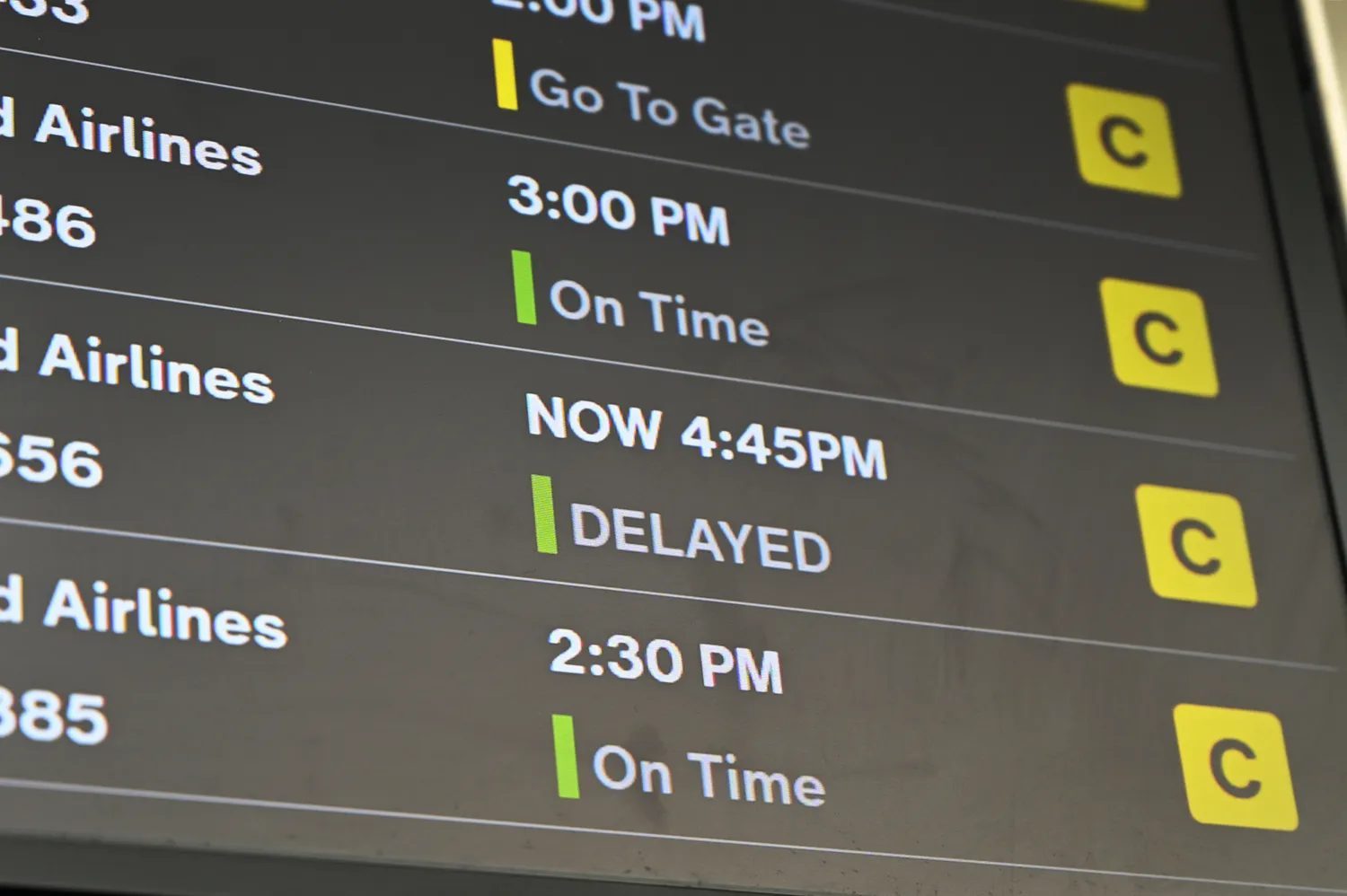
I don’t plan trips around worst-case scenarios. You probably don’t either. But in 2025–2026, not planning for delays and cancellations is basically a hidden surcharge on every ticket you buy.
Studies suggest U.S. travelers lose around $484 per disrupted trip in out-of-pocket costs alone. Flight delays are quietly shifting about $18 billion a year onto passengers. That’s not the airline’s problem. That’s your wallet.
This guide breaks down the real, often invisible hidden costs of trip disruptions—and how to budget for flight delays and cancellations so a bad travel day is an inconvenience, not a financial mess.
1. The Real Price of a “Minor” Delay
We tend to think in headlines: My flight was delayed three hours.
But your bank account doesn’t care about the headline. It cares about the line items.
When a trip goes sideways, the average U.S. traveler ends up paying for things like:
- Extra accommodation (often last-minute): around $300+ for a night near the airport
- Missed prepaid activities: tours, tickets, and excursions you can’t reschedule
- Local transport: extra taxis, rideshares, and airport transfers
- Airport food: multiple meals at inflated prices
- Replacement essentials: toiletries, clothes, chargers, meds
- Last-minute rebooking: new flights, trains, or buses when your original plan falls apart
Put together, that’s how we get to that ~$484 average hit per disrupted trip. And that’s before we talk about lost work time or missed events.
How I budget for this:
- I assume every major trip has a non-zero chance of disruption. No exceptions.
- For any flight with a connection or tight schedule, I mentally add a “disruption tax” of 10–20% of the trip cost and either budget it or insure it.
- If I can’t afford that buffer, I treat the trip as
not fully funded
yet and delay booking.
The uncomfortable truth: headline airfare is not the real expected cost of your trip. Once you factor in the probability of delays, the cheap
ticket can easily become the most expensive choice.
2. The Silent Budget Killers: Hotels, Food, and Ground Transport
When a flight is delayed or canceled, the big money doesn’t usually disappear at the gate. It leaks out slowly through basic survival spending—the stuff you can’t avoid.
Here’s where I see people underestimate unexpected travel delay expenses the most:
Last-minute hotels
Walk-up rates near airports are brutal. A room that’s $140 when booked in advance can easily jump to $250–$350 when you’re stranded at 10 p.m. with a line of equally desperate travelers behind you.
What I do:
- Before I travel, I identify 2–3 backup hotels near my connection or arrival airport and note typical prices.
- I budget for one emergency night on trips with tight connections, winter weather risk, or complicated routings.
Airport food and extra meals
Delays turn one planned meal into three unplanned ones. Airport prices are often 30–80% higher than in town. Over a long delay, a couple or a family of four can easily burn through $60–$150 just in snacks and meals.
What I do:
- For any itinerary with a connection, I add a line in my budget: “Delay food: $20–$40 per person”.
- I pack real snacks (nuts, bars, sandwiches) so I’m buying fewer full meals at airport prices.
Ground transport chaos
Delays often break your original ground plan. The cheap daytime train is gone. The shared shuttle stops running. Now it’s a $70 taxi or a $120 rideshare.
What I do:
- When I estimate ground transport, I add a +30–50% disruption buffer for late arrivals or reroutes.
- I check night-time options in advance: last train, last bus, typical late-night taxi fare.
None of these costs are dramatic on their own. But together, they’re why a simple delay
can quietly add hundreds of dollars to your trip and blow up your carefully planned budget.
3. The Hidden Losses You Don’t See on Your Credit Card
Some disruption costs never show up as a charge. They show up as lost value—money you already spent that you don’t get back.
Missed prepaid activities
Think about what you’ve already locked in before you fly:
- Nonrefundable tours and excursions
- Timed museum or attraction tickets
- Event tickets (concerts, sports, shows)
- Prepaid car rentals or transfers
When a delay or cancellation makes you miss these, you’re not just annoyed—you’ve effectively burned part of your trip budget. It’s a quiet travel cancellation cost breakdown you only notice afterward.
How I budget for this:
- I keep a separate line in my planner: “Prepaid, nonrefundable experiences”.
- If that number is high (say $300+), I either:
- Buy insurance that explicitly covers missed connections and prepaid activities, or
- Make at least some of those bookings refundable or movable, even if it costs a bit more.
Lost time and productivity
For business travelers, delays can mean lost billable hours or overtime costs. For everyone else, it’s lost vacation time you already paid for.
Researchers estimate billions in lost productivity and leisure time from delays, including about $6 billion tied just to schedule padding—the extra time airlines quietly build into schedules because they expect things to run late.
How I think about it: I don’t try to put a perfect dollar value on my time, but I do ask myself a blunt question before I book a tight connection or a risky routing:
If this goes wrong and I lose a day, is the savings worth it?
Often, the answer is no. And that answer changes how I book.
4. Baggage, Essentials, and the Cost of Being Unprepared
When bags are delayed or lost, the financial hit is more than just a suitcase. Travelers typically value their baggage and contents at around $250+. Then there’s the scramble spending.

What people end up buying when bags don’t show up:
- Toiletries and basic cosmetics
- Underwear, socks, a change of clothes
- Phone chargers, adapters, cables
- Weather-specific gear (coats, umbrellas, swimwear)
It’s easy to drop $50–$150 in 24 hours just replacing basics, especially in touristy or airport shops.
How I budget and pack around this:
- I assume at least one bag could be delayed on any trip with a connection.
- In my carry-on, I always pack:
- 1–2 days of clothes
- Essential meds
- Chargers and adapters
- Basic toiletries (within liquid rules)
- In my budget, I add a small line: “Emergency essentials: $50–$100” for longer or multi-leg trips.
Is that overcautious? Maybe. But I’d rather have a small buffer I don’t use than be forced into a $90 airport hoodie because my bag decided to vacation elsewhere.
5. The Insurance Trap: What’s Actually Covered (and What Isn’t)
Travel insurance sounds like the obvious solution. Sometimes it is. But here’s the catch: most people don’t know what their policy actually covers, and many common causes of delay are excluded.
From recent analyses and traveler surveys, a few patterns show up:
- Many policies cover meals, hotels, and ground transport only after a delay of a certain length (e.g., 6–12 hours).
- Some exclude air traffic control issues, strikes, or weather—which are exactly the things causing major meltdowns.
- Nonrefundable tours, event tickets, and prepaid activities are not always covered unless you buy a more comprehensive plan.
On top of that, a huge number of travelers never file claims they’re entitled to, either because they don’t know their rights or the airline never tells them.
This is where the choice between trip disruption insurance vs self-insuring really matters.
How I handle insurance and rights:
- I check what I already have via credit cards or memberships before buying standalone insurance.
- When I do buy a policy, I read exactly what’s covered for:
- Trip delay
- Trip interruption
- Missed connection
- Prepaid, nonrefundable activities
- I keep a simple rule: no receipts = no reimbursement. So I save every disruption-related receipt in a single photo album or folder.
If you’re flying in Europe or the UK, passenger protections are generally stronger than in the U.S. Tools like AirHelp offer free guides to your rights and can help you claim compensation when you’re eligible. In the U.S., you’ll often rely more on airline policies and your own insurance than on regulation.
6. Building a “Disruption-Ready” Trip Budget
Let’s turn all of this into something practical. How do you actually build a budget that assumes disruptions might happen, without going overboard?
I like to think in layers. It’s basically a trip disruption contingency fund built into your normal planning.
Layer 1: Core trip costs
- Transport (flights, trains, buses)
- Accommodation (planned nights)
- Food (normal daily spending)
- Activities and attractions
- Fixed pre-trip costs (visas, luggage, vaccines, passport renewal)
Tools like the Travel Budget Calculator or other online estimators are useful here. Many of them already suggest a 10–15% buffer for hidden or variable costs like resort fees, baggage charges, and exchange-rate swings.
Layer 2: Disruption buffer
This is where most people under-budget. I treat disruption as its own category, not just a vague miscellaneous
line. Think of it as your built-in buffer budget for trip disruptions.
For a typical international trip, I’ll add:
- 1 emergency hotel night near an airport (realistic local price)
- Delay food: $20–$40 per person
- Ground transport overage: +30–50% on top of the original plan
- Emergency essentials: $50–$100
For complex or multi-city trips, I’m comfortable with a 15% disruption/emergency buffer on top of the core budget. For simple domestic trips, 10% is often enough.
Layer 3: Protection and flexibility
- Travel insurance that actually covers the risks you’re taking
- Refundable or flexible bookings for high-value items (even if slightly more expensive)
- Backup routes and alternative airports in mind before you travel
The goal isn’t to predict every problem. It’s to make sure that when something breaks, you’re not forced into bad, expensive decisions because you have no financial room to maneuver.
7. When to Pay More Upfront to Lose Less Later
Sometimes the cheapest option on the screen is actually the most expensive once you factor in disruption risk. This is where a slightly skeptical mindset pays off.

Here are situations where I seriously consider paying more upfront—and where the cost of rebooking flights and extra costs of missed connections can really sting.
Ultra-tight connections
If a missed connection would cause you to lose a day, miss a cruise departure, or skip a major event, I treat that as a high-risk routing. I’ll often pay more for:
- A longer layover
- An earlier flight the same day
- A direct flight instead of a connection
Rock-bottom basic fares
Basic economy and ultra-low-cost carriers can be fine—until something goes wrong. Then you discover:
- Rebooking options are limited or expensive
- Customer service is overwhelmed
- Changes and cancellations are heavily penalized
Sometimes paying a bit more for a fare that allows changes, same-day switches, or better rebooking rights is effectively buying disruption insurance. It can save you from painful rebooking fees and fare differences later.
Trips with high nonrefundable stakes
If you’re traveling for a wedding, a once-in-a-lifetime event, or a very expensive tour, I ask myself:
What’s the cost of missing this, and what am I doing to reduce that risk?
That might mean:
- Arriving a day earlier than strictly necessary
- Choosing airlines with better historical on-time performance
- Buying more robust insurance that covers missed connections and prepaid activities
Paying a little more upfront can be the difference between a stressful delay and a full-blown disaster.
8. A Simple Checklist Before You Book
To make this practical, here’s the quick disruption checklist I run through before I hit Confirm
on a trip. It helps me avoid budget mistakes with trip disruptions and decide how much to set aside for travel delays.
- 1. What’s my disruption buffer?
Have I added at least 10–15% (or a specific dollar amount) for delays, extra nights, and surprise transport costs? - 2. What prepaid costs am I risking?
How much money is tied up in nonrefundable tours, tickets, or events that a delay could wipe out? - 3. What does my insurance actually cover?
Do I understand the rules for trip delay, interruption, and missed connections? Are common causes of disruption excluded? - 4. How bad is it if I miss my connection?
Am I okay with the worst-case scenario for this routing, or should I pay more for a safer option? - 5. Do I have a plan for baggage issues?
Is my carry-on packed so I can survive 24–48 hours without checked bags? Have I budgeted a small amount for emergency essentials? - 6. Do I know my rights?
For my route (U.S., Europe, UK, etc.), do I know when I’m entitled to compensation or hotel/meals from the airline?
You don’t need to obsess over every possible disruption. But if you build these questions into your planning—and treat disruption as a normal, budgetable part of modern travel—you’ll be in a much stronger position when the departure board flips from On Time
to Delayed
.
Because the real hidden cost of trip disruptions isn’t just money. It’s the feeling that you’re powerless. A solid disruption budget won’t make the delays disappear, but it will give you options. And options are what turn a ruined trip into a salvageable one.