
You spot a crazy-cheap fare. Your first thought: How is this only $79?
Your second thought should be: What’s missing?
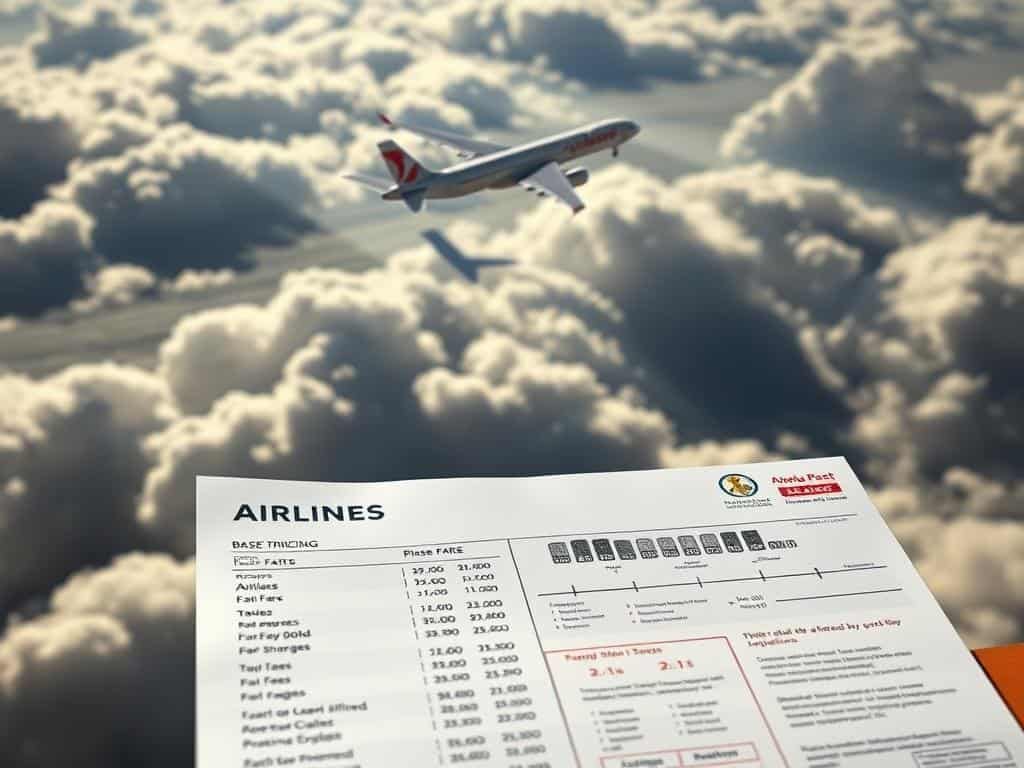
The price you see on the screen is almost never the price you actually pay. Airlines, hotels, and rental car companies are experts at the from $X
game. The headline number looks tiny. The final bill doesn’t.
This guide walks through the hidden travel costs that creep in after you’ve found that cheap flight—plus how to budget for the real trip cost so you’re not blindsided later.
1. The Baggage Trap: When Your Suitcase Costs More Than Your Seat
When I see a suspiciously low fare, my first question is always: What does this include?
With many basic economy and low-cost tickets, the honest answer is: almost nothing.
Here’s what often happens with those too-good-to-be-true deals:
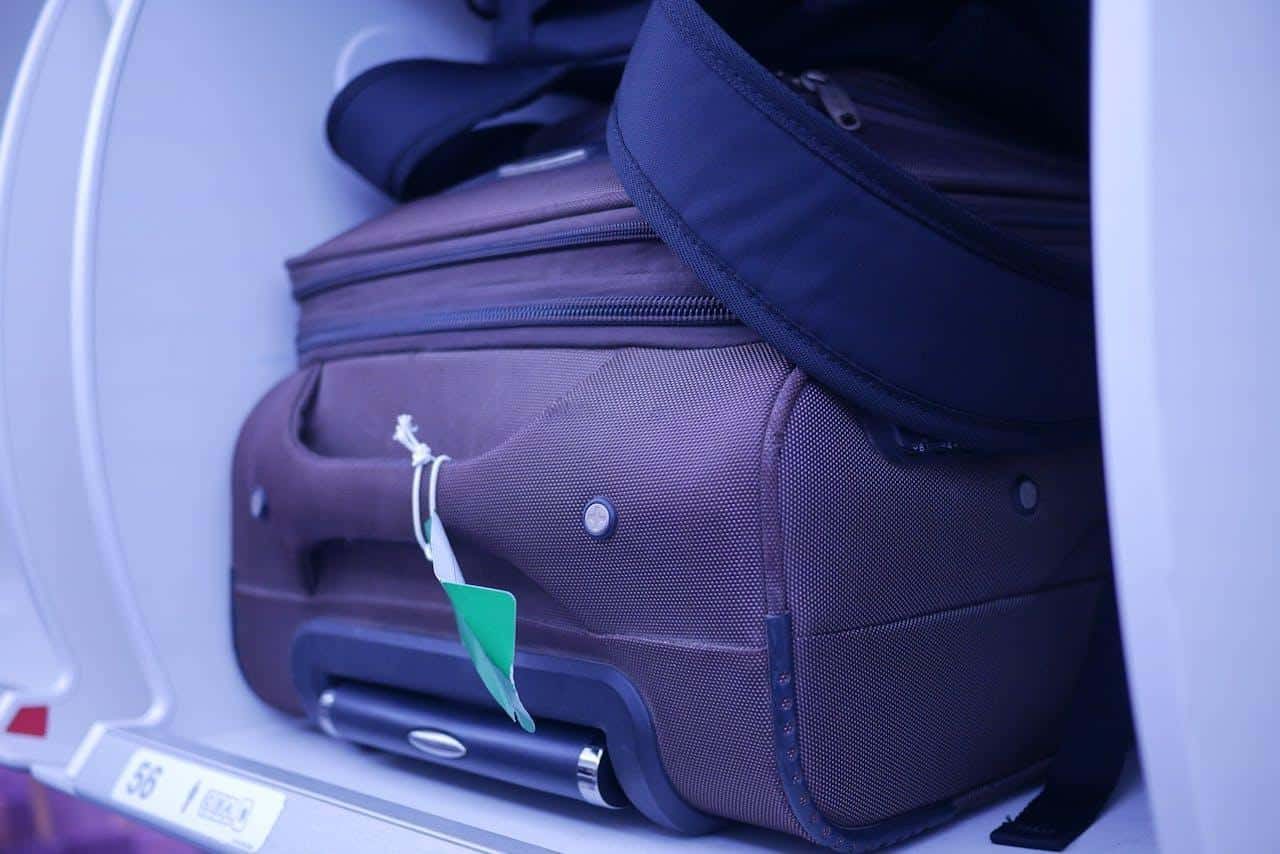
- The fare includes only a small personal item that fits under the seat.
- A standard carry-on suddenly becomes an extra fee.
- Checked bags cost even more—and overweight bags are brutal.
Airlines make tens of billions from baggage fees alone. On some routes, a family of four can easily pay more in bags than for one of the tickets. And if you’re connecting on different airlines, you might pay twice for the same bag because baggage allowances don’t always carry over.
If you’ve ever thought you scored cheap airfare but ended up with an expensive trip, baggage is usually the first culprit.
How I sanity-check baggage costs before I book:
- Look up the baggage policy for that exact fare type (basic, main cabin, saver, etc.) on the airline’s site before paying.
- Price your real scenario: how many bags you’ll bring, what size they are, and what they cost if you pay online vs. at the airport.
- Watch the weight limits. A 51 lb bag can cost more than splitting into two lighter bags.
- Check connections. If you’re mixing airlines, assume you’ll pay each one separately unless it clearly says otherwise.
- Consider a fare or card that includes bags if you always check luggage; sometimes the higher fare is actually cheaper overall.
The mindset shift is simple: don’t compare ticket prices. Compare ticket + realistic baggage costs across airlines. That’s the real number that matters when you’re budgeting for travel beyond the ticket.
2. Seat Selection & Family Seating: Paying Just to Sit Together
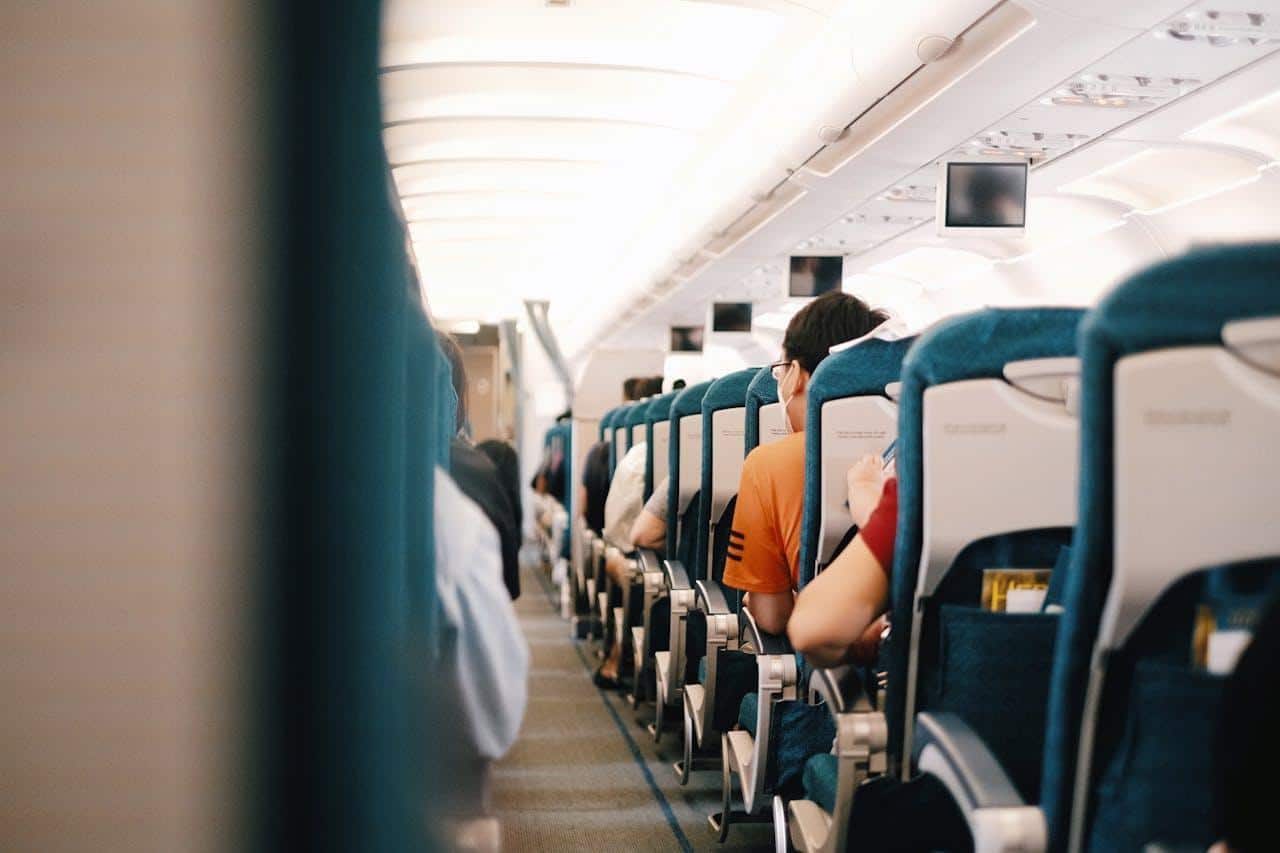
Once upon a time, choosing a seat was free. Now it’s a revenue stream. Many airlines charge for:
- Standard aisle or window seats
- Exit rows and extra-legroom seats
- Even basic middle seats in decent rows
On paper, a $39 seat fee doesn’t look terrible. But multiply that by two flights, four people, and both directions, and you’re suddenly staring at a few hundred dollars you never planned for. That’s one of the classic travel budget mistakes with cheap flights: ignoring seat fees until the end.
Here’s the uncomfortable truth: when you buy the absolute rock-bottom fare, the airline is often betting you’ll pay extra later just to avoid being separated or stuck in the worst rows.
How I decide whether to pay for seats:
- Solo or flexible? I usually skip seat selection and roll the dice. Many airlines release more free seats at check-in.
- Family with kids? I check the airline’s family seating policy. Some will try to seat kids with at least one adult, but it’s not guaranteed. If sitting together is non-negotiable, I treat seat fees as part of the real ticket price.
- Long-haul flights? On overnight or 8+ hour flights, I’m more willing to pay for a decent seat. Comfort matters more when you’re stuck there for half a day.
Tricks that often save me seat fees:
- Skip paid seats during booking and check in exactly 24 hours before departure—more free seats usually open up then.
- At the gate, politely ask if they can seat your group together. It works more often than you’d expect.
- Compare a slightly higher fare class that includes seat selection; sometimes it’s cheaper than buying seats à la carte.
When you’re comparing a cheap flight vs the real travel budget, don’t forget to add what you’re willing to pay just to sit where you actually want.
3. Food, Drinks, and In-Flight Extras: The Slow Drip of Small Charges
Cheap flights often mean no frills
. In practice, that usually means:
- No free meal, even on longer flights
- Paid snacks and drinks (sometimes even water)
- Paid Wi-Fi and sometimes paid entertainment
Individually, $8 for a snack box or $5 for water doesn’t feel catastrophic. But on a long day of travel—especially with kids—these little
purchases add up fast. It’s one of those hidden travel costs after cheap flights that people rarely plan for.
How I keep these costs under control:
- Bring your own food: solid snacks, sandwiches, protein bars. Security cares about liquids, not your granola bar.
- Carry an empty water bottle and fill it after security instead of buying bottled water at airport prices.
- Download entertainment (shows, playlists, podcasts, audiobooks) before you leave so you’re not tempted by pricey Wi-Fi or rentals.
- Decide in advance if you’ll pay for Wi-Fi. If you need it for work, treat it as part of the ticket cost, not an impulse buy.
Stop thinking of onboard purchases as extras
. If you know you’ll be hungry, thirsty, or working, those are expected trip expenses beyond airfare—not surprises.

4. Booking, Payment & Currency Fees: The Fine Print That Bites at Checkout
Even if you dodge baggage and seat fees, there’s another layer of charges that often appears at the very end of the booking process:
- Service or booking fees from third-party sites
- Payment method surcharges for certain cards or payment types
- Foreign transaction fees if you’re paying in another currency with the wrong card
These are the extra fees not included in the flight price that most people don’t notice until they’ve already mentally committed to the trip. That’s exactly why they’re placed there.
My rules for avoiding nasty checkout surprises:
- Compare final prices, not just the first number you see. Click through to the last page before entering payment details.
- Book direct with the airline when you can. Third-party sites often add their own service fees and make changes more painful.
- Use a no-foreign-transaction-fee card for international bookings. That 3% fee on a big trip is real money.
- Watch for pre-checked add-ons like insurance, priority boarding, or extra bags. If you don’t actively uncheck them, you’re paying for them.
Before you hit Pay
, scan the line items. If you can’t explain a fee in one sentence, pause and figure out what you’re actually buying. That’s how you avoid underestimating the total trip cost.
5. Ground Costs: Airports, Transfers, and the Cheap
Hotel
Finding a cheap flight is only half the story. Where that flight lands—and where you sleep—can quietly double your total spend.
Budget airlines love secondary airports. They’re cheaper for the airline, but often more expensive for you. Think:
- Longer, pricier taxi or rideshare rides
- Limited public transport options
- Higher parking costs if you’re driving yourself
Hotels play the same game with resort fees or facility fees. The nightly rate looks reasonable, but then you’re hit with $20–$50 per night for amenities
like Wi-Fi, pool access, or a gym you may never use.
When you look at the cheap flight vacation cost breakdown, these ground costs are often what push a deal
into not worth it
territory.
How I keep ground costs from ambushing me:
- Check the airport code carefully. Then look up how you’ll actually get from there to where you’re staying—and what it costs.
- Price the transfer (train, bus, rideshare, shuttle) before you book the flight. A $40 cheaper ticket that requires a $60 taxi isn’t a deal.
- Search hotel names + “resort fee” or check the final price breakdown before confirming. If the fee is mandatory, treat it as part of the nightly rate.
- Consider location vs. price. A cheaper hotel far from the city center can cost more once you add daily transport.
When you’re budgeting for travel beyond the ticket, airport transfers and hotel fees belong in the plan from day one—not as an afterthought.
6. Changes, Cancellations & Insurance: Flexibility Isn’t Free
Cheap fares are often cheap for a reason: they’re rigid. No changes, no refunds, or change fees so high you might as well buy a new ticket.
Before I book the absolute lowest fare, I ask myself one question: What happens if my plans change?
If the answer is I lose everything
or I pay almost the full fare again
, that cheap ticket suddenly looks risky. The cheap flight total trip cost can skyrocket the moment life throws you a curveball.
How I think about flexibility vs. price:
- Stable plans? If dates are locked (like a wedding or fixed event), I’m more comfortable with a restrictive fare.
- Uncertain plans? I’ll often pay more for a fare that allows free changes or low penalties. The extra upfront cost is like buying flexibility insurance.
- Using points or miles? I check the change and cancellation rules. Many programs have lower fees than cash tickets, especially on certain airlines.
As for travel insurance, I don’t buy it automatically. I first check:
- What my credit card already covers
- What the airline’s own policies allow
- Whether the main risk is medical, cancellation, or something else
Then I decide if a separate policy actually fills a gap—or if it’s just another line item I’m paying for out of fear.
7. Rental Cars & Optional
Extras That Aren’t Really Optional
If your trip includes a rental car, the same pattern shows up again: low headline price, expensive reality.
The big budget killers here are:
- Insurance upsells at the counter
- Extra driver fees
- Young driver surcharges
- GPS, toll devices, and child seat rentals
Many travelers are already covered by their personal auto insurance or credit card for rental cars, but still buy the full package at the desk because they’re tired, rushed, or scared into it.
My pre-trip checklist for rental cars:
- Call or check your auto insurance to see what’s covered for rentals.
- Check your credit card benefits—many include primary or secondary rental coverage if you pay with that card.
- Decide on coverage before you arrive so you’re not making a pressured decision at the counter.
- Bring your own GPS / car seat if possible; daily rental fees add up quickly.
Rental car extras are a classic example of add-on travel fees and charges that quietly inflate what looked like a bargain.
8. How to Compare Trips the Smart Way (Not Just Flights)
When I’m planning a trip now, I don’t ask, Which flight is cheapest?
I ask, What will this entire trip actually cost me?
You don’t need a spreadsheet, just a simple habit for a more honest cost guide for flights and hidden fees.
- Start with the flight
Note the base fare, then add what you’ll realistically pay for bags, seats, and onboard extras. That’s your real flight cost, not the teaser. - Add ground costs
Include airport transfers, parking, and any obvious hotel resort or facility fees. These are the hidden costs of flight deals that people forget. - Factor in flexibility
If one option is much more flexible (free changes, better cancellation terms), give that a value in your head. Sometimes paying a bit more is worth the reduced risk. - Look at the total, not the teaser
Only then decide which option is truly cheaper for you, not just on the search results page.
The goal isn’t to avoid every fee. That’s impossible. The goal is to make sure every dollar you spend is a choice, not a surprise.
So the next time you see that irresistible cheap fare, pause for a second and ask yourself:
What’s this really going to cost me once I add everything I actually need?
If you can answer that honestly—and still feel good about it—you’ve found a real deal, not just a cheap headline.