I love a good deal as much as anyone. But after years of chasing ultra-cheap fares, I’ve learned something uncomfortable: those “$29 flights” are often more expensive than a regular ticket once you add everything you actually need.
If you’ve ever clicked on a rock-bottom fare and ended up paying double by the time you checked out, this guide is for you. Let’s walk through where budget airlines quietly catch up with (or overtake) legacy carriers like Delta, United, American, Lufthansa, or British Airways—and what the true cost of low cost airlines really looks like.
1. The $29 Ticket Trap: What That Fare Really Buys You
When you see a fare that looks too good to be true, pause and ask: what does this price actually include?
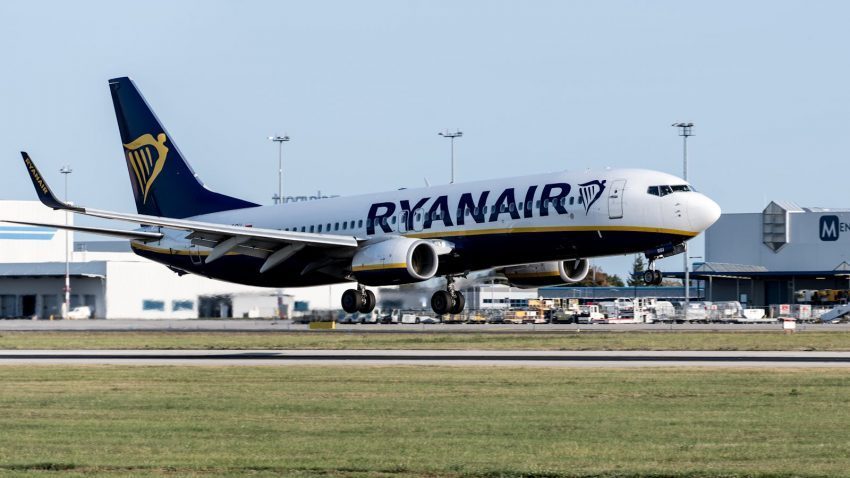
On most ultra-low-cost carriers (ULCCs) like Spirit, Frontier, Ryanair, or Allegiant, the base fare is basically a fee for the right to be transported from A to B
—nothing more. Everything else is unbundled and sold back to you as budget airline extra charges:
- Carry-on bag (yes, even the overhead bin)
- Checked bag
- Seat selection (including sitting with your kids)
- Airport check-in or printed boarding pass on some carriers
- Water, snacks, coffee
- Agent assistance at the airport or call center
Meanwhile, legacy airlines usually include at least:
- A personal item and a carry-on
- Basic customer service at the airport
- Soft drinks and a small snack on many routes
Here’s the kicker: for some budget airlines, the fees are worth more than the ticket itself. Spirit’s 2024 numbers show roughly $45 in base fare but over $63 in non-ticket revenue per passenger segment. In other words, the airline expects to make more from your add-ons than from the fare you clicked on.
If you only travel with a small personal item and don’t care where you sit, you can beat the system. But be honest with yourself: is that how you actually travel? This is where the hidden costs of cheap flights start to creep in.
2. Baggage Math: When “Free Carry-On” Beats a Cheap Fare
This is where budget flights most often lose their price advantage.
Imagine you’re flying a route like Atlanta–Chicago. You see:
- Frontier: $28 base fare
- Spirit: $48 base fare
- Legacy airline (Delta/United/American): around $79 basic economy
At first glance, the budget options look unbeatable. But now add what you actually need:
- Carry-on bag on Frontier or Spirit: often $40–$60 each way if you don’t prepay early
- Seat selection (if you care where you sit): another $10–$30 each way
Suddenly your “$28” flight is realistically more like $90–$120 all-in. Meanwhile, that $79 legacy fare already includes a carry-on and often better schedule options and loyalty benefits. When you compare cheap flights with luggage cost against a legacy ticket, the “deal” can flip fast.
On top of that, baggage fee information for budget airlines is often hard to find until late in the booking process. That’s not an accident. It makes it harder for you to compare the real cost of budget airline tickets against a legacy carrier.
How I compare fares now:
- Step 1: Filter flights by nonstop vs. 1-stop (time is money).
- Step 2: For each airline, I manually add:
- Carry-on cost (if not included)
- Checked bag cost (if I need it)
- Seat selection cost (if I care where I sit)
- Step 3: I compare the total trip cost budget vs legacy airline, not the headline fare.
More often than you’d think, the legacy airline wins once you factor in budget airline baggage and seat fees.

3. Secondary Airports: The Hidden Taxi You Didn’t Budget For
Budget airlines love secondary airports. They’re cheaper to operate from and less congested, which helps them turn planes around quickly. That’s great for the airline. For you? It depends.
Here are some common examples:
- London: Stansted or Luton instead of Heathrow
- Paris: Beauvais instead of Charles de Gaulle or Orly
- Chicago: Rockford instead of O’Hare or Midway
These airports can be far from the city center. That means:
- Longer, more expensive transfers (buses, trains, taxis, rideshares)
- Late-night arrivals where public transport is limited, forcing you into a pricey taxi or even a hotel
- More time lost in transit, which matters if you’re on a short trip
So that €20 ticket to “Paris” might require a €20–€40 bus ride each way from Beauvais. Suddenly your “cheap” flight just doubled in cost—and you’ve lost a few hours of your trip. Another classic example of budget airline hidden fees that don’t show up on the booking page.
Legacy airlines usually fly into the main airports, closer to where you actually want to be. When I compare budget airlines vs legacy carriers now, I always ask:
- What will it cost me in time and money to get from this airport to my hotel?
- Will I arrive so late that I’ll need a taxi or an extra night of accommodation?
Sometimes the answer makes the legacy carrier the cheaper option overall, even if the ticket itself costs more.
4. Comfort, Space, and “Optional” Upgrades That Don’t Feel Optional
Budget airlines squeeze more seats into the same aircraft. That’s how they keep fares low. But it also means:
- Seat pitch around 28–29 inches vs. 31–32 inches on many legacy carriers
- Thinner padding, less recline, and tighter rows
- Middle seats everywhere if you don’t pay to choose
On a 1-hour hop, you might shrug this off. On a 4-hour flight, it starts to matter. On a 6-hour red-eye, it can be miserable.
Here’s the subtle trap: the discomfort nudges you to pay for “optional” extras:
- Extra-legroom seats
- Seats together as a family or couple
- Priority boarding so you can actually find overhead bin space
By the time you’ve upgraded your seat and added a bag, you’re often in legacy-airline territory on price—but still flying a no-frills product. This is another way the real cost of budget airline tickets creeps up on you.
Ask yourself before you book:
- How long is this flight, really?
- Will I end up paying for extra legroom or a better seat once I imagine that flight in real life?
- Would I rather pay a bit more for a more comfortable airline from the start?
For short, simple trips, budget carriers can still be a great deal. For longer flights or if you’re tall, older, traveling with kids, or have back issues, the “cheap” option can become the most expensive once you start buying comfort back.
5. Disruptions, Customer Service, and the Cost of Risk
This is the part most people ignore until something goes wrong.
Budget airlines run lean operations:
- Fewer backup planes
- Thinner schedules on each route
- Limited interline agreements with other airlines
So when a flight is delayed or canceled due to weather or a mechanical issue, they often have fewer options to rebook you. You might be stuck until the next day—or longer—especially on less frequent routes.
On top of that, customer service is often:
- Online-only or via chat/email
- Slow to respond during disruptions
- Strict about rules and fees, even when you’re already stressed
Legacy airlines aren’t perfect, but they usually have:
- More flights per day on major routes
- More staff at the airport to help rebook you
- Better protection if you’re on a through-ticket with connections
Here’s the uncomfortable truth: risk has a price. If a canceled flight means you miss a cruise departure, a wedding, or an important meeting, that “cheap” ticket can become the most expensive decision of your trip.
When I’m flying to something time-sensitive, I almost always choose a legacy carrier or at least a more reliable low-cost airline with a solid schedule. The extra $40–$80 is basically an insurance policy—and part of the low cost carrier fee breakdown I consider before booking.
6. Food, Water, and the Nickel-and-Dime Effect
On many budget airlines, nothing is free onboard—not even water. That might sound minor, but on a long flight or with a family, it adds up fast.
Typical onboard prices on budget carriers:
- Water: $3–$5
- Soft drinks: $3–$5
- Snacks: $4–$8
- Simple meal or sandwich: $8–$15
Multiply that by a round trip and a couple of people, and you’re suddenly spending $40–$80 just to not be hungry or thirsty. On many legacy airlines, you’ll at least get free soft drinks and a small snack, and sometimes more on longer routes.
My rule now is simple:
- Always bring a refillable water bottle and fill it after security.
- Pack snacks or a light meal, especially for flights over 2–3 hours.
- Assume the onboard menu is a backup, not your main plan.
It’s not just about money. It’s about control. When you rely on the airline for basics like water and food, you’re at the mercy of their prices and stock. Another small but real part of the hidden costs of cheap flights.

7. When Budget Airlines Are Worth It (and When Legacy Wins)
After all this, you might think I’m anti-budget-airline. I’m not. I just think you should use them strategically, not blindly.
Budget airlines can be a great deal if:
- You can travel with only a personal item (no carry-on, no checked bag).
- You don’t care where you sit and are fine with a middle seat.
- You’re flying a short, simple route with no tight connections.
- You’re flexible if things go wrong and can afford delays or cancellations.
- You’ve read the fine print and know the baggage and check-in rules cold.
Legacy airlines (or higher-tier low-cost carriers like JetBlue or Southwest) usually win when:
- You need a carry-on and/or checked bag.
- You care about seat selection or traveling together as a family.
- You’re flying longer routes where comfort matters.
- You’re heading to a time-sensitive event (wedding, cruise, business trip).
- You value main airports, better schedules, and more rebooking options.
Think of it this way: budget airlines are like bare-bones hostel beds. Perfect for some trips, terrible for others. Legacy airlines are more like mid-range hotels: not always exciting, but often the best value once you factor in everything you actually use.
When you compare budget airlines and full service airlines with your own travel style in mind, the picture gets much clearer.

8. A Simple Checklist Before You Click “Book”
Before you lock in that “amazing” fare, run through this quick checklist. It’s how I avoid the most common cheap flight booking mistakes and see the true cost of low cost airlines upfront.
- Airport: Which airport does each airline use? How much will it cost and how long will it take to get to/from there?
- Bags: How many bags do you realistically need? What will each airline charge you for them?
- Seat: Do you care where you sit or who you sit with? What’s the seat selection cost?
- Flight length: Is this a 1-hour hop or a 5-hour slog? Will you end up paying for extra legroom?
- Schedule & risk: How many flights per day does this airline run on this route? What happens if your flight is canceled?
- Onboard costs: Will you need to buy food and drinks? How much will that realistically be?
- Total price: Add it all up for each airline. Which one is truly cheaper—and which one offers better value?
If the final price of the budget airline is within 10–20% of a legacy carrier, I usually choose the legacy option. The extra reliability, comfort, and fewer surprises are worth far more than that small difference.
In the end, the question isn’t What’s the cheapest ticket?
It’s What’s the smartest way for me to fly on this trip?
Once you start thinking that way, the “cheap” option often looks very different—and those cheap flights more expensive than legacy suddenly make a lot more sense.