
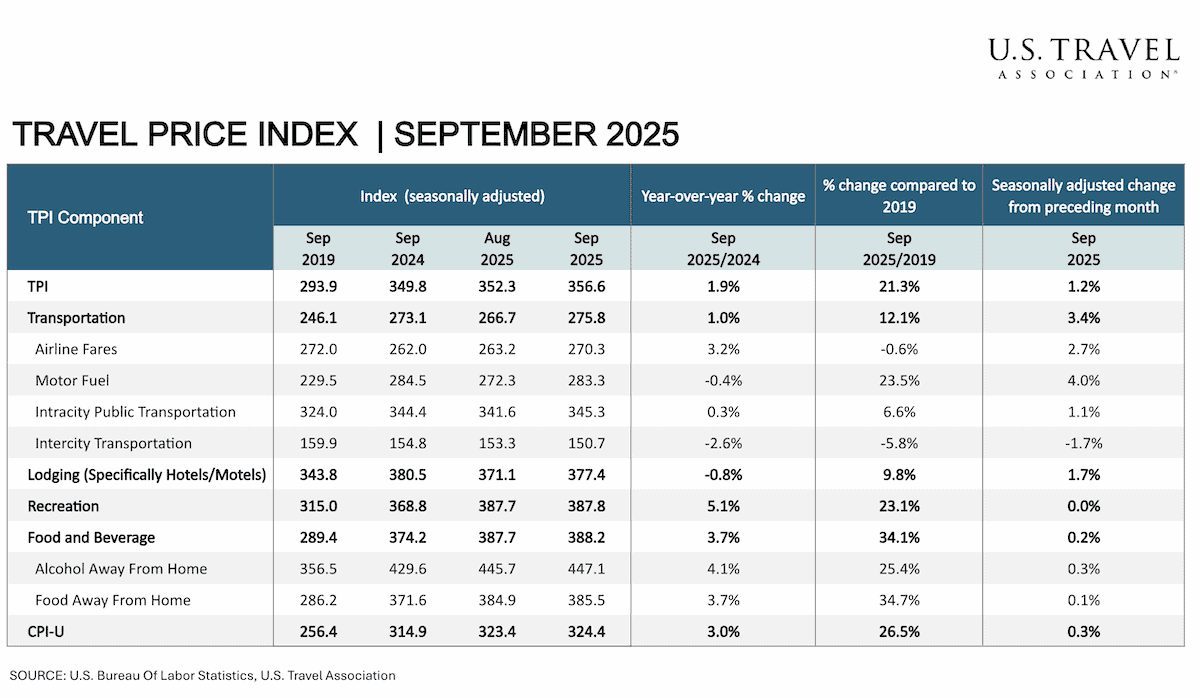
I don’t trust static trip budgets anymore. Prices move. Plans change. Airlines play games. If you build a rigid budget, the market will break it.
So instead of asking, How much will this trip cost?
I now ask, What’s the realistic range this trip could cost—and can I live with that?
This guide is about building that kind of flexible trip budget. One that expects flights, hotels, and activities to swing in price—and still holds together when the numbers shift.
1. Start With a Range, Not a Number
Most people start with a single number: I want to spend $2,000.
That’s how you get blindsided when flight or hotel prices jump.
Instead, think in ranges. I like a simple three-part structure for any vacation budget with variable prices:
- Floor: The
if everything goes right
cost (cheap flights, basic hotel, minimal extras). - Target: The realistic middle, based on current prices and your usual travel style.
- Ceiling: The
do not cross this
number, including a buffer for surprises.
Here’s an easy way to set it:
- Pick your target (say $2,000).
- Set your floor at about 70–80% of that (e.g., $1,400–$1,600).
- Set your ceiling at 115–130% (e.g., $2,300–$2,600).
Then plug that into a basic formula (adapted from tools like the Travel Budget Calculator):
Total Trip Cost ≈ (Flights + Long-distance transport) + (Accommodation) + (Misc fixed costs) + (Daily spending × Number of days)
Now you’re not asking, Can I do this trip for exactly $2,000?
You’re asking, Can I handle it if it lands anywhere between $1,600 and $2,400?
That’s a very different—and much more honest—conversation about how to budget for uncertain travel costs.
2. Taming Flight Price Swings Without Losing Your Mind
Flights are usually the wildest line item. They move fast, and they move for reasons that often make no sense from the outside.
So I treat flights as a probability problem, not a guessing game. That mindset makes budgeting for fluctuating flight prices a lot less stressful.
Build a flight price band
For your route and dates, define three numbers—a simple flight price band:
- Great price:
Book immediately
territory. - Acceptable price: You’d be fine paying this.
- Walk-away price: Above this, you change dates, routes, or destinations.
Tools like Going’s flight strategies and Google Flights help you see the typical range. You can also use AI-based predictors like AirTrackBot, which looks at:
- Days until departure
- Current price vs. typical range for that route
- Seasonality and demand
It then gives you a buy
or wait
recommendation with a confidence score. I don’t treat that as gospel—but it’s a useful sanity check when you’re building a dynamic travel budgeting strategy.
Decide your booking window
For most economy trips, I personally aim to book:
- Domestic: ~1–3 months out.
- International: ~2–5 months out.
Inside that window, I track prices and set simple rules like:
If I see my great price or better, I book immediately.
If we’re 3–4 weeks from departure and still above my acceptable price, I either adjust dates or rethink the trip.
This keeps you from doom-scrolling flight prices every day and gives your travel budget a clear plan for price fluctuations.
Budgeting for flight uncertainty
In your flexible trip budget, don’t just plug in one flight number. Use a band:
- Floor: Great price you’d be thrilled to get.
- Target: The price you see most often in your searches.
- Ceiling: Your walk-away price.
Then ask yourself: If flights land at my ceiling, what will I cut or change?
Maybe you shorten the trip, downgrade a few hotel nights, or trim activities. That’s how you keep the total trip inside your overall range instead of letting flight volatility wreck the whole plan.
3. Hotels: Lock Some, Float Some
Hotel prices are sneaky. They don’t just move with demand; they move with events, conventions, and random spikes you only notice when it’s too late.
To handle hotel price changes, I split accommodation into two buckets:
- Anchor nights: Nights I lock in early at a solid price (often with free cancellation).
- Flexible nights: Nights I’m willing to move, downgrade, or relocate if prices go crazy.
For example, in a 10-night trip:
- Book 4–6 nights early in a reliable, mid-range place with free cancellation.
- Leave 4–6 nights open to adjust based on how flights and other costs shake out.
When you use a budget calculator like the one on TravelClosely, play with:
- Trip length
- Hotel category (budget vs. mid-range vs. splurge)
- Number of travelers
Watch how much the total moves. That’s your lever. If flights come in high, you already know how many hotel nights you can downgrade or shorten to stay inside your ceiling. This is where comparing flexible vs fixed travel bookings really pays off.
One more trick: always budget for taxes, resort fees, and city tourist taxes. They’re often hidden until the last step of booking, but they’re real money—and a common travel budget mistake when prices are already shifting.
4. Activities: Build a Core Plan and a Wish List
Activities are where budgets quietly explode. Tours, day trips, museum passes, last-minute once in a lifetime
experiences—these add up faster than most people expect.
To keep activity cost estimates under control, I split them into two lists:
- Non-negotiables: The 2–5 things that will make or break the trip for you.
- Nice-to-haves: Everything else that would be fun, but not essential.
Then I do this:
- Price out the non-negotiables in detail (tickets, transport, gear rental, tips).
- Give the nice-to-haves a realistic daily or per-activity estimate.
- Add a discretionary pot for spontaneous stuff (souvenirs, extra meals out, random tours).
Articles like the AAA guide to overlooked travel expenses are a good reminder: local transport, tips, and just one more drink
can quietly wreck your plan if you don’t give them their own line.
In your flexible trip budget, activities should look like this:
- Core activities: Fully funded at realistic prices.
- Optional activities: Funded only if flights and hotels come in under target.
- Discretionary daily spend: A fixed amount you can cut by 20–30% if other costs spike.
This way, when travel costs move around, you’re not cancelling the whole trip—you’re just reshuffling the nice-to-haves.

5. Inflation, Exchange Rates, and the Destination Switch
Sometimes the problem isn’t your budget. It’s the destination.
Travel inflation has pushed some cities into this just isn’t worth it
territory. Instead of forcing the trip to fit your old numbers, you can change the game and plan around travel cost uncertainty from the start.
From resources like Frayed Passport, a few levers stand out:
- Pick inherently cheaper destinations: Smaller cities, national parks, or lower-cost countries (think Peru, Turkey, Costa Rica, Croatia) instead of the usual high-cost hubs.
- Let deals choose your destination: Use tools like Google Flights Explore or deal alerts and ask,
Where is cheap from my home airport in my travel window?
- Watch exchange rates: A strong home currency can make some destinations effectively
on sale
without any official discount.
In a flexible budget, destination is not sacred. If your flight + hotel band for City A keeps hitting your ceiling, give yourself permission to pivot to City B where the same budget buys more comfort and more experiences.
6. Hidden and Unexpected Costs: Price in the Annoying Stuff
The fastest way to blow a budget is to pretend the annoying stuff doesn’t exist.
From multiple sources (TripJive, Seeking Stamps, AAA, and others), the same culprits show up over and over:
- Baggage and overweight fees
- Passport and visa costs
- Vaccinations and travel clinic visits
- Roaming charges and data
- City taxes, resort fees, and service charges
- Local transport (taxis, rideshares, metro passes)
- Medical emergencies and minor mishaps
Here’s how I handle them in a flexible trip budget and contingency plan:
- Contingency line: Add at least 10–15% of your total trip cost as a
surprise fund
. This is not optional; it’s part of the budget. - Separate emergency fund: Money you can access if something truly serious happens (medical, major disruption). This sits outside the trip budget.
- Insurance check: I don’t just buy travel insurance blindly. I read what my credit cards and existing health insurance already cover, then fill the gaps.
The goal isn’t to predict every bad thing. It’s to accept that some will happen and make sure they don’t turn a good trip into a financial mess.

7. Daily Tracking and Mid-Trip Course Corrections
A flexible budget is useless if you never look at it again after booking.
Once I’m on the road, I keep it simple:
- Set a daily spend target (meals, local transport, small activities, extras).
- Track spending in a basic app or spreadsheet—nothing fancy, just categories and totals.
- Every 2–3 days, compare actual vs. target and adjust.
If I’m running hot early in the trip, I don’t panic. I ask:
Can I swap a couple of restaurant dinners for supermarket meals?
Can I replace one paid tour with a self-guided day?
Is there a cheaper transport option for the next leg?
Small corrections early are much easier than big sacrifices at the end. This is where a flexible trip budget really proves its value.
8. Putting It All Together: Your Flexible Trip Blueprint
If you want a simple way to apply all this, here’s a quick blueprint you can adapt for any trip with uncertain costs:
- Set your range: Floor, target, and ceiling for the whole trip. Decide how much extra to add to your travel budget as a buffer.
- Price flights as a band: Great, acceptable, and walk-away prices. Decide your booking window and rules so flight swings don’t catch you off guard.
- Split hotels: Anchor nights (booked early, cancellable) + flexible nights (adjustable based on how flights and other big costs price out).
- Define activities: Non-negotiables fully funded; nice-to-haves funded only if you come in under target elsewhere.
- Add the annoying stuff: Baggage, visas, insurance, local transport, and a 10–15% contingency fund for travel surprises.
- Track and adjust: Daily or every few days, make small course corrections instead of big last-minute cuts.
The point isn’t to predict every dollar. It’s to build a budget that expects uncertainty—and still lets you enjoy the trip without constantly doing math in your head.
If you find yourself thinking, What if prices jump?
you’re asking the right question. A flexible, dynamic travel budgeting strategy doesn’t fear that question. It answers it in advance and gives you room to breathe when the numbers move.