

I love a good deal. I track flight prices, stack promo codes, and I’ve booked more than a few “too good to be true” hotel rooms over the years. But after enough trips, one thing became painfully clear:
The cheapest room on the screen is often the most expensive choice in real life.
Not because the rate is wrong, but because of everything wrapped around it: hidden fees, bad locations, extra transport, stress, lost sleep, and sometimes safety worries. This guide breaks down the true cost of budget accommodation so you can see when a cheap hotel is a win—and when it quietly drains your whole trip budget.
1. The Illusion of a Bargain: When the Nightly Rate Lies
Most of us filter by price, spot a low number, and feel like we’ve scored. But that number is often only half the story.
Hotels and booking platforms know exactly how to make a room look cheaper than it really is. They strip out fees, taxes, and extras until the final step of booking. By the time you see the full amount, you’re already attached to that “deal.”
Here’s what often gets added after you fall in love with the price:
- Resort or “facility” fees – sometimes $20–$50+ per night for things you may barely touch: pool, “business center”, gym, Wi‑Fi.
- Service and cleaning fees – especially on vacation rentals, these can cost more than a night’s stay.
- Local taxes and tourist levies – city taxes, environmental fees, “tourist contributions” that appear at checkout or even on arrival.
One estimate cited in research on hidden travel fees suggests travelers lose hundreds of dollars a year to surprise charges. That’s not a rounding error. That’s a weekend away.
This is where the hidden cost of cheap hotels really starts: the rate looks low, but the final bill tells a different story.
How to protect yourself:
- On OTAs and rental sites, always click through to the
total price
orprice breakdown
before you get attached. - Compare the total cost per night, not just the base rate.
- Watch for resort fees in city hotels where you’ll barely use the amenities.
Ask yourself: Would I still book this if the full price was shown upfront? If the answer is no, it’s not a real bargain—it’s a classic cheap accommodation mistake.
2. Cheap Room, Expensive Location: The Transport Trap
Here’s a move I’ve pulled more than once: I book the cheapest hotel on the edge of town, feel smug for saving $30 a night… and then spend $20 a day on taxis plus an hour commuting back and forth.
That “cheap” stay just got expensive.
Ultra-budget hotels often sit in one of three places:
- Far from the center – cheaper land, fewer tourists, more commuting.
- In gritty or awkward neighborhoods – not always unsafe, but uncomfortable to walk around at night.
- On highways or industrial strips – fine for a road trip stop, terrible for sightseeing.
This is one of the biggest cheap hotel location trade offs. You save on the room, then quietly pay it back in time, comfort, and transport. A room that’s $15 cheaper but requires $10–$20 daily in buses, trains, or rideshares isn’t a deal. It’s a bad cheap hotel vs mid range cost comparison.
Questions I now ask before booking a “cheap” place:
- How far is it (in minutes, not kilometers) from where I’ll actually spend my time?
- What does a typical ride cost at night? Is there reliable public transport?
- Would I feel okay walking back here after dinner?
Sometimes the smarter move is a slightly more expensive hotel in a great location that lets you walk almost everywhere. You save money on extra transport costs from cheap hotels, but you also save something harder to price: your energy and your time.
3. When “Budget” Means Stress: Cleanliness, Sleep, and Safety
There’s a big difference between simple
and stressful
.
I’m perfectly happy with a basic room: no designer furniture, no infinity pool, no pillow menu. But I’m not okay with:
- Dirty sheets or bathrooms
- Broken locks or flimsy doors
- Nonexistent fire safety
- Noise so bad you don’t sleep
Traveler stories from budget stays around the world are brutally honest: some $30 rooms are spotless and friendly; others are health hazards. The price doesn’t tell you which one you’re getting. Recent reviews do.
Here’s the hidden cost: a bad night’s sleep or feeling unsafe doesn’t just ruin that night. It bleeds into your whole trip. You’re tired, irritable, less productive if you’re working, and less present if you’re traveling for fun. That’s the part most cheap accommodation cost breakdowns never show.
My personal non‑negotiables, even on a tight budget:
- Cleanliness – multiple recent reviews mentioning
clean
,spotless
, orwell maintained
. - Basic safety – solid door, working lock, and at least a sense that the building isn’t falling apart.
- Noise level – I scan reviews for
loud
,club next door
,thin walls
.
If a place fails on those, I move on, no matter how cheap it is. Saving $20 to feel anxious all night is not a smart trade.
4. OTA Deals vs Direct Booking: The Price You Don’t See
Online travel agencies (OTAs) like Booking.com, Expedia, and Priceline are incredibly useful. They show options, reviews, and sometimes wild discounts. But they also create a subtle trap: you start chasing the lowest number on their screen instead of the best value for your trip.
Behind the scenes, a few things are happening:
- OTAs often get wholesale or bulk rates and can undercut the hotel’s own site, especially last minute or off‑season.
- Those rock‑bottom deals are frequently nonrefundable, with strict change and cancellation rules.
- Hotels pay OTAs a commission, so they sometimes reserve better rooms and perks for guests who book direct.

Direct booking, on the other hand, can quietly win even when the rate looks similar. Many hotels will:
- Match OTA prices if you ask
- Add perks: breakfast, late checkout, better room location
- Offer more flexible cancellation and clearer support if something goes wrong
Some budget and mid‑range hotels also admit (not publicly, of course) that OTA bookings sometimes get the worst
rooms: noisy floors, awkward layouts, older furniture. Direct guests get first pick.
How I handle this now:
- Use OTAs to research and compare.
- Check the hotel’s own site for direct-booking perks and flexible policies.
- If the OTA is cheaper, I’ll sometimes email or call the hotel:
I see this rate online; can you match it if I book direct?
Often, the answer is yes. And suddenly the “more expensive” direct rate becomes the better deal once you factor in breakfast, points, flexibility, and a better room. It’s another example of how cheap accommodation mistakes show up when you only look at the headline price.
5. Last‑Minute “Steals” and Dynamic Pricing: When Waiting Backfires
There’s a tempting idea in travel: If I wait until the last minute, prices will drop.
Sometimes that works. Sometimes it blows up your plans.
Hotels now use dynamic pricing software that constantly adjusts rates based on demand, occupancy, competitor prices, and local events. As check‑in gets closer, prices don’t just go down. They get volatile.
Research on last‑minute hotel deals shows:
- Same‑day bookings can be 15–30% cheaper in big cities, especially on weekdays.
- Apps like HotelTonight and some OTAs specialize in these last‑second discounts.
- But during holidays, major events, or in small towns with limited rooms, prices can spike or sell out entirely.
So yes, you can score a bargain by waiting. But you’re not just gambling with money. You’re gambling with certainty. If you’re traveling with kids, on a tight schedule, or to a place with few hotels, that’s a risky bet.
When I’m willing to wait:
- Big city, lots of hotel inventory
- Weeknight stays
- I’m flexible about neighborhood and hotel type
When I book early and lock it in:
- Small towns or islands
- Peak season, festivals, or major events
- Trips where I absolutely need a specific location or type of room
The hidden cost of chasing last‑minute deals is stress and uncertainty. Sometimes it’s worth it. Sometimes it’s not. Be honest about your risk tolerance, not just your budget.
6. Budget vs “Cheap”: What You Really Get for Your Money
Not all low‑priced hotels are the same. There’s a big difference between a good budget hotel and a bad cheap hotel.
Good budget hotels are intentional. They cut the right corners:
- Simple rooms, but clean and functional
- Free Wi‑Fi, maybe a basic breakfast
- Efficient, often tech‑driven check‑in
- Decent mattresses, decent showers, nothing fancy
Some newer budget brands even add small luxuries—better coffee, smart TVs, small pools—without blowing up the price. They know that service quality and a good night’s sleep matter more than marble lobbies.
Bad cheap hotels, on the other hand, cut the wrong corners:
- Underpaid or absent staff
- Inconsistent housekeeping
- Deferred maintenance: broken fixtures, mold, leaks
- Zero investment in safety or comfort

The price might be similar, but the experience is not. And here’s the twist: sometimes a mid‑range or even luxury hotel, booked off‑peak or with a deal, ends up cheaper than a bad budget place once you factor in extras.
Think about what you actually value on this trip:
- Is this a quick overnight where you just need a bed?
- A special occasion where comfort matters?
- A work trip where sleep and Wi‑Fi are non‑negotiable?
Once you’re clear on that, you can choose a budget option that fits your needs instead of a cheap one that undermines your trip. That’s the real true cost of budget accommodation: not just money, but how it shapes your whole experience.
7. The Hidden Costs Around Your Room: Baggage, Banking, and Food
Even if you nail the hotel choice, there are other “cheap” decisions that quietly drain your budget and make cheap hotels cost more overall.
1. Baggage and airline extras
Budget airlines lure you in with low fares, then charge aggressively for bags, seat selection, and even printing boarding passes. If your “cheap” hotel is far from the airport or requires extra transfers, you might be tempted to bring more luggage… and pay for it.
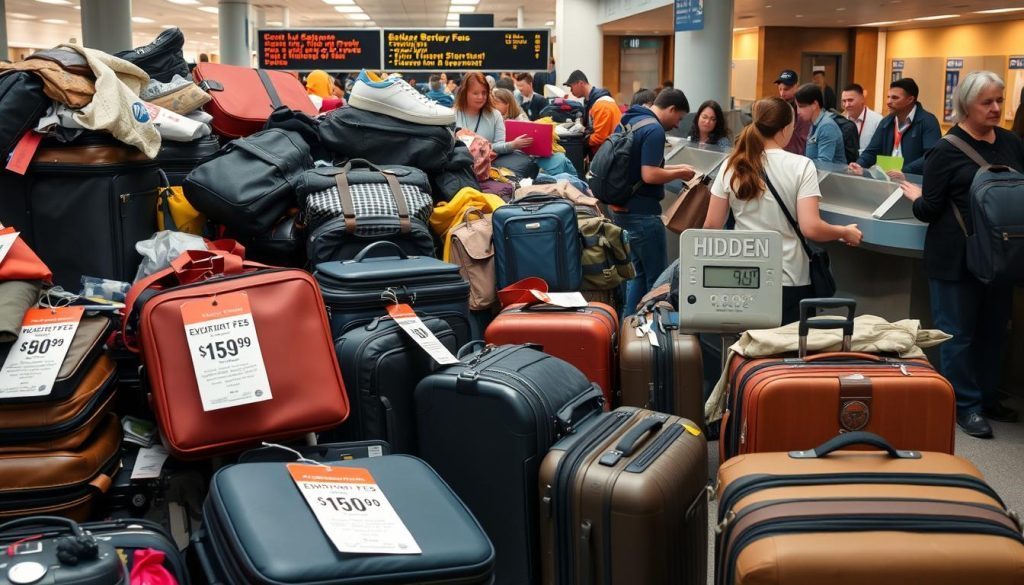
Read baggage policies carefully. Sometimes a slightly more expensive airline with a free checked bag is cheaper overall than a bare‑bones fare plus fees.
2. Banking and ATM fees
Using the nearest ATM because your hotel is in a touristy or isolated area can mean high withdrawal fees and bad exchange rates. Over a week, that adds up. Travel‑friendly cards and planning your cash withdrawals can save more than you think.
3. Food and convenience markups
A hotel in a tourist strip with only overpriced restaurants nearby can quietly wreck your budget. You end up paying extra for every meal because you’re too tired or too far to go elsewhere.
Sometimes a slightly pricier hotel near supermarkets, local eateries, or a metro line is the real budget choice. You spend less every day without thinking about it. This is where the cost of staying far from city center shows up in your food and daily spending, not just in your room rate.
8. How to Spot a “Fake” Deal in 5 Minutes
When I’m scanning options now, I run each “deal” through a quick filter. You can do the same and avoid the classic budget hotel pitfalls for travelers.
In five minutes, ask:
- What’s the total price?
Click through to the final step. Include taxes, fees, and resort charges. Compare that number, not the headline rate. This is where most budget hotel hidden fees show up. - Where is it, really?
Drop the pin on a map. How long to walk or ride to where you’ll spend your time? What does that transport cost per day? Think about how cheap hotels affect total trip budget, not just the room. - What do the last 10 reviews say?
Sort by most recent. Look for patterns: cleanliness, noise, staff attitude, safety. Ignore glossy photos; trust detailed reviews. - What’s the cancellation policy?
Is the cheap rate nonrefundable? How likely is your plan to change? What would a change actually cost you? - What’s the opportunity cost?
Will this place cost you sleep, time, or peace of mind? If you’re honest, is that worth the savings?
If a hotel passes those five checks, it’s probably a genuine bargain. If it fails one or more, the low price is just a distraction—and a good example of saving on hotels, spending more elsewhere.
The bottom line: A smart “budget” stay isn’t about paying the lowest possible rate. It’s about paying the right rate for a place that doesn’t quietly charge you in stress, time, and hidden extras. Once you look at the full picture, you’ll see that the best deals are rarely the ones that look cheapest at first glance.