
I’ve lost count of how many times I’ve heard someone say, We keep our business trips cheap.
Then we pull the numbers and the story falls apart.
On the surface, the flights and hotels look fine. But once you factor in fees, friction, and lost time, that “cheap” business trip often turns into one of the most expensive items in your travel budget.
Let’s walk through the business travel expense categories companies routinely underestimate or ignore, and how to control them without turning every trip into a race to the bottom. If you care about the hidden costs of business travel, this is where they hide.
1. The Illusion of a Cheap Ticket: Last-Minute & Flexibility Costs
Most teams obsess over the base fare. I don’t. I look at when the ticket was bought and how likely it is to change. That’s where the real corporate travel cost breakdown starts.
Here’s the pattern that shows up again and again:
- Trips are approved late, so flights are booked 3–5 days before departure.
- To “save money,” someone picks the cheapest, non-flexible fare.
- Plans change (because they always do), and the change fees + fare difference wipe out any savings.
According to several travel platforms, last-minute bookings and change penalties are among the biggest hidden costs of business travel. Tools like WorkTrips and GetGoing say the same thing: the headline fare is not the real cost.
When I review travel data, I ask two blunt questions:
- What’s our average booking lead time? If it’s under 14 days, you’re paying a premium.
- How often do we change or cancel trips? If it’s frequent, rigid tickets are a false economy.
That’s where a “cheap business trip” quietly becomes expensive.
What to do instead:
- Set a clear rule:
Book flights at least 14–21 days in advance unless there’s a documented exception.
- Use a travel tool that lets you filter by flexibility (refundable, changeable, penalty levels) and match the fare type to the trip’s risk of change.
- For high-volatility trips (sales pitches, executive travel), pay a bit more for flexibility and avoid massive change fees later.
The cheapest ticket on the screen is rarely the cheapest ticket in real life. That’s the first big business trip total cost analysis mistake.
2. Hotels: The Rate Is Just the Cover Charge
Hotel budgets are another place where we fool ourselves. We compare nightly rates and ignore everything that happens after check-in.
In practice, the real cost of a hotel stay often includes:
- Wi‑Fi charges (yes, still a thing in many business hotels)
- Parking fees that rival a car rental
- Breakfast that isn’t included, so people default to the hotel restaurant
- Room service, minibar, and laundry for longer stays
Platforms like ITILITE and others estimate that these add-ons can quietly add hundreds of dollars to a single stay. I’ve seen trips where the extras were 40–60% of the room cost. That’s a huge chunk of hidden corporate travel spend.

When I audit hotel spend, I don’t just ask, What’s our average nightly rate?
I ask:
- How many of our bookings include breakfast?
- What’s our average per-night spend on parking, Wi‑Fi, and food?
- Are we using our negotiated or corporate rates consistently?
Those answers tell you whether your business travel budgeting is grounded in reality or wishful thinking.
How to regain control:
- Prefer hotels that include Wi‑Fi + breakfast in the rate, even if the base price is slightly higher.
- Cap hotel category by city (e.g.,
Up to 4★, max $X per night
) and enforce it in your booking tool. - Spell out in your policy what’s reimbursable: parking yes/no, minibar no, room service only if late arrival, etc.
- Use a centralized platform so you can see all hotel charges on a single invoice instead of chasing receipts.
The room rate is just the cover charge. The real money is made (and lost) in the extras.
3. Ground Transport & Local Transfers: The Silent Budget Killer
Most travel budgets have neat lines for Flight
and Hotel
. Ground transport is usually a vague afterthought. That’s a mistake.
In some cities, I’ve seen taxis, ride-shares, tolls, and parking rival the cost of the flight. Especially when:
- Airports are far from the city center.
- Travelers arrive late at night and default to the most expensive option.
- No one knows whether to use taxis, ride-share, public transport, or pre-booked shuttles.

Articles like the one from Plus Travel Group point out that ground transport is one of the most underestimated categories. I agree. It’s also where a lot of small
off-policy behavior hides: premium cars, unnecessary solo rides, airport parking instead of trains.
These are classic overlooked business travel expenses. They rarely show up clearly in your business travel expense categories, but they quietly inflate every trip.
Questions I’d ask your team:
- Do we have preferred options per city (e.g., shuttle vs taxi vs metro)?
- Do we allow airport parking for multi-day trips, or should people use trains/ride-share?
- Are we paying surge pricing because people book rides last minute during peak hours?
Practical fixes:
- Include a short city-by-city transport guide in your travel policy: what to use, what to avoid, and typical costs.
- Encourage ride-sharing between colleagues when schedules align.
- Integrate ground transport into your travel platform so you see the full cost of the trip, not just the flight and hotel.
- For frequent routes, consider prepaid shuttles or negotiated rates with a local provider.
If you don’t track ground transport, you’re probably underestimating your travel spend by double digits.
4. Roaming, Wi‑Fi & Connectivity: The Invisible Utility Bill
We expect people to stay connected on the road. Then we act surprised when the phone and Wi‑Fi bills arrive.
Hidden connectivity costs typically show up as:
- International roaming charges on personal or company phones
- Day passes bought ad hoc at airports or on planes
- Hotel Wi‑Fi fees, especially for higher-speed tiers
- In-flight internet purchased trip by trip
Several sources, including WorkTrips and GetGoing, highlight roaming and connectivity as major hidden costs. I’ve seen companies spend thousands a year simply because no one bothered to negotiate a roaming package or define what’s allowed.
Ask yourself:
- Do we have a standard roaming plan for frequent travelers?
- Do we reimburse personal roaming by default, or only with pre-approval?
- Is in-flight Wi‑Fi considered essential or optional?
These questions belong in any serious business travel policy cost control discussion. Connectivity is no longer a nice-to-have.
How to stop the bleed:
- Negotiate corporate roaming packages or use eSIM/virtual SIM solutions for frequent destinations.
- Set clear rules: e.g.,
Use hotel/office Wi‑Fi where possible; roaming only when necessary.
- For heavy travelers, consider local SIMs or dedicated travel data plans instead of ad hoc roaming.
- Decide when in-flight Wi‑Fi is justified (e.g., long-haul flights with critical deadlines) and when it’s not.
Connectivity is no longer optional, but uncontrolled connectivity is expensive. Treat it like any other utility: planned, negotiated, and monitored.
5. Meals, Incidentals & the Comfort Creep
Most companies underestimate how much small
comforts add up. Priority boarding here, a lounge pass there, a couple of premium meals, a minibar raid after a long day. None of these look outrageous on a single receipt. Over a year, they’re huge.
Hidden in this category you’ll usually find:
- Unstructured meal spending (no per diem, no clear caps)
- Room service instead of nearby restaurants
- Snacks, drinks, and minibar items at hotel prices
- Tips, laundry, and random incidentals that never made it into the original budget
- Paid seat selection, priority boarding, and lounge access

Travel experts like Plus Travel Group and GetGoing both call out these comfort upgrades
as major budget leaks. They’re classic incidental expenses on business trips that don’t look dangerous individually but wreck your annual numbers.
I agree, but I’m not in the camp of make everyone suffer
. Miserable travelers don’t perform well.
So the real question is: Where is comfort a performance enabler, and where is it just indulgence?
Practical ways to draw the line:
- Use per-diem allowances or clear meal caps by city. This gives travelers freedom within a budget.
- Define when premium options are allowed: e.g.,
Priority boarding only on flights over X hours or when carrying critical equipment.
- Encourage simple habits: packing snacks, using hotel breakfast, avoiding minibars.
- Clarify what’s not reimbursable: alcohol limits, room service rules, personal entertainment.
Comfort isn’t the enemy. Unstructured comfort is.
6. Rogue Bookings, Manual Admin & the Cost of Chaos
Now for the category almost everyone underestimates: time and chaos.
When travel is unmanaged or loosely managed, this is what usually happens:
- Employees book on consumer sites, chasing points or perceived deals.
- They spend hours comparing options, then more hours filing manual expenses.
- Finance teams chase receipts, reconcile random invoices, and try to piece together the real cost weeks later.
Companies like TripSmart and Routespring have tried to quantify this. Their conclusion: unmanaged travel can burn 3–5 hours of employee time per trip, plus significant finance time. That’s not just annoying; it’s a real, measurable cost that rarely appears in any formal business travel expense categories.
On top of that, rogue bookings (outside approved channels) mean:
- You lose access to negotiated rates.
- You can’t see total spend in one place.
- You struggle with duty-of-care: you literally don’t know where people are.
This is where unmanaged business travel costs really show their teeth. The trip looks cheap, but the admin and risk costs say otherwise.
Questions worth asking:
- How many different sites do our people use to book travel?
- How long does it take, on average, to submit and approve expenses?
- Do we have real-time visibility into who is traveling, where, and at what cost?
How to fix the chaos:
- Adopt a centralized travel platform that enforces policy at booking time, not weeks later.
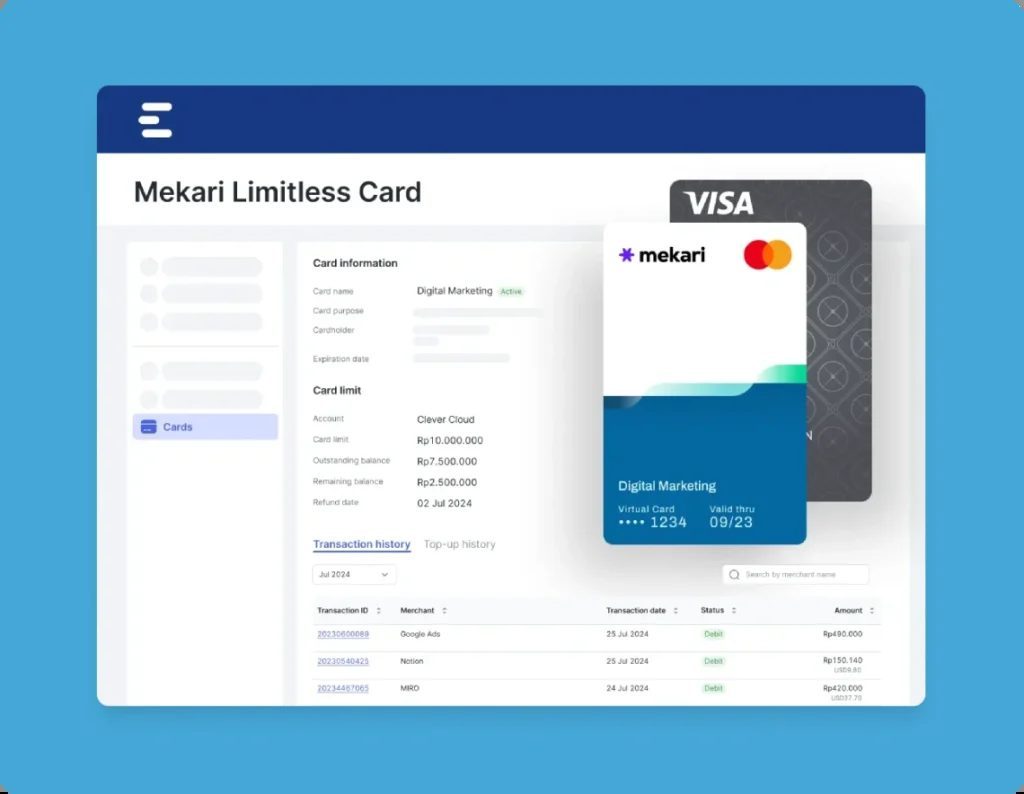
- Use corporate or virtual cards so expenses flow automatically into your system.
- Automate receipt capture (OCR) and approvals to cut down on manual work.
- Ban or strongly discourage off-platform bookings unless there’s a clear, documented exception.
Cheap flights booked in the most time-consuming way possible are not cheap. They’re just disguised as savings.
7. Policy, Data & Budgeting: The Real Lever Most Companies Ignore
Here’s the uncomfortable truth: most hidden costs exist because the company doesn’t have a clear, enforced, data-driven travel policy.
When I look at organizations that genuinely control travel costs without killing productivity, they tend to do three things well.
1. They’re specific, not vague
Instead of saying, Be reasonable with hotels,
they say:
Max $X per night in City A, $Y in City B.
Economy class for flights under 5 hours; premium economy allowed above that.
Per diem of $Z for meals; alcohol not reimbursed above one drink.
That level of detail turns fuzzy expectations into a practical business travel policy cost control tool.
2. They use data, not guesswork
Tools like those described by Mekari and others enable dynamic budgeting: using real prices and historical data to set realistic budgets per trip, per route, per city.
That means you can say, For a 3-day trip to London from our HQ, the typical cost is $X–$Y, including ground transport and meals.
Suddenly, everyone knows what “reasonable” looks like. It also makes it much easier to compare cheap vs managed business travel in a fair way.
3. They centralize and automate
They don’t rely on spreadsheets and email threads. They:
- Book through a single platform.
- Consolidate invoices (one invoice per trip or per month).
- Use automation to flag out-of-policy bookings in real time.
- Review travel data quarterly to adjust policies and vendor deals.
The takeaway: You don’t control what you don’t see. And you don’t see what you don’t centralize.
8. How to Audit Your Own Hidden Costs (In One Afternoon)
Want to know whether your cheap
business trips are actually cheap? Here’s a simple exercise you can run in a single afternoon. It’s a quick, practical business trip total cost analysis.
Step 1: Pick 10–20 recent trips.
Ideally a mix of domestic and international, short and long.
Step 2: Rebuild the true cost of each trip.
- Flight (including change/cancellation fees)
- Hotel (room + Wi‑Fi + parking + food + laundry)
- Ground transport (taxis, ride-share, parking, trains)
- Connectivity (roaming, Wi‑Fi, in-flight internet)
- Meals & incidentals (tips, snacks, lounges, seat fees)
- Admin time (estimate hours spent booking + expensing × hourly salary)
Put it all together. That’s the real corporate travel cost breakdown, not just the flight and hotel.
Step 3: Compare the budgeted
vs actual
cost.
Where are the gaps? Last-minute bookings? Ground transport? Meals? Change fees? Admin time? This is where you’ll see your biggest business travel budgeting mistakes.
Step 4: Turn findings into 3–5 policy changes.
- Maybe you need a 14-day advance booking rule.
- Maybe you need per diems instead of open-ended meal reimbursements.
- Maybe you need a roaming package and a single booking platform.
Do this honestly and you’ll probably discover that your cheap
trips are anything but. The good news? Once you see where the money is really going, it becomes much easier to fix and to decide how to reduce business travel costs without hurting performance.
In the end, the goal isn’t to spend as little as possible. It’s to spend deliberately: on the parts of the trip that actually drive results, and not on the hidden, unexamined costs that quietly drain your budget.