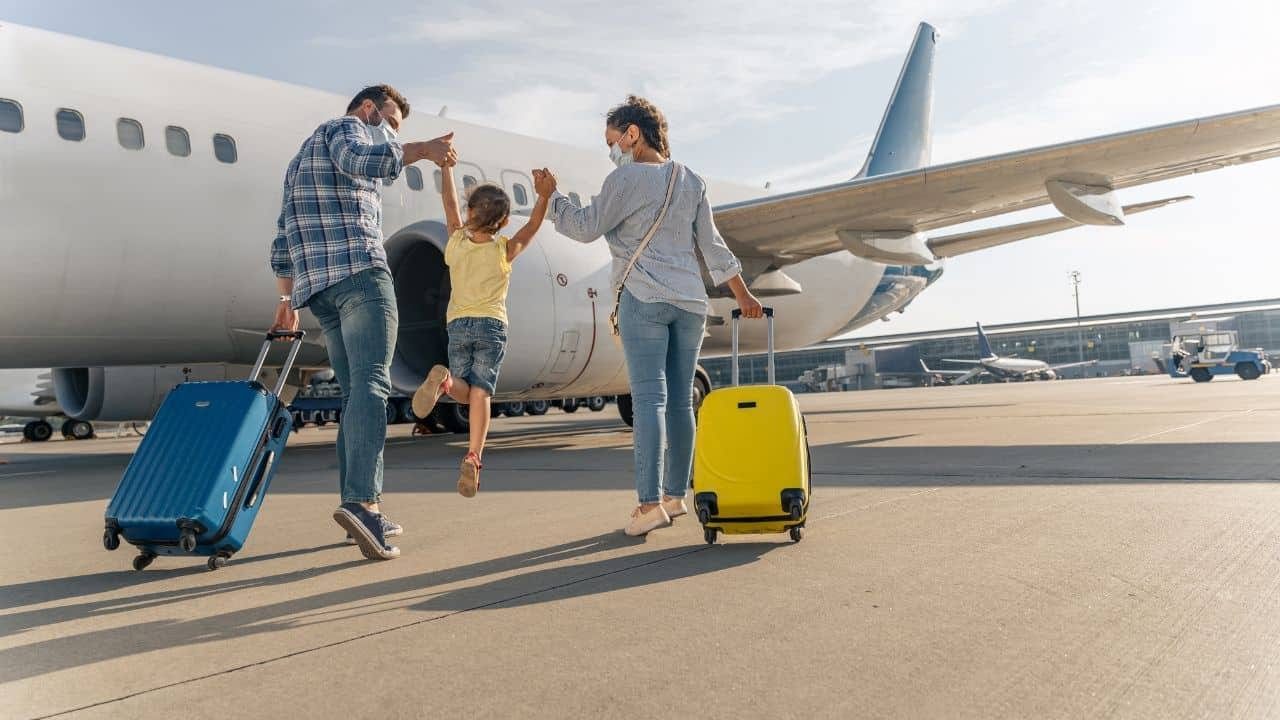
I love a good flight deal. But after years of chasing “$39 fares” and “flash sales,” I’ve learned something uncomfortable: that cheap ticket you’re celebrating can quietly double in price by the time you actually board the plane.
The issue isn’t only airlines being greedy. It’s how they’ve redesigned pricing. The base fare is now a teaser. Everything that used to be included – bags, seats, even printing a boarding pass – is sliced off and sold back to you in tiny, easy-to-miss fees.
Once you add baggage and seat selection charges, airport transfers, and a few onboard extras, the hidden costs of cheap flights can turn a bargain into a budget disaster.
In this guide, I’ll walk you through the biggest traps I see travelers fall into, how they really work, and the exact moves I use to keep my “cheap” flights actually cheap.
1. The Baggage Trap: When Your Suitcase Costs More Than Your Seat
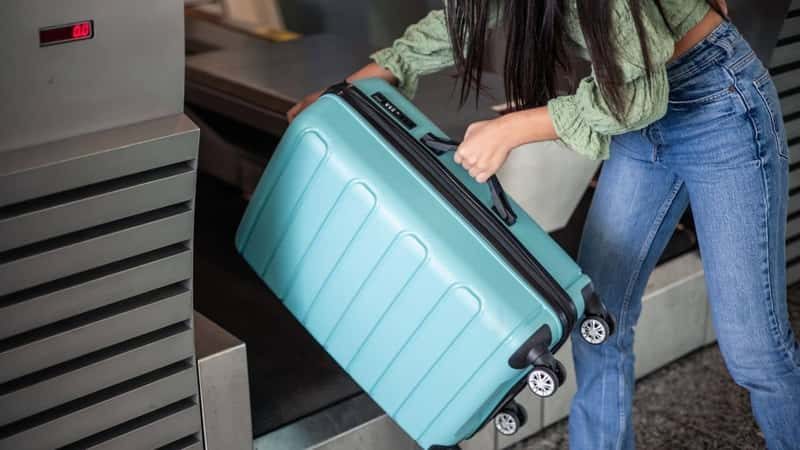
Let’s start with the fee that ruins more budgets than any other: baggage. Airlines know you can’t just leave your stuff at home, so they quietly weaponize that fact.
Here’s how it usually plays out:
- You see a $79 fare and book it.
- At check-in, you discover it’s $35–$50 for the first checked bag, each way.
- If your bag is overweight, that can jump another $75–$100 per bag.
- On some low-cost carriers, even a standard carry-on costs $35–$65.
Suddenly, your $79 flight is quietly pushing $200+ once you add bags for a round trip. Multiply that by a family of four and you’re in “we could have flown a full-service airline” territory.
The cheapest ticket is often the most expensive once your luggage shows up.
So how do you avoid those surprise baggage fees on budget airlines?
Here’s what I do:
- Start with the bag rules, not the fare. Before I book, I check exactly what’s included. Some airlines (like Southwest, and sometimes Delta/JetBlue on certain fares) include checked bags. Once you add budget airline extra fees, a low-cost carrier can easily lose to a full-service airline.
- Weigh and measure at home. I use a cheap luggage scale and a tape measure. Overweight fees are pure profit for airlines – and pure pain for you.
- Carry-on only when it makes sense. I use compression cubes and wear my heaviest shoes and jacket on the plane. But I always check if the airline charges for carry-ons; some only allow a small personal item for free.
- Leverage cards and status. Co-branded airline credit cards and some travel cards include a free checked bag. If you fly a carrier often, this can cover the annual fee quickly.
The key question I ask myself: “What will this trip realistically cost once I add the bags I actually need?” If that number looks ugly, I rethink the airline or the fare type.
2. Seat Selection: Are You Paying Just to Not Be Miserable?
Seat selection used to be simple: you booked a ticket, you picked a seat. Now it’s a menu of micro-upgrades: window, aisle, extra legroom, closer to the front, “preferred” rows, family seating. Each one has a price tag.
On many airlines, even a basic aisle or window can cost $10–$50 each way. Extra-legroom seats can hit $100+ on long-haul flights. For a family, that’s serious money.
Here’s the uncomfortable truth: you’re often paying just to avoid a middle seat or to sit with your kids.
But you don’t always have to. Seat selection fees on cheap flights are one of the easiest airline add-on fees to dodge if you’re a bit flexible.
My personal strategy:
- Skip seat selection at booking. I almost never pay for seats upfront. I wait.
- Check in the second it opens. For many airlines, that’s 24 hours before departure. At that moment, a lot of previously “paid” seats quietly become free or cheaper.
- Use the app seat map. I keep checking the seat map in the airline app. Seats move around constantly as people change plans or get upgraded.
- Ask at the gate – politely. If I’m stuck in a bad seat, I ask the gate agent if there’s anything better. You’d be surprised how often they can help, especially if you’re solo or just trying to sit with a child.
If you absolutely must sit together as a family, treat seat fees as part of the real ticket price. But if you’re flexible, you can often avoid paying at all.
3. Airport & Booking Fees: The Charges You Don’t Notice Until It’s Too Late
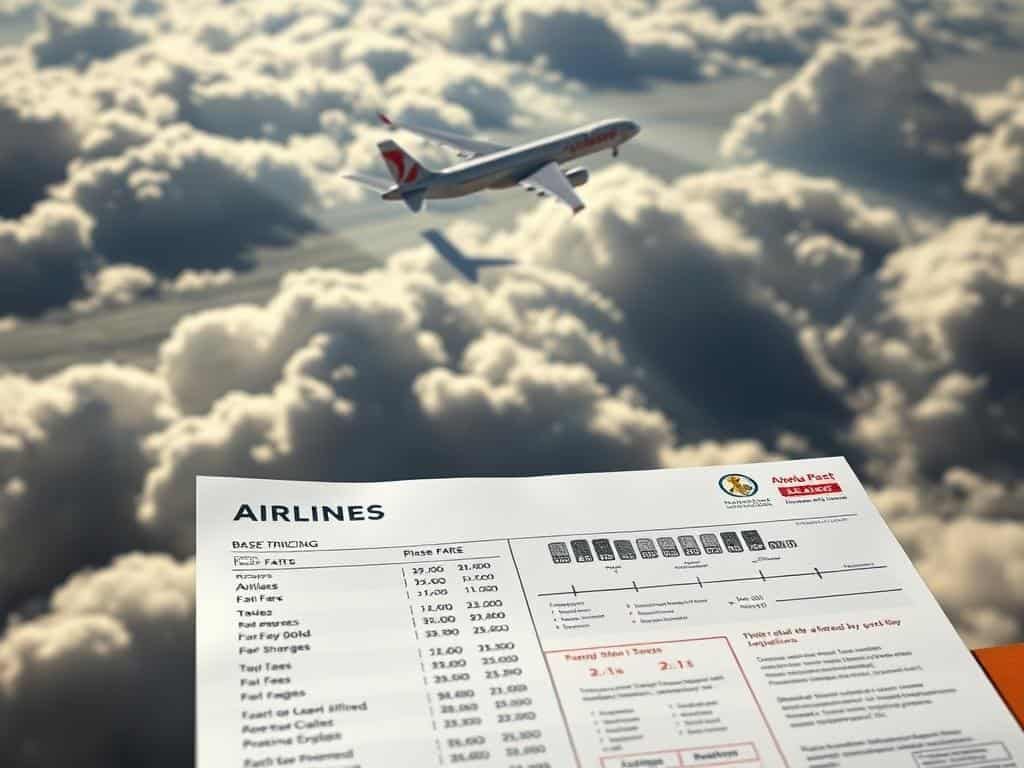
Some fees are obvious. Others are buried in the fine print or appear at the very last step of booking. These are the ones that quietly erode your “deal” and make the cheap flight true cost breakdown look very different from the headline fare.
Common culprits:
- Booking fees from third-party sites or for phone reservations.
- Check-in or boarding pass fees if you don’t check in online or show up without a printed/digital pass.
- Payment processing or “service” fees for certain cards or payment methods.
- Name change/correction fees that can be absurdly high for a simple typo.
Here’s how I protect myself from these low-cost carrier hidden fees:
- Book direct when possible. I compare prices on search engines, then book on the airline’s own site to avoid extra third-party fees and headaches if something goes wrong.
- Read the final price screen like a lawyer. I look for anything labeled “service fee,” “admin fee,” or “payment fee” before I click pay.
- Check in online, every time. Some low-cost carriers charge shocking amounts to check in at the airport or print a boarding pass for you.
- Triple-check names and dates before paying. Fixing a typo later can cost more than the ticket itself on some airlines.
My rule: If a fee doesn’t improve my trip, I refuse to pay it.
That mindset alone will save you a lot of money.
4. Food, Water & Onboard Extras: Death by a Thousand Small Purchases
On many budget and even legacy airlines, the days of free meals are gone. Now you’re looking at $8–$15 for a snack box, $3–$5 for water or soda, and even more for alcohol. Add headphones, pillows, blankets, Wi‑Fi, and you’ve got a mini shopping spree at 35,000 feet.
Individually, these don’t look scary. Together, they quietly wreck your budget – especially on long flights or with kids.

Here’s how I avoid that slow bleed:
- Bring my own food. Solid snacks are allowed through security. I pack things that don’t get crushed easily: nuts, protein bars, sandwiches, cut veggies.
- Carry an empty water bottle. I fill it after security at a fountain or cafe. Paying for water on a long flight is one of the most avoidable fees out there.
- Pack my own “comfort kit.” Headphones, charger, eye mask, light scarf. Buying these at the airport or onboard is almost always overpriced.
- Decide on Wi‑Fi in advance. If I really need it, I factor it into the ticket cost when comparing airlines. If I don’t, I commit to being offline and skip the impulse purchase.
Before I fly, I ask myself: “What will I be tempted to buy on board?” Then I pack for that. A few minutes of planning at home can save a surprising amount in the air.
5. Change, Cancellation & Currency: The Fine Print That Can Destroy a Deal
Cheap tickets are often cheap for a reason: they’re brutally inflexible. Change fees, cancellation penalties, and even foreign transaction fees can turn a bargain into a regret.
Here’s what I watch for:
- Change fees that can be $200–$300 or more on some fares, especially international ones.
- Basic economy restrictions that block changes entirely or force you to pay for bags and seats you thought were included.
- Foreign transaction fees from your bank if you’re paying in another currency.
My approach to these less obvious airline fees that blow your budget:
- Match the fare to the trip risk. If dates might change (work trip, family situation, shoulder season), I avoid the rock-bottom fare and pay a bit more for flexibility.
- Use points or miles when plans are uncertain. Award tickets often have more forgiving change policies or lower fees.
- Use a no-foreign-transaction-fee card. If the airline charges in a foreign currency, I make sure my card won’t add 3% on top.
- Actually read the fare rules. Not the whole legal novel – just the parts on changes, cancellations, and what’s included.
Before I book, I ask: If I had to move this trip by a week, what would it cost me?
If the answer is “more than the ticket,” I rethink the fare.
6. Airport Transfers & Secondary Airports: The Expensive Last Mile
One of the sneakiest ways a cheap flight gets expensive is where it actually lands. Many low-cost carriers use secondary airports that are far from the city you think you’re flying to.
That $49 flight to “Paris” might land you at an airport that’s an hour and a half away, with limited public transport and a $70 taxi ride. Do that round trip and you’ve just added more than the ticket price in ground transport alone.
To keep airport transfer costs for budget flights under control, I do this:
- Check the actual airport code. I look it up on a map and see how far it is from where I’m staying.
- Research transport before I book. I quickly check train, bus, and rideshare options and their prices. If the only realistic option is an expensive taxi, I factor that into the flight cost.
- Compare with main airports. Sometimes a slightly more expensive ticket to the main airport is cheaper overall once you add transfers. The cost of airport transfers vs taxi can flip which flight is really the better deal.
- Consider arrival time. A late-night arrival at a remote airport can mean no public transport and forced taxi or hotel costs.
My mental math: Flight price + bags + seat (if needed) + airport transfers. If that total looks bad, the “deal” isn’t a deal.
7. How to Compare Flights the Smart Way (So You Don’t Get Played)
Most people compare flights by looking at the lowest number on the screen. That’s exactly what airlines want. I do it differently.
When I’m choosing between airlines or fares, I run a quick reality check to get the total trip cost with budget airlines, not just the teaser fare.
- List what I actually need. Bags? Seat choice? Wi‑Fi? Flexibility? Airport close to the city?
- Check what’s included for each option. I look at baggage rules, seat policies, and airport locations for each airline.
- Add realistic fees. I don’t assume I’ll magically travel with no bags or never need water. I add what I know I’ll end up paying.
- Compare the total trip cost, not just the fare. Sometimes the “expensive” airline is actually cheaper once everything is included.
This is where a simple cheap vs full service airline cost comparison can be eye-opening. Once you factor in bags, seats, and transfers, the so-called budget option often loses.
It takes five extra minutes, but it changes everything. Instead of feeling tricked at the airport, you walk in knowing exactly what you paid for – and what you refused to pay for.
In the end, the real question isn’t How cheap is this ticket?
It’s “How much will this trip actually cost me, door to door?” Once you start thinking that way, the hidden costs of cheap flights lose their power – and your budget finally starts working the way you planned.