I used to believe in the magic of last‑minute deals. I’d wait for my plans to “settle,” tell myself prices might drop, and then… watch the fare double overnight. If that sounds familiar, this article is for you.
Let’s pull back the curtain on what’s really happening when you delay booking. Spoiler: it’s less about luck and more about algorithms, assumptions, and a lot of hidden costs you don’t see until it’s too late. The hidden costs of last minute travel are real, and they add up fast.
1. The Myth of the Last‑Minute Deal
We’ve all heard the story: someone grabbed a flight for pennies the night before departure. It does happen. But here’s the uncomfortable truth: those stories are the exception, not the rule.
Airlines don’t treat last‑minute discounts as a strategy anymore. They treat last‑minute travelers as a specific type of customer. In their models, late bookers are often:
- Business travelers who must be somewhere on a specific date
- People traveling for emergencies or family events
- Travelers with very limited flexibility on time or airport
In other words, people who will pay more because they don’t have a choice.
So when you wait for your plans to “settle,” you quietly move yourself into the same category as those travelers. The system assumes you’re less price‑sensitive, and it prices your ticket accordingly. That’s where the real last minute travel pricing penalty kicks in.
If you’re waiting for a miracle fare, ask yourself: am I actually waiting for a deal, or just avoiding making a decision?

Those premium cabins you see? They’re often funded by the higher fares paid by late bookers in every cabin, not just the front of the plane. The cost of booking flights late doesn’t just hit your wallet; it quietly subsidizes someone else’s champagne.
2. Fare Buckets: The Invisible Ladder You Climb by Waiting
Here’s the part airlines don’t explain on the booking page: not all economy seats are priced the same. They’re divided into fare buckets—invisible price tiers with different rules and restrictions.
Think of it like this:
- The airline releases a small number of very cheap seats months in advance.
- As those sell, the system automatically moves to the next, more expensive bucket.
- By the time you finally decide to book, the cheaper buckets are gone—even if the plane isn’t full.
This is why you see sudden jumps of $50, $100, even $300 in a single day. It’s not random. You just watched one fare bucket sell out.
On peak dates—holidays, big events, school breaks—those lower buckets disappear fast. Routes with little competition are even more brutal. When you wait, you’re not just risking a small increase; you’re risking being pushed into a completely different pricing tier.
Key takeaway: Waiting doesn’t keep you in the same price range. It moves you up the ladder, one invisible bucket at a time. That’s the quiet gap between last minute vs advance booking costs.
3. Dynamic Pricing: You vs. the Algorithm
Airlines don’t sit around manually changing prices all day. They use dynamic pricing and yield management systems—AI‑driven tools that constantly adjust fares based on:
- How many seats are left
- How fast people are booking
- Time of day and day of week
- Competitor prices
- Seasonality, holidays, and even major events
These systems are built with one goal: maximize revenue per seat. Not fill every seat. Not make you happy. Maximize revenue.
That’s why last‑minute prices are usually higher. As departure nears and inventory shrinks, the algorithm treats each remaining seat as more valuable. It assumes that if you’re still shopping this late, you’re probably going to buy.
Yes, there are rare cases where prices drop close to departure—usually when:
- A route is underperforming
- It’s an off‑peak day or odd time
- A low‑cost carrier is trying to fill empty seats
But you can’t build a strategy around exceptions. That’s like planning your finances around winning the lottery. As a cost guide for last minute trips, this is the part most people underestimate.
The algorithm doesn’t care that you were “waiting for plans to settle.” It only sees that you’re late—and it charges you for it.
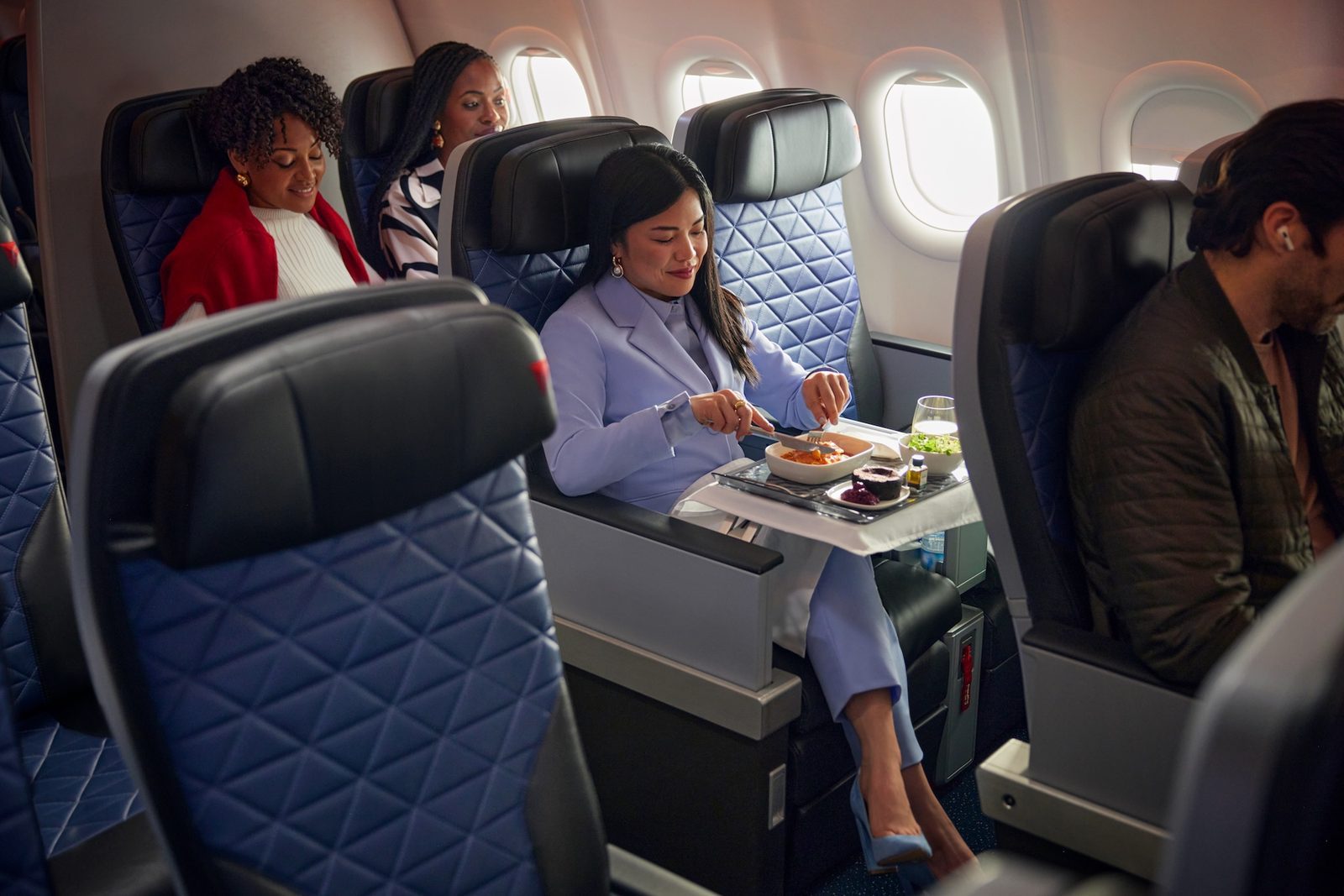
Meanwhile, the person who booked months ago is sitting in the same cabin, on the same flight, having paid hundreds less. Same seat, very different bill.
4. The Hidden Fees That Hit Harder When You Book Late
Even if you accept a higher base fare, last‑minute bookings come with a second punch: ancillary fees. These are the add‑ons that quietly inflate your total cost and make the budget impact of delayed travel decisions much worse.
Here’s where waiting backfires:
- Seat selection: By the time you book, the free or cheap seats are often gone. You’re left with middle seats or paying extra for anything decent. Traveling with someone? Late booking almost guarantees you’ll pay to sit together.
- Baggage: Some airlines increase baggage fees closer to departure, and they’re almost always highest at the airport. If you’re booking late, you’re less likely to plan and prepay strategically.
- Basic economy traps: That “cheapest” last‑minute fare may be a basic economy ticket that doesn’t include a carry‑on, seat selection, or flexibility. Once you add what you actually need, the price can jump by $100–$150 or more.
- Payment and booking fees: Some airlines and agencies tack on credit card or booking surcharges at the final step. When you’re rushed, you’re less likely to notice or compare.
And then there are the non‑airline extras: resort fees, transfer costs, last‑minute hotel rates. A last minute hotel cost comparison against booking a month earlier can be brutal. When you book late, you lose the ability to shop around for these too.
Practical move: Before you click “buy,” scroll through every line item on the final screen. Ask yourself, If I’d booked this two months ago, how many of these fees could I have avoided or reduced?

That’s the real price of waiting: not just the fare, but all the small charges that pile up when you’re out of options. The financial risks of last minute travel live in those details.
5. The Operational Costs You Never See (But Still Pay For)
There’s another layer most travelers never think about: operational strain. Last‑minute bookings aren’t just a pricing opportunity for airlines; they’re also a logistical headache.
When you book late, the airline has to adjust:
- Staffing and crew schedules
- Weight and balance calculations
- Seat allocation and potential re‑seating
- Checked baggage handling and cargo planning
All of this adds complexity. Complexity costs money. And those costs get baked into the fares that late bookers pay.
Airlines have learned, through years of data, that they can charge more for last‑minute seats and still sell them. So they do. Not because they’re punishing you, but because their models say it’s rational.
From the airline’s perspective, your spontaneity is a premium service—even if it doesn’t feel that way from your side of the screen.
Spontaneous travel isn’t wrong. It’s just rarely cheap. The question is whether the extra cost is worth the flexibility you’re protecting—or whether it’s one of those quiet waiting to book travel mistakes you only notice later.
6. When Waiting Makes Sense (and How to Do It Without Getting Burned)
There are moments when waiting can be reasonable. The key is to be intentional, not hopeful.
Waiting can make sense if:
- You’re traveling off‑peak (midweek, shoulder season, unpopular routes)
- You’re flexible on airports, times, and even destinations
- You’re willing to take inconvenient connections or red‑eyes
- You have a clear price ceiling and are prepared to walk away
In those cases, you’re not just waiting for plans to “settle.” You’re running an experiment with clear boundaries, and you understand how much more last minute travel costs if it goes the other way.
To reduce the risk:
- Set alerts early: Use fare trackers and watch price trends over time. If you see a steady upward climb, that’s your signal.
- Know your walk‑away point: Decide in advance:
If this hits $X, I either book or change my plan.
- Check nearby airports: Secondary airports can sometimes offer better last‑minute pricing, especially with low‑cost carriers.
- Consider mixed carriers: One airline out, another back, or even mixing in a train or bus for part of the route.
But be honest with yourself: if your dates are fixed, your destination is fixed, and you care about comfort, waiting is usually a losing game. Most last minute travel planning mistakes start with overestimating how flexible we really are.
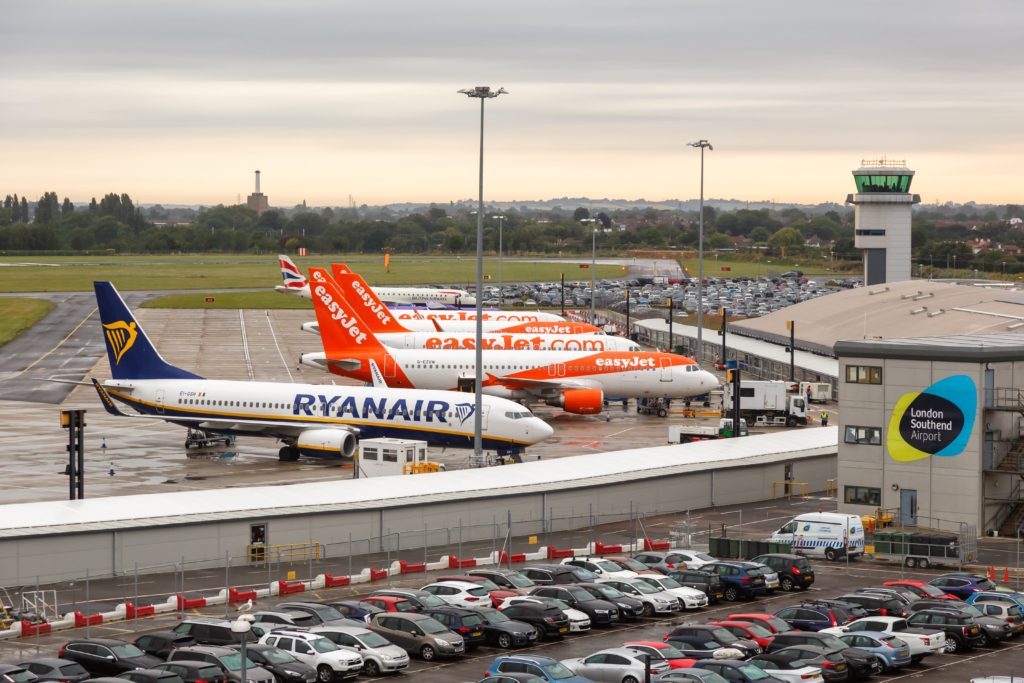
Sometimes that smaller or secondary airport is your best friend—if you’re willing to be flexible before prices spike. Once those travel price spikes close to departure hit, your options shrink fast.
7. A Simple Framework: Decide Early, or Pay for Certainty
Here’s the mental model I use now, and it’s saved me a lot of money and stress:
- Is this trip optional or essential?
If it’s essential (wedding, work, family), I book early. I treat the ticket like a non‑negotiable expense, not a gamble. - How flexible am I really?
Not the version of me that likes to think I’m flexible. The real one. Can I fly at 6 a.m.? From another airport? On a different day? If not, I don’t wait. - What’s my total cost, not just the fare?
I add bags, seat selection, airport transfers, and potential change fees. Then I compare that number across dates and airlines. That’s where the true last minute flight surcharge shows up. - What am I protecting by waiting?
If I’m waiting because I’m afraid plans might change, I consider a more flexible fare or travel insurance instead of gambling on price.
When you look at it this way, last‑minute travel becomes a conscious choice: you’re either paying more for flexibility and uncertainty, or you’re paying less by committing earlier.
Final thought: The next time you’re tempted to wait “just a bit longer,” ask yourself one question: If this jumps by $200 overnight, will I still go?
If the answer is no, you already know what to do.
Because in today’s airline world, the real hidden cost of last‑minute travel isn’t just money. It’s the feeling of being trapped into paying whatever the screen shows—simply because you waited too long to decide.