I love a good road trip. Windows down, playlists on repeat, that comforting myth that driving is cheaper than flying
. But every time I sit down and actually run the numbers, the pattern is the same: the obvious costs (gas, hotels, snacks) are only half the story. The real budget killers are the quiet ones – tolls, parking, wear-and-tear, and all the time we pretend is free.
If you’ve ever come home, opened your banking app, and thought, How did we spend that much?
, this is for you. Let’s walk through the hidden costs of long road trips that most people ignore – and how to plan for them without killing the fun.
Tolls: The Silent Tax on Your Route Choice
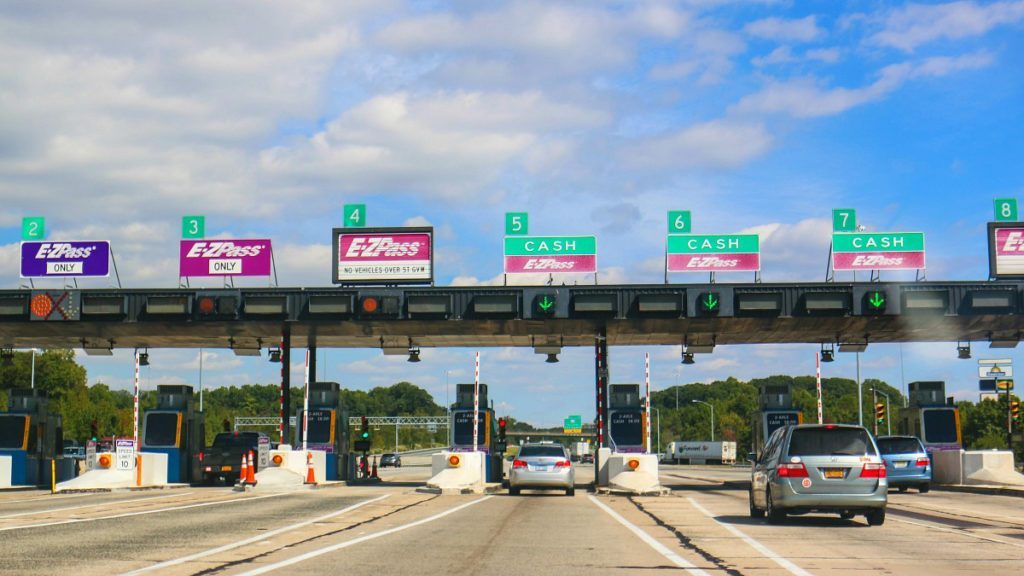
Tolls are sneaky. You see a sign for $3.25 here, $5.75 there, and it doesn’t feel like much. Then you check your statement and realize you’ve quietly burned through $80–$150 in a week. That’s when the real road trip cost breakdown hits you.
Most of us only budget for fuel and maybe hotels. Tolls sit in the we’ll see when we get there
category. That’s exactly how they blow up your budget and turn into one of those unexpected road trip expenses you swear you’ll plan for next time.
In reality, tolls can be structured in a few different ways:
- Distance-based pricing – you pay per mile or kilometer on certain highways.
- Flat fees – bridges, tunnels, and some expressways hit you with a single charge.
- Time-of-day surcharges – peak-hour pricing that punishes rush-hour travel.
- Vehicle type multipliers – larger vehicles or rentals can cost more.
This is why I estimate tolls before I even pack. Simple tools like the Toll Road Calculator or a planner like AgentCalc’s toll cost planner let you plug in distance, vehicle type, and average toll rates to get a realistic number. It’s not perfect, but it’s a lot better than guessing.
If you’re driving in toll-heavy regions (the Northeast US, parts of Europe, or major Asian expressways), it’s smart to mentally budget at least $10–$20 per driving day unless you’ve confirmed otherwise. That way, tolls are part of your long-distance driving budget from the start.
And if you’re using a rental car, be very careful with their toll programs. Many add hefty service fees on top of the actual tolls. Bringing your own transponder (like E-ZPass) or paying directly is often cheaper than the rental company’s so-called convenience
.
In the end, it’s a simple trade-off: are you willing to pay more in tolls to save time, or would you rather add an hour or two and keep that money? There’s no universal right answer. But pretending the trade-off doesn’t exist is how road trip budgeting mistakes start.
Parking: The Cost of Where You Sleep and Stop
Parking is one of those costs we mentally file under small stuff
– until we’re paying $30 a night in a city garage or feeding a meter every few hours. On a long trip, parking can quietly rival a night or two of lodging, especially if your route leans heavily on big cities.
Think about all the places you’ll park:
- Hotels and motels – some include parking, others charge per night.
- City centers – garages, meters, and
event pricing
near stadiums or attractions. - Tourist sites – national parks, beaches, viewpoints, and trailheads often charge per vehicle.
- Overnight street parking – sometimes free, sometimes ticket traps.
Here’s the uncomfortable truth: where you park is also a security decision. Cheaper, poorly lit lots can save you $10–$20 a night but increase your risk of break-ins or even catalytic converter theft. That’s not just an inconvenience; it can be a four-figure repair plus a ruined trip.
So when I’m planning, I don’t just ask, Is parking free?
I ask:
- Is this area known for vehicle crime?
- Is the lot monitored, gated, or at least well lit?
- Is there a safer option for a few dollars more?
Sometimes the smarter move is to stay slightly outside a city where parking is free or cheap, then use public transit or rideshares to get into the center. You trade a bit of time for lower risk and lower cost – and your road trip parking fees stop feeling like a surprise tax.
Bottom line: build a small parking line item into your budget. Even $5–$15 per day as a placeholder will keep you honest. If you end up under that, great – you’ve just funded an extra meal or attraction.
Wear-and-Tear: The Costs Hiding Under Your Hood
We love to calculate fuel costs. We almost never calculate what the trip does to the car itself. That’s where the real road trip wear and tear on your car shows up.
Every long road trip accelerates:
- Tire wear – especially if they’re already halfway through their life.
- Oil and fluids – you might hit your next service interval mid-trip.
- Brakes – mountain driving and heavy traffic chew through pads.
- Suspension and alignment – potholes, gravel roads, and overloading take a toll.
We don’t see these as trip costs
because the bill often comes later – a service appointment, a surprise repair, or a breakdown on the side of the highway. But financially, they belong to the trip. They’re part of the hidden costs of long road trips that rarely make it into the initial budget.
Before a long drive, I treat maintenance as part of the budget, not an optional extra. That means:
- Doing an oil change and basic inspection if I’m close to due.
- Checking tire tread and pressure – underinflated tires burn more fuel and wear faster.
- Making sure brakes are solid, especially if I’ll be in hilly or mountainous areas.
Tools like the MPG Road Trip Cost Calculator actually help here. They don’t just estimate fuel; they highlight how driving style, vehicle efficiency, and even luggage weight affect your total cost. Drive aggressively with a heavily loaded car, and you’re paying twice: once at the pump, and again at the mechanic.
If you want a rough mental number, many people use a per-mile cost that includes depreciation and maintenance – often somewhere between $0.30 and $0.60 per mile depending on the vehicle. You don’t have to be that precise, but at least acknowledge that your trip is using up some of your car’s lifespan. It’s not free just because you already own it.
When you factor in car depreciation on road trips and basic road trip maintenance costs, the driving vs flying cost comparison starts to look very different.
Time You Didn’t Budget For: Detours, Delays and Decision Fatigue
We’re pretty good at budgeting money. We’re terrible at budgeting time. And on a road trip, time is absolutely a cost – especially when you’re weighing driving vs flying for a long-distance trip.
Think about all the ways time slips away:
- Traffic and accidents – a single incident can add an hour or more.
- Construction zones – especially in summer, when everyone else is traveling too.
- Detours – closed roads, weather, or just a last-minute
let’s take the scenic route
. - Charging stops for EVs – necessary, but easy to underestimate.
- Food and bathroom breaks – every stop is rarely just 5 minutes.
Why does this matter financially?
- More time driving means more fuel and more wear.
- Arriving late can push you into last-minute hotel bookings at higher prices.
- Fatigue leads to more restaurant meals and impulse spending because you’re too tired to hunt for cheaper options.
I like to build a time buffer into every day – usually 10–20% more than what the map says. If the app says 6 hours, I plan for 7. If I arrive early, I win. If I don’t, I’m not shocked.
And here’s a question we rarely ask: What is your time actually worth? If you’re taking unpaid vacation, maybe the slower, cheaper route is fine. If you’re self-employed or working remotely, an extra day on the road might literally cost you income. That doesn’t mean you should rush; it means you should be honest about the trade-offs and the true time cost of long road trips.
Time isn’t just a scheduling issue. It’s a budget line, even if we don’t write it down.
Food, Snacks and the We’ll Just Grab Something
Trap
Food is obvious, but the way we spend on it during road trips is not. We imagine three meals a day. What we actually do is graze – gas station snacks, drive-thru stops, coffee after coffee. It feels small in the moment and huge when the credit card bill arrives.
Here’s what I’ve noticed on my own trips:
- Impulse snacks at convenience stores are often 2–3x grocery store prices.
- Restaurant meals creep from
just this once
towe’ve eaten out every day
. - Fatigue makes us pay for convenience instead of planning.
The fix isn’t to turn your vacation into a survivalist exercise. It’s to be intentional:
- Pack a basic road pantry – bread, peanut butter, fruit, nuts, simple snacks.
- Choose hotels with free breakfast when it makes sense; that’s one meal covered.
- Decide in advance which meals you’ll splurge on and which you’ll keep simple.
Families especially can save a surprising amount by treating the car like a mobile picnic instead of a shuttle between fast-food lines. It’s not just cheaper; it’s often calmer – and it keeps those unexpected road trip expenses from piling up in the form of $7 coffees and $12 snack runs.
Accommodation Surprises: When Plans Change Mid-Trip
We like to imagine our itinerary as fixed: drive X hours, stay here, move on. Reality is messier. Weather, illness, traffic, or just a change of heart can force last-minute changes – and last-minute accommodation is rarely cheap.
Some common budget busters:
- Arriving late and taking whatever hotel is available at a higher rate.
- Needing an extra night because you’re too tired to push on.
- Discovering your chosen campground is full and upgrading to a motel.
- Peak-season pricing in popular areas when you didn’t book ahead.
One strategy I like is mixing planned stays with flexible nights. For high-demand destinations, I book in advance. For in-between towns, I leave some room to adjust. Booking apps and loyalty programs can help, but they don’t change the basic rule: flexibility costs money unless you’ve budgeted for it.
That’s why I always add a 10–15% buffer to my total trip budget. Not for souvenirs, but for exactly these kinds of surprises. If I don’t need it, great. If I do, I’m not panicking.

How to Build a More Honest Road Trip Budget
So how do you pull all of this together without turning your vacation into a spreadsheet marathon? You don’t need a finance degree. You just need a simple framework that respects the hidden costs of long road trips.
Here’s a straightforward way to build a more honest road trip cost breakdown:
- Start with the basics
Estimate fuel using your vehicle’s MPG (or kWh/mile for EVs), total distance, and a realistic fuel price. Tools like the MPG Road Trip Cost Calculator make this painless and give you a baseline for budgeting for long distance driving. - Add tolls and parking as separate lines
Use a toll calculator or a per-day estimate for toll-heavy regions. Add a daily parking estimate if you’ll be in cities or tourist areas. Even a rough number helps you avoid classic road trip budgeting mistakes. - Include wear-and-tear
Even if it’s rough, assign a per-mile cost or at least budget for pre-trip maintenance and a small repair fund. This is where car depreciation on road trips and ongoing maintenance quietly live. - Be honest about food
Decide how many meals you’ll eat out vs. DIY. Budget snacks, not just meals. Remember, “we’ll just grab something” is usually code for “we’ll overspend without noticing.” - Add a 10–15% buffer
This is your safety net for delays, detours, and last-minute changes. Think of it as your protection against the unexpected road trip expenses that always seem to show up.
The goal isn’t to predict every dollar. It’s to stop pretending that tolls, parking, wear-and-tear, and lost time don’t exist. When you acknowledge them upfront, you get two benefits: fewer nasty surprises and more freedom to say yes
to the things that actually matter to you on the road.
Next time you plan a long drive, try this: write down your best guess for the total cost, then run the numbers with these hidden factors included. If the gap between those two numbers makes you uncomfortable, that’s not a reason to cancel the trip. It’s a reason to plan it better.
Because the real luxury on a road trip isn’t the hotel or the restaurant. It’s knowing you can enjoy the journey without dreading the bill when you get home.