
I don’t mind a bargain flight or a budget hotel. I do mind feeling tricked.
Most “cheap” trips aren’t actually cheap. They’re cheap-looking
. The real price only shows up after you’ve clicked Book and you’re locked in.
Below, I’ll walk through the hidden travel fees that quietly blow up your budget – and the exact moves I use to dodge them. As you read, keep asking yourself: What’s the total cost of this trip, not just the headline price?
1. The Airline Ticket That Doubles in Price
That $79 fare you’re excited about? It’s often just the cover charge.
Airlines – especially low-cost carriers – make billions from ancillary fees: baggage, seat selection, early boarding, printing your boarding pass, even choosing to sit next to your partner. The real cost of cheap trips usually hides in those extras.
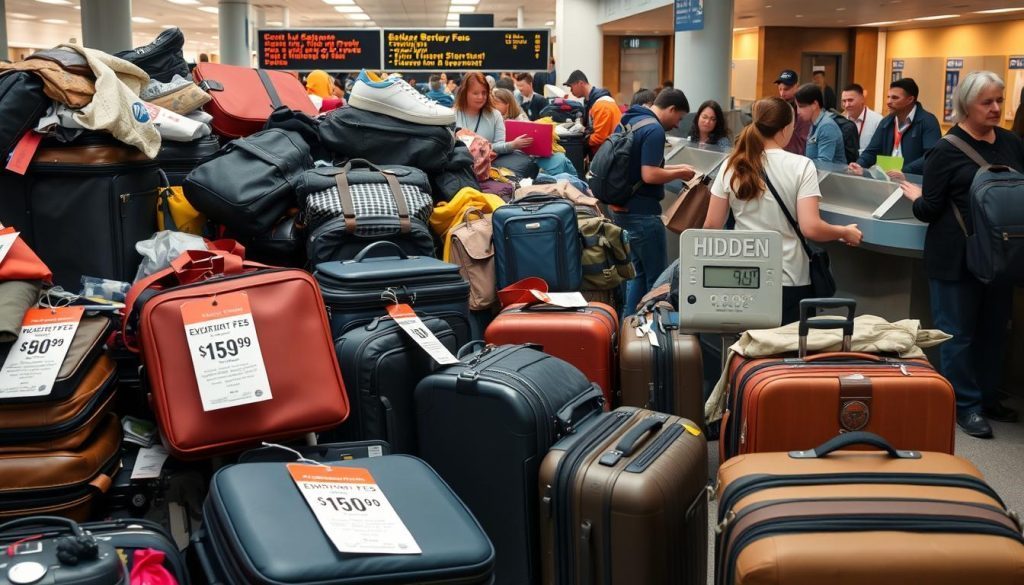
Here’s how the “cheap” ticket quietly fattens up with hidden airline and baggage fees:
- Checked bags: $30–$35 each way is common. A second bag or overweight bag can jump to $75–$200. One bad packing decision can cost more than the ticket.
- Carry-on fees: Some budget airlines charge for anything bigger than a personal item. That “included” bag you assumed you had? Not always.
- Seat selection: Want to avoid the middle seat or sit with your kids? That can be $10–$50 per person, per flight.
- Boarding pass printing: Certain low-cost carriers charge $5–$25 just to print your boarding pass at the airport.
The trap is simple: you compare $79
vs $140
and pick the cheaper airline. But if the $79 fare becomes $180 after bags and seats, you didn’t save money. You just bought a headache.
How I avoid the trap:
- Price the trip, not the ticket. Before booking, I open the airline’s baggage and seat fee page and do the math for my exact scenario (number of bags, family members, etc.). I want a full travel cost breakdown with hidden fees included.
- Travel with one personal item or carry-on only. I pack to the strictest airline limits I might face and weigh my bag at home to avoid overweight surprises.
- Skip paid seat selection when I can. On short flights, I let the system assign a seat. On long-haul or when I need to sit with kids, I factor seat fees into the initial comparison.
- Use airline apps. I check in online and save a screenshot of my boarding pass to avoid any “printing” fees or last-minute app glitches at the gate.
- Look for airlines that still include bags. Some carriers (like Southwest in the U.S. and many full-service international airlines) include checked bags. I compare their all-in price against the true cost of budget airlines with lots of extras.
Key takeaway: A cheap fare that doesn’t include what you actually need is not cheap. Do the full calculation before you fall in love with a number.
2. Hotels That Hide Their Real Price in the Fine Print
You find a hotel for $120 a night. At checkout, your bill looks more like $170. What happened?
Welcome to the world of resort fees, service fees, and other creative surcharges. This is where the real cost of “cheap” stays shows up.

Common hotel gotchas and budget hotel hidden fees:
- Resort fees: Often $20–$50+ per night, mandatory, and sometimes higher than the room rate on “deals.” They supposedly cover Wi‑Fi, pool, gym, or “resort activities” you may never use.
- Wi‑Fi charges: Yes, some hotels still charge daily for in-room Wi‑Fi while advertising “free Wi‑Fi” in the lobby.
- Early check-in / late checkout: Arrive a few hours early or leave a bit late and you might see a surprise $25–$100 fee.
- Parking: In cities, parking can quietly add $20–$60 per night, especially in garages or valet-only properties.
Short-term rentals aren’t innocent either. That $80/night apartment can jump to $160/night once you add:
- Cleaning fees that sometimes exceed a single night’s rate
- Service fees from the platform
- Local taxes that weren’t obvious at first glance
How I keep hotel and rental costs honest:
- Always click through to the final price. I ignore the first number and look at the total for the stay, including taxes and fees, before I compare properties.
- Search “hotel name + resort fee.” If the booking site is vague, I Google it. Travelers complain loudly when resort fees and city taxes are ridiculous.
- Ask at check-in if fees can be waived. If I’m not using the gym, pool, or “resort activities,” I politely ask if the resort fee can be reduced or removed. Status with a hotel chain helps, but a calm, reasonable request sometimes works even without it.
- Join loyalty programs. Many chains give free Wi‑Fi to members (even basic, free tiers). It takes 30 seconds to sign up.
- Compare hotels vs rentals by total cost. I add up nightly rate + cleaning fee + service fee + taxes for rentals, then compare that to hotels with all fees included. The “cheap” apartment often loses.
Key takeaway: Never book based on the nightly rate alone. The only number that matters is the final, all-in price for your entire stay.
3. Banking Abroad: The 3% Tax on Every Swipe
Foreign transaction fees are the quietest budget killers I see. They don’t scream. They just nibble at every purchase.

Here’s what usually happens:
- Your bank charges a 2–3% foreign transaction fee on every purchase in a foreign currency – including flights and hotels you booked online months ago.
- ATMs abroad hit you with local ATM fees plus your home bank’s withdrawal fee.
- Dynamic currency conversion (DCC) offers to charge you in your home currency at the terminal. It feels safe. It’s usually a bad deal with a worse exchange rate.
Individually, these fees look small. Over a two-week trip, they can quietly cost you hundreds and turn a cheap trip into an expensive one.
How I keep my money from leaking away:
- Use at least one no-foreign-transaction-fee card. Before I travel, I make sure I have a credit card that charges 0% on foreign purchases. Many travel cards do this.
- Pay in local currency. When a card terminal asks, I always choose the local currency, not my home currency. I let my bank handle the conversion.
- Plan ATM withdrawals. I take out fewer, larger amounts instead of many small ones to reduce per-withdrawal fees.
- Avoid airport exchange kiosks. Their rates are usually terrible. If I need cash on arrival, I use a bank ATM in the city instead.
- Check your card’s rules before you book. Even online bookings in foreign currency can trigger fees. Sometimes it’s worth using a different card just for those purchases.
Key takeaway: A “cheap” trip booked with the wrong card is not cheap. Fixing your banking setup before you travel is one of the easiest wins you can get.
4. Roaming, Data, and the Phone Bill You Regret Later
Using your phone abroad without a plan is like playing financial roulette. You might be fine. Or you might come home to a bill that costs more than your flight.
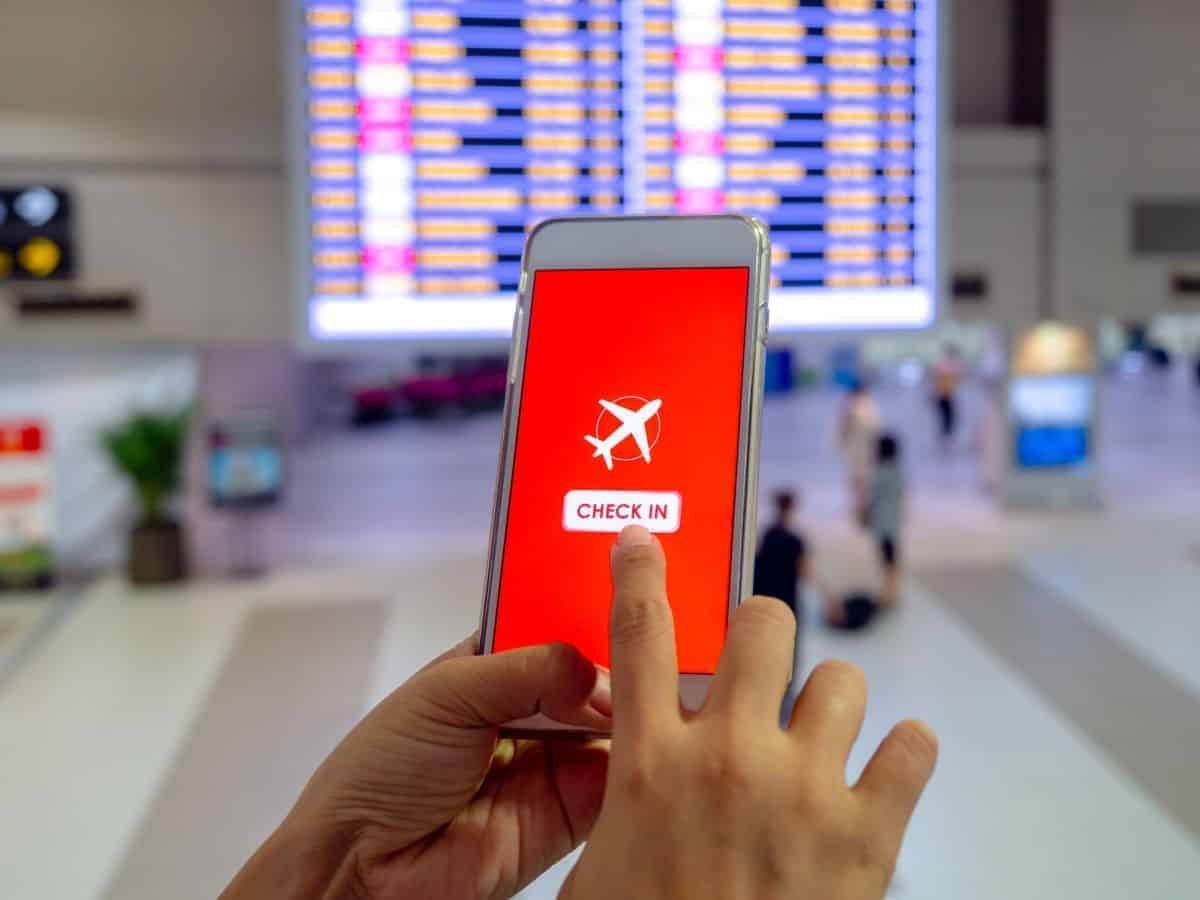
Common traps:
- Roaming data: Background apps quietly use data. Maps, social media, cloud backups – they all add up.
- Pay-per-use roaming: If you don’t add an international plan, your carrier may charge eye-watering rates per MB or per minute.
- “Accidental” roaming: Near borders or on cruise ships, your phone can latch onto a foreign or satellite network without you noticing.
How I stay connected without getting burned:
- Check my carrier’s international options before I leave. Many offer day passes or monthly add-ons that are far cheaper than pay-per-use.
- Use eSIMs or local SIMs. In many countries, you can buy a local data plan for the price of a couple of coffees. I often use an eSIM so I don’t have to swap physical cards.
- Control background data. I turn off automatic updates and background refresh for non-essential apps while abroad.
- Use Wi‑Fi strategically. I download maps offline, sync photos, and update apps only when I’m on reliable Wi‑Fi.
Key takeaway: Don’t wait to “see what happens” with your phone bill. Decide your data strategy before you board the plane.
5. Rental Cars: The Upsell Olympics
Rental car counters are designed to separate you from your money. The base rate looks great. Then the agent starts talking.

Here’s where the cost creeps in:
- Insurance upsells: Collision damage waivers, liability coverage, personal accident insurance – often at $15–$40 per day. Sometimes you already have coverage through your personal auto policy or credit card.
- Prepaid fuel: Sounds convenient. Usually more expensive than filling up yourself, especially if you don’t return the tank empty.
- GPS and extras: Daily fees for GPS, car seats, toll passes, and extra drivers can quickly exceed the base rental rate.
- Refueling and cleaning fees: Return the car without a full tank or with sand, mud, or smoke smell, and you’ll see it on your bill.
How I keep rentals under control:
- Check my existing coverage before the trip. I call my auto insurer and check my credit card benefits to see what’s already covered. If I’m comfortable with that, I decline overlapping insurance at the counter.
- Decide on insurance before I arrive. I don’t let a rushed conversation at the counter be the first time I think about it.
- Bring my own extras. I use my phone for GPS, bring my own child seat when practical, and avoid paying daily fees for things I already own.
- Refuel myself. I fill up at a non-airport gas station just before returning the car and keep the receipt.
- Document the car. I take photos or video of the car at pickup and drop-off (inside and out). It’s the best defense against unfair damage claims.
Key takeaway: The rental counter is not where you want to be making expensive, pressured decisions. Walk in knowing exactly what you’ll accept and what you’ll decline.
6. Local Transport, Parking, and the “Small Stuff” That Isn’t Small
Most people budget for flights and hotels. Then they’re surprised when all the little
costs in between eat their cash.
What often gets missed:
- Airport transfers: Taxis, rideshares, or private shuttles can cost as much as a budget flight, especially in big cities or late at night.
- Daily transport: Metro passes, buses, trams, and occasional taxis add up over a week.
- Parking: On road trips or in European cities, parking can be a daily line item, not an afterthought.
- Luggage storage: Storing bags after checkout or during long layovers can cost more than you expect.
How I keep the “in-between” costs from exploding:
- Research airport-to-city options in advance. I check the cost of trains, buses, and taxis before I land. Sometimes a slightly more expensive hotel with easy transit access is cheaper overall.
- Look up parking rules and costs. If I’m renting a car, I check whether my accommodation includes parking and what city parking typically costs.
- Use day or week passes. In many cities, unlimited transit passes are a bargain compared to buying single tickets.
- Ask about luggage storage. Some hotels will store bags for free after checkout if you ask. If not, I compare hotel fees with third-party luggage storage services.
Key takeaway: Local transport and parking are part of the trip cost, not an afterthought. Budget them like you would a flight.
7. How to Build a “No Surprises” Travel Budget
If you’ve ever come home from a trip and thought, Where did all the money go?
this is why: you budgeted for the obvious, not the real.
Here’s how I build a more honest budget and avoid underestimating my travel budget:
- Start with the big three: flights, accommodation, and food – but only after I’ve included all known fees (bags, resort fees, taxes).
- Add a line for each hidden-fee category:
- Airline extras (bags, seats, cheap flights extra charges, etc.)
- Hotel/resort/cleaning fees and city taxes
- Local transport and parking
- Banking and currency costs
- Phone/roaming or data plans
- Activities and tips
- Use realistic numbers, not wishful thinking. I look up actual fees and prices instead of guessing. That’s how you see the extra costs not included in the ticket price.
- Add a buffer. I usually add 10–20% on top of my estimate for surprises. If I don’t use it, great. If I do, I’m not stressed.
You don’t have to memorize every hidden travel fee in the industry. You just need to change the question you ask from Is this flight/hotel cheap?
to What will this trip really cost me?
Once you start thinking that way, “cheap” trips stop being traps – and start being real savings. That’s how you avoid hidden travel charges, compare a cheap trip vs all-inclusive cost honestly, and keep surprise costs on cheap vacations from blowing up your budget.