
I used to feel pretty smug every time I landed a “cheap” Airbnb or vacation rental. Then I started actually reading my credit card statements. That bargain stay I was so proud of? Not so cheap once cleaning fees, service charges, and taxes quietly stacked up in the background.
If you’ve ever clicked on a $120-a-night place and somehow ended up paying closer to $220, you’re not imagining it. The real cost of cheap accommodation is often buried in the fine print. Let’s drag those hidden accommodation fees into the open so you can see when a rental is genuinely a deal—and when a regular hotel is the one that saves your budget.
1. The “Cheap Nightly Rate” Trap
Most of us search the same way: sort by price, glance at the nightly rate, multiply by the number of nights, and call it a day. That’s where the trap starts.
On platforms like Airbnb and Vrbo, the nightly rate is just the opening number. By the time you reach the checkout screen, the true price of that “budget” stay usually includes:
- Platform service fees (Airbnb, Vrbo, etc.)
- Cleaning fees (usually a flat fee per stay)
- Local taxes (sometimes several different ones)
- Occasional extra guest or amenity fees
The mindset shift that changed how I book? I stopped caring about the advertised nightly rate and started caring about the effective nightly cost—what I’m really paying once all the vacation rental cleaning fees, service charges, and taxes are in.
Here’s a simple way to calculate it (adapted from tools like the AgentCalc cleaning fee calculator and other total accommodation cost calculators):
Effective nightly price = (nightly rate × nights + cleaning fee + service fee) × (1 + tax rate) ÷ nightsOnce you do this, a lot of “cheap” places stop looking cheap. A $120 listing with an $80 cleaning fee for one night? You’re effectively paying $200 before tax. Stay five nights in that same place and the effective nightly rate drops to $136. Same property, completely different value.
If you’re not doing the math, you’re not really comparing prices. You’re comparing marketing.
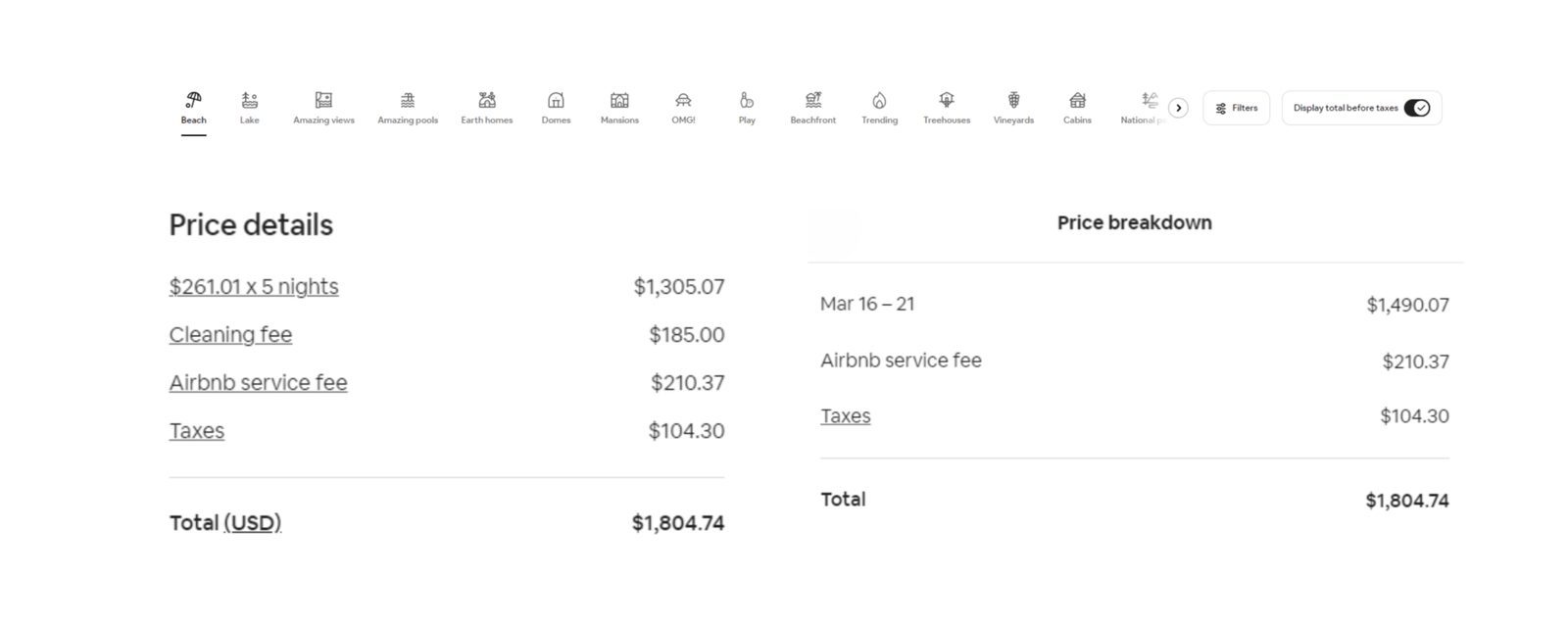
Takeaway: Don’t judge a rental by the nightly rate. Look at the full accommodation hidden charges breakdown and calculate the effective nightly cost for your exact dates before you decide it’s a deal.
2. Cleaning Fees: The One-Time Charge That Wrecks Short Stays
Cleaning fees are the line item that makes people rage-tweet. Honestly, it’s understandable.
From the host’s side, they’re not pure evil. A proper turnover between guests usually means:
- Cleaning and laundry
- Basic maintenance checks
- Restocking supplies (toilet paper, coffee, toiletries)
So many hosts treat the cleaning fee as a one-off turnover cost, not a profit machine. But here’s the catch for you as a traveler: it’s a flat fee, not a per-night fee.
The shorter your stay, the more that cleaning fee punishes you. For example:
- $180 cleaning fee on a 2-night stay = $90 per night added
- $180 cleaning fee on a 7-night stay = about $26 per night added
In popular markets—Florida beaches, big U.S. cities, European hotspots—cleaning fees of $165–$250+ are common. That’s how a $150 listing quietly becomes more expensive than a mid-range hotel that includes daily housekeeping in the base rate.
There’s another sting: cleaning fees are often nonrefundable if you cancel, depending on the policy. So you’re taking on more risk than with many hotel bookings, where you can often cancel without paying anything beyond a small penalty.
The shorter the stay, the more a cleaning fee behaves like a penalty for choosing a rental over a hotel.
How I handle it now:
- For 1–3 nights, I assume hotels will win on price unless a rental’s cleaning fee is unusually low.
- For 5+ nights, I start seriously considering vacation rentals, because that one-time fee gets spread out.
- I filter for “no cleaning fee” or low cleaning fees when I can, and I always compare the final total to nearby hotels.
Takeaway: Cleaning fees are the main reason a cheap Airbnb gets expensive after fees, especially on short trips. If you’re only staying a couple of nights, a hotel is often the real budget option.
3. Service Fees, Resort Charges, and “Gotcha” Add-Ons
Once you’ve made peace with the cleaning fee, there’s another layer: platform and host add-ons that quietly inflate the bill.
Here’s what usually shows up when you look closely at online booking hidden fees:
- Platform service fees
Airbnb’s guest service fee often lands somewhere around 14–20% of the booking before taxes. Vrbo typically charges 6–15%. Hosts also pay their own fee (around 3% on Airbnb), which many simply bake into the nightly rate. - Extra guest fees
That “sleeps 6” listing might have a base price for 2 guests and a per-person fee after that. For families or groups, this adds up fast. - Resort-style amenity fees
Some rentals now mimic hotels: separate charges for pools, gyms, parking, or “resort access.” These can be buried in the fine print. - Early check-in / late checkout fees
Hotels often comp this for loyalty members or when they’re not full. Many hosts treat it as a revenue line item.
Individually, each fee looks small. Together, they can push your total cost well beyond a comparable hotel—especially for short stays.
And hotels aren’t innocent either. Hotel resort fees and taxes—sometimes called “destination fees”—are notorious in certain cities and beach destinations. The difference is that hotel chains are under growing pressure (and in some places, legal obligation) to show more transparent, all-in pricing. Vacation rentals are catching up, but for now it’s still on you to read carefully.
Takeaway: Expect service fees and add-ons on every rental. Before you fall in love with a place, scroll to the full price breakdown and ask yourself: If this were a hotel, would I still think it’s a deal?
4. Taxes, Regulations, and Why Your “Budget” City Isn’t Cheap Anymore
Even if a host wants to keep things affordable, the city they’re in might not let them.
In major destinations—New York, San Francisco, Los Angeles, Amsterdam, Paris, Barcelona, and more—short-term rentals are heavily regulated. That can mean:
- Licensing and registration costs
- Strict caps on how many nights a place can be rented
- Higher local taxes and tourism levies
- Fewer legal listings overall (so prices rise)
Hosts don’t just absorb these costs. They pass them on to you through higher nightly rates and extra fees. That’s part of why average Airbnb nightly rates in the U.S. have climbed into the $200+ range, with cleaning fees often around $150 on top.
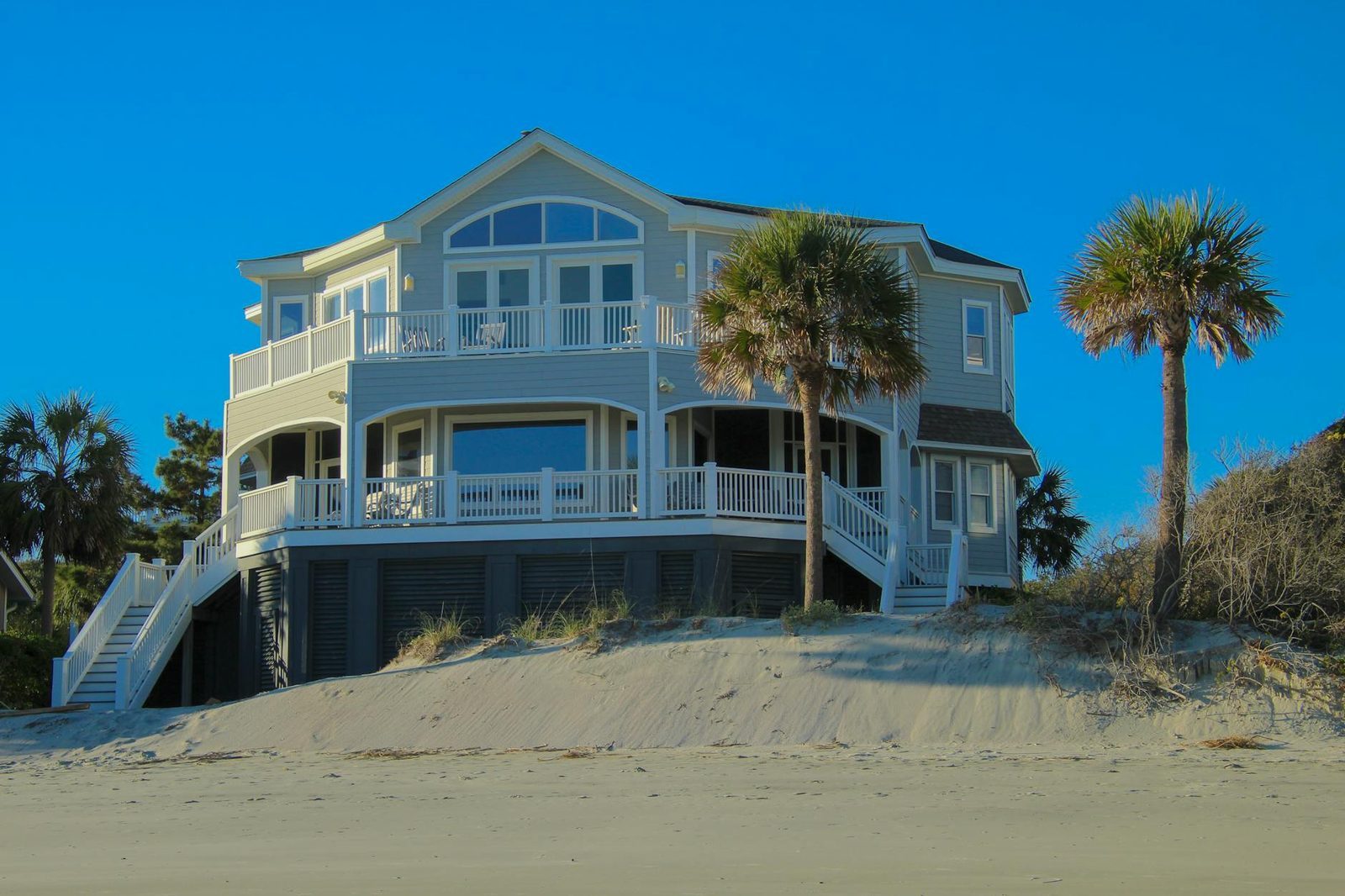
There’s also a social side. In many European cities, locals blame short-term rentals for housing shortages and rising rents. The backlash has led to protests, fines, and tighter rules. Fewer legal rentals + strong demand = higher prices for the ones that remain.
Meanwhile, hotels—especially big chains—are built to operate under these regulations. They often end up being the more stable, predictable option in heavily regulated cities, with hotel taxes and service charges explained more clearly at booking.
Takeaway: In big, high-demand cities with strict rules, don’t assume a rental is cheaper. Often, a mid-range hotel will be the better value once you factor in all the taxes, fees, and regulations that shape the real cost of cheap accommodation.
5. When Hotels Quietly Beat “Budget” Rentals
There’s a persistent myth that whole-place Airbnbs are always cheaper than hotels. The numbers tell a different story.
Comparisons across major U.S. cities show:
- Private-room rentals (where you share a home) are usually cheaper than hotels.
- Entire-place rentals are often more expensive than comparable hotels—one study found hotels were cheaper in 46 out of 50 cities.
Why? Because once you add cleaning fees, service fees, and taxes, that “cozy apartment” can easily cost more than a full-service hotel room with:
- Daily housekeeping
- On-site staff and security
- Included amenities (gym, pool, sometimes breakfast)

Hotels also tend to offer:
- More transparent pricing as regulations tighten around resort fees
- Better flexibility on check-in/out and cancellations
- Loyalty programs that effectively discount your stay with points and perks
That doesn’t mean vacation rentals are a bad deal. They still shine when:
- You’re a larger group (4+ people) splitting costs
- You’re staying 5+ nights and can spread out the fees
- You’ll actually use the kitchen and save on eating out
Takeaway: If you want a whole place to yourself for a short stay, don’t assume a rental is cheaper. For a real budget stay cost comparison—hotel vs Airbnb—run the numbers on the total price, not just the nightly rate.
6. Deposits, Damage Waivers, and the Cash-Flow Squeeze
Even after you’ve accepted the nightly rate, cleaning fee, and service fee, there’s one more budget killer: money that gets tied up in deposits and damage protection.
Common extras include:
- Security deposits
These can range from a few hundred to several thousand dollars. They’re technically refundable, but they can sit as a hold on your card or as cash out of your account during the trip. If you’re traveling on a tight budget, that hurts. - Damage waivers
These are nonrefundable “insurance-like” fees that cover accidental damage. They’re often positioned as protection for you, but they’re also a cost you never get back.

Here’s the subtle risk: you might compare a hotel and a rental on price alone and think they’re similar. But if the rental also requires a $1,000 deposit and a $79 damage waiver, your real cost—and your cash flow—look very different.
Hotels do sometimes take deposits or holds, but they’re usually smaller and more standardized. With rentals, the range is wild, and the rules are often buried in house rules or post-booking messages.
Takeaway: Before you book a “cheap” rental, check for security deposits and damage waivers. Ask yourself: Am I okay having this much money tied up for this trip?
7. How to Actually Find a Good Deal (Without Getting Burned)
So where does all this leave you? Not doomed to overpay forever. You just need a different playbook for spotting the real cost of budget hotels and rentals.
Here’s how I now approach “budget” accommodation and avoid the worst travel accommodation pricing traps:
1. Start with the total, not the teaser price.
- Use the “show total price” or similar toggle on rental platforms (where available).
- Click through to the final screen before you emotionally commit to a place.
2. Always calculate the effective nightly cost.
- Use a simple total accommodation cost calculator in your head: (all fees + nights × rate) ÷ nights.
- Compare that number directly to hotel rates in the same area and dates.
3. Match the stay length to the right type of accommodation.
- 1–3 nights: Hotels usually win, especially in cities with high cleaning fees.
- 4–6 nights: It depends—run the numbers carefully for both options.
- 7+ nights or groups: Rentals often pull ahead, especially if you cook and share costs.
4. Filter ruthlessly.
- Filter for low or no cleaning fees when possible.
- Watch for extra guest fees if you’re a family or group.
- Read house rules for hidden charges: parking, amenities, early check-in, pet fees.
5. Don’t ignore reviews.
- A high cleaning fee doesn’t guarantee cleanliness. Reviews do.
- Look for mentions of surprise fees, deposit disputes, or misleading photos.
6. Negotiate when it makes sense.
- For longer stays (weekly or monthly), politely ask hosts about discounts.
- Some hosts will adjust rates or certain fees, but platform service fees are non-negotiable.
If you’re trying to figure out how to avoid resort fees and surprise add-ons, the key is to stop asking, Is Airbnb cheaper than hotels?
and start asking, For this trip, with these dates and this group size, which option gives me the best total value?
Once you start thinking that way, “cheap” accommodation stops being a gamble—and becomes a deliberate, informed choice.