I love the idea of flexible
travel. I hate what it actually costs.
Airlines shout No change fees!
Hotels promise Free cancellation!
Credit cards dangle trip protection
like a safety net. But when your plans really do change, the bill often looks nothing like the marketing.
In this guide, I’ll walk through how flexibility really works across airlines, hotels, and insurance – and what I actually look at before I click Book. The goal: help you decide when to pay for flexibility, when to skip it, and how to avoid the quiet fees that inflate the real cost of flexible travel.
1. Are “No Change Fees” Actually Saving You Money?
Let’s start with the biggest myth: that no change fees
means changing your flight is basically free. It’s not.
Most major U.S. airlines – American, Delta, United, Alaska, JetBlue (non-basic fares), and Southwest – have removed traditional change fees on standard economy and higher cabins. That sounds generous, but there’s a catch big enough to fly an A320 through:
You still pay any fare difference.
If your original ticket was $250 and the new flight is $450, you’re out $200 even with no change fee
. The penalty line item is gone, but the real cost is now buried in the new price. That’s the part most airline refund rules don’t highlight.
Here’s how I think about it when I book:
- Change fee = the old-school penalty (often $75–$200+) that many airlines have removed on standard fares.
- Fare difference = the gap between what you paid and what the new flight costs. This is where you usually bleed money.
A few details that matter when you’re doing your own airline change fees comparison:
- On many U.S. carriers, standard economy and above can be changed without a fee, but basic economy is still heavily restricted or non-changeable.
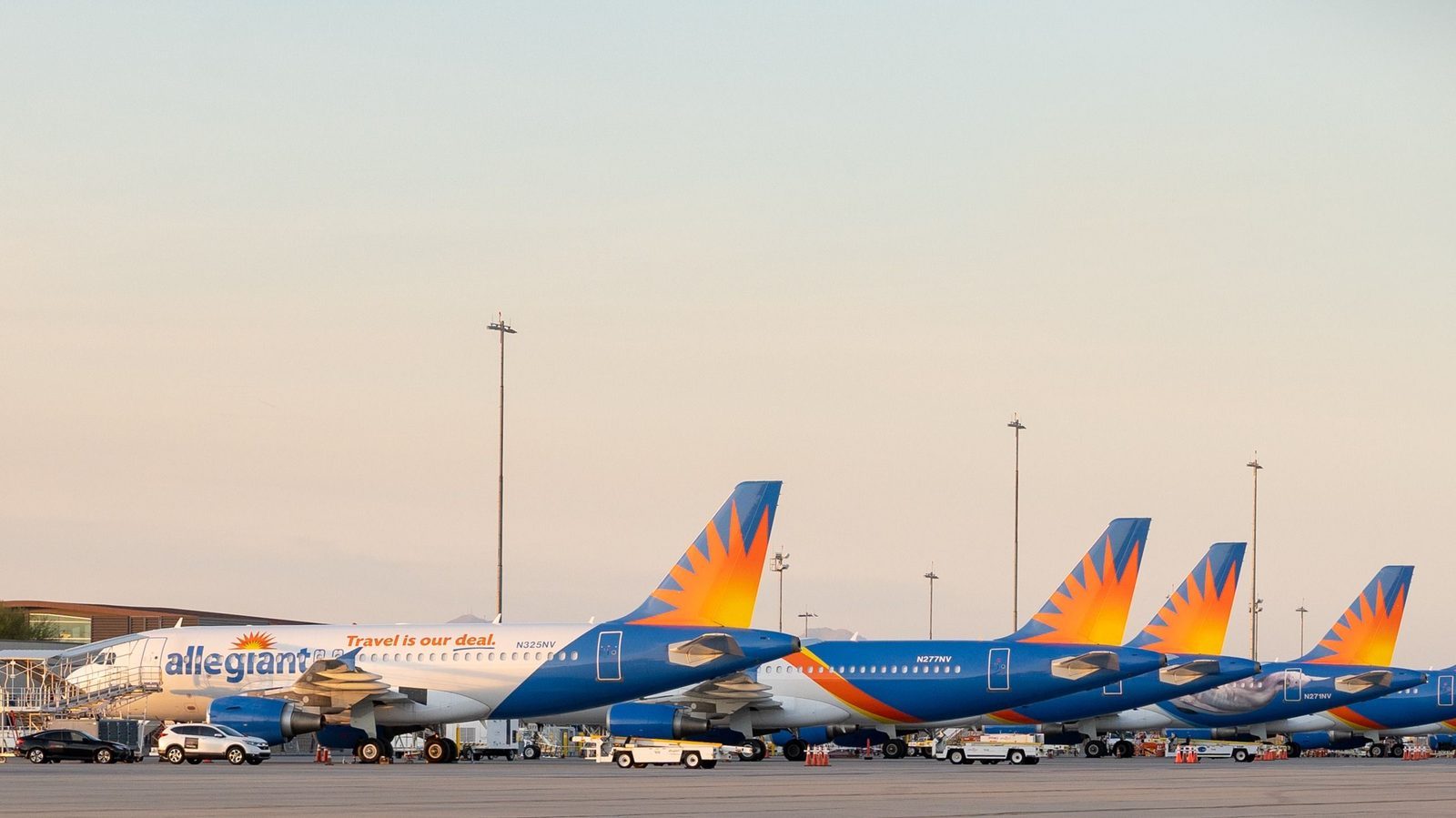
- Ultra-low-cost carriers (Allegiant, Frontier, Sun Country) often use tiered change fees that get more expensive as departure approaches.
- Southwest is the outlier: if your new flight is cheaper, you usually get the difference back as reusable credit. On most others, you get a credit only if their rules allow it – and often with an expiration date.
The practical takeaway: when you see No change fees
, mentally translate it to No penalty, but the airline still gets paid if prices go up.
I never assume a change will be cheap just because the fee is gone.
2. Basic vs Regular Economy: Are You Trading Flexibility for $40?
Most of the pain starts when you choose your fare type. That’s where airlines quietly sell you rigidity in exchange for a small discount.
Basic economy (or Basic
on Air Canada, Blue Basic
on JetBlue, etc.) is designed to look like a bargain. In reality, you’re often buying a ticket that’s cheap to purchase and expensive to change.

Typical basic economy restrictions across major airlines:
- No changes or refunds in most cases, or changes only with steep fees.
- No advance seat selection unless you pay extra.
- Limited baggage – sometimes just a personal item; carry-on and checked bags cost more.
- Last boarding group and higher risk of being bumped on oversold flights.
Regular (or Main
, Standard
, Flex
) economy usually costs a bit more but gives you:
- At least some change flexibility (often no change fee, fare difference applies).
- Advance seat selection or cheaper seat fees.
- Better baggage allowances or easier ways to avoid fees.
On Air Canada, for example, Economy Basic is brutally strict: no refunds, no changes, no same-day standby, and minimal earning of Aeroplan points. You’re locked in. If your plans are even slightly uncertain, that deal
can become the most expensive option on the page.
So how do you choose between a flexible vs non refundable flight in practice?
- If my dates are 100% locked, it’s a short trip, and I can pack light, I might take basic – but I assume I’m eating the full cost if anything changes.
- If there’s even a 20–30% chance I’ll need to move dates, I treat basic economy as fake savings. I’ll pay more for a fare I can actually use.
Ask yourself before you click basic: If I had to throw this ticket away tomorrow, would the savings still feel worth it?
If the answer is no, upgrade the fare. That’s the real flexible ticket vs basic economy decision.
3. Ultra-Low-Cost Carriers: Cheap Up Front, Expensive to Change
Ultra-low-cost carriers (ULCCs) like Allegiant, Frontier, and (historically) Spirit are masters at separating the ticket price from the real cost of flexibility.
Here’s how the game usually works:
- Base fares are low, but almost everything else is extra: bags, seats, boarding, and flexibility.
- Change fees are often tiered by timing – cheap or free far in advance, painful close to departure.
- Some tickets are essentially non-changeable unless you bought a special add-on at booking.
Recent examples:
- Allegiant can charge up to about $75 per person each way for changes without its Trip Flex add-on, and changes within seven days of departure are not allowed at all.
- With Trip Flex (a paid add-on you must buy at booking), you can change or cancel up to one hour before departure without a change fee – but you still pay any fare difference.
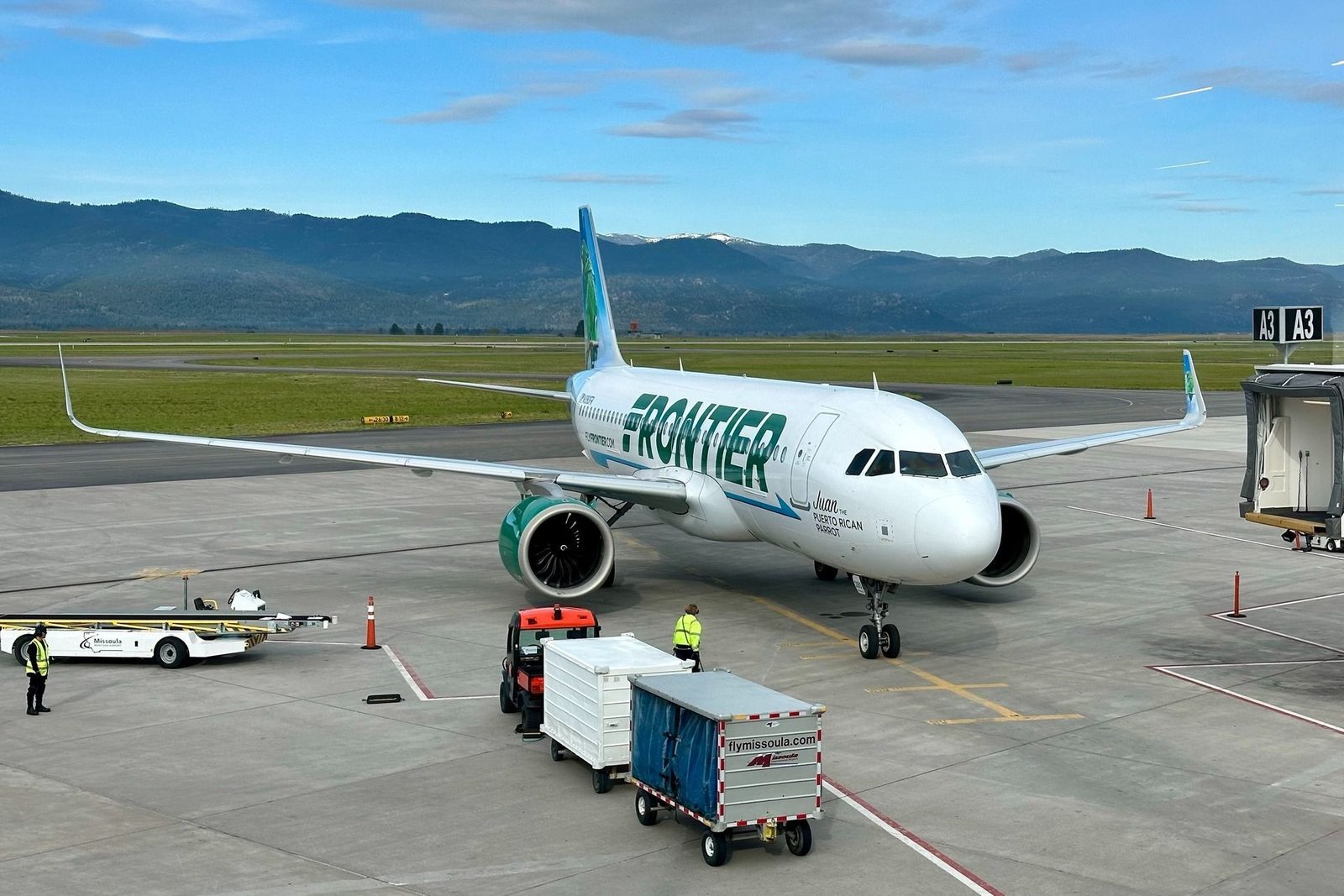
- Frontier has removed change fees 60+ days before departure, but its Basic fares still incur fees (e.g., around $49 from 7–59 days, $99 within 6 days).
- Spirit has recently removed change and cancellation fees for all tickets, but again, fare differences still apply and other add-ons can add up.
The trap: you see a $79 ULCC fare vs a $139 fare on a legacy airline and think you’re saving $60. But once you add a bag, a seat, and a realistic chance of needing to change, that cheap
ticket can easily become the most expensive option.
How I approach ULCCs:
- I only book them when my plans are very firm and I’ve priced out all the add-ons I’ll realistically need.
- If I’m even slightly unsure about dates, I compare the ULCC total cost (fare + bags + seat + change product) against a more flexible fare on a major airline. The gap is often smaller than it looks.
Ask yourself: If I have to move this trip by a week, what will this airline actually charge me?
Don’t just compare today’s price; compare the cost of being wrong. That’s where the hidden costs of flexible fares on budget airlines really show up.
4. Timing Your Changes: When Waiting Costs More Than Rebooking
Even if you picked a flexible fare, when you change matters almost as much as what you booked.
Across many airlines, the pattern looks like this:
- 60+ days out: often the cheapest time to change, sometimes with no change fee on ULCCs and more availability at lower fares.
- 7–59 days out: change fees (where they still exist) start to kick in, and fares creep up.
- Within 7 days: the worst of both worlds – high fares and, on some carriers, the highest change fees or outright bans on changes for certain fares.
On top of that, there are two timing rules most travelers underuse:
- 24-hour U.S. DOT rule (for flights to/from the U.S.): if you book a flight at least 7 days before departure, you can usually cancel within 24 hours for a full cash refund. This applies across airlines and fare classes. I use this as a built-in
cooling-off period
when I’m not 100% sure. - Same-day changes: many airlines offer a separate, often cheaper same-day change option. Sometimes it’s a flat fee; sometimes elites or premium fares get it free. It’s different from a standard change and can be a bargain if you just need to move a flight by a few hours.
There’s also a subtle decision point many people miss: sometimes it’s cheaper to cancel and rebook than to change.
For example:
- If your ticket is nonrefundable but changeable with a fee, compare:
Change fee + fare difference
vsCancel (credit) + buy a new ticket
. - On airlines that issue travel credits, you might come out ahead by canceling, taking the credit, and then shopping fresh for the best new fare.
My rule of thumb: as soon as I suspect a trip might move, I check prices and policies right away. Waiting rarely makes it cheaper. A quick check is your own mini flight change fee calculator.
5. Refundable Fares vs Insurance vs Credit Card Protection: Which Safety Net Is Worth It?
This is where a lot of people overpay for peace of mind. You’re often offered three different ways to protect
your trip:
- Refundable or fully flexible fares
- Standalone travel insurance
- Credit card trip protection
They sound similar. They are not.
Refundable / fully flexible fares
These are the tickets that let you cancel for a cash refund, often up to a certain time before departure. They’re usually much more expensive than nonrefundable fares.
When they make sense:
- Your plans are highly uncertain (e.g., work travel that might be canceled).
- The price difference between refundable and nonrefundable is relatively small.
- You value cash back more than future travel credits.
When they don’t:
- The refundable fare is hundreds more and you’re only mildly unsure.
- You already have strong credit card trip protection and can live with credits instead of cash.
Standalone travel insurance
These policies can cover trip cancellation, interruption, medical emergencies, and more – but only for covered reasons. That’s the phrase you need to obsess over when you compare travel insurance vs flexible ticket options.
Typical covered reasons include:
- Serious illness or injury (you or a close family member).
- Death in the family.
- Major weather events or natural disasters.
- Jury duty, certain job loss scenarios, or airline bankruptcy (depending on the policy).
What’s usually not covered:
I changed my mind.
Work got busy.
I found a cheaper deal.
There are Cancel For Any Reason
(CFAR) policies, but they’re more expensive and often only refund a percentage of your costs. If you’re buying insurance, read the policy like a lawyer, not like a dreamer.
Credit card trip protection
Many premium travel cards (for example, some Chase Sapphire and Ink cards) include trip cancellation and interruption insurance when you pay for your trip with the card. This can reimburse you for nonrefundable airfare and hotels if you cancel for covered reasons.
Why I like this option:
- It’s often already included in the card’s annual fee.
- Coverage can be surprisingly strong for common issues (illness, severe weather, etc.).
- It can make nonrefundable fares less scary, as long as your risk is within the covered reasons.
But again, it’s not a free pass to cancel for any reason. You still need to fit the policy’s definitions.
How I choose between these three:
- If I’m worried about life happening (illness, family emergencies), I lean on a good credit card with trip protection or a targeted insurance policy.
- If I’m worried about my own indecision (I might change my mind, dates, or destination), I don’t expect insurance to save me. I either pay for a flexible fare or accept the risk.
The key question: Am I trying to insure against real risk, or just buying comfort because I feel uneasy?
The first can be smart. The second is where people overspend and inflate the flexible booking cost breakdown without much benefit.
6. Hotels: “Free Cancellation” Isn’t Always Free
Hotels play a similar game with flexibility, but the rules are a bit simpler than airlines.
Most chains offer at least two main rate types:
- Advance purchase / nonrefundable: cheapest, but you pay up front and eat the cost if you cancel.
- Flexible / free cancellation: more expensive, but you can cancel up to a certain time (often 24–72 hours before check-in) without penalty.
The trick is in the details:
- Cutoff times vary – some properties require cancellation 7 days out, especially resorts or peak-season stays.
- Third-party bookings (online travel agencies) often have stricter or more confusing rules than booking direct.
- Partial penalties are common – for example, you might lose the first night if you cancel inside the window.
So when you’re comparing refundable vs nonrefundable hotel rates, you’re really comparing risk.
How I decide:
- If I’m booking a short city stay and my plans are firm, I’ll consider a nonrefundable rate – but only if the savings are meaningful.
- If it’s a big trip (honeymoon, family vacation, peak season), I almost always pay for a flexible rate. Too many things can go wrong.
- I always check whether my credit card’s trip protection covers prepaid hotels for covered reasons. If it does, I’m more comfortable with nonrefundable rates – but I still read the fine print.
Ask yourself: If I had to cancel this hotel the day before check-in, what exactly would I lose?
If you can’t answer that, you don’t really know what you’re buying – or the true hotel flexible rate cost.
7. A Simple Framework: How Much Flexibility Do You Actually Need?
Instead of asking Is this fare flexible?
, I find it more useful to ask: How much flexibility do I really need for this trip?
Here’s a quick framework I use before I book, whether I’m looking at flights or the cost of changing flights and hotels together.
Step 1: Rate your uncertainty (1–5)
- 1–2: Very unlikely to change. (Example: nonrefundable work trip with fixed dates.)
- 3: Some chance of change. (Example: visiting friends, but dates are somewhat flexible.)
- 4–5: High chance of change. (Example: planning around a possible job move, health situation, or family event.)
Step 2: Compare the real options
For each airline or hotel, I look at:
- Fare or rate type (basic vs standard vs flexible).
- Change rules (fees + fare difference).
- Refund rules (cash vs credit, expiration dates).
- What my credit card or insurance would cover if I had to cancel.
Step 3: Put a price on your risk
Then I ask:
If I had to cancel or change, what’s the worst-case cost for each option?
Is paying $X more now worth reducing that worst-case cost?
Sometimes the answer is yes: paying $40 more for a flexible fare is a bargain. Sometimes the answer is no: paying $300 more for a refundable ticket when my risk is low is just buying comfort I don’t need.
This is the heart of any honest travel flexibility cost guide: decide consciously, not emotionally.
8. Key Takeaways: How to Stop Overpaying for “Flexibility”
If you remember nothing else, remember these:
- No change fee ≠ free changes. Fare differences are where the real cost hides.
- Basic economy is a bet that your plans won’t change. Only place that bet if you can afford to lose.
- Ultra-low-cost carriers are cheap to book and expensive to change. Price out the whole journey, including what happens if you’re wrong.
- Timing matters. Changes are usually cheaper earlier. Use the 24-hour rule and compare change vs cancel-and-rebook.
- Insurance and credit cards protect you from life, not indecision. Read what’s actually covered before you rely on them.
- Hotels play the same game.
Free cancellation
has a deadline; nonrefundable rates are only a deal if you’re truly sure.
Flexible travel isn’t about buying the most expensive, fully refundable option every time. It’s about understanding the rules well enough to choose just enough flexibility for each trip – and no more.
The next time you see flexible
splashed across a booking page, pause and ask: Flexible for who – me, or the airline?
The answer is usually hiding in the fine print of those airline and hotel cancellation fees.