I’ve wasted money on upgrades that did nothing for my productivity. I’ve also paid extra that turned out to be a bargain because it saved a client meeting, a night’s sleep, or even a deal.
This article is about that line: the point where paying more for hotels, seats, and lounges actually pays off on a business trip.
We’ll walk through the decisions I make trip by trip, the questions I ask, and the traps I try to avoid. Think of this as a practical ROI checklist for business travel upgrades, not a luxury wish list.
1. The Core Question: What Are You Actually Buying?
When you upgrade, you’re not really buying a nicer seat or a fancier lobby. You’re buying one of four things:
- Sleep – arriving functional instead of fried.
- Time – shorter lines, faster boarding, less faffing around.
- Focus – a quieter, more controlled environment to work or think.
- Stress reduction – fewer hassles, more margin for error.
If an upgrade doesn’t clearly deliver at least one of those, I’m skeptical. A lot of “premium” products look impressive but don’t move the needle on any of these.
On flights, business class is marketed as comfort and status, but the real value is usually in sleep + time + focus
. For hotels, it’s more about sleep + focus
. Airport lounges mostly deliver time + stress reduction
and can quietly change the cost-benefit of a trip.
So before I pay more, I ask:
- What am I buying here? Sleep, time, focus, or less stress?
- What’s the alternative? Can I buy the same benefit cheaper another way?
- What’s the downside if I don’t upgrade? Missed meeting, poor performance, or just mild discomfort?
If the downside is “I’ll be slightly annoyed,” I usually keep my money. That’s the basic filter I use for any business travel upgrade cost decision.
2. Short-Haul Flights: When Business Class Is Just Expensive Economy
Short-haul business class is where a lot of people burn money. The product is wildly inconsistent. In Europe, it’s often just an economy seat with the middle seat blocked. In parts of the US, Asia, and the Middle East, you might get a genuinely better seat and service even on a 2–3 hour hop.
On flights under about three hours, the seat itself matters less. You simply don’t have time to fully enjoy the service. That’s why I focus on the door-to-door experience instead of the cabin label when I’m making a business trip seat upgrade decision.
Here’s how I decide:
- Is the seat actually different? Some short-haul “business” cabins are just economy with a curtain. If the seat pitch and width are the same, I treat it as a lounge/priority pass, not a real seat upgrade.
- What’s the price gap? If business is only slightly more than economy (say, a small corporate fare difference or a last-minute upgrade offer), I look harder at the ground perks.
- What’s the airport like? Busy hub at peak time with long security lines? Priority check-in and fast-track can be worth more than the seat itself.
- What time is the flight? Early morning departures and tight connections are where priority boarding and lounge access really shine.
On many domestic or regional routes, the main benefit of business class—real sleep—is either limited or absent. You’re awake, you’re aware, and you’re paying a premium for a slightly better chair and a tray of food you could have skipped. That’s why some frequent travelers argue short-haul business is bad value
and prefer to save that budget for long-haul upgrades instead.
My rule of thumb for short-haul:
- Upgrade if: the fare difference is small, the airport is chaotic, you have tight connections, or you’re carrying multiple checked bags that would otherwise cost a lot.
- Stay in economy if: it’s a simple daytime hop, you already have TSA PreCheck/CLEAR or similar, and the business product is just a blocked middle seat.
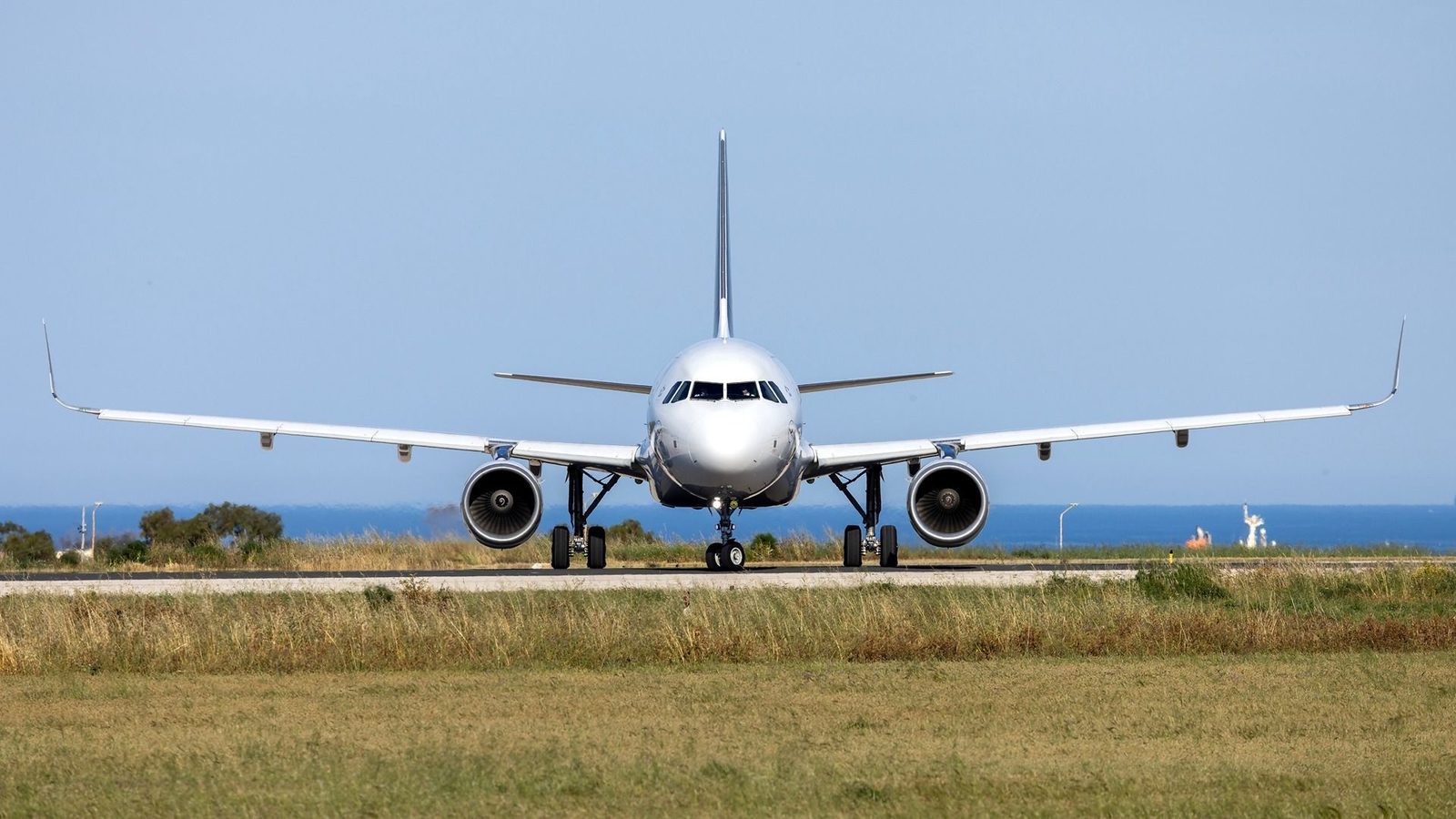
One more thing: don’t assume “business class” means the same thing everywhere. It doesn’t. Always check the actual seat and aircraft configuration before you pay, especially if your company’s corporate travel upgrade policy is strict about value.
3. Long-Haul & Overnight Flights: Where Upgrades Can Pay for Themselves
This is where upgrades can genuinely change the outcome of a trip.
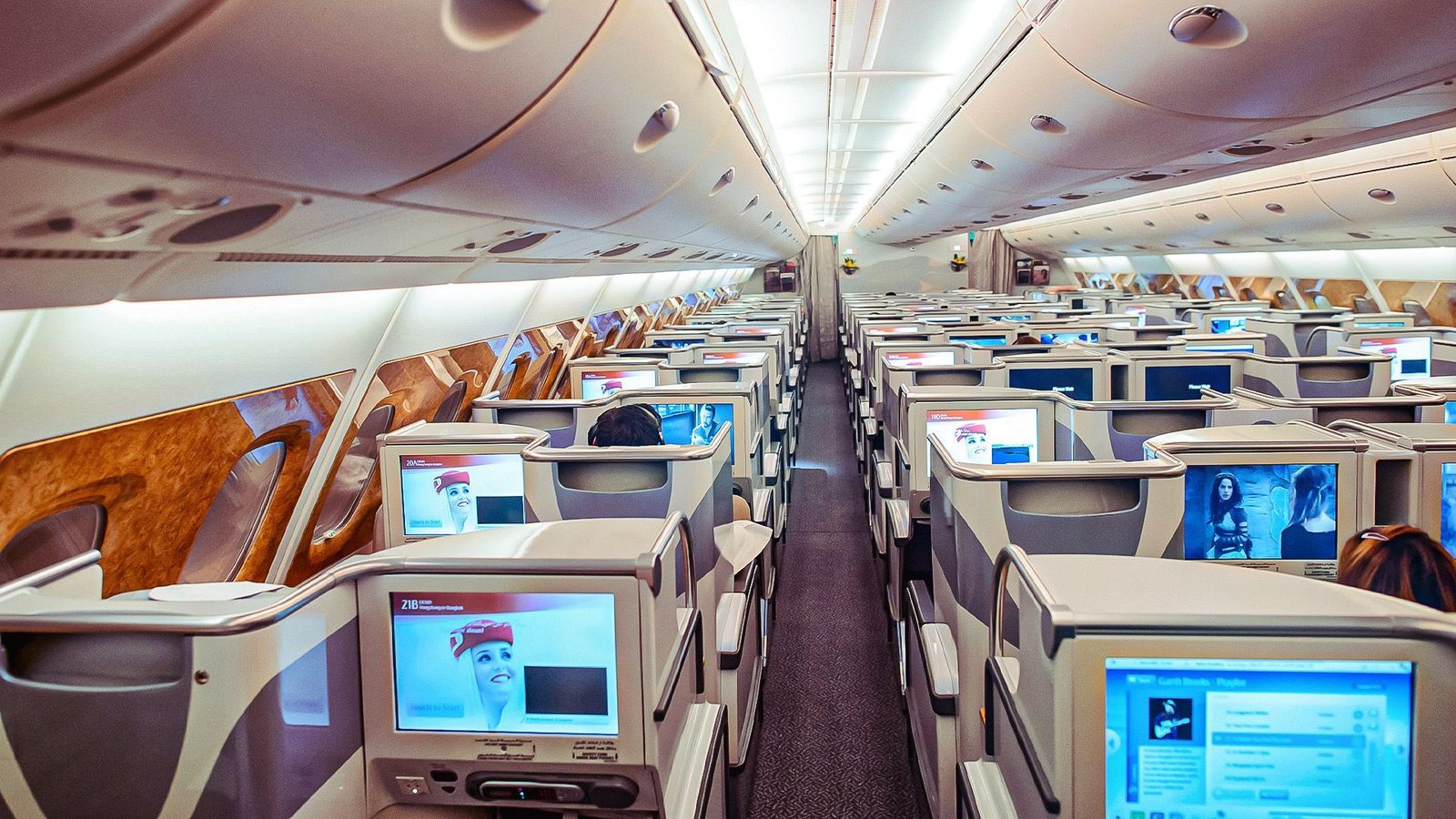
On long-haul international routes, business class can be thousands more than economy. That sounds insane until you factor in what you’re really buying: a lie-flat bed, real sleep, and the ability to walk into a meeting the same day you land without feeling like a zombie.
Here’s how I think about the ROI of flight upgrades on long-haul routes:
1. Sleep vs. hotel nights
If you can actually sleep in a lie-flat seat, you might be able to:
- Take an overnight flight.
- Arrive in the morning.
- Go straight into meetings instead of paying for an extra hotel night to “recover.”
In that scenario, part of the business-class fare is offset by one fewer hotel night and one more productive day. For some companies, that’s a clear win in any business class upgrade cost analysis.
2. Productivity in the air
Business cabins usually have more space, better lighting, and fewer children. That means you can actually open a laptop, work, and think. If you bill by the hour or you’re preparing for a high-stakes meeting, those hours can be valuable.
3. Health and fatigue
On 8–10+ hour flights, especially overnight, the gap between economy and business is no longer just legroom. It’s about how your body feels after sitting in a cramped seat versus lying flat. Less jet lag, fewer aches, and a clearer head can be worth real money if your performance matters.
But there are caveats:
- Not all business seats are equal. Some still don’t recline fully flat. Check the exact aircraft and seat map before you pay.
- Food is often only marginally better. Don’t justify the upgrade on meals alone. The real value is sleep and space.
- Daytime long-haul flights are a gray area. If you’re not trying to sleep, premium economy or an exit row might be enough.
My rule of thumb for long-haul:
- Business class is usually worth it on overnight flights of 8–10+ hours where you need to be functional on arrival.
- Economy or premium economy is usually fine on shorter or daytime routes where sleep is less critical.

If you’re on a budget, consider using tools like Google Flights or deal-alert services to find discounted business fares. Sometimes a well-timed sale or a points upgrade can turn a “no way” price into a reasonable investment and avoid common mistakes upgrading flights on business trips.
4. Premium Economy: The Quiet Middle Ground
Premium economy is the awkward middle child between economy and business. It’s not glamorous, but for many work trips it’s the sweet spot in the comfort vs. cost trade off.
What you usually get:
- 6–8 inches more legroom than standard economy.
- Wider seats and a bit more recline.
- Better entertainment screens, sometimes an amenity kit.
- Occasional priority boarding or a slightly better meal.
What you usually don’t get:
- Lie-flat beds.
- True business-class dining or service.
- Full lounge access (varies by airline).
From a corporate budget perspective, premium economy vs business class for work trips is often an easy call. Premium economy preserves much of the comfort benefit of business class—especially for taller travelers or those who need to work on a laptop—while keeping costs far below full business fares.
When I choose premium economy over business:
- The flight is long but not overnight, or I don’t need deep sleep.
- The price jump from economy to premium is modest, but business is a huge leap.
- I want more space to work, but I don’t need a bed.
When I skip premium economy:
- The price is 60–80% above economy and close to a discounted business fare.
- The flight is short enough that the extra space doesn’t matter much.
- I can get similar legroom with an exit row or “economy plus” seat for less.
If you manage a travel budget, premium economy can be a policy-friendly way to improve employee well-being and productivity without blowing up airfare costs. Just remember: products vary a lot by airline, so check seat pitch, width, and amenities instead of assuming they’re all the same.
5. Hotels: When a Better Room Beats a Better Seat
We talk a lot about flight upgrades, but hotel choices can have just as much impact on your performance—and often at a lower cost.
Here’s the trade-off I see most often:
- Spend big on a business-class seat, then cheap out on a noisy, inconvenient hotel.
- Or fly economy/premium economy and invest in a quiet, well-located hotel with a good bed and workspace.
In many cities, the difference between a basic business hotel and a genuinely comfortable one is far less than the jump from economy to business class on a long-haul flight. Yet the hotel affects every hour you’re on the ground. That’s why the hotel upgrade ROI for business travelers is often better than another notch up in the air.
When I pay more for a hotel:
- Location saves time. Being near the client or conference can cut commute time dramatically.
- Noise control. If I need to sleep at odd hours or prep for a big presentation, a quiet room is non-negotiable.
- Workspace. A proper desk, good chair, and reliable Wi‑Fi can be worth more than a nicer airplane meal.
- Late check-out or early check-in. Sometimes paying for a slightly higher tier or chain status gives you flexibility that’s worth real money.
When I don’t upgrade the hotel:
- It’s a short trip with minimal time in the room.
- I’m traveling with a team and we just need something functional.
- The city is safe and transit is easy, so location is less critical.
One practical approach: if you can’t afford both a premium seat and a premium hotel, ask yourself where the biggest performance risk is. If the flight is overnight and long, the seat might matter more. If the flight is daytime but you’ll be working late every night, the hotel probably wins.
Don’t forget: a single bad night’s sleep in a noisy hotel can undo the benefit of a business-class flight. When you’re deciding when to upgrade hotel room versus seat, think about where you’ll actually spend more hours.
6. Lounges, Priority Lines and Baggage: The Hidden ROI
Lounges and priority services are easy to dismiss as “nice-to-have,” but they can quietly deliver real value—especially when airports are crowded and your schedule is tight.
Lounges
- Quiet space to work or take calls.
- Reliable Wi‑Fi and power outlets.
- Food and drinks that can replace a paid meal in the terminal.
If you’re spending several hours in transit, a lounge can turn dead time into productive time. But you don’t always need business class to get in. Credit cards, day passes, and memberships can be cheaper than upgrading a whole ticket, especially when you compare the cost of lounge membership vs day pass over a year of travel.
Priority check-in and security
These matter most when:
- You’re departing at peak times from busy hubs.
- You have tight connections or back-to-back meetings.
- You’re checking multiple bags and can’t risk delays.
In some cases, the baggage allowance alone can justify an upgrade. If business class includes 2–3 checked bags and you’d otherwise pay hefty fees, the math can tilt in favor of the higher fare.
But there’s a catch: in the US, programs like TSA PreCheck and CLEAR already give you faster security. If you have those, the incremental value of business-class priority lanes shrinks. Outside the US, though, business-class security and check-in can still be a big deal.
Baggage and risk management
More generous baggage allowances and priority tags can reduce the risk of delays and lost bags, especially on complex itineraries. If your trip depends on equipment, samples, or materials, that’s not a small thing.
My approach:
- If I already have lounge access and fast-track via other means, I don’t pay for business just for those perks.
- If I’m traveling heavy or through chaotic airports, I factor baggage and priority services into the upgrade decision.

Think of lounges and priority lines as tools. Sometimes they’re worth buying separately. Sometimes they’re the tie-breaker that makes a business-class fare make sense in a broader airport lounge access cost benefit calculation.
7. A Simple Framework: How to Decide, Trip by Trip
Let’s pull this together into a quick decision framework you can actually use.
Step 1: Define the mission
- Is this trip about closing a deal, presenting, or high-stakes work?
- Or is it routine travel where “good enough” is fine?
If the mission is critical, you’re more justified in paying for sleep, time, and focus. That’s where a clear expense policy for travel upgrades really helps—so you’re not guessing at the gate.
Step 2: Map the fatigue points
- Overnight long-haul flight?
- Multiple time zones?
- Early starts or late finishes?
Where are you most likely to crash—on the plane, in the hotel, or in transit? That’s where upgrades pay off most.
Step 3: Compare options, not labels
Instead of asking “business or economy?”, ask:
- Economy + better hotel + lounge pass?
- Premium economy + mid-range hotel?
- Business class + simpler hotel?
Sometimes the best ROI is a mix: a modest seat upgrade, a solid hotel, and a lounge membership. That’s often a smarter cost guide to business travel upgrades than defaulting to the fanciest option.
Step 4: Put a number on it
You don’t need a spreadsheet, but you should have a rough sense of value:
- How much is one extra productive day worth to you or your company?
- How much would a missed meeting or poor performance cost?
- How often will you use the benefit (e.g., lounge membership vs. one-off upgrade)?
If the upgrade cost is small compared to the potential upside or downside, it’s easier to justify. That’s the heart of any ROI of flight upgrades discussion.
Step 5: Learn from each trip
After each trip, ask yourself:
- Did that upgrade actually help me perform better?
- Where did I overpay for comfort that didn’t matter?
- What would I do differently next time on the same route?
Over time, you’ll build your own personal rules—route by route, airline by airline, city by city. Your own quiet corporate travel upgrade policy guide, even if it’s just in your head.
In the end, upgrading isn’t about looking successful. It’s about protecting your energy, your time, and your results. When you see it that way, the question becomes much clearer:
Will this extra spend measurably improve the outcome of this trip?
If the honest answer is yes, pay up. If not, keep your money, keep your skepticism, and save that budget for the trip where it really counts.