If you’ve ever booked a “cheap” flight and then watched the total jump the moment you add a bag, you’re not crazy. Baggage fees are no longer a side hustle for airlines—they’re a core part of the business. In 2024, U.S. airlines made $7.3 billion from baggage fees alone, and that number keeps climbing.
Your suitcase isn’t just luggage anymore. It’s revenue.
So instead of getting annoyed every time you fly, it helps to build a simple luggage strategy. Once you understand how airline baggage fees work—especially the hidden luggage fees on flights—you can decide when to pay, when to avoid, and when to outsmart the system.
1. The Real Problem: Your “Cheap” Ticket Isn’t the Real Price
Most of us still search for flights by the lowest fare. That’s exactly what airlines want. The base price looks great; everything else gets sliced off into “extras” like checked bags, carry-ons, and seat selection.
Here’s what’s changed recently in the airline baggage fees cost game:
- The first checked bag is rarely free anymore. As of 2026, a first checked bag on major U.S. airlines is usually around $45 each way. Round trip, that’s about $90 per person.
- Southwest’s free-bag era is over. In 2025, Southwest ended its famous two free checked bags. For most standard economy travelers, that last big free-bag perk is gone.
- Basic Economy can be a trap. Many Basic Economy fares now only include a personal item. Overhead carry-ons and checked bags cost extra—and sometimes a lot extra.
So that $179 fare on an ultra-low-cost carrier? Once you add the real flight cost breakdown baggage fees, it might look more like this:
- $40–$60 for a carry-on (each way)
- $45–$70 for a checked bag (each way)
- More if you wait and pay at check-in or at the gate
Suddenly, that “cheap” ticket can cost more than a legacy airline that includes a free carry-on and offers ways to waive checked bag fees.
Takeaway: Don’t just compare fares. Compare fare + bags you actually plan to bring. If you skip that step, you’re playing by the airline’s rules, not yours.
2. How Baggage Fees Quietly Blow Up a Family Trip Budget
Traveling solo? You can often dodge most fees with a single carry-on or even a personal item. Traveling as a family? Whole different story.
Kids mean stuff. Car seats, strollers, snacks, diapers, maybe a travel crib. You’re not living out of a tiny backpack anymore. Checked bags become hard to avoid, and that’s where airline baggage fees budget impact really shows up.
Here’s a simple example for a typical U.S. trip in 2026:
- First checked bag: about $45 each way on major carriers
- Round trip: $90 per bag
Now scale it up:
- Family of four, two checked bags total: 2 bags × $90 = $180
- Family of four, one checked bag per person: 4 bags × $90 = $360
That’s for standard bags only. No overweight fees, no extra bags, no last-minute airport purchases. Add a third bag or a heavy suitcase and you’re easily in the $400–$500 range just for luggage.
And remember: that’s every round trip. Fly twice a year and you’re looking at $700+ in baggage fees if you don’t have a plan.
Takeaway: For families, baggage fees aren’t a minor annoyance. They’re a real line item—just like hotels or rental cars—and they deserve the same level of planning.
3. The Fine Print That Really Hurts: Weight, Size, and Timing
Most travelers know there’s a fee for a checked bag. Fewer pay attention to the rules that quietly turn a normal fee into a painful one. This is where a lot of baggage fee mistakes travelers make happen.
Across many airlines, the baseline looks something like this:
- Weight limit: about 23 kg / 50 lbs for standard economy checked bags
- Size limit: about 62 linear inches (length + width + height)
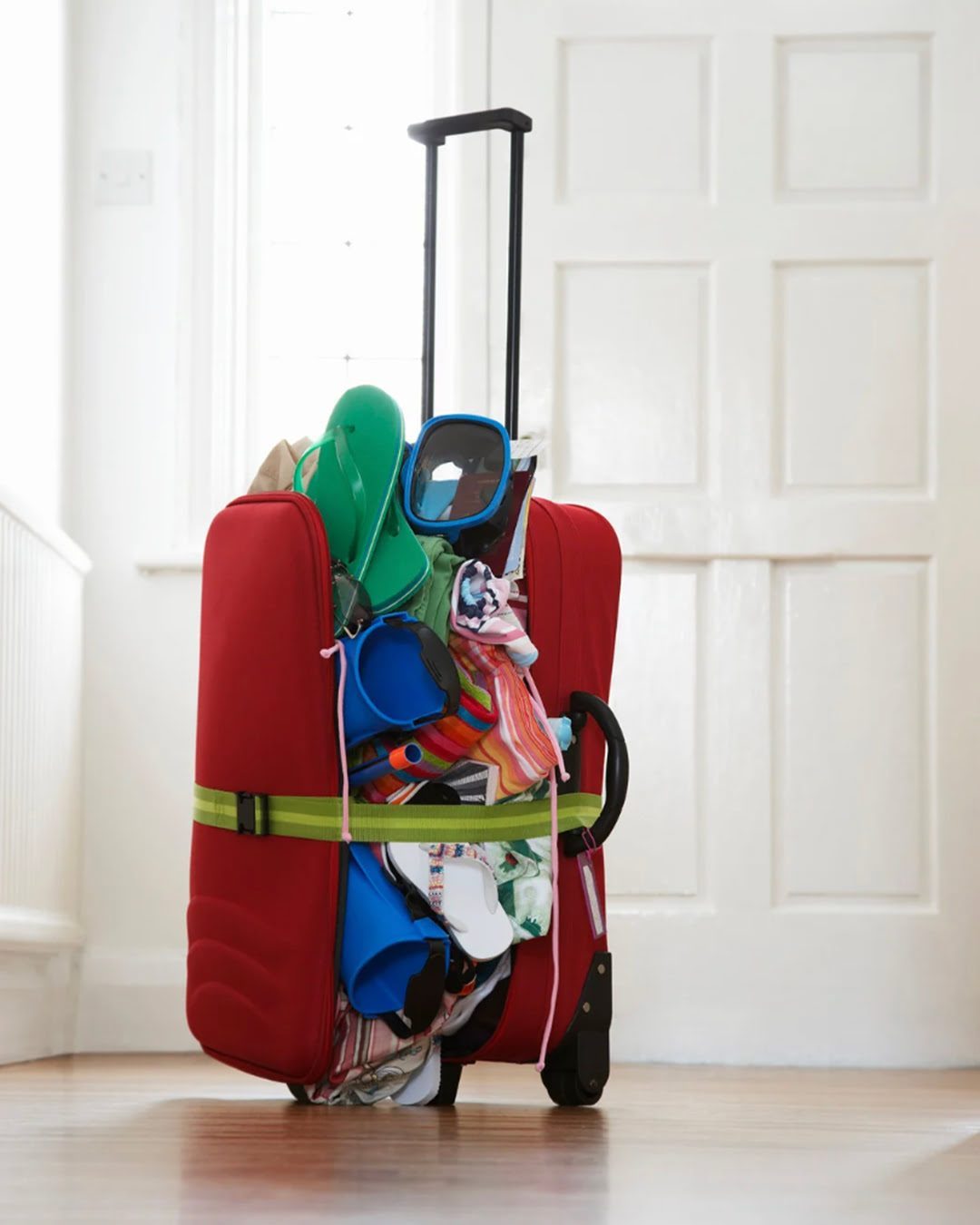
Go over either limit and you’re in overweight or oversized territory. That’s where airlines really cash in.
Common patterns:
- Overweight fees are brutal. They’re often higher than the original bag fee. You might pay $45 for the bag and another $100+ because it weighs 55 lbs instead of 50.
- Oversized fees can stack. If your bag is both overweight and oversized, you can be charged both fees on top of the base bag fee.
- Paying at the airport costs more. Many airlines tack on $10–$20 per bag if you pay at the airport instead of online.
Ultra-low-cost carriers add another twist: dynamic pricing for bags. The same suitcase can cost different amounts depending on:
- Route and distance
- Season (peak vs off-peak)
- When you pay (at booking, during check-in, or at the gate)
That’s why airlines like Frontier and Spirit push you toward their online bag price tools. They know many people won’t check, and the procrastinators will pay the highest price at the airport.
Takeaway: The bag itself isn’t the only cost. When
you pay, how
you pack, and how heavy
your suitcase is can easily double your baggage bill.
4. Tools and Tricks: Know Your Fees Before You Book
Because baggage rules have turned into a maze, I treat checking fees as part of booking—not something I figure out the night before the flight.
Here’s how I get a realistic number before committing to any ticket or airline baggage fee comparison:
- Use airline bag calculators. Many airlines now have official tools. For example, United’s Checked Bag Fee Calculator lets you plug in your route and see estimated costs before you buy.
- Try third-party calculators. Tools like the luggage fee calculator described on TravelClosely help you compare multiple airlines and bag types in one place.
- Use fare comparison sites that include bags. Platforms like Farefinda (as described in their 2026 baggage comparison) help you compare fare + baggage, not just the base ticket.

When I’m planning, I literally write down two numbers for each airline:
- Base fare for everyone traveling
- Total baggage cost for the bags we realistically need
Then I add them together. Only then do I decide which airline is actually cheaper.
Takeaway: If you don’t know your baggage cost before you hit “purchase,” you’re guessing—and airlines are very good at profiting from that guess.
5. Designing Your Luggage Strategy: Personal Item, Carry-On, or Checked?
Once you understand how airline luggage pricing traps work, the next step is to design a luggage plan that fits your trip, not the airline’s revenue goals.
Option A: Personal Item Only (Maximum Savings)
This is the only universal way to avoid baggage fees across U.S. airlines: pack everything into a bag that fits under the seat in front of you.
When it works best:
- Trips under 4–5 days
- Solo travelers or couples
- Destinations where you can easily buy toiletries or small extras on arrival
On ultra-low-cost carriers that charge for overhead carry-ons, this kind of carry on only travel to avoid fees can save you $60–$120 per person per trip.
Option B: Carry-On Only (Smart Middle Ground)
On many legacy airlines, a standard carry-on is still free—though some basic economy baggage rules and costs now limit that. For short to medium trips, this is often the sweet spot.
When it works best:
- Trips up to about 7 days
- You’re willing to do laundry once
- You don’t need bulky gear (strollers, sports equipment, formal wear)
For a solo traveler, skipping checked bags usually saves $70–$90 per round trip and 20–30 minutes at baggage claim. It’s often the best balance in the checked bag vs carry on cost debate.
Option C: Strategic Checked Bags (When You Actually Need Them)
Sometimes checked bags are non-negotiable. Families with young kids, long trips, winter destinations, or special gear often end up here.
In that case, the goal isn’t to avoid checked bags; it’s to optimize them as part of your luggage strategy to save on flights:
- Share bags. Two well-packed checked bags for a family of four is usually cheaper than four half-empty ones.
- Stay under 50 lbs. Use a luggage scale at home. Avoid the overweight fee cliff at all costs.
- Prepay online. On many airlines, paying for bags during booking or online check-in is cheaper than paying at the airport.
Takeaway: Decide your luggage strategy before you buy the ticket. Then pick the airline and fare that fits that plan—not the other way around.
6. The Big Levers: Status, Credit Cards, and Fare Types
This is where the game flips. The same baggage system that punishes casual travelers can reward you if you know how to use it.
Elite Status
Most airline loyalty programs include at least one free checked bag for elites, often more. On United, for example, MileagePlus Premier members and their companions on the same reservation may get complimentary or increased baggage allowances, especially on certain routes and cabins.
If you fly the same airline regularly, that free bag benefit can be worth hundreds of dollars a year. It can also change which airline is actually cheapest for you, even if the base fare looks higher.
Co-Branded Credit Cards
This is one of the most underrated baggage hacks, especially for families trying to figure out how to avoid baggage fees without changing how they pack.
Many airline credit cards:
- Waive the first checked bag for the cardholder and companions on the same reservation (often up to 8–9 people)
- Only require that you used the card to buy the ticket or pay the taxes and fees
Do a quick break-even check:
- Expected annual checked bag fees: say $360 for a family of four flying once a year
- Card annual fee: maybe $95–$150
If your expected bag fees are higher than the annual fee, the card is financially worth it. Many families flying twice a year can save $400+ annually after accounting for the card fee.
Fare Types That Include Bags
Sometimes a higher fare class (like “Standard Economy” instead of “Basic Economy”) includes a checked bag or at least a free carry-on. When you add the cost of a bag to Basic Economy, the “more expensive” fare can actually be cheaper overall.
Takeaway: If you’re paying full baggage fees more than once a year, you’re probably leaving money on the table. Status, co-branded cards, and smarter fare choices can turn those fees into savings.
7. Advanced Moves: Shipping, Bundles, and When to Pay More on Purpose
Once you’ve nailed the basics, there are a few advanced moves that can make sense in specific situations—especially when standard airline baggage fees cost starts to look ridiculous.
Shipping Your Luggage
Services like LugLess market themselves as an alternative to airline baggage. You ship your suitcase ahead of time, skip baggage check and claim, and sometimes pay less than airline fees for heavy or multiple bags.
When it can make sense:
- Long trips with heavy luggage
- Families bringing lots of gear (ski trips, baby equipment, sports gear)
- Travelers who really value skipping baggage claim and reducing the risk of lost bags
It’s not always cheaper, but if you’re comparing shipping luggage vs airline baggage fees for a big trip, it’s worth getting a quote.
Buying Baggage Bundles Early
On ultra-low-cost carriers, timing matters a lot when it comes to bags:
- Cheapest: Add bags at the time of booking
- More expensive: Add during online check-in
- Most expensive: Pay at the airport or gate
Some airlines sell bundles that include a carry-on, checked bag, and seat selection at a discount. If you know you’ll need all three, the bundle can be a better deal than buying each piece separately.
Paying More for the Right Airline
Here’s a mindset shift: sometimes the smartest move is to pay a higher base fare on a more generous airline.
Example:
- Ultra-low-cost carrier: $150 fare + $120 in bags = $270
- Legacy carrier: $220 fare + $45 in bags = $265
The “expensive” airline is actually cheaper once you factor in luggage. On top of that, you may get better schedules, customer service, and loyalty benefits.
Takeaway: Don’t just ask, “How do I pay less?” Ask, What’s the smartest way to move my stuff from A to B for this specific trip?
Sometimes that means shipping, bundling, or even paying a higher fare.
8. Build Your Own Luggage Playbook (So Fees Stop Surprising You)
Airline baggage fees aren’t going away. If anything, they’re getting more complex and more profitable for airlines every year. But that doesn’t mean you have to keep getting ambushed at check-in.
Here’s a simple framework I use before every trip to avoid common baggage fee mistakes travelers make:
- Define your luggage reality. How many people? How many days? Any special gear? Be honest about what you’ll actually bring.
- Pick your strategy. Personal item only, carry-on only, or strategic checked bags?
- Price the bags. Use airline calculators and third-party tools to get real numbers for each airline you’re considering.
- Check your perks. Do you (or a travel partner) have elite status, a co-branded card, or a fare option that includes bags?
- Compare all-in costs. Base fare + baggage + any shipping or bundles. Then choose the best value, not just the lowest headline price.
Once you start thinking this way, baggage fees stop being a nasty surprise and become just another variable you control.
And that’s the real win: not avoiding every fee at all costs, but paying only for the luggage you truly need, in the smartest way possible.