
I spent years convinced airline status was the only way to fly comfortably. Then I did the math. Once airlines moved to spend-based status and started selling most of their premium seats, something became painfully clear: I was paying too much for loyalty.
If you’re always one flight away from the next tier, this guide is for you. Let’s walk through a simple, practical way to replace elite perks à la carte—so you keep the comfort but stop overpaying for airline status.
1. First Question: Do You Actually Need Airline Status?
Start with a blunt question: If I stopped chasing status tomorrow, what would I really lose?
Most airline loyalty programs today are built for high spenders, not just frequent flyers. Delta’s top tier can require well over $25,000 in qualifying spend. American, Delta, and United all lean heavily on revenue and credit card spend, not just miles flown. As Simple Flying points out, elite status has quietly turned into a $15,000+ spending club
.
At the same time, airlines are selling most of their first-class seats instead of giving them away as upgrades. One analysis found Delta went from selling about 14% of first-class seats to roughly 74%. Translation: the old dream of endless free upgrades is mostly gone.
So here’s the reset:
- Status is a luxury, not a necessity. It’s great if it falls into your lap via work travel or organic spend.
- Comfort is the real goal. Status is just one (expensive) way to get there.
- Buying airline perks à la carte often costs less than the extra flying and loyalty lock-in required for status.
If you pay for your own tickets or don’t fly every month, there’s a good chance the airline status vs buying perks equation tilts in favor of paying for comfort directly.
2. Break the Status Spell: What Perks Do You Actually Care About?
Most travelers don’t really want status. They want what it feels like: less stress, more comfort, a bit of control.
Strip away the marketing and you’re left with a short list of real benefits:
- Priority check-in and security
- Early boarding
- Free checked bags
- Better seats (extra legroom, aisle/window, closer to the front)
- Lounge access
- Occasional upgrades to premium economy or first
- Better treatment during delays and cancellations
Here’s the twist: you can buy almost all of these without status. And often for far less than the cost of chasing elite tiers.
From multiple breakdowns—including AAA, PointsPath, and Free Quinn Flyer—a pattern shows up again and again:
- Lower tiers mostly give you perks you can buy or get via credit cards.
- Higher tiers offer real power (same-day changes, better disruption handling), but demand serious spend or constant flying.
Your job is to ask: Which 2–3 perks actually change my trip?
For most people, it’s some mix of bags, boarding, seats, and lounges. Once you know that, you can build a focused plan to replace airline status benefits instead of chasing everything at once.
3. Bags, Boarding, and Seats: The Easy Perks to Replace
This is where the math starts to get interesting. Many of the most visible perks—free bags, early boarding, better seats—are the easiest to buy à la carte. If you’ve ever wondered about airline status vs buying perks, this is where the comparison gets very real.

Free checked bags
Entry-level status often gives you one free checked bag. But so do many airline credit cards with annual fees in the $95–$150 range. If you check bags a few times a year, that card can pay for itself without you ever touching a status tracker.
Compare that to spending $4,000–$5,000+ on flights just to reach the first tier, as outlined by Free Quinn Flyer. For most casual travelers, the card wins. The cost of checked bag fees vs airline status just doesn’t justify the chase.
Priority boarding
Early boarding is really about one thing: overhead bin space and less stress. You don’t need a shiny tier for that.
- Airline-branded credit cards often include priority boarding.
- Paid priority boarding add-ons can run about $10–$40 per flight.
- Extra-legroom or preferred seats usually come with earlier boarding groups.
If you fly a few times a year, paying $20–$40 per trip for priority boarding without status is still cheaper than the thousands in spend required to climb a loyalty ladder.
Better seats (without status)
Extra-legroom and preferred seats used to be reserved for elites. Now airlines are happy to sell them to anyone:
- Exit row / extra legroom: often $30–$150 per segment
- Preferred seats: closer to the front, sometimes $10–$40
Here’s the mindset shift: instead of flying extra trips to earn status for free
extra-legroom seats, just buy the seat you want on the flights that matter. You’ll often spend less overall and avoid being locked into one airline’s schedule and pricing.
On each booking, ask yourself: Is this a flight where comfort really matters?
If yes, pay for the better seat. If not, sit in regular economy and keep your money. That’s airline comfort on a budget in action.
4. Lounges and Security: Buying Peace and Productivity
For many travelers, lounges and faster security are the feel rich
perks that make elite status tempting. But again, you can buy these directly—and often in a way that fits your actual travel pattern.

Lounge access without status
According to a detailed analysis by LoungePair, frequent travelers (around 15+ trips per year) can easily break even on $400–$700 premium cards or lounge memberships. Why?
- Lounge visits can save roughly $20–$40 per airport stay on food, drinks, and Wi‑Fi.
- Over a couple of years, that can recoup $500–$1,000 in value.
- Quiet space and reliable Wi‑Fi turn dead time into productive time.
Even if you’re not flying that often, you still have options to replace airline status benefits here:
- Pay-per-use lounges: $30–$50 per visit, ideal if you take 6–10 trips a year.
- Premium credit cards: Many include Priority Pass, Amex, or bank-specific lounge access.
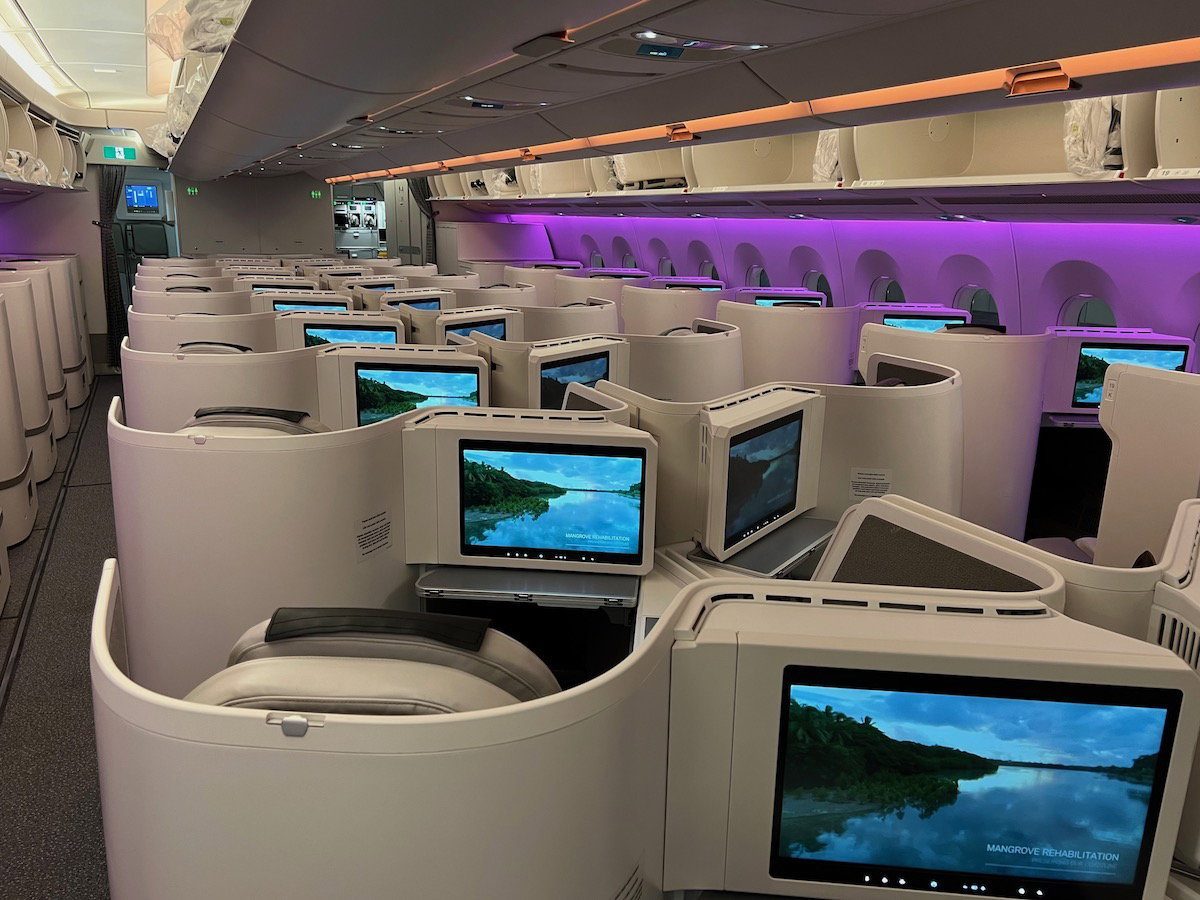
- Business-class tickets: For rare but important trips, buying a premium cabin can be smarter than chasing status for years.
Match your lounge strategy to your travel volume. If you only fly a handful of times a year, day passes usually beat annual fees. If you’re in airports monthly, a premium card or membership can make sense in a cost-benefit analysis.
Security and fast track
Some top-tier statuses include CLEAR or priority security lanes. But you can often get similar benefits without elite status:
- TSA PreCheck / Global Entry: Many travel credit cards reimburse the application fee.
- CLEAR: Often discounted via airline partnerships or cards.
Instead of flying thousands of dollars’ worth of tickets to unlock faster security, you can pay a one-time fee (often reimbursed) and enjoy the benefit no matter which airline you fly.
5. Upgrades and Premium Cabins: Stop Chasing, Start Choosing
This is the emotional core of airline loyalty: the fantasy of being surprised
with a first-class seat. But the industry has moved on. Airlines now sell most premium seats, often at discounted upgrade rates, instead of handing them out to elites.
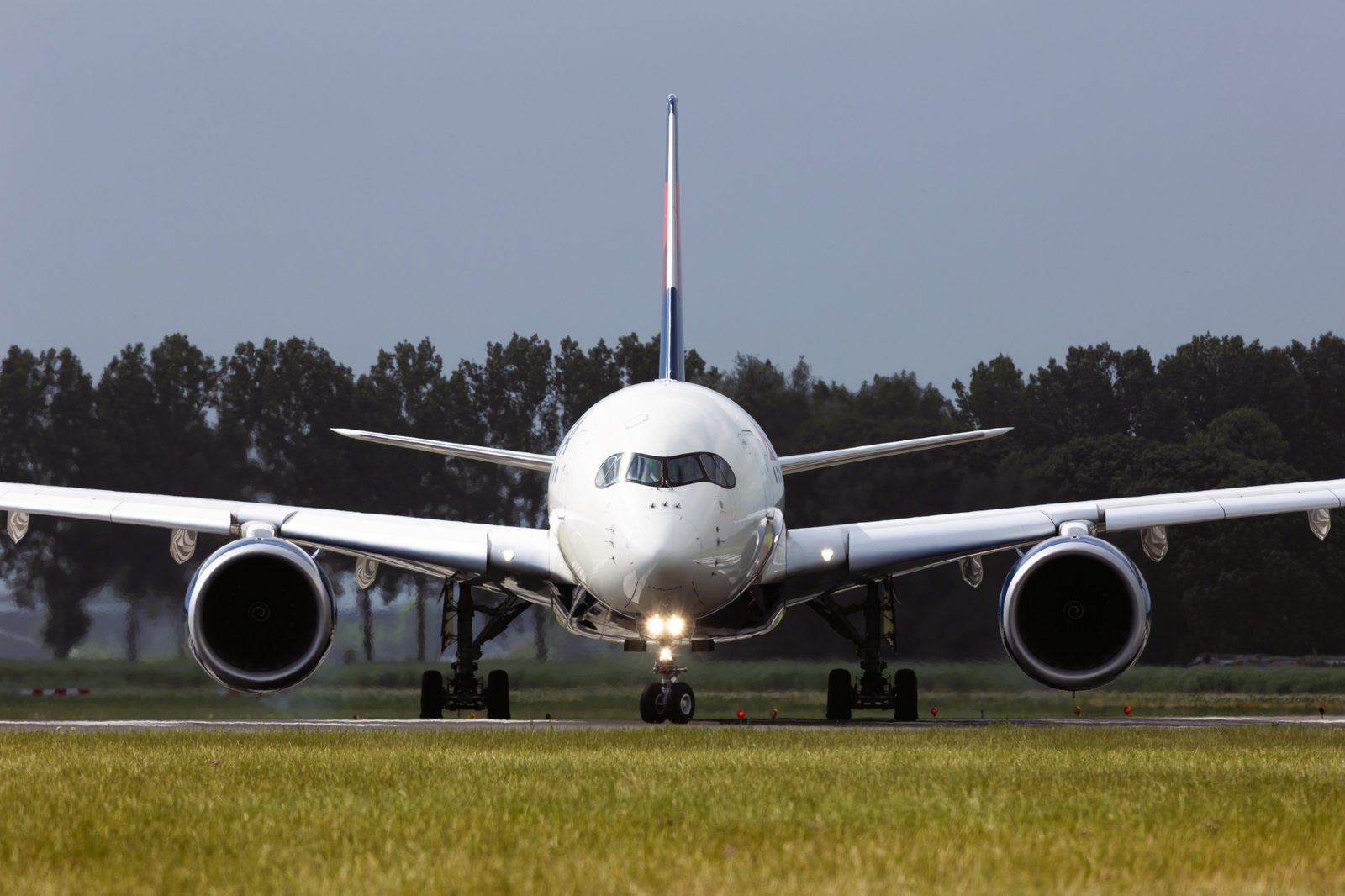
Multiple sources—from PointsPath to Lazy Points—highlight the same trend: complimentary upgrades are rarer, especially on popular routes and peak times.
So instead of hoping for upgrades, try a different approach.
1. Decide when premium is truly worth it
On each trip, ask:
Is this a red-eye or long-haul where sleep really matters?
Is this a special trip where I want the experience to feel elevated?
Is this a work trip where I need to be productive on arrival?
If the answer is yes, consider:
- Booking premium economy or business outright when prices are reasonable.
- Using miles or points for premium cabins.
- Watching for discounted cash upgrades in the app or at check-in.
Instead of chasing airline elite status, you’re choosing when to pay for comfort.
2. Compare the cost of status vs. buying premium
Imagine you’d need to spend an extra $3,000–$5,000 on flights (or skip cheaper airlines) to maintain a mid-tier status that might get you a few upgrades.
Now imagine taking that same $3,000 and using it to:
- Buy 2–3 business-class tickets on key trips, or
- Upgrade selectively on flights where comfort matters most.
In many cases, buying premium when you need it beats gambling on upgrades. You get certainty instead of hope—and you’re no longer stuck in airline loyalty mistakes like mileage runs that don’t really pay off.
3. Use points and miles as your upgrade engine
Instead of pouring all your spend into one airline for status, consider flexible points (from banks or programs like Bilt) that transfer to multiple airlines. As Lazy Points notes, this lets you:
- Book award flights in premium cabins across different airlines.
- Accidentally earn status with one carrier if it happens naturally.
In other words, let your points strategy drive comfort, not your status obsession. It’s a quieter, more flexible way to get extra legroom vs elite status without locking yourself in.
6. Disruptions and Customer Service: The One Perk That’s Harder to Replace
Here’s where it’s worth being honest: top-tier status still shines during irregular operations—delays, cancellations, missed connections. Dedicated phone lines, priority rebooking, and empowered agents can save you hours and sometimes hundreds of dollars.
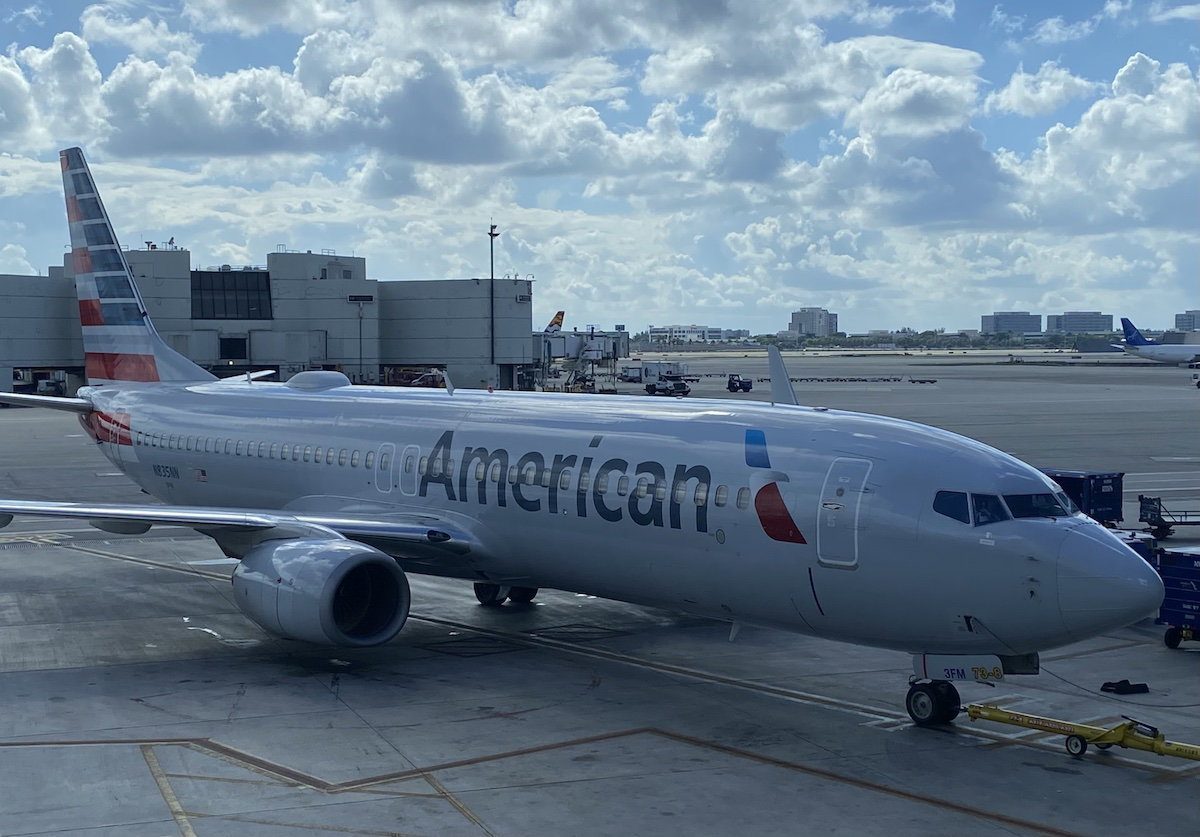
But you have to ask whether that benefit is worth the cost for you.
From AAA and Frugal Flyer discussions, a clear pattern emerges:
- If you fly monthly or more, especially for work, and someone else pays for your tickets, high status can be worth it.
- If you fly a few times a year on your own dime, it usually isn’t.
So how do you protect yourself without elite status?
- Book smart: Avoid tight connections, especially in winter or at delay-prone hubs.
- Know your rights: Learn your airline’s rebooking and compensation policies.
- Use multiple channels: When things go wrong, try the app, website, and airport agents at the same time.
- Consider travel insurance: Especially for expensive or complex trips.
Is this as powerful as a top-tier hotline? No. But for most leisure travelers, it’s good enough—and far cheaper than spending thousands to maintain a tier you rarely use.
7. Build Your Personal À la Carte Comfort Plan
Let’s turn all of this into something you can actually use. Here’s a simple framework to design your own status-free comfort strategy and stop chasing airline status just for the label.
Step 1: Define your travel profile
Answer these honestly:
- How many trips do you take per year?
- Who pays for most of your flights—you or your employer?
- Are your trips mostly domestic, short-haul, or long-haul?
- What stresses you most: lines, seats, delays, or cost?
This matters because the value of airline elite status vs buying perks is highly personal. A regional sales director flying weekly has different needs than a family taking two big trips a year.
Step 2: Pick your top 3 comfort priorities
From this list, choose your top three:
- Fast check-in and security
- Overhead bin space / early boarding
- Legroom and seat location
- Lounge access
- Premium cabins on key trips
- Strong disruption support
Everything else is noise. Focus your money and strategy on these. That’s how you get airline comfort on a budget without wasting effort.
Step 3: Match each priority to an à la carte solution
Here’s a quick mapping to help you replace airline status benefits one by one:
- Fast check-in/security: TSA PreCheck, Global Entry, CLEAR, or business-class tickets on key trips.
- Early boarding: Airline credit card, paid priority boarding, or extra-legroom seats.
- Legroom/seats: Paid extra-legroom or preferred seats, booking earlier, or choosing airlines with better standard seat pitch.
- Lounge access: Pay-per-use lounges, premium credit cards, or occasional business-class tickets.
- Premium cabins: Selective cash upgrades, miles/points redemptions, and watching for sales.
- Disruption support: Smart routing, travel insurance, and flexible tickets when risk is high.
This is your à la carte menu. You’re no longer locked into a single airline’s ecosystem just to feel comfortable.
Step 4: Decide how much loyalty you actually want
You don’t have to be either a free agent
or a super loyalist
. There’s plenty of middle ground:
- Light loyalty: Favor one or two airlines when prices and schedules are similar, but don’t overpay just to earn points.
- Card-based loyalty: Use one airline’s ecosystem (like American’s Loyalty Points) if the math works, but don’t fly extra just for status.
- True free agent: Always book the best schedule and price, and build comfort via credit card perks and à la carte add-ons.
As One Mile at a Time notes, even hardcore aviation enthusiasts are increasingly acting like free agents, only pursuing status when it naturally fits their existing travel and spend.
8. The Bottom Line: Comfort Is a Choice, Not a Tier
Airlines want you to believe that comfort lives behind a status wall. The modern reality is different. Most of the perks you care about can be bought directly—often more cheaply, more flexibly, and without tying yourself to one airline’s prices and schedules.
So next time you’re tempted by a mileage run or a status challenge, pause and ask:
What am I really buying here—comfort, or a label?
Could I get the same comfort by paying for specific perks instead?
If I took the money I’d spend chasing status and used it on premium seats, lounges, and better timing, would I be happier?
You don’t have to quit status overnight. But you can start shifting from How do I climb the ladder?
to How do I design the trip I actually want?
Because in the end, comfort is a decision you make on each flight—not a tier you unlock once a year.