You can book a great fare, feel smug about your “cheap” trip… and then get hit with a wave of charges on airport day. Parking. Bags. Food. Seat fees. A “priority” lane you didn’t really need. It adds up before you’ve even seen the plane.
I treat airport day like a challenge: How much money can I avoid spending before I board?
This step‑by‑step airport budget plan is what I actually use to dodge hidden airport costs and those sneaky airport day spending traps.
1. Before You Leave Home: Lock In the Big Savings
Most of the damage happens before you roll your suitcase out the door. That’s where the biggest, easiest savings live.
- Pick the right airport and flight time. Nearby airports can have wildly different fares and fees. A smaller or alternative airport can mean cheaper tickets, lower parking, and fewer crowds. Early morning flights are often cheaper and less delay‑prone, which cuts the risk of expensive last‑minute changes.
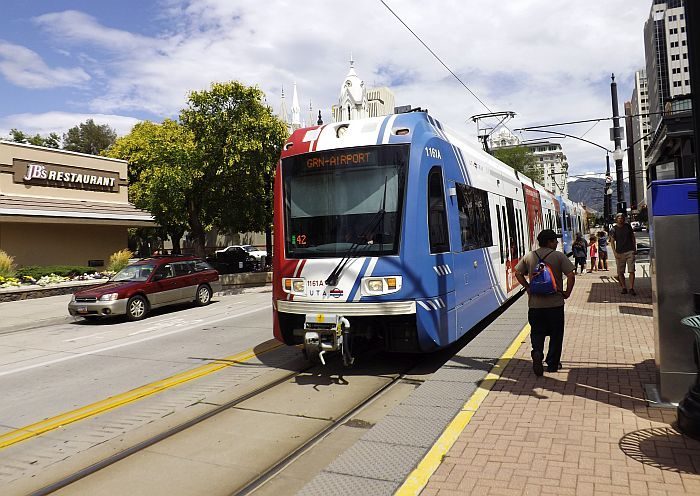
- Compare how you’ll get to the airport. Don’t just default to driving. Price out public transit, rideshare/taxi, driving + parking, and hotel shuttles. In big cities, on‑site parking can run $30–$100+ per day. Off‑site lots and apps like SpotHero or Parkos often cut that by 25–50% and include a shuttle.
- Reserve parking in advance if you must drive. Pre‑booking off‑site parking can save a chunk of cash and guarantees a spot. Check for membership discounts (AAA, warehouse clubs, employer perks) before you pay.
- Study your airline’s fee traps. Before airport day, read the baggage and seat policies. Some low‑cost carriers charge for everything—carry‑ons, printing boarding passes, even paying at the airport instead of online. A quick mock booking up to the payment page will usually reveal all the add‑ons.
Takeaway: Decide your airport, transport, and parking before the day of travel. That’s the foundation of any cheap airport day strategy.
2. Check-In & Boarding Pass: Beat the Counter Fees
The check‑in desk is where “convenience” fees like to hide. My goal is to walk past it.
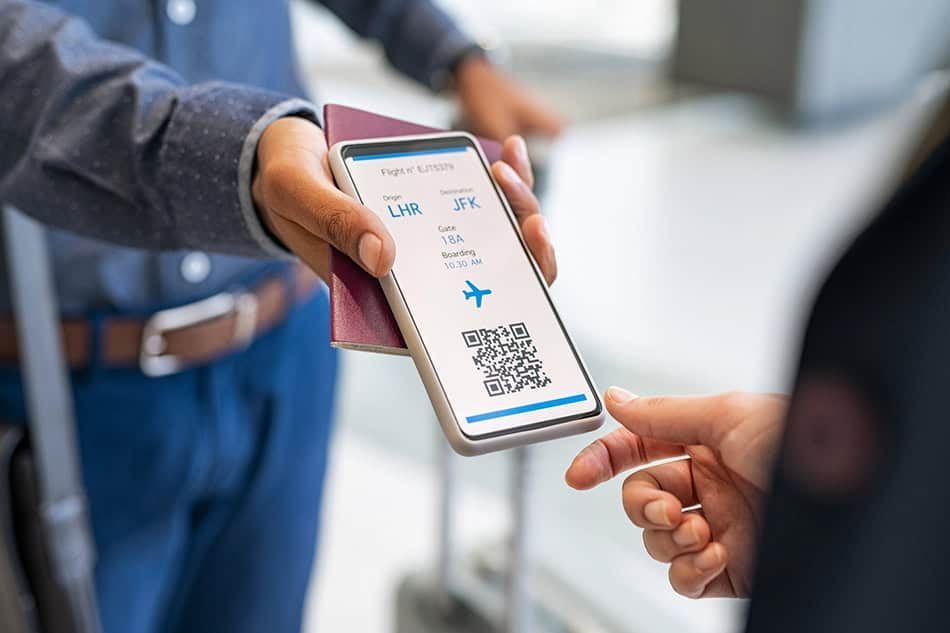
- Check in online as soon as it opens. Usually that’s 24 hours before departure. It locks in your booking, exposes any surprise fees early, and often gives you better seat options. Save a screenshot of your mobile boarding pass so you’re not relying on Wi‑Fi or a glitchy app.
- Use the airline app. It’s more than a digital boarding pass. Apps push gate changes, delays, and rebooking options faster than the airport screens. That can save you from missed flights and pricey last‑minute fixes.
- Skip paid seat selection when it doesn’t matter. Airlines love to nudge you into paying for a seat. For short flights where I don’t care where I sit, I skip the fee and let the system assign a seat at check‑in. Families, tall travelers, or anyone with specific needs are different—but always ask:
Is this $30 seat actually worth $30?
- Print at home if your airline charges at the airport. Some ultra‑low‑cost carriers charge to print boarding passes at the counter. If that’s your airline, show up with everything already done and avoid that easy upsell.
Takeaway: A few minutes on your phone at home can help you avoid extra airport fees and skip the counter entirely.
3. Bags: How to Avoid Paying to Move Your Own Stuff
Baggage fees are where “cheap” flights quietly double in price. This is where a little planning saves a lot.
- Know your airline’s exact rules. Carry‑on size and weight limits vary by airline and even by route. Some budget airlines charge for carry‑ons but allow a free personal item. Check the dimensions, then weigh your bag at home with a simple luggage scale so you’re not paying overweight fees at the counter.
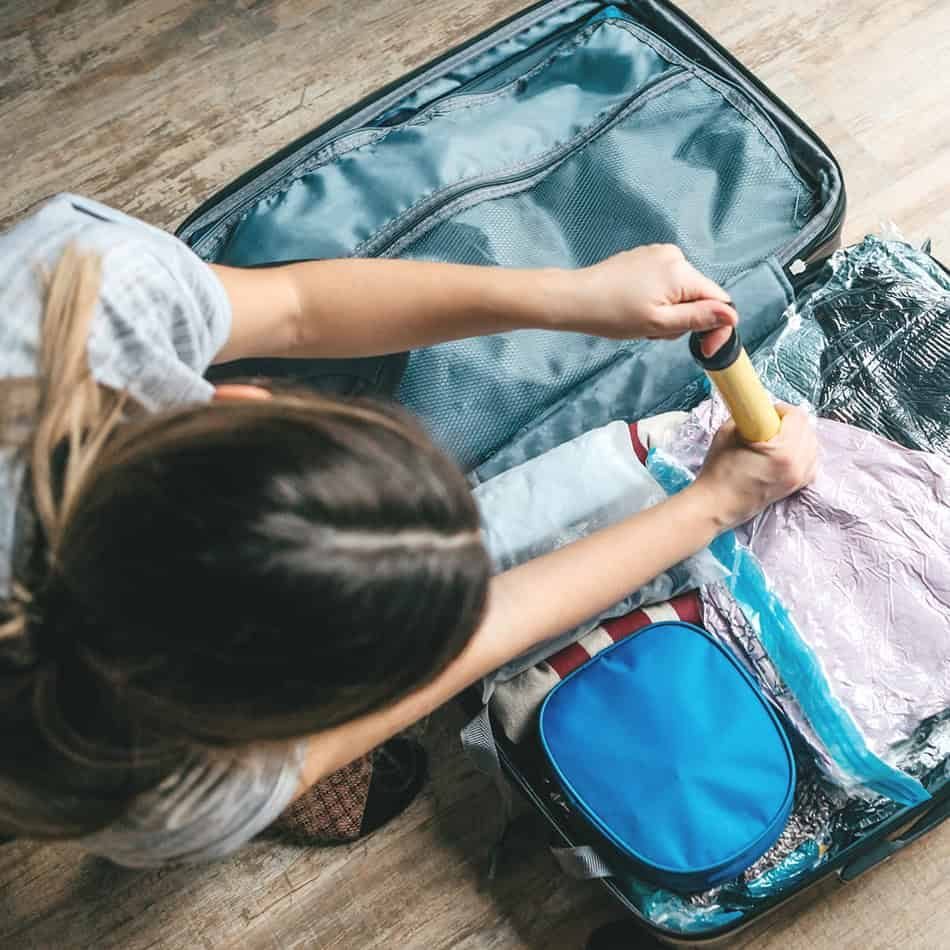
- Travel carry‑on only when you can. One carry‑on plus one personal item can save $40–$60 each way on many airlines. Roll clothes, use packing cubes or compression bags, and wear your bulkiest shoes and layers on the plane.
- Max out the personal item. A small backpack or soft tote that fits under the seat can hold more than you’d expect. I consolidate smaller bags into one larger personal item to avoid extra charges and keep essentials close.
- Compare fares with bags included. Sometimes “basic economy + bag fee” costs more than a regular economy fare that includes a checked bag and seat selection. Look at the total cost, not just the headline price.
- Use credit card perks wisely. Some airline or travel cards include free checked bags or annual travel credits. If you already have one, make sure the ticket is booked on that card and your frequent flyer number is attached so the benefit actually triggers.
Takeaway: Decide your baggage strategy before you pack. The airport is the most expensive place to find out your bag is too big, too heavy, or not included.
4. Security & Waiting Time: Don’t Pay to Skip Lines You Could Have Avoided
Airports love selling “priority” and “fast track” access. Sometimes it’s worth it. Often, good timing and prep do the same job for free.
- Prep your bag for security at home. Put liquids in a clear bag and keep electronics in an easy‑access pocket. Slip‑on shoes, no metal belts, and minimal jewelry make the line move faster. The smoother you are, the less tempted you’ll be by paid fast‑track lanes.
- Use trusted traveler programs if you fly often. TSA PreCheck or Global Entry can be a smart investment if you travel regularly to or within the U.S. Spread over multiple trips, the fee is often cheaper than paying for one‑off VIP lanes or missing a flight.
- Choose your line strategically. Take a second to scan the options. Lines with business travelers or solo adults who look like they’ve done this before usually move faster. With kids, ask about family lines. Sometimes just walking to the far left or right gives you a shorter queue for free.
- Arrive at a sane time. Cutting it close is how you end up paying for priority boarding, last‑minute changes, or even a whole new ticket. I’d rather arrive a bit early and use that time comfortably than pay to fix avoidable problems.
Takeaway: Good prep and timing beat most paid “priority” options. Don’t buy speed you can get for free with a little planning.
5. Food, Drinks & Lounges: Stop Bleeding Cash in the Terminal
This is where most people quietly overspend. A coffee here, a snack there, and suddenly airport day on a budget doesn’t feel so budget‑friendly.
- Bring your own water bottle. Pack an empty bottle and fill it after security. Airport drinks are often 3–5x normal prices. Some travelers even freeze a bottle before leaving home so it passes security as a solid and melts slowly.
- Pack real snacks, not just a granola bar. Nuts, sandwiches, wraps, cut fruit, or leftovers in a small container are usually fine through security (liquid rules still apply). This alone can save $15–$30 per person and helps you avoid those airport food cost vs bringing your own regrets.
- Eat before you get to the airport when you can. A normal‑priced meal at home or near your hotel beats airport markups every time. I treat airport food as backup, not the main plan.
- Run the math on lounges. Lounges can actually be cheaper than buying food and drinks in the terminal, especially on long layovers. Day passes or credit card access can get you Wi‑Fi, snacks, and a quiet seat for less than you’d spend wandering between overpriced cafés.
- Know your rights to vouchers. If your flight is delayed or changed, it’s worth asking (politely) about meal vouchers or compensation. Airlines don’t always offer them automatically, and this can soften the blow of unexpected airport day costs.
Takeaway: Treat airport food as a last resort. Walk in with water, snacks, and a clear plan—lounge or no lounge—and you’ll spend far less.

6. Gate Games: Avoid Last-Minute Upsells and Panic Purchases
The gate area is the final sales pitch. Early boarding, seat upgrades, extra bags—this is where airlines try to squeeze out a few more dollars.
- Remember what boarding groups are really about. They’re mostly about overhead bin space. If you’re traveling light with just a personal item under the seat, paying for early boarding rarely makes sense. I only consider it if I have a large carry‑on and a nearly full flight.
- Don’t buy “peace of mind” you already have. If your bag is checked, your seat is confirmed, and your connection is reasonable, you probably don’t need priority boarding or extra insurance. Ask yourself:
What problem is this fee actually solving?
- Use the app to rebook instead of queuing. When delays or cancellations hit, I get in line at the desk and open the airline app or call customer service. Often I can rebook for free in the app while others are still waiting, which helps avoid panic purchases of new tickets.
- Keep essentials in your personal item. Headphones, meds, chargers, a light layer, and snacks stay with me. That way I’m not tempted to buy overpriced versions in the terminal because my stuff is buried in the overhead bin or checked luggage.
Takeaway: The gate is designed to make you feel rushed and underprepared. Slow down, use the app, and only pay for upgrades that solve a real, specific problem.
7. The 10-Minute Pre-Trip Audit (Your Anti-Fee Checklist)
Right before a trip, I run through a quick mental checklist. It’s not glamorous, but it regularly saves me $50–$200 and keeps my airport day on a budget instead of a blowout.
- Transport: How am I getting to the airport, and have I compared parking vs. rideshare vs. transit?
- Check-in: Am I checked in online with a saved boarding pass?
- Bags: Do I know my airline’s baggage rules, and have I weighed my luggage?
- Money: Do I have a no‑foreign‑transaction‑fee card or a plan to avoid terrible airport exchange rates?
- Food & water: Do I have an empty bottle and real snacks packed so I’m not stuck with overpriced airport options?
- Apps & power: Is the airline app installed, and do I have a charged power bank and cables?
Takeaway: Ten minutes of planning at home beats an hour of stress and a pile of junk fees at the airport.
If you remember nothing else, remember this: airports and airlines are built to monetize your stress and your lack of preparation. The more you decide in advance—how you’ll get there, what you’ll carry, what you’ll eat—the less you’ll pay when it’s too late to shop around.
Next time you fly, treat airport day like a challenge: How low can you keep your spend before boarding? When you stop paying for problems you could have solved at home, those hidden airport costs suddenly get a lot smaller.