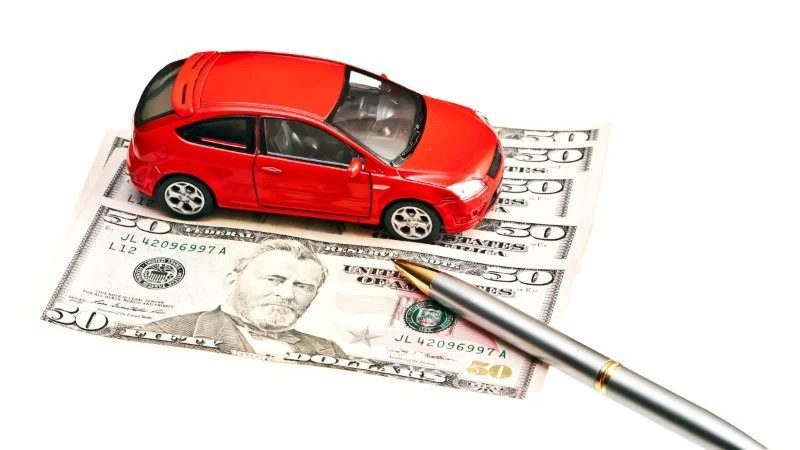
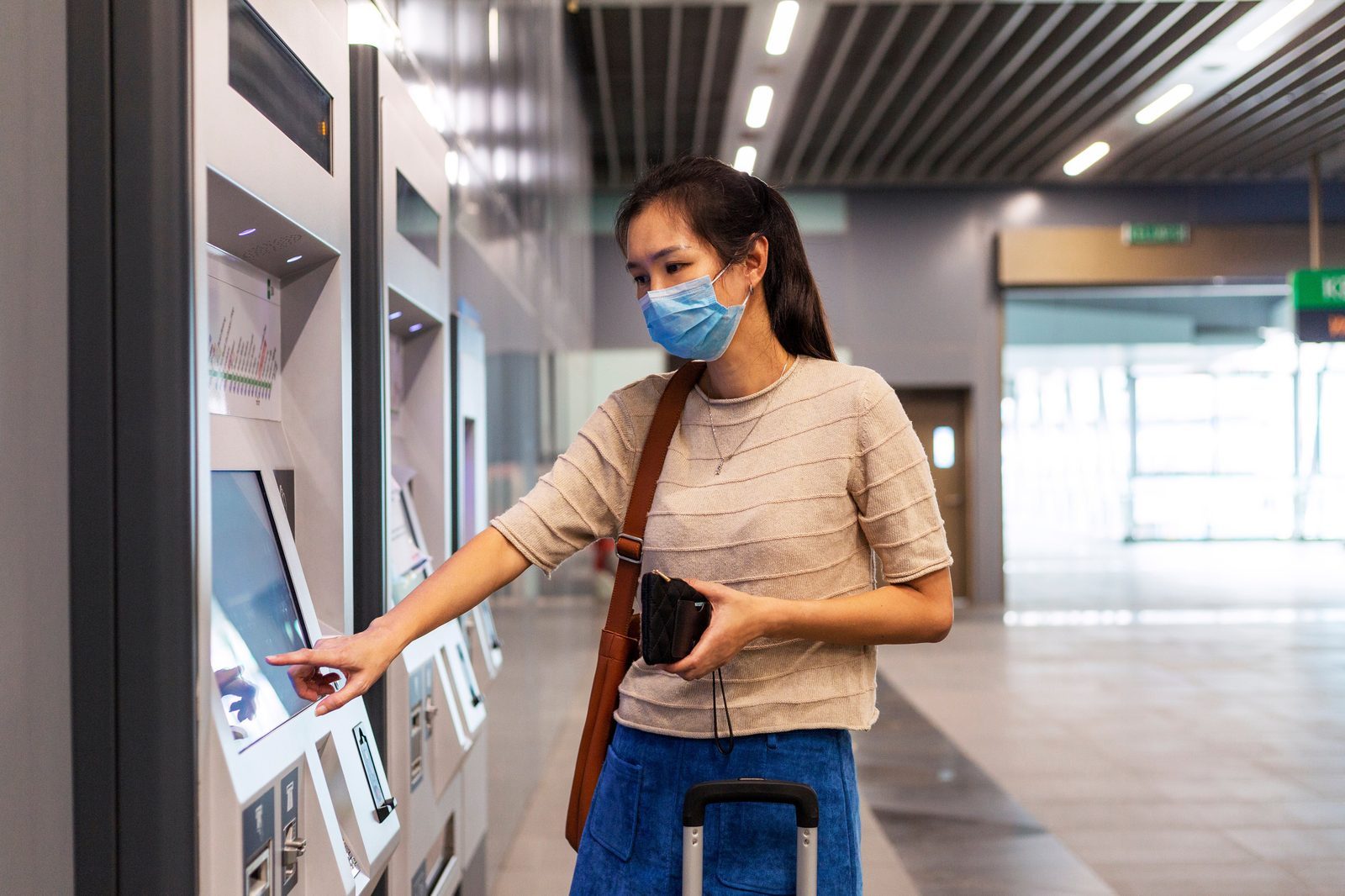
I don’t usually blow my travel budget on five-star hotels or business-class flights. I blow it on the quiet stuff. The tiny, boring, fine-print charges that don’t look like much until I add them up on the flight home and wonder where my money went.
If you’ve ever come back from a “cheap” trip that somehow cost 30–50% more than you planned, this guide is for you. Let’s walk through the hidden travel costs that quietly kill your budget – and the exact moves I use to shut them down before they hit my card.
1. The Real Price of Flights: Fees, Seats, and “Free” Miles
When I’m hunting flights, I assume the first price I see is a lie. Not because airlines are evil, but because the game is designed that way.
Here’s what quietly inflates your airfare and turns cheap flights into not-so-cheap ones:
- Baggage fees: Checked bags, overweight bags, and sometimes even carry-ons.
- Seat selection: Paying just to avoid the middle seat – per person, per segment.
- Phone booking fees: Extra charges if you call instead of booking online.
- Award ticket “gotchas”: Taxes, fuel surcharges, and change/redeposit fees on “free” flights.
The worst part? These fees often show up after
you’ve emotionally committed to the trip.
How I avoid getting burned by hidden travel costs on flights:
- Compare final totals, not teaser fares. On comparison sites, I click through to the last page before payment and look at the
total with taxes and fees
. I ignore the headline price. - Check baggage rules before I book. I look up each airline’s baggage policy (checked, carry-on, weight limits). Sometimes a “more expensive” airline with a free checked bag is cheaper than a low-cost carrier once I add luggage.
- Do the math on seat selection. If seat selection is $25 per segment and I have 4 segments, that’s $100 per person. For a family of four, that’s $400. I ask:
Is this worth it, or can we tolerate random seats on a short flight?
- Choose flexibility strategically. If there’s a real chance I’ll need to change dates, I compare a flexible fare vs. a cheap fare + change fee. Often the flexible ticket is actually the better deal.
- Treat miles like a discount, not a freebie. When I use miles, I check the cash price of taxes and surcharges. If I’m paying $350 in fees for a $450 flight, I’d rather save the miles for a more expensive route.
If you want to go deeper on airline fees, award ticket traps, and other unexpected travel expenses, resources like The Professional Hobo and Money Crashers break down specific airline tricks.

2. Airports: Where Your Budget Goes to Die
Airports are where I used to hemorrhage money without noticing. Not on flights – on everything around them.
The usual suspects:
- Airport parking: Weekly rates, surprise surcharges, or misreading
per day
vs.per week
. - Airport transfers: Taxis, rideshares, or hotel shuttles that cost more than a budget flight.
- Food and drinks: $18 salads, $6 water, and
just one
airport coffee that turns into three.
These aren’t glamorous costs, so we don’t plan for them. But they can easily add $50–$150 per travel day.
How I keep airport costs under control (and avoid surprise fees when traveling):
- Price out the full door-to-door route. When I budget a trip, I include: home → airport, airport → hotel, and the same on the way back. I compare parking vs. rideshare vs. public transit.
- Pre-book parking. I use off-site lots or pre-booked airport parking when it’s cheaper. I always read the fine print on
per day
vs.per 24 hours
. - Pack airport food. I bring a refillable bottle, snacks, and sometimes a simple meal. I still buy the occasional coffee, but I’m not forced into a $40 airport lunch.
- Know the transfer cost before landing. I check if there’s a fixed-rate taxi, airport train, or bus. In some cities, the airport express train is cheaper and faster than a cab.
Once I added a line in my budget called “airport + transfers”, my total trip cost suddenly became honest.

3. Hotels and Rentals: The Price You See Is Not the Price You Pay
Accommodation is where I’ve seen the sneakiest fees. The nightly rate looks fine. Then at checkout, the bill has grown a second head.
Common hidden travel costs in hotels and rentals:
- Resort fees / facility fees: Mandatory charges for pools, gyms, or
amenities
you may not even use. - City / tourist taxes: Per person, per night, often added at check-in or checkout.
- Wi‑Fi, parking, and “service” fees: Especially in big cities and resorts.
- Minibar and in-room snacks: The classic budget ambush.
In some destinations, these extras can add 5–15% or more to your accommodation cost.
How I protect my accommodation budget from surprise fees:
- Read the “fees & policies” section every time. Before I book, I scroll past the pretty photos and look for words like
resort fee
,city tax
,tourist levy
,service charge
, andparking
. - Compare total nightly cost, not just the base rate. I calculate: (room rate + taxes + mandatory fees) ÷ number of nights. That’s the real price.
- Ask directly if it’s unclear. I email or message the property:
Can you confirm the total nightly cost including all taxes and mandatory fees?
If they dodge the question, I book elsewhere. - Budget a nightly buffer. For cities known for tourist taxes (Barcelona, New York, Dubai, etc.), I add a small nightly buffer (e.g., $10–$20 per night) so I’m not surprised.
- Watch out for parking. In city centers and on road trips, I always check hotel parking fees. Sometimes a slightly more expensive hotel with free parking is cheaper overall.
Once you start comparing all-in prices, some “cheap” hotels stop looking cheap at all.

4. Money, Cards, and Phone Data: The Invisible 2–3% That Adds Up
Some of the most dangerous travel costs are the ones you never see on a receipt: bank fees, bad exchange rates, and roaming charges.
Here’s what quietly eats into your budget:
- Foreign transaction fees: Often 2–3% on every purchase in a foreign currency.
- ATM fees and poor exchange rates: Especially at airport kiosks and touristy areas.
- Dynamic currency conversion: Being charged in your home currency at a worse rate.
- Roaming and data charges: Background app updates and maps quietly burning through your plan.
Individually, these look small. Over a two-week trip, they can be the difference between staying on budget and going over by hundreds.
How I keep financial and phone costs under control (and avoid common travel money mistakes):
- Use at least one no-foreign-transaction-fee card. Before a trip, I check my cards. If none qualify, I consider getting one specifically for travel.
- Withdraw cash strategically. I avoid airport exchange booths and frequent small ATM withdrawals. I take out a reasonable amount at a bank ATM with a good card, then top up only when needed.
- Always choose to pay in local currency. When a card machine asks, I decline the
pay in your home currency
option. That’s dynamic currency conversion, and it usually means a worse rate. - Check roaming before I leave. I log into my mobile account and see what roaming packages exist. If they’re bad, I plan to buy a local SIM or eSIM on arrival.
- Download maps and key apps offline. I download offline maps and key info over Wi‑Fi so I’m not burning data just to navigate.
If you want a deeper dive into these money leaks, guides like Plan Ready Go and Kevmrc break down foreign transaction and FX strategies in more detail.

5. The “Small Stuff” That Blows Up Your Daily Budget
When I look back at my most expensive trips, it’s rarely one big mistake. It’s a thousand tiny ones.
Things I used to forget to budget for:
- Snacks, drinks, and coffee throughout the day.
- Souvenirs and impulse buys – magnets, T‑shirts, local crafts.
- Tips and service charges for guides, drivers, hotel staff, and restaurants.
- Local transport – metro, buses, trams, taxis, rideshares, bike rentals.
- Toiletries and weather gear you forgot to pack (umbrella, sunscreen, hat, adapter).
- Pet care back home – boarding, pet sitters, dog walkers.
Individually, these feel harmless. Together, they can add $20–$60 per person per day.
How I keep the “small stuff” from exploding my travel budget:
- Create a daily “micro-spend” budget. I set a realistic amount for snacks, drinks, small transport, and little extras. Then I track it loosely in a notes app.
- Research tipping norms. I check what’s standard in my destination. In some places, tipping is minimal; in others, 15–20% is expected. I budget accordingly.
- Plan for local transport. I estimate how many rides or tickets I’ll need per day and multiply by the local cost. I’d rather overestimate than pretend it’s free.
- Pack a “don’t buy this again” kit. I bring a small travel kit with painkillers, bandages, basic meds, sunscreen, and a compact umbrella. Buying these in tourist areas is always more expensive.
- Include home costs in the trip budget. If I’m paying for pet care or house sitting, that goes into the trip total, not a separate mental category.
I also like the idea from SmarterTravel: add a small daily miscellaneous buffer
(say $20–$25). If you don’t use it, great. If you do, you’re covered.

6. Pre-Trip and Post-Trip Costs You Probably Aren’t Counting
Most of us only budget from the moment we leave home to the moment we get back. But money leaks on both sides of the trip.
Pre-trip costs I’ve underestimated:
- Passport and visa fees, especially expedited processing.
- Travel programs like TSA PreCheck or Global Entry – not mandatory, but tempting.
- New clothes, shoes, and luggage bought
for the trip
. - Beauty appointments or grooming before you go.
Post-trip costs that still belong to the trip:
- Final parking or rideshare home from the airport.
- Grocery restock when you return to an empty fridge.
- Unpaid time off if you’re self-employed or hourly.
These aren’t optional. They’re part of the real cost of traveling.
How I handle before-and-after costs in my budget:
- Start with documents. If I need a new passport or visa, that’s the first line in my trip budget, not an afterthought.
- Be honest about “trip shopping.” I set a cap for pre-trip purchases. If I’m buying a new jacket or suitcase, I treat it as part of the trip cost.
- Decide if fast-track programs are worth it. TSA PreCheck or Global Entry can be great if I travel often. I divide the fee by the number of trips I expect to take during its validity. If the per-trip cost feels reasonable, I go for it.
- Add a post-trip line item. I include airport parking/ride home and a small grocery restock in my total trip budget. It’s not glamorous, but it’s real.
Once you include these, your budget stops being fantasy and starts matching your bank statement.
7. A Simple System to Make Hidden Costs… Not Hidden
Here’s the mindset shift that changed how I travel:
The problem isn’t that travel is expensive. It’s that we pretend parts of it don’t exist.
Instead of trying to remember every possible fee, I use a simple structure. For every trip, I budget in these categories:
- 1. Getting there and back: Flights + baggage + seat fees + airport transfers + parking.
- 2. Sleeping: Room rate + taxes + resort fees + parking + Wi‑Fi if not included.
- 3. Daily living: Food, drinks, snacks, local transport, tips, small shopping.
- 4. Activities: Tours, museums, shows, day trips, gear rentals.
- 5. Money + phone: FX fees, ATM fees, SIM/eSIM, roaming packages.
- 6. Before and after: Passports, visas, pre-trip shopping, pet care, grocery restock, rides home.
Then I do three things to avoid classic travel budget mistakes:
- Estimate a realistic daily spend for categories 3 and 4 (daily living + activities).
- Add a buffer of 10–20% to cover surprises and emergencies.
- Track loosely, not obsessively. I jot down big spends and check in every few days. The goal is awareness, not perfection.
If you like tools, a simple spreadsheet or a trip cost calculator (like the ones on CostPerTrip) can help you plug in real numbers before you book.
Once you start planning for these hidden travel costs on purpose, something interesting happens: your trips feel more relaxed. You’re not shocked at checkout. You’re not afraid to open your banking app on the way home. You knew this was coming – and you were ready for it.
That’s the real win: not just saving money, but traveling without that low-level financial anxiety humming in the background.
8. Quick Checklist: Kill the Hidden Costs Before They Kill Your Budget
Before you book your next trip, run through this fast checklist. It’s a simple way to reduce extra travel charges and avoid overspending on vacation:
- Flights: Did you check baggage, seat, and change fees for your airline?
- Airports: Do you know how you’re getting to/from the airport and what it will cost?
- Accommodation: Have you confirmed resort fees, city taxes, parking, and Wi‑Fi?
- Money: Are you bringing at least one no-foreign-transaction-fee card and a plan for cash?
- Phone: Do you know your roaming options or which SIM/eSIM you’ll use?
- Daily spend: Have you set a realistic daily budget for food, transport, tips, and small purchases?
- Before/after: Have you included passports, visas, pet care, and post-trip costs in your total?
If you can honestly say yes
to most of these, you’re already ahead of where most travelers start. The trip might still surprise you – but your bank account won’t.