
I used to hunt down flight deals, juggle points, and feel smug about saving $60 on a ticket—then casually hit Request Uber
without even glancing at the price. More than once, the cost of getting to the airport came dangerously close to what I’d paid for a budget flight.
If you’ve ever watched a fare jump with surge pricing, then added tip and fees and thought, wait, how is this so much?, this guide is for you. Long before you board, your ride to the terminal can quietly wreck your travel budget.
Let’s break down what airport transport really costs, where the hidden traps are, and how to find the cheapest way to get to the airport without making your trip miserable.
1. The First Trap: I’ll Just Grab an Uber
Most of us start here. Phone out, app open, done. It feels easy and modern. But airport rides are where dynamic pricing really bites, especially during early morning airport transport or peak evening flights.
Typical rideshare pricing in many U.S. cities for standard services looks something like this:
- Base fare: about $2.50–$3.50
- Per mile: about $1.10–$2.00
- Per minute: about $0.20–$0.40
- Waiting fees after a short grace period
- Surge multiplier: 1.5x–3x+ during peak demand
That last line is the budget killer. A ride that should be $30–$40 can quietly turn into $70–$100+ if you’re traveling during a storm, a big event, or the Friday evening rush. Both CheapFareGuru and LatinoFare show real-world examples where surge doubles or triples fares.
Now, before I tap the app, I ask myself one uncomfortable question:
Would I still take this ride if the price jumped 2x in the next 30 seconds?
If the honest answer is no
, I put the phone down and compare. That tiny pause is the first step in budgeting for airport transport instead of just hoping for the best.

2. Taxi vs Rideshare: Predictable Pain or Price Roulette?
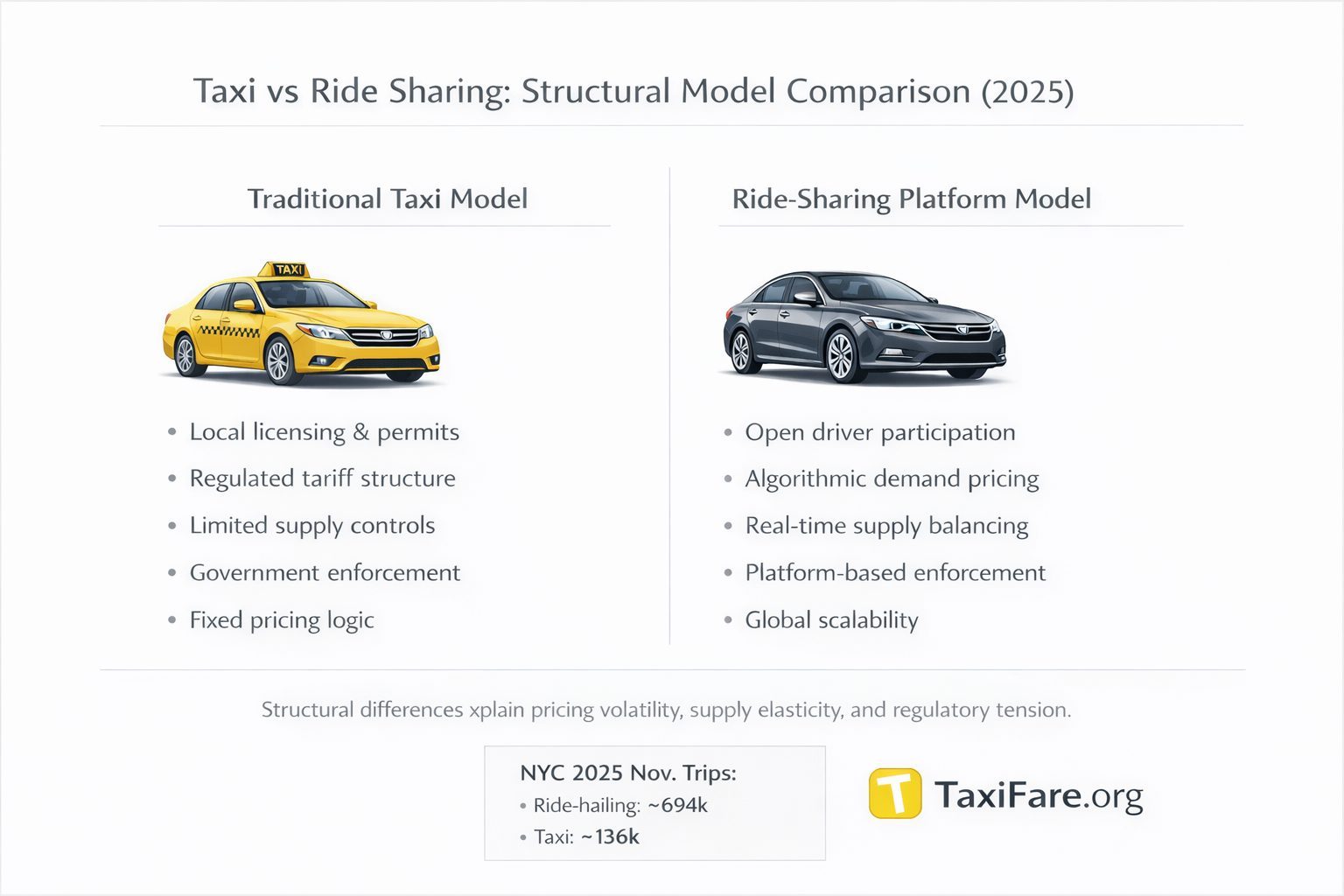
Once you step outside the terminal, the classic question hits: taxi vs Uber to the airport (or back home). Both can be a good deal. Both can be a rip-off. The trick is knowing when each one wins.
From the research—and a few painful receipts—here’s the pattern I’ve seen.
When taxis usually win
- Surge is active: If your rideshare quote looks ridiculous, taxis become the boring but sane option.
- Flat airport fares exist: Routes like
JFK ↔ Manhattan
or some Denver and Tokyo airport runs have published flat taxi rates. No surge, no algorithm, just traffic. - You want predictability: Taxi fares are regulated, with published tariffs and airport surcharges. You might pay a bit more off-peak, but you avoid price roulette.
The downside? Taxis can stack on extras:
- Airport surcharges (often $2–$5.50 at some U.S. airports)
- Per-bag luggage fees in some cities
- 15–20% tip as a social expectation
When rideshares usually win
- Off-peak hours: Midday, late morning, or non-event days often mean no surge and lower fares than taxis.
- Upfront pricing: You see the total estimate before you commit, which makes airport transfer price comparison much easier.
- Digital convenience: No cash, no language barrier, no repeating your address three times.
The real budget move isn’t choosing a team—taxi
or rideshare
. It’s this:
Always compare both, in real time, before you leave the terminal.
Tools like RideGuru and TaxiFareFinder let you plug in your route and see estimates across taxis and multiple rideshare platforms. I treat them as a quick airport ride cost calculator—a sanity check before I commit to anything.
3. The Distance Dilemma: When Your Home Is the Real Problem
Sometimes the issue isn’t the service. It’s your address.
If you live 40–60 miles from a major airport, the cost of getting to the airport can easily beat the price of a budget flight. Bark points out that rides to big hubs like New York or Los Angeles are often pricier than to smaller airports like Nashville, simply because of distance and demand.
Here’s the mental model I use now when I’m doing my own airport transport budget tips:
- Under 15 miles: Rideshare or taxi is usually fine, especially off-peak.
- 15–35 miles: Costs start to sting. Compare everything: rideshare, taxi, train, bus, and even airport parking.
- 35+ miles: This is
rethink your strategy
territory.
For longer distances, I ask myself three questions:
- Is there a closer or cheaper airport?
Sometimes a slightly more expensive flight from a nearby airport beats a cheap ticket plus a brutal transfer. The full trip cost matters more than the headline fare. - Would an airport hotel actually save money?
Bark’s research suggests this can work surprisingly well: drive or take a short ride to an airport hotel the night before, leave your car there (or use their shuttle), and avoid a long, expensive early-morning transfer. - Am I ignoring public transport just because it feels annoying?
A train or bus plus a short taxi can be half the price of a door-to-door ride. The extra steps might be worth the $40–$80 you keep in your pocket.
Long airport transfers are where laziness gets expensive. If your ride is over 30 miles, it’s worth doing the math instead of guessing.
4. Solo vs Group: Are You Paying for Empty Seats?
Most people book airport rides as if they’re traveling alone—even when they’re not. That’s a quiet budget leak, especially on longer routes or in cities with high airport transport costs.
From the transfer guides on Enrichest and TaxiRideEstimate, one thing is obvious: group size changes everything.
If you’re solo or a couple
- Off-peak rideshares are often the easiest and cheapest option.
- Public transport + a short ride can be a big win if you’re light on luggage.
- Private transfers are usually overkill unless it’s a special trip or a very late arrival.
If you’re 3–6 people
- One larger vehicle (minivan, SUV, minibus) can be cheaper than two separate cars.
- Per-person cost on a private transfer can drop below individual rideshares, especially with kids and lots of bags.
- Many providers charge per vehicle, not per person, so filling the seats is pure savings.
Now, whenever I’m traveling with others, I force myself to answer:
What’s the cost per person if we share one bigger ride?
That supposedly expensive
private transfer often looks very reasonable when split four ways—especially if it includes meet-and-greet, help with bags, and no waiting in lines after a long flight.

5. Private Transfers: Overpriced Luxury or Smart Insurance?
Private airport transfers have a reputation: fancy, overpriced, unnecessary. Sometimes that’s accurate. But not always.
According to TaxiRideEstimate and Bark, private transfers typically cost $20–$50 more than a taxi on the same route. In return, you often get:
- Meet-and-greet in the arrivals hall
- Flight tracking and automatic adjustment if you’re delayed
- Guaranteed vehicle size for your group and luggage
- No queue, no surge, no app juggling when you’re exhausted
So when does that premium make sense in a realistic airport transfer price comparison?
- Late-night arrivals when you don’t want to gamble on taxi lines or rideshare availability.
- Traveling with kids, elderly relatives, or heavy luggage where stress has a real cost.
- Business trips where being late is more expensive than the extra $30–$40.
- Unfamiliar cities where you don’t want to negotiate or worry about being overcharged.
Think of private transfers like travel insurance: not always necessary, but sometimes the smartest spend in your whole trip.
6. The Hidden Fees: Luggage, Tolls, Tips, and Time
Even when the base fare looks fine, the extras
can quietly wreck your budget. The hidden costs of airport transfers are rarely obvious at first glance.
These days, I assume the first price I see is a minimum, not the final number.
1. Luggage fees
- Some taxis charge per bag (common in parts of Australia and some U.S. cities).
- Private transfers may charge extra for oversized items like skis, bikes, or surfboards.
- Rideshares can add waiting fees if loading takes too long.
2. Airport access fees
- Many airports add a fixed fee for pickups or drop-offs, especially for taxis and rideshares.
- These are often buried in the fare, so you only notice when you compare with a non-airport ride of similar distance.
3. Tolls and surcharges
- Bridges, tunnels, and expressways can add $5–$20+ depending on the city.
- Night, weekend, or holiday surcharges are common in regulated taxi systems.
4. Tips
- For taxis, 15–20% is standard in many countries.
- For rideshares, tipping is technically optional but increasingly expected.
My rule now: mentally add 20–30% to any initial estimate to account for tolls, fees, and tip. If the ride still feels acceptable at that number, I go ahead. If not, I look for alternatives like public transport to airport options or parking.
7. Time vs Money: What Is Your Hour Actually Worth?
There’s one more cost we rarely price honestly: our time.
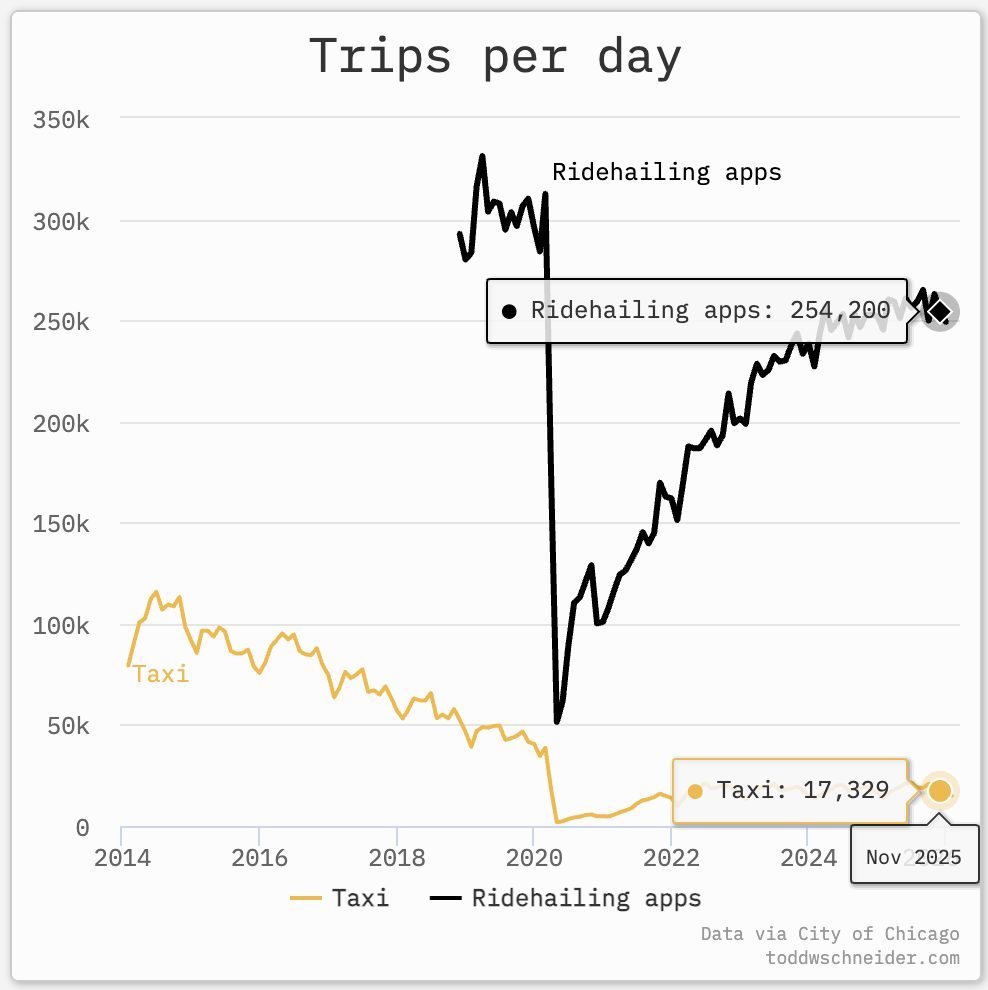
Taxi queues can stretch to 20–30 minutes at busy airports. Rideshare pickup zones might require a shuttle or a long walk (think LAX-style setups). Public transport can be cheap but involve multiple transfers and stairs with luggage.
So I ask myself a blunt question before I decide how to save on airport transfers:
If I value my time at $X per hour, which option is actually cheapest?
Example:
- Taxi: $60, 10 minutes of waiting, 40-minute ride.
- Rideshare: $45, 5 minutes of walking, 5 minutes of waiting, 40-minute ride.
- Train + short ride: $20, 10 minutes of walking, 10 minutes of waiting, 60 minutes total travel.
If you value your time at $30/hour, that extra 30–40 minutes on the train is effectively another $15–$20 of cost
. On paper, the train is the cheapest way to get to the airport. In reality, it might not be the best choice if you’re exhausted, jet-lagged, or rushing.
There’s no universal right answer here. But being honest about the trade-off keeps you from saving
$15 while arriving stressed and annoyed.
8. A Simple Pre-Trip Checklist to Protect Your Budget
To keep my airport transport from wrecking my budget, I now run through a quick checklist before every trip. It’s my way of avoiding the classic airport transfer mistakes to avoid.
- Check distance
How far am I from the airport? If it’s over 30 miles, I seriously consider alternatives: a closer airport, an airport hotel, or a train + short ride combo. - Compare in real time
Use tools like RideGuru, TaxiFareFinder, or local transit planners to compare taxi, rideshare, and public transport. Treat it as a quick airport ride cost calculator, not a deep research project. - Check for flat fares
Search[airport name] taxi flat fare
. If there’s a regulated airport–downtown rate, that’s your baseline for any airport parking vs rideshare cost comparison. - Look at the clock
Am I traveling at a likely surge time (Friday evening, big event, bad weather, early morning airport rush)? If yes, I lean toward taxis, public transport, or pre-booked transfers. - Count people and bags
Would a larger shared vehicle or private transfer be cheaper per person than multiple rideshares? Don’t pay for empty seats. - Add 20–30% mentally
Take any estimate and add a buffer for tolls, fees, and tip. If it still fits your budget, you’re safe. If not, rethink. - Decide what you’re optimizing for
Is this trip about minimum cost, minimum stress, or minimum time? Pick one. Your choice between taxi, rideshare, public transport, or parking will look very different depending on that answer.
The ride to the airport will never be the most glamorous part of your trip. But it doesn’t have to be the most expensive surprise either. A few minutes of skeptical planning can easily save you $30–$100 before you even hit the security line.
Next time you open a rideshare app at the curb, pause for 60 seconds. Compare. Question the price. Think about distance, time, and who’s in your group. That tiny habit is what keeps your airport transport costs from quietly wrecking your travel budget.