Why airline prices feel unpredictable: the live system behind your ticket
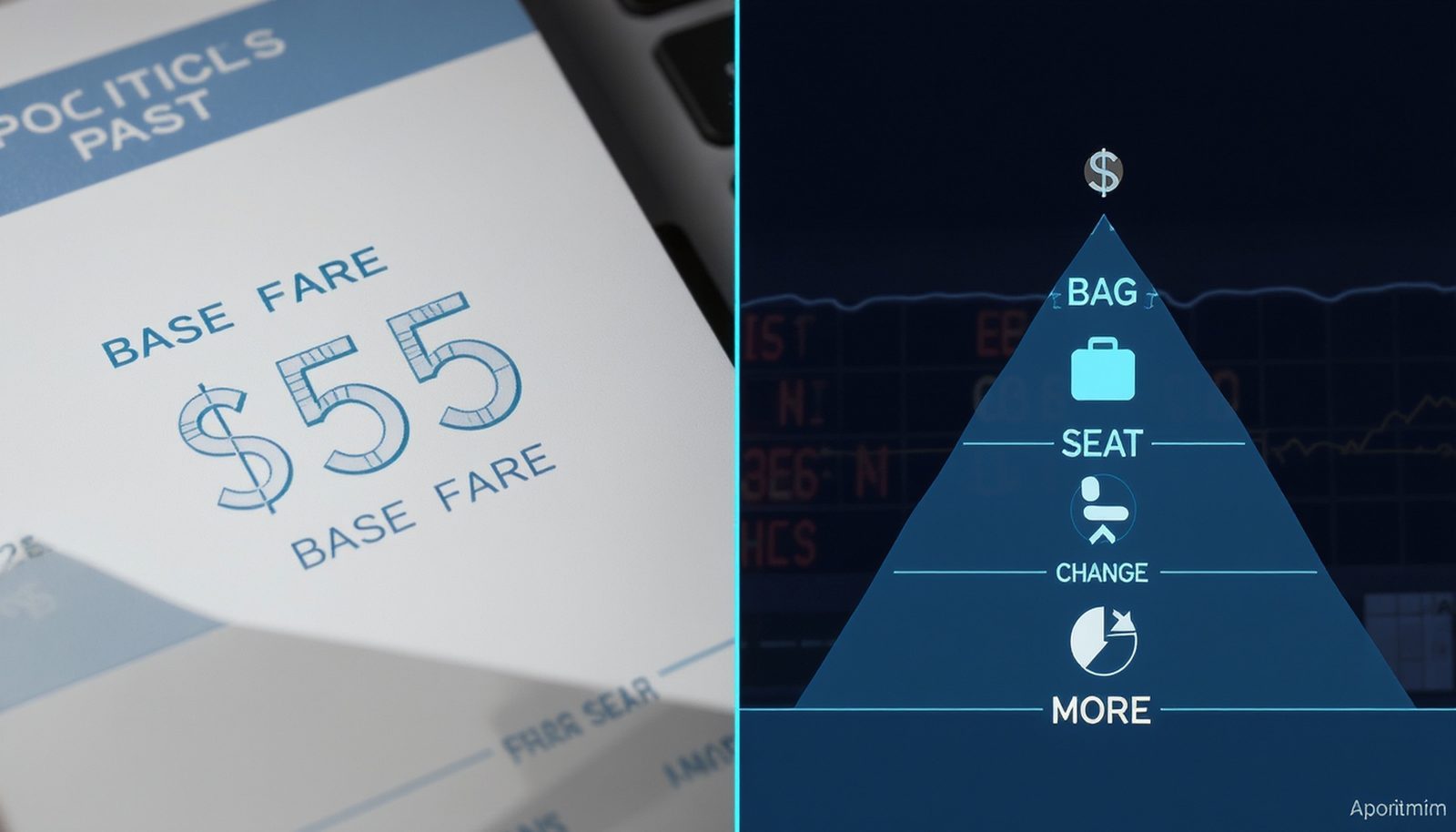
Airline pricing looks erratic from the outside: the same route jumps in price within hours, a longer itinerary undercuts a nonstop, and a low fare doubles once bags and seats are added. This is not random. It reflects a live revenue management system that treats each seat as an asset whose price is constantly adjusted.
Airlines no longer publish a single fare per cabin. They maintain many fare classes per route, each with its own rules and price points. Algorithms monitor booking pace, remaining inventory, competitor behavior, and time to departure. When demand runs ahead of expectations, cheaper fare classes close and only higher ones remain. When demand is soft, lower classes reopen or new discounts appear.
This continuous repricing creates wide price dispersion: two passengers in the same cabin on the same flight can pay very different amounts. The fare you see at any moment is just a snapshot of a moving system. And the base fare is only one part of what you will pay. Ancillary charges for baggage, seat selection, and changes are managed as a separate revenue stream that can be adjusted without visibly changing the advertised fare.
From a traveler’s perspective, “hidden surcharges” are not only about fine print. They are also about a system designed to separate a visible base fare from less visible, dynamically managed extras. Understanding this structure is the starting point for interpreting what appears on search engines and airline sites.
How dynamic pricing and hidden city anomalies shape what you really pay
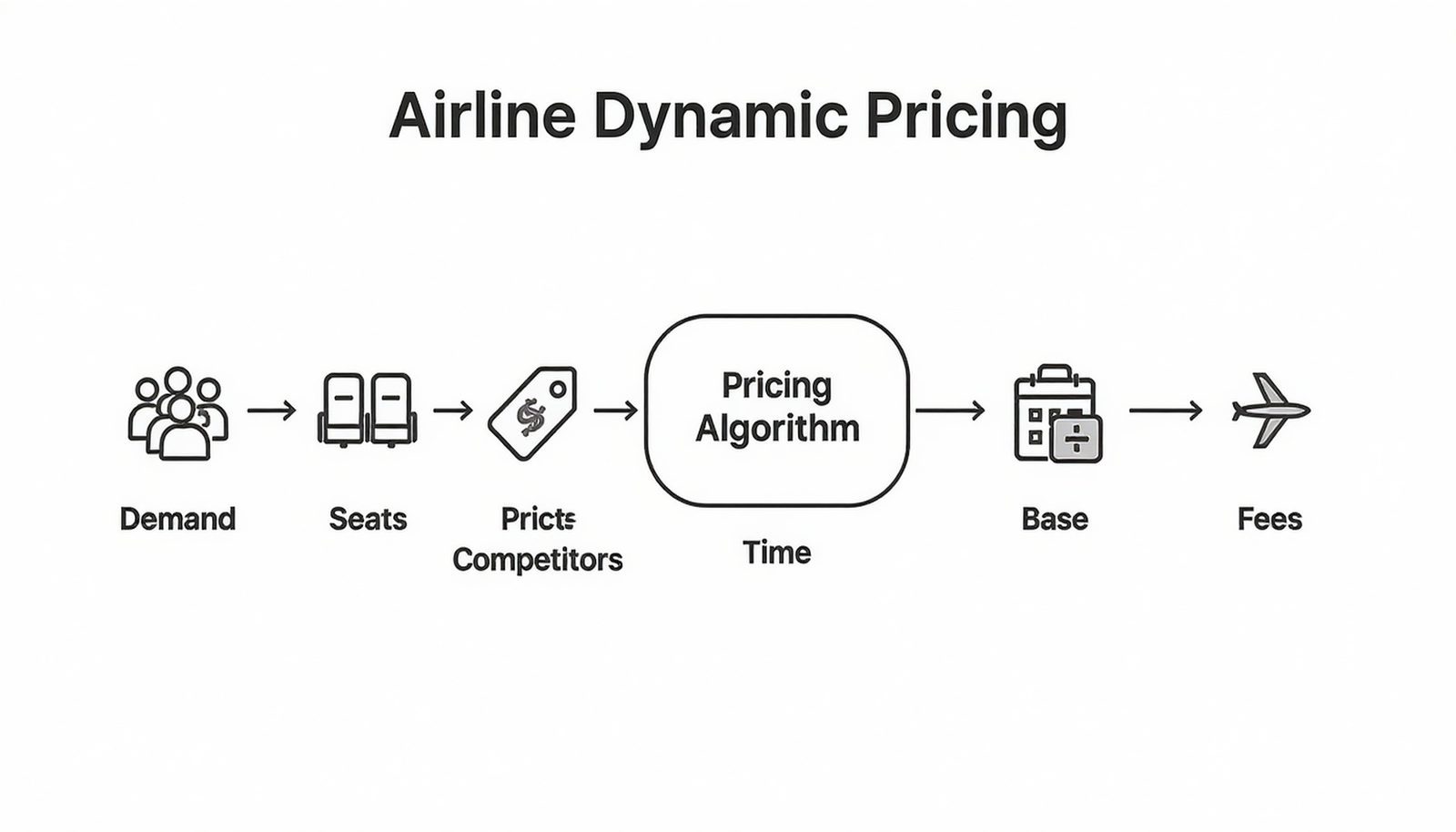
Dynamic pricing is often described as airlines “changing prices all the time,” but the mechanics matter. Revenue management systems allocate seats into fare buckets. Each bucket has a limited number of seats and a specific price. As bookings accumulate, the system decides whether to open or close buckets based on demand forecasts and competitor prices.
Competition is defined at the route level. A city pair with several carriers and aggressive low-cost competition will often show lower base fares than a monopoly route, even if the monopoly route is shorter or cheaper to operate. This is why a longer itinerary that connects through a competitive hub can undercut a direct flight between two less competitive cities.
Hidden city ticketing makes this logic visible. A ticket from City A to City C via City B can cost less than a ticket from City A to City B, even though the A–B segment is identical. The airline prices A–C aggressively because it faces competition on that longer market, while A–B may face less pressure. The anomaly is not a glitch; it is a side effect of route-level competition embedded in the pricing system.
For travelers, the implication is that distance and operating cost are not the main drivers of what you pay. Market structure is. When a fare looks irrational, it usually reflects how the algorithm values that specific origin–destination pair relative to competitors, not how far you are flying.
This logic extends to surcharges. On highly competitive routes, airlines may keep base fares low and shift more revenue into ancillary fees, which are less visible in headline comparisons. On less competitive routes, they may rely more on higher base fares. Two trips with similar distance and service can therefore have very different mixes of base fare and extras, making total cost hard to compare without a detailed breakdown.
The hidden architecture of ancillary fees: from optional extras to core revenue
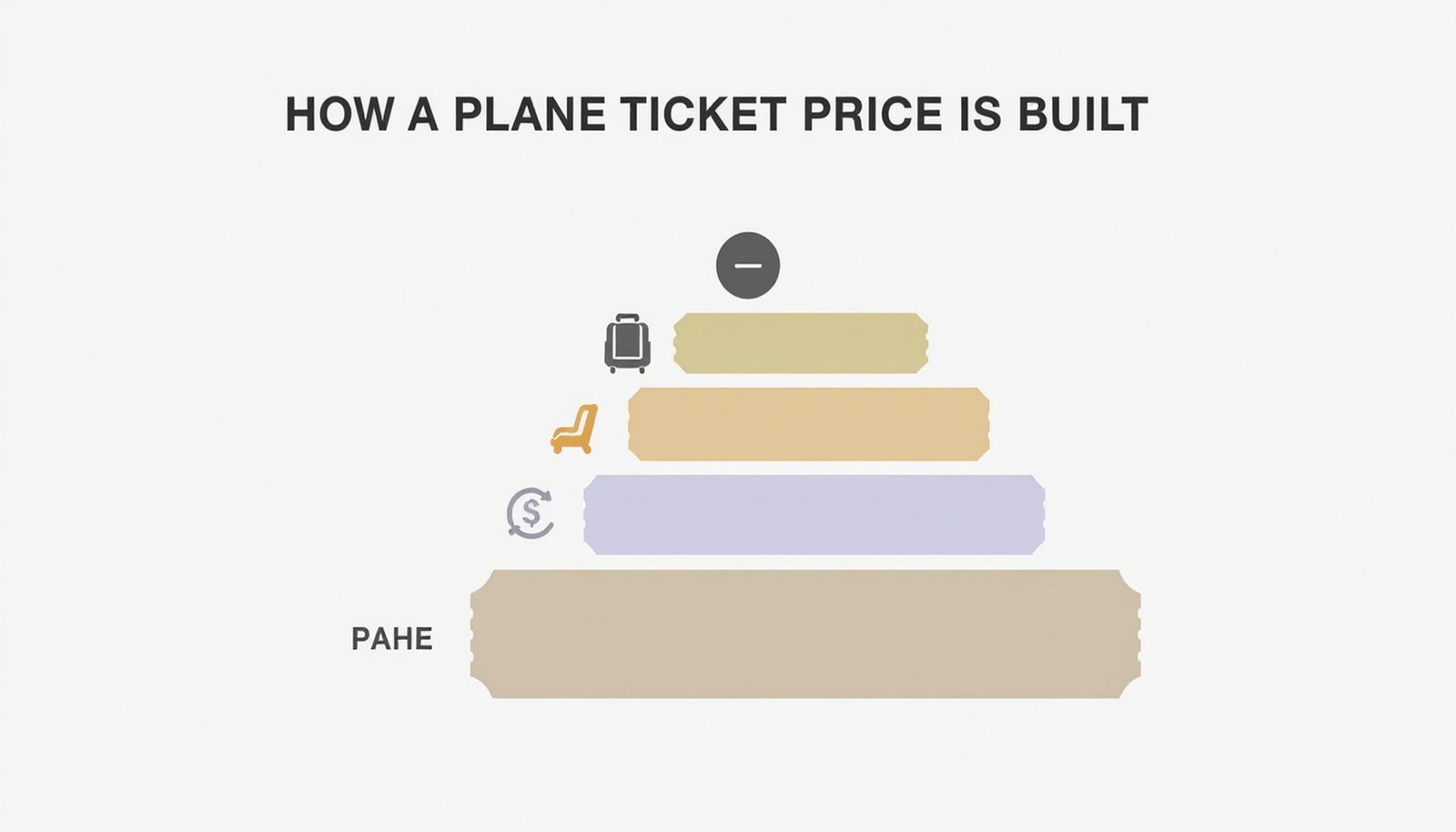
Ancillary fees began as charges for clearly optional services: extra bags, premium seats, or priority boarding. Over time, they have become a core revenue lever. Airlines can keep base fares stable or even lower them for marketing purposes while expanding the number and level of fees that many travelers end up paying.
Operationally, ancillary fees are managed on a separate track from base fares. Systems can adjust baggage or seat fees by route, season, or booking channel without changing the advertised ticket price. This lets airlines respond quickly to revenue targets or competitive pressure while preserving the appearance of a low fare in search results.
Some fees are effectively unavoidable for many travelers. A family checking luggage on a leisure trip will almost always pay bag fees on carriers that unbundle baggage from the base fare. Travelers who need to sit together or avoid middle seats may treat seat selection fees as mandatory, even if they are technically optional.
Because these fees often appear later in the booking flow, travelers anchor on the base fare and underestimate the final cost. The system exploits this gap between initial perception and final payment. The more fragmented the fee structure, the harder it is to reconstruct the true total cost across airlines and routes.
From a decision standpoint, the key distinction is between fees that are genuinely optional (for services you can realistically skip) and fees that are functionally unavoidable given how you travel. The current landscape blurs this line, which is why regulators are increasingly focused on how and when these charges are disclosed.
Regulatory push for transparency: U.S., EU, and the battle over what must be shown upfront
Regulators in several regions are responding to complaints that airline pricing is opaque and that key fees appear too late in the booking process. Their core position is not that airlines should charge less, but that travelers should see a full, comparable cost before committing.
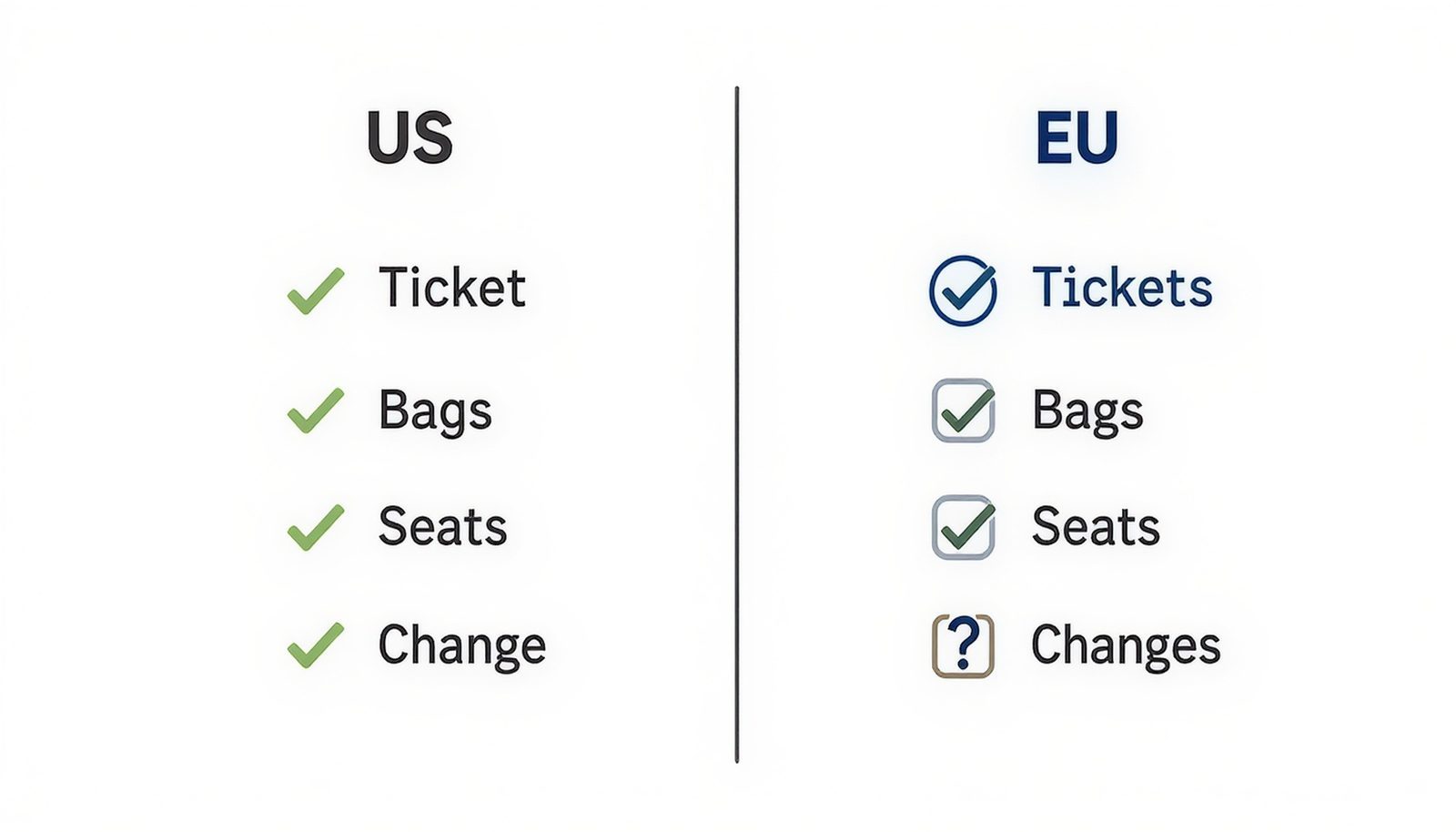
In the European Union, consumer protection rules already lean toward total-price display. Airlines and online travel agencies are expected to show the full price, including unavoidable taxes and charges, from the first screen. Implementation is uneven, but the principle is that mandatory fees should not appear as late surprises.
In the United States, proposed Department of Transportation rules move in a similar direction. They would require airlines and third-party sellers to display key fees—such as checked and carry-on baggage, seat assignments, and change fees—alongside the initial fare. The aim is to make total trip cost comparable across airlines without multiple clicks or close reading of fine print.
Industry groups and some airlines resist these changes. They argue that compliance will be costly, given fragmented IT systems and the need to coordinate with online travel agencies. They also defend the pay-for-extras model as a way to offer choice: travelers who do not need bags or seat selection, they argue, should not subsidize those who do.
Supporters of transparency rules counter that the issue is disclosure, not pricing freedom. Airlines would still be able to set any fees they choose, but they would have to present them in a way that allows meaningful comparison. In practice, this could pressure carriers whose models rely heavily on opaque fees, because once total prices are visible side by side, some “cheap” fares may no longer look cheap.
Enforcement is the difficult part. Legacy reservation systems, diverse distribution channels, and differing views on what counts as an unavoidable fee all create room for inconsistency. Even with new rules, travelers may still encounter partial or delayed disclosure, especially when booking through intermediaries that aggregate data from multiple airlines.
Comparing airline models: where hidden surcharges tend to concentrate
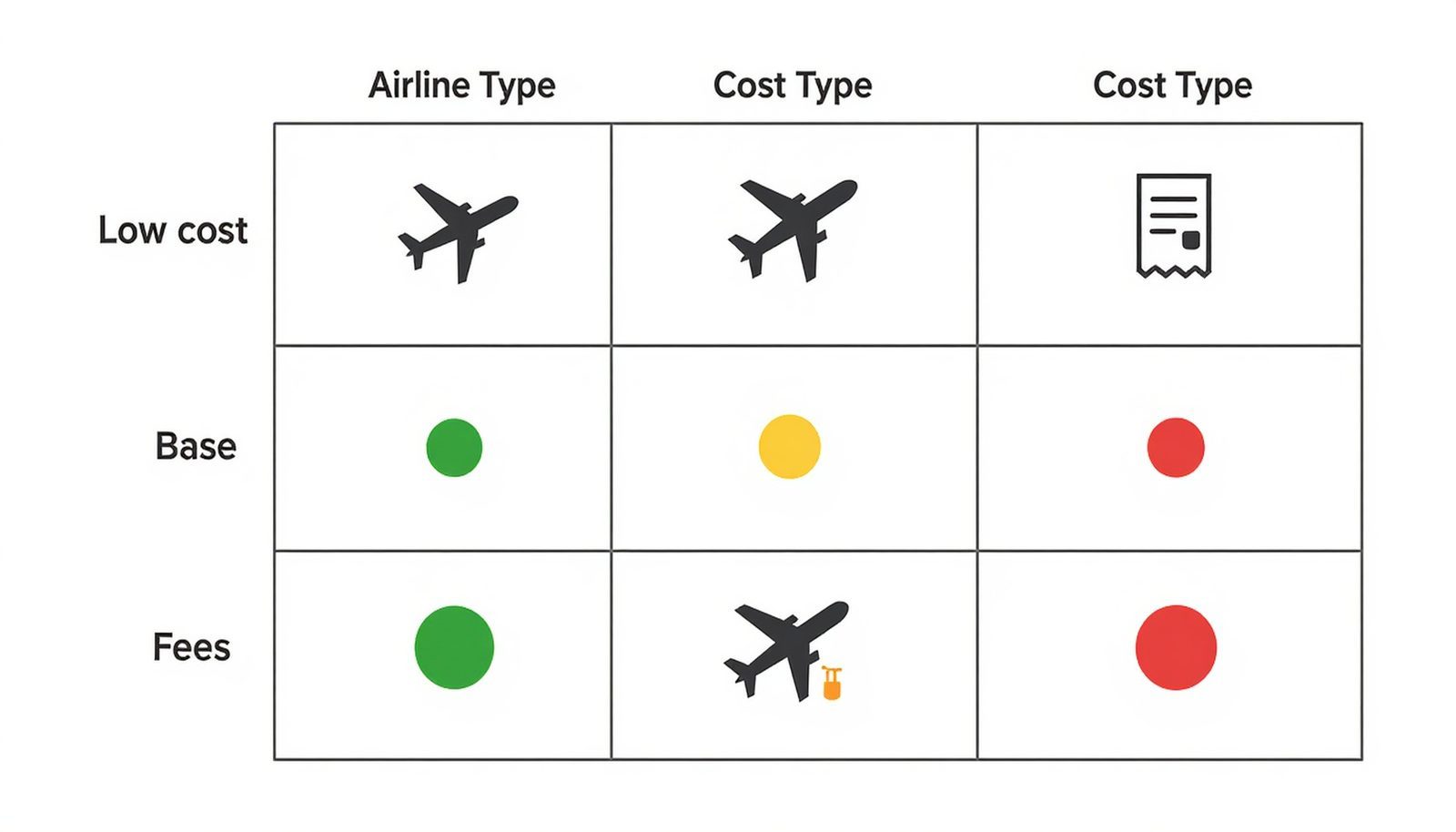
Different airline business models use dynamic pricing and ancillary fees in distinct ways. There is no single pattern that fits every carrier, but certain tendencies shape where hidden surcharges are more likely to appear.
| Airline model | Base fare strategy | Ancillary fee intensity | Typical traveler experience |
| Low-cost carriers | Very low headline fares on competitive routes | High: bags, seats, changes, sometimes carry-on | Initial price looks cheapest; total cost rises sharply with common add-ons |
| Hybrid carriers | Moderate base fares, often with some inclusions | Medium: selective fees for extras and flexibility | More balanced; some surprises if assuming full-service inclusions |
| Full-service carriers | Higher base fares, especially on monopoly routes | Medium to high: checked bags and seat fees on many economy fares | Perception of inclusivity, but economy products increasingly unbundled |
Low-cost carriers typically rely on a sharp separation between base fare and extras. Their algorithms are tuned to keep the headline price attractive in search results, then recover margin through a dense layer of fees. This makes them particularly sensitive to transparency rules that require early disclosure of common charges.
Full-service carriers historically bundled more into the base fare, but many now sell “basic economy” products that resemble low-cost models: no checked bag, limited changes, and fees for seat selection. The result is a hybrid structure where the same airline can feel inclusive on some fares and heavily unbundled on others, depending on booking class and route.
From a decision-intelligence perspective, the key trade-off is between apparent simplicity and actual comparability. A higher base fare that includes bags and seat selection may be easier to interpret, but it can look uncompetitive next to a stripped-down fare until all fees are added. Conversely, a very low base fare can be misleading if a traveler’s typical behavior (checked bag, seat choice) triggers multiple surcharges.
Data scraping and tracking: how analysts uncover hidden pricing patterns
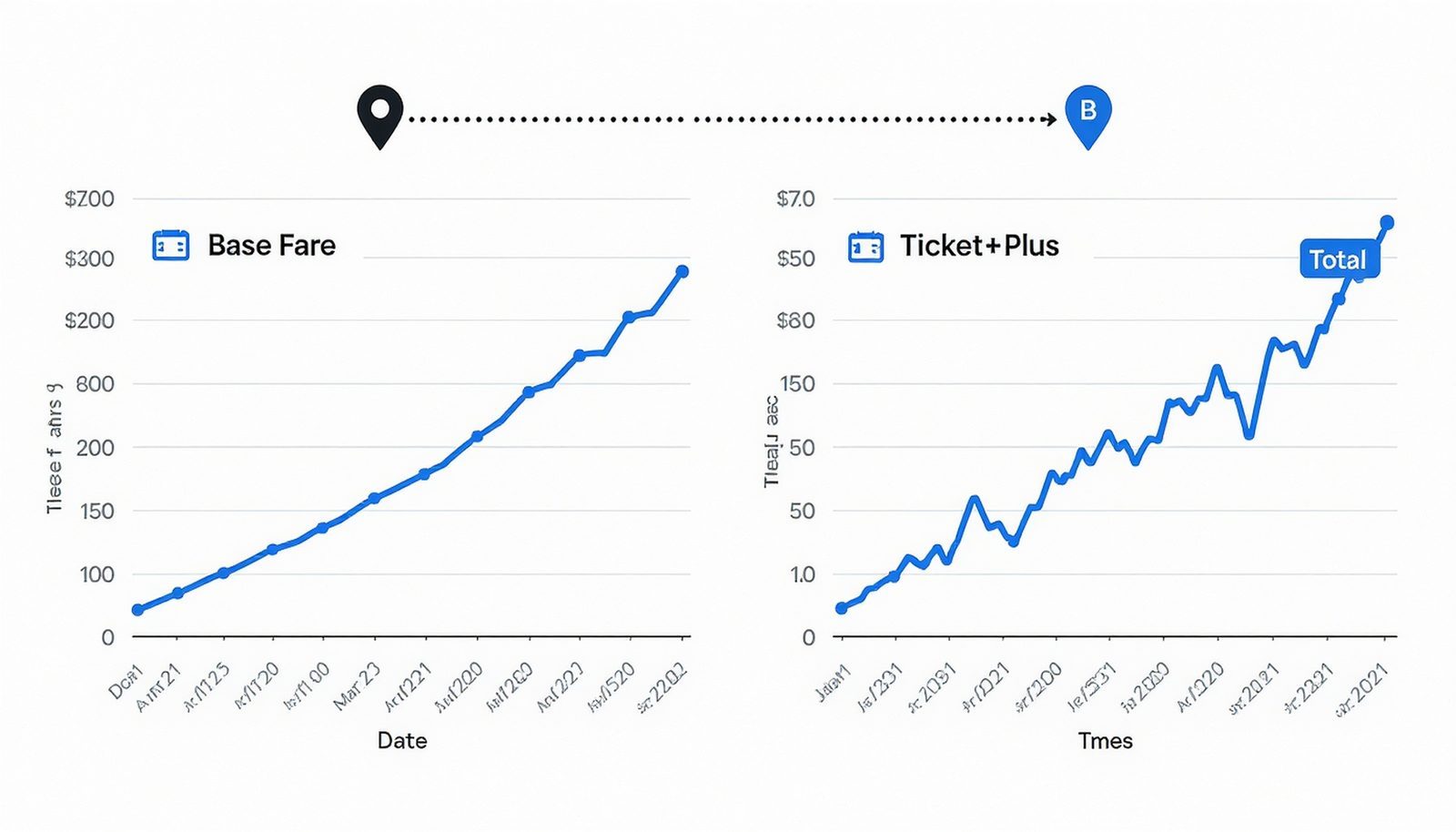
Because airline pricing is dynamic, single snapshots are unreliable. Analysts who want to understand true cost patterns use scraping and tracking tools to collect fare and fee data over time. By monitoring the same routes, dates, and booking conditions repeatedly, they can see how prices and surcharges move in response to demand and competition.
These datasets reveal recurring patterns. Price dispersion is persistent: even when average fares look stable, individual price points can swing significantly within short windows. Ancillary fees often change less visibly but still drive meaningful shifts in total cost, especially around peak travel periods. Distortions tend to cluster around major hubs where multiple carriers compete, creating complex interactions between base fares and extras.
For travelers, the existence of these tools matters because it changes the information balance. Airlines design their systems to optimize revenue under uncertainty; data tracking lets external observers measure how that optimization affects consumers over time. Individual travelers may not run their own scrapers, but insights from this analysis inform regulators, consumer advocates, and comparison platforms that shape the booking environment.
The underlying mechanism is straightforward: when pricing is opaque and volatile, the party with better data has the advantage. Airlines use internal data to fine-tune revenue; external tracking tries to restore some symmetry by making patterns visible that would otherwise remain hidden behind isolated booking experiences.
Risks, uncertainties, and the limits of transparency
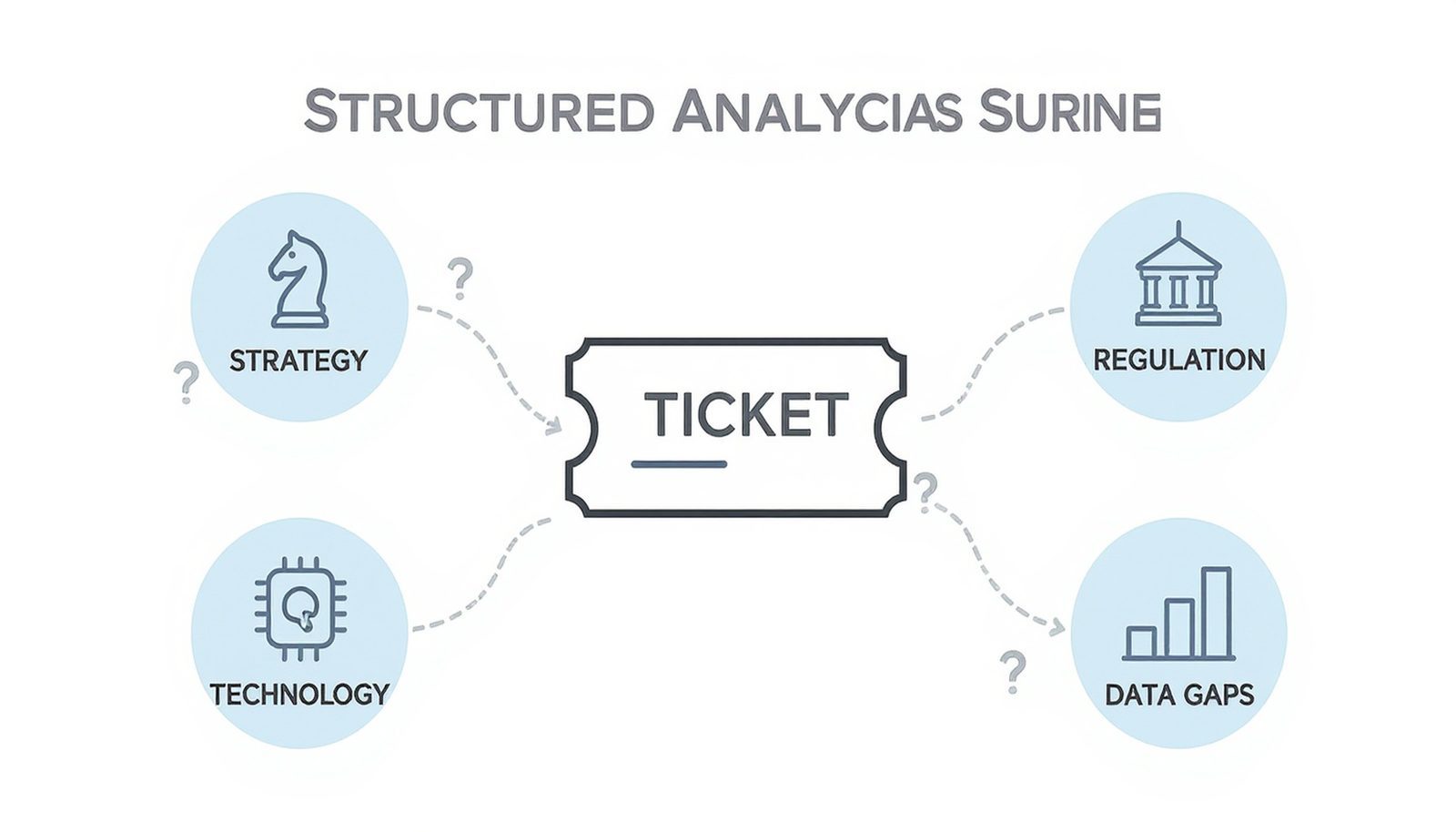
Even as transparency rules advance, several risks and uncertainties remain in airline pricing. These affect not only what travelers pay, but also how reliable any given booking strategy can be.
One uncertainty is how airlines will adapt their revenue models if they must display more complete cost information upfront. They may respond by simplifying some fees while introducing new categories that fall outside regulatory definitions of “unavoidable” charges. The boundary between mandatory and optional fees is not fixed; it can shift as carriers redesign products.
Another risk is uneven implementation across regions and channels. A route that touches multiple jurisdictions may face different disclosure standards depending on where the ticket is sold. Online travel agencies may interpret rules differently from airline websites, leading to inconsistent presentations of the same underlying fees. Travelers could still face confusion even when regulations are well intentioned.
Enforcement capacity is also uncertain. Regulators can set rules, but monitoring compliance across thousands of routes, fares, and booking paths is complex. Without robust auditing and meaningful penalties, some carriers may treat transparency requirements as guidelines rather than strict obligations, especially in markets with weaker consumer protection traditions.
Finally, the lack of detailed public data on how ancillary fees contribute to total trip cost limits precise risk assessment. It is clear that fees are significant and growing, but less clear exactly how they vary by route, airline type, or traveler profile. This data gap makes it harder for policymakers and travelers to quantify the impact of hidden surcharges and evaluate whether new rules are effective.
Balancing flexibility, competition, and clarity: what the current trajectory implies
The modern airline pricing system is built on tension. Airlines seek flexibility to adjust fares and fees in real time, using algorithms to match revenue to demand and competition. Travelers and regulators seek clarity: the ability to understand and compare total trip cost without decoding a complex fee structure.
Dynamic pricing and ancillary fees are not inherently problematic. They allow airlines to offer lower base fares to price-sensitive travelers and charge more to those who value flexibility or comfort. Problems arise when the separation between base fare and extras becomes opaque enough that meaningful comparison is impossible until late in the booking process.
Regulatory moves in the U.S., EU, and elsewhere are pushing the system toward greater transparency, especially around common and effectively unavoidable fees. This does not end dynamic pricing, but it limits how far airlines can rely on hidden surcharges to make fares appear cheaper than they are. At the same time, fragmented IT systems and global route networks constrain how quickly and consistently these changes can be implemented.
For the broader travel ecosystem, the likely outcome is gradual adjustment rather than sudden change. Some carriers may simplify their fee structures to reduce regulatory friction and improve predictability. Others may continue to push unbundling, testing how much complexity travelers and regulators will accept.
In this environment, the core mechanism remains the same: airlines use data and algorithms to manage revenue; regulators and analysts use data and rules to manage transparency. Hidden surcharges emerge where these forces are out of balance. As transparency requirements tighten and data tracking becomes more sophisticated, the space for truly hidden dynamic pricing surcharges narrows—but does not disappear. Travelers will continue to face a system where understanding the structure behind the price is as important as the number on the screen.