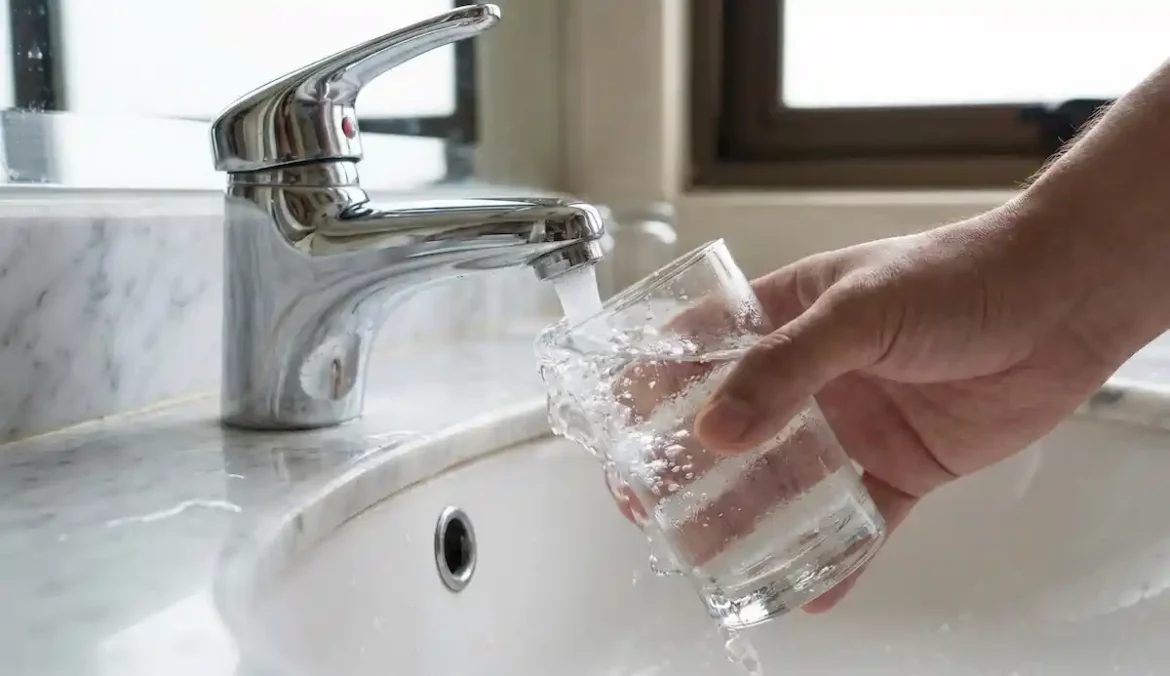
Category and scope: this is a risk-based Destination guide
This article is a Destination guide with one clear goal: help you deal with Bali’s unsafe tap water without wasting money or water. It focuses only on choices linked to water use and “Bali Belly” risk, not on general Bali travel tips.
All recommendations come from existing summaries and key points. No new data is added. When information is uncertain or people disagree, that uncertainty is stated clearly.
Decision 1: How strictly should you avoid Bali tap water for drinking?
The first decision is how close to zero ingestion of tap water you want to be. Bali’s tap water is widely seen as unsafe to drink. Reasons include weak purification, recontamination in pipes and tanks, and pollution from sewage and farm runoff. The risk is structural, not just bad luck at one hotel.
As a traveller, you balance:
- Health protection: avoid swallowing tap water to cut your chance of traveller’s diarrhea (“Bali Belly”).
- Convenience and habit: using the tap for quick sips, brushing teeth, or filling bottles feels normal if you come from a country with safe tap water.
Your gut flora is not adapted to local bugs. Even small amounts of contaminated water can make you sick. Not every sip will cause problems, but the probability is high enough that drinking tap water is a bad risk–reward deal.
A simple decision guide:
- Drinking directly from the tap: high risk, low benefit. Avoid completely.
- Filling bottles from the tap without treatment: high risk. Avoid.
- Boiled tap water (proper rolling boil): risk drops a lot if you boil it correctly and store it cleanly. Many locals and some long-term expats do this. As a traveller, you must trust both the boiling and the containers.
- Filtered tap water (high-quality filter rated for bacteria and protozoa): risk depends on the filter and how well it is maintained. A good travel filter can work well for longer stays.
Why strict rules make sense: if you are wrong, you lose days to illness, miss activities, and may need medical care. That cost is much higher than paying for bottled or filtered water. For short trips, the sensible choice is to treat tap water as non-potable for drinking.
Decision 2: Bottled water vs filters vs large refills – which is best for your trip?
Once you decide not to drink tap water, you still need to choose how to get safe water. Your main options are small bottled water, large refill gallons, and personal filters. Each has different cost, convenience, and environmental impact.
| Option | Best for | Strengths | Trade-offs |
| Small bottled water (500ml–1.5L) | Short trips, solo travellers, frequent moving between areas | Very easy to find; low unit price in shops; no setup or maintenance | High plastic waste; expensive if always bought in restaurants; frequent purchases |
| Large 19L gallons / dispensers | Families, groups, or stays of a week or more in one place | Much cheaper per litre; fewer plastic units; convenient for refilling bottles in your accommodation | Requires space and a dispenser; not practical if you move hotels often; initial effort to arrange delivery or purchase |
| Travel filtration bottle or pump | Long stays, frequent travellers in similar regions, sustainability-focused visitors | Reduces plastic waste; once purchased, low marginal cost; can be used in other destinations | Upfront cost; requires correct use and maintenance; does not fix all chemical contaminants |
From the available information, we know:
- Bottled water is cheap in shops but often heavily marked up in restaurants and bars.
- Large refill gallons are common for locals and businesses and usually cheaper per litre than small bottles.
- Filters are suggested by some sources as a greener option, but detailed cost comparisons are limited.
How to choose in real life:
- Trip under 5 days, moving around a lot: buy 1.5L bottles from minimarts, not restaurants. Accept the plastic but reduce it by buying larger bottles instead of many small ones.
- Trip 1–3 weeks, mostly in one villa or apartment: set up a 19L gallon in your place and refill smaller bottles. This keeps both cost and waste down.
- Frequent regional traveller or long stay (1+ month): consider a good travel filter bottle. It cuts long-term cost and plastic, but you must use and maintain it properly.
The main trade-off is between short-term simplicity (small bottles) and long-term efficiency and sustainability (gallons or filters). For most first-time visitors, a mix works well: a large gallon in your base and a reusable bottle you refill before going out.
Decision 3: What about brushing teeth, ice, and showers?
Not all contact with water carries the same risk. You need different rules for brushing teeth, ice in drinks, and showering. The question is how much risk you accept in each case.
Brushing teeth
- Conservative approach: use bottled or boiled water for brushing and rinsing. This keeps ingestion risk very low and suits travellers with sensitive stomachs or past gut issues.
- Moderate approach: use tap water to brush but do not swallow, then do a final rinse with bottled water. This still has some risk because tiny amounts can slip through.
Because contamination is structural, the conservative approach is the safer default. On a short trip, changing your brushing habit for a few days is easy.
Ice in drinks
- Commercial ice used in hotels, clubs, and major restaurants is generally regulated and seen as safer. It usually comes from treated water and controlled production.
- Ice from small vendors, street stalls, or places with unknown sources is more uncertain. The risk is not guaranteed, but checks are weaker and less visible.
Simple rule:
- In established hotels, reputable restaurants, and well-known bars: ice is usually an acceptable risk for most travellers.
- In small warungs, roadside stalls, or unknown venues: avoid ice unless you have a clear reason to trust it.
Showers and washing
- Showering, washing your face, and washing hair with tap water are generally fine as long as you do not swallow the water.
- If you have very sensitive eyes, skin problems, or open wounds, there is a small extra risk of irritation or infection. In that case, avoid water in eyes and cover wounds where you can.
The logic is simple: your skin blocks most things well. Your gut does not. The main risk is water going into your mouth, nose, or eyes in larger amounts. Keep your mouth closed in the shower and avoid strong splashes to your face to lower that risk.
Decision 4: How much should you trust your hotel or villa’s water claims?
Many places in Bali say they have filtered or treated water. You need to decide if you trust those claims enough to drink from taps or dispensers, or if you treat them as an extra safety layer and still rely on bottled or boiled water.
From the available intelligence:
- There is little clear data on how hotel star ratings or property types link to real water treatment quality.
- Some hotels and villas do install filtration systems, but water can still get recontaminated in tanks and pipes.
- Information on certification and regulation is not shared in a consistent way with guests.
This creates an information gap: the property knows its system; you do not. Because the health cost of a wrong guess is high, the sensible move is to treat most claims as not enough to drink straight from the tap.
Practical rules:
- Tap in bathroom or kitchen: even if it says “filtered”, do not drink directly unless you have strong, independent proof of treatment and testing. Use it for washing only.
- Dedicated drinking-water dispensers: more reliable, especially with sealed 19L gallons from known brands. Still, check that the bottle was sealed when first put on and that the dispenser looks clean.
- Complimentary bottled water in rooms: treat this as your main drinking source. If you need more, ask the property or buy extra from nearby shops.
There is an edge case: some eco-focused or high-end places may have strong filtration and regular testing. If they share clear, specific details (system type, test frequency, and standards), you may choose to trust them more. This is rare though, and the final decision stays with you.
Decision 5: Personal safety vs environmental impact – how far should you go?
There is a real tension between protecting your own health and the environmental and social impact of tourist water use. Bali already faces a water crisis. Watersheds are drying, groundwater is overused, and pollution is common. Heavy use of bottled water adds plastic waste and pushes more extraction.
You choose how much to focus on:
- Zero-risk behaviour: heavy use of bottled water, strict avoidance of tap water for any ingestion, and frequent purchase of small bottles.
- Risk-aware but impact-conscious behaviour: still avoiding direct tap water ingestion, but cutting plastic and water waste where you can.
Risk-aware, impact-conscious options include:
- Buying larger bottles or 19L gallons instead of many small ones, so you use less plastic per litre.
- Carrying a reusable bottle and refilling from safe sources (gallons, dispensers, or filters) instead of buying a new bottle every time.
- Skipping wasteful water habits in hotels, like very long showers or daily towel and linen changes, which add to water stress.
- Using a travel filter if you often visit regions with similar water issues, so the environmental benefit builds over many trips.
What you should not do is risk your basic health to save plastic. Drinking tap water directly is a bad trade: the health risk is real, and one person’s plastic savings are limited. Aim for efficient safety: stay healthy while using only the water and plastic you truly need.
Decision 6: Cost traps – where do you overpay for safe water?
Safe water in Bali is cheap at the source but can become expensive through small, repeated markups. The main cost trap is buying water only when you sit down at restaurants, bars, or beach clubs.
From the decision intelligence:
- Small and 1.5L bottles are cheap in shops and minimarts.
- 19L gallons are very cost-effective for homes and longer stays.
- Restaurants and bars often charge much more per bottle than shops.
Common ways people overpay:
- Ordering several small bottles at venues instead of arriving with a full bottle.
- Using only hotel minibar water instead of buying from nearby shops.
- Ignoring free or low-cost water dispensers in their accommodation.
Simple ways to control cost:
- Buy a day’s worth of water from a minimart each morning (or keep a 19L gallon in your place) and refill your bottle before you go out.
- Use venue water purchases as backup only, not as your main source.
- If your place has a free dispenser, treat it as your main supply and buy extra water only when you will be away for a long time.
This keeps your health risk low and stops small water costs from adding up.
Risk and uncertainty map: what we still don’t know
Even though most sources agree that Bali’s tap water is unsafe to drink, there are still gaps and unknowns that affect your choices.
- Geographic variation: There is little clear data on how water quality changes between cities and rural areas, or between tourist zones and inland villages. You should assume unsafe for drinking across the island, but local risk levels may differ.
- Property-level practices: There is no easy, reliable way for you to know which hotels or villas run strong treatment and storage systems. Star ratings and price do not guarantee safe tap water.
- Regulation enforcement: Ice production is said to be regulated, and recharge wells are planned to protect groundwater. But how often rules are enforced and how wide they reach is unclear. This is why the advice on ice stays cautious.
- Individual susceptibility: Some travellers drink small amounts of tap water and feel fine. Others get sick from very little. Your own health history and risk tolerance matter.
- Long-term environmental impact: The exact share of Bali’s water and waste crisis caused by tourist bottled-water use is not clearly measured in the sources, though the impact direction is clearly negative.
How to act when things are uncertain:
- Use robust rules that still work if things are worse than you think: no tap water for drinking, careful with ice, bottled or boiled water for teeth if unsure.
- Treat marketing claims about water safety as incomplete unless backed by specific, checkable details.
- Remember that some online advice comes from single stories, not from broad evidence. Give more weight to patterns that many sources agree on.
This risk map does not remove uncertainty, but it helps you choose actions that still make sense when you do not know every detail.
Practical checklist: a decision framework you can apply on arrival
To turn this into action, use this checklist when you land in Bali:
- 1. Drinking water source: Decide if you will use shop-bought bottles, a 19L gallon in your place, a travel filter, or a mix. Set this up on day one.
- 2. Teeth brushing rule: Pick a default (bottled/boiled only, or tap plus bottled rinse) and stick to it so you do not slip when tired.
- 3. Ice policy: Decide to accept ice only in hotels and reputable venues, and avoid it in small or unknown places.
- 4. Shower habits: Remind yourself to keep your mouth closed in the shower and avoid splashing water into your eyes.
- 5. Cost control: Buy water in shops, not just at restaurants. For longer stays, arrange a large gallon and use a reusable bottle.
- 6. Environmental impact: Cut plastic by choosing larger containers, refilling bottles, and avoiding wasteful water use in your accommodation.
- 7. Health backup: Carry basic rehydration salts and know where you would go for medical help if you get severe diarrhea or dehydration.
If you make these choices early in your trip, you lower your chance of getting sick, avoid common money traps, and reduce your share of Bali’s water and waste problems—without needing to understand every pipe and tap on the island.