How Bali’s Water Infrastructure Creates Risk for Travelers
Bali’s tap water is widely considered unsafe to drink, especially for visitors. The problem is not one dirty source. It comes from how the whole system is built and maintained.
Three structural factors create the risk:
- Inconsistent purification: Treatment standards and enforcement are weaker than in countries where tap water is reliably safe. Chlorination and filtration may happen, but not always, and not to the same level everywhere.
- Aging and vulnerable pipes: Even if water leaves a plant relatively clean, it then travels through old or poorly maintained pipes in warm, microbe-rich tropical soil. Cracks and leaks let contaminants enter after treatment.
- High microbial load in a tropical climate: Warm temperatures speed up bacterial growth. Any lapse in treatment or pipe integrity quickly turns into contamination.
Locals drink this water for years, so their gut flora adapts to local microbes. Travelers do not have this adaptation. Water that locals tolerate can cause sudden illness in visitors.
This leads to a core decision: assume tap water is unsafe for drinking and tooth-brushing unless it has been clearly filtered or boiled. This is not paranoia. It is a practical response to how infrastructure and climate combine to create predictable microbial risk.
Deciding What You Can Safely Use Tap Water For
The main risk comes from microbes you swallow, not from water touching your skin. So you need to separate contact from consumption.
- Drinking: Directly drinking tap water is the highest-risk use. The decision here is simple: do not drink Bali tap water unless a trusted filtration system has treated it or you have boiled it.
- Brushing teeth: This is a gray area. Many travelers use bottled or filtered water for brushing because small, repeated exposures (a few mouthfuls over several days) can still trigger “Bali Belly.” The trade-off is convenience vs. risk. If your trip is short or your stomach is sensitive, using bottled or filtered water for brushing is a low-effort way to cut risk.
- Showering and washing hands/face: These are generally considered safe because you are not trying to swallow the water. The key is behavior: keep your mouth closed in the shower and avoid inhaling or swallowing water. For most travelers, the remaining risk is low compared with drinking.
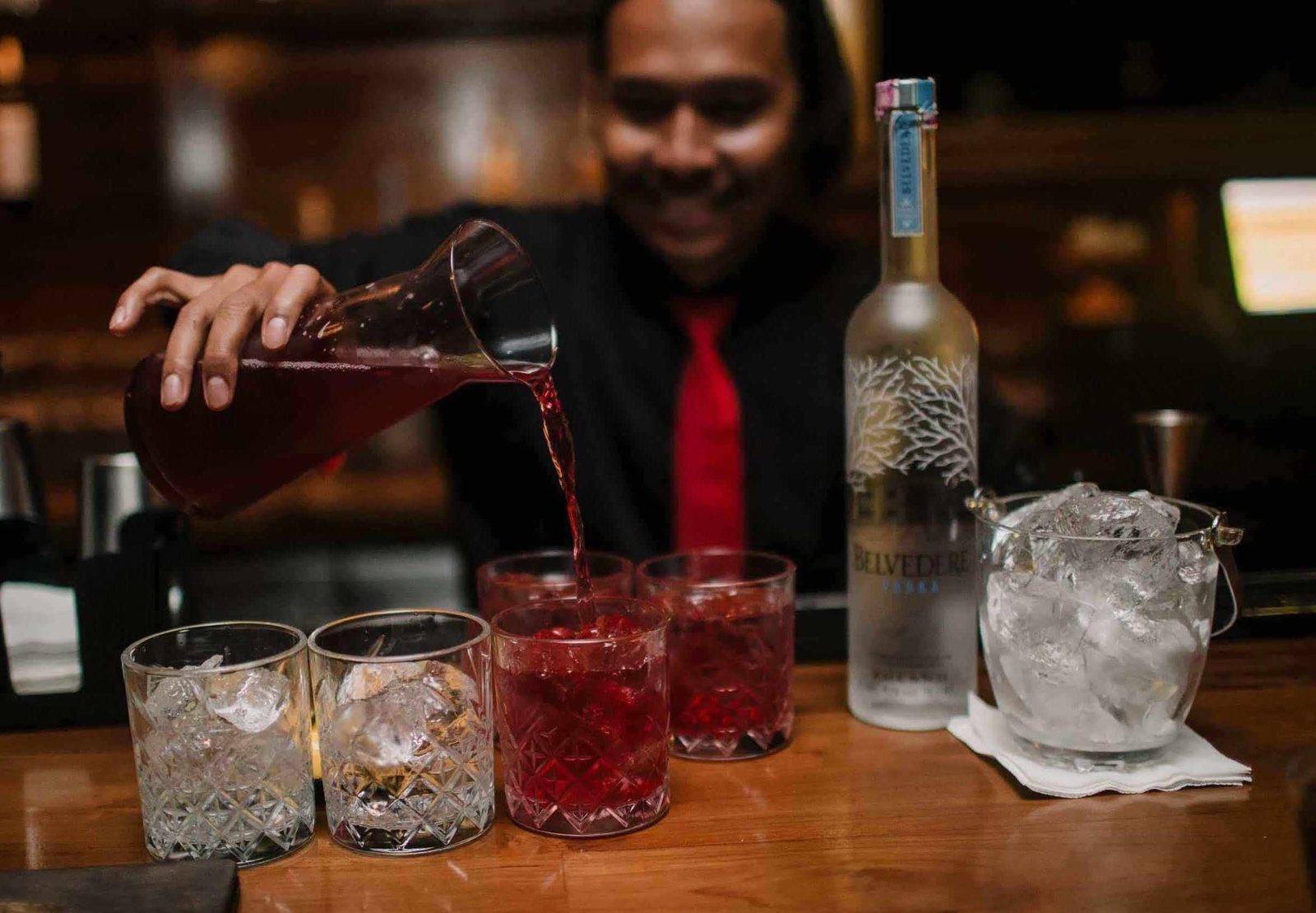
- Ice: Ice needs a conscious decision. Industrial, tubular ice from regulated suppliers (common in hotels, beach clubs, and larger restaurants) is usually made from filtered or treated water and is widely seen as safe. Homemade ice from small warungs or rural stalls is higher risk because it may come from untreated tap water. A practical rule: tubular, clear ice in busy venues is usually acceptable; irregular, cloudy cubes in small roadside places are a risk you must choose to accept or avoid.
- Washing dishes: For normal dishes, tap water plus soap and air-drying is usually acceptable because soap and drying reduce microbes. For baby bottles or items that go straight into infants’ mouths, your risk tolerance should be much lower. In that case, using boiled or bottled water is a sensible extra step.
- Swimming pools: Pools in tourist areas are typically chlorinated or use salt systems. These treatments kill most pathogens. Your main check is visual: avoid pools that are cloudy, have a strong chemical smell, or look poorly maintained. Swallowing pool water still carries some risk, but it is generally lower than drinking tap water.
Once you see these differences, you can avoid overreacting (for example, fearing showers) while staying strict about high-risk behaviors like drinking and brushing teeth with tap water.
Cost–Convenience–Sustainability: Choosing Your Drinking Water Strategy
Once you accept that Bali tap water is unsafe to drink, you face a three-way trade-off between cost, convenience, and environmental impact. Your main options are:
- Buying bottled water as you go.
- Using hotel or villa dispensers and refill stations.
- Bringing or buying a portable filtration bottle.
Each strategy plays out differently over a typical trip. The table below uses only qualitative comparisons (no made-up numbers) to show how they differ.
| Strategy | Upfront Effort | Ongoing Cost | Convenience | Plastic Waste | Best For |
| Buy small bottled water in shops | Very low | Low in supermarkets, higher in tourist areas | High (shops everywhere) | High (many small bottles) | Short trips, low planning |
| Buy bottled water in restaurants/bars only | Very low | High (tourist markups) | High (order with meals) | Moderate | Travelers prioritizing convenience over budget |
| Use hotel/villa water dispensers | Low (check availability, refill bottle) | Very low (often free or included) | High at accommodation, lower when out | Low (large jugs, fewer units) | Staying in one place, budget-conscious |
| Use public refill stations | Moderate (find stations, carry bottle) | Low (refills cheaper than restaurant bottles) | Moderate (depends on location) | Very low | Eco-conscious travelers, longer stays |
| Portable filtration bottle | Moderate (buy, learn use) | Very low per liter after purchase | High (water almost anywhere) | Very low | Frequent travelers, remote areas, families |
Key decision insights:
- Where you buy matters more than what you buy. The same amount of bottled water is cheap in supermarkets and local shops but can cost several times more in restaurants, bars, and beach clubs. If you only ever buy water where you eat and drink, you are choosing convenience over budget.
- Accommodation-provided water is often the hidden best value. Many hotels, villas, and guesthouses provide free filtered water dispensers or large 19L jugs. Using these as your main source and carrying a reusable bottle can cut both cost and plastic waste by a lot.
- Refill networks turn planning into savings. Bali has a growing network of refill stations (often in cafés, eco-shops, and co-working spaces). You need to plan your day around where you can refill, but in return you pay less and use less plastic.
- Portable filters pay off over multiple trips. For a single short holiday, a filtration bottle is mainly a convenience and sustainability choice. For frequent travelers or long stays, it becomes a cost-saving tool because it turns almost any tap or dispenser into drinkable water.
Match your strategy to your priorities. If you are very cost-sensitive, combine supermarket purchases with accommodation dispensers. If you care most about sustainability, rely on refill stations and filtration. If you want maximum simplicity, accept that buying water in tourist venues will cost more.
Health Risk Management: Minimizing the Chance and Impact of “Bali Belly”
“Bali Belly” is a common name for traveler’s diarrhea and related stomach issues. Tap water is one possible trigger, along with food hygiene and general exposure to new microbes. You cannot bring the risk to zero, but you can make choices that clearly lower both the chance and the severity of illness.
Key mechanisms and timing:
- Exposure route: Illness usually follows swallowing contaminated water or food. Skin contact alone is rarely the problem.
- Onset window: Symptoms often appear roughly 6–24 hours after exposure. This timing helps you link a specific decision (for example, brushing teeth with tap water or drinking a drink with questionable ice) to later symptoms.
- Adaptation gap: Your gut flora is not adapted to local pathogens. Exposures that locals tolerate can still make you sick.
Practical decision rules to reduce risk:
- Be strict about what you drink. Use bottled, filtered, or boiled water for all drinking. This single rule removes the highest-risk behavior.
- Decide your brushing policy in advance. If you know you have a sensitive stomach, commit to using safe water for brushing teeth from day one. This avoids “just this once” choices that quietly add up.
- Apply a simple ice rule. If you cannot tell whether the ice is from a regulated supplier, either skip it or accept that you are taking extra risk. In higher-end venues, tubular ice is usually a reasonable bet. In small roadside stalls, consider ordering drinks without ice.
- Watch for compounding exposures. A small accidental sip in the shower, plus brushing with tap water, plus ice of uncertain origin, adds up. Each decision may seem minor, but together they raise the chance of illness.
If you do get sick, your focus shifts from prevention to management:
- Hydration: Use safe water (bottled or filtered) to rehydrate. This is where easy access to safe water—via dispensers, refills, or filters—really helps.
- Monitoring: If symptoms are mild and improving, rest and hydration may be enough. If they are severe, last a long time, or include high fever or blood, seeking medical care is the sensible choice. Bali has pharmacies and clinics used to treating traveler stomach issues.
- Future behavior: After an episode, tighten your water-related decisions (for example, switch to safe water for brushing) to avoid getting sick again.
The goal is not to remove all risk—that is impossible—but to avoid the most avoidable exposures and to be ready to respond quickly if you do get sick.
Special Cases: Families, Long Stays, and Sensitive Travelers
Some travelers face higher stakes from the same water decisions. The basic risks stay the same, but the consequences change.
Families with infants and young children
- Baby bottles and formula: Infants are more vulnerable to dehydration and infection. Using boiled or bottled water for mixing formula and washing bottles is a prudent choice. It adds effort but cuts risk significantly.
- Bath time: Bathing in tap water is generally acceptable, but try not to let children drink bath water. Watching this behavior matters more than the water itself.
- Snacks and fruit: If you prepare fruit or snacks in your accommodation, rinsing them with safe water (bottled or filtered) is a simple way to reduce risk for children.
Long-stay visitors and digital nomads
- Cost accumulation: Over weeks or months, buying small bottles or restaurant water becomes a major recurring cost. Investing in a filtration bottle or relying on 19L jugs and refill stations becomes financially sensible.
- Routine habits: Long stays make it easier to build stable routines: always refilling at the same café, using the same dispenser, or arranging delivery of large water jugs. These habits reduce both cost and decision fatigue.
- Infrastructure variability: If you move between areas (for example, Canggu, Ubud, and more rural regions), assume that water quality and infrastructure reliability vary. Do not assume that one safe experience applies to the whole island.
Travelers with sensitive stomachs or health conditions
- Lower risk tolerance: If you know you are prone to stomach issues, the rational strategy is to be stricter than average: safe water for brushing, no questionable ice, and careful choice of where you eat.
- Medication planning: Having basic anti-diarrheal medication and oral rehydration salts ready reduces the impact if you do get sick. This does not replace safe water decisions; it supports them.
- Consultation: If you have chronic conditions, talking with a healthcare provider before the trip can clarify how strict your prevention strategy should be.
Across these special cases, the pattern is the same: the more serious the possible consequences of illness, the more it makes sense to spend effort and money on stricter water safety practices.
Risks, Uncertainties, and What We Don’t Know
Even with clear patterns, there are real uncertainties and gaps. These affect how you should read any advice about Bali tap water.
- No precise risk percentages: Available information does not give reliable statistics on how many travelers get sick from tap water vs. food or other sources. You cannot calculate an exact probability for each decision. You have to work with qualitative risk levels.
- Regional variation: There is limited structured data on how water safety differs between cities and rural areas, or between different parts of Bali. It is reasonable to assume variation, but you should not assume any area has universally safe tap water.
- Enforcement variability: There are regulations for ice production and bottled water standards, but there is little transparent data on how well they are enforced. Most advice that “industrial ice is safe” comes from observed practice and local experience, not from published audits.
- Infrastructure changes over time: As Bali develops, water infrastructure and regulation may improve—or be strained by overdevelopment and higher demand. Advice that is accurate now may change, and older stories may no longer match current conditions.
- Individual susceptibility: People differ a lot in how their bodies react to the same exposure. One traveler may drink a drink with questionable ice and feel fine; another may get sick from less. This does not cancel the general guidance. It just explains why stories differ.
Because of these uncertainties, the safest approach is to treat the consensus—“do not drink tap water in Bali”—as your baseline. Then adjust your own behavior based on your risk tolerance, health, and trip context. When information is incomplete, choosing caution for anything you might swallow is a rational response.
Putting It All Together: A Practical Decision Framework
To turn all of this into clear actions, you can use a simple framework built around three questions:
- 1. Is this water going into my mouth?
If yes, treat it as high stakes. Use bottled, filtered, or boiled water for drinking, brushing teeth (especially if you are risk-averse), baby formula, and rinsing items that go directly into infants’ mouths. - 2. Where is this water coming from?
Separate untreated tap water from hotel/villa dispensers, refill stations, and bottled water from reputable brands. For ice, separate industrial tubular ice in larger venues from homemade ice in small stalls. - 3. What am I optimizing for: cost, convenience, or sustainability?
If cost is your priority, rely on accommodation dispensers, supermarkets, and possibly a filtration bottle. If convenience matters most, accept higher prices in restaurants and bars. If sustainability is your main concern, plan around refill stations and reusable bottles.
If you answer these questions the same way each time, you avoid random, ad-hoc choices that raise risk and cost without clear benefit. Bali’s tap water situation is not mysterious. It is a predictable result of infrastructure, climate, and regulation. Once you understand that, your job as a traveler is to make deliberate, informed trade-offs instead of accidental ones.