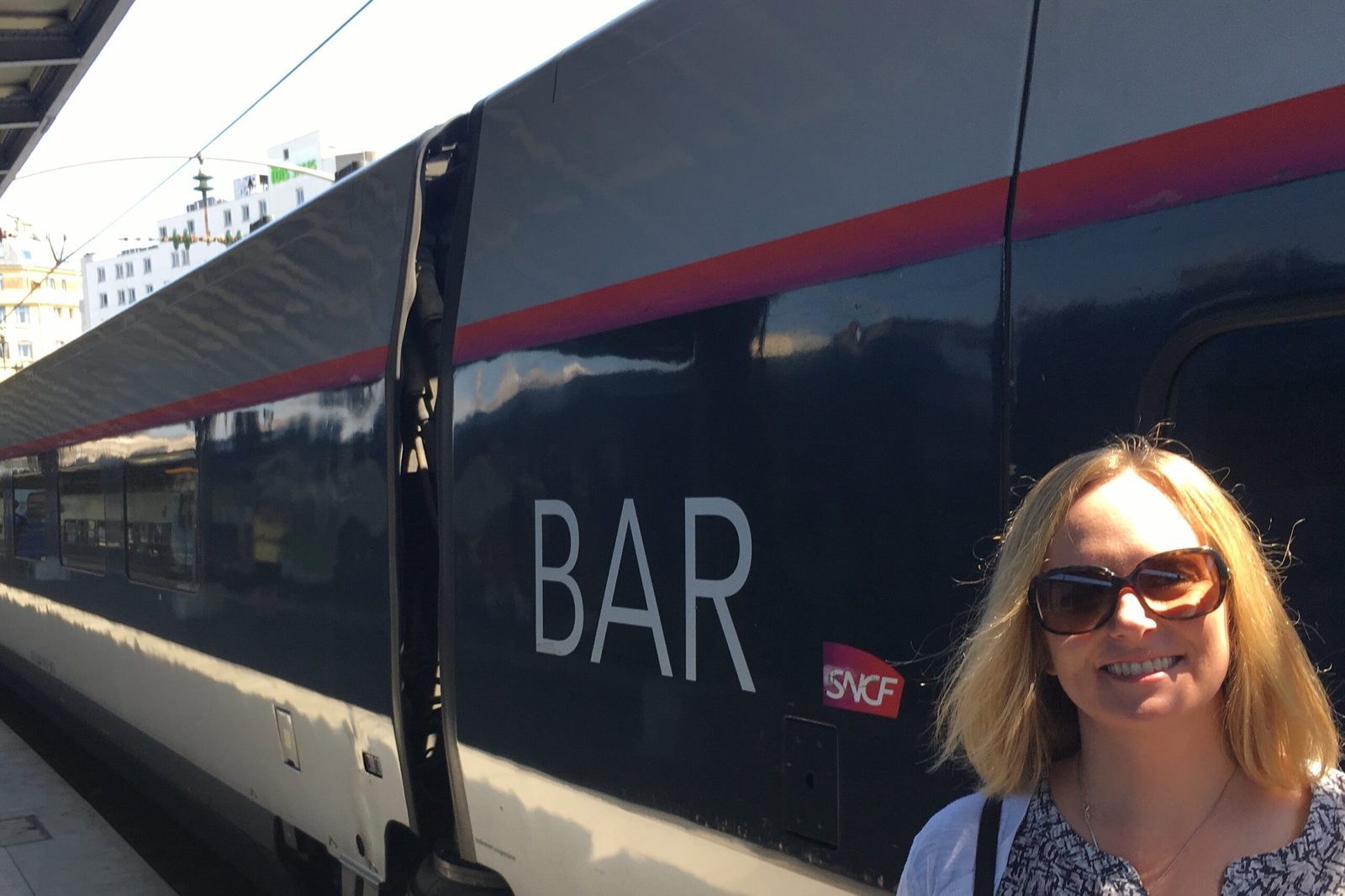
I plan my trips like a game of chess. Not because I love spreadsheets (I don’t), but because dynamic pricing quietly punishes anyone who wings it. You’ve probably felt it: the train that doubles in price overnight, the rideshare that jumps 3x in a rainstorm, the attraction ticket that’s mysteriously more expensive at 3 p.m. than at 9 a.m.
The good news: once you understand how these systems think, you can usually pay what locals pay – or less. Let’s walk through how I actually beat surge pricing on trains, buses, rideshares and attractions in Europe and Asia.
1. Decide When You Must Lock In vs When You Can Stay Flexible
Dynamic pricing is basically a question: Will you pay more for certainty later, or less for certainty now?
The trick is knowing which trips you should lock in early and which you can leave open.
Here’s how I decide:
- Lock in early when it’s a long-distance, high-speed, or popular route with airline-style pricing.
- Stay flexible when it’s a regional, commuter, or fixed-fare system where prices don’t change much.
In Europe, that usually means:
- Dynamic-priced trains: TGV/ICE/AVE/Frecciarossa, Eurostar, many cross-border routes. These can vary by 300–400% depending on when you book, as explained in detail in this breakdown of European train pricing.
- Mostly fixed-price trains: many regional and local trains, especially in Germany, Switzerland, Scandinavia and parts of Italy and Spain.
In Asia, it’s similar but more fragmented:
- Dynamic or quota-based: Japan’s Shinkansen, Korea’s KTX, China’s high-speed network, premium sleepers in Vietnam and Thailand.
- More fixed or low-variation: some slower regional trains and buses, especially outside big-city corridors.
My rule of thumb:
- If the journey is over 2–3 hours and on a flagship route, I assume dynamic pricing and try to book as soon as the window opens.
- If it’s a short hop or regional line, I assume prices are stable and keep it flexible.
Once you see the world in those two buckets, the rest of your dynamic pricing travel strategy becomes much easier.
2. Beat Train Surge in Europe by Working the Booking Window
European trains are where most travelers bleed money. The same seat can cost triple depending on when you buy. The system is built that way.
Here’s how I play it.
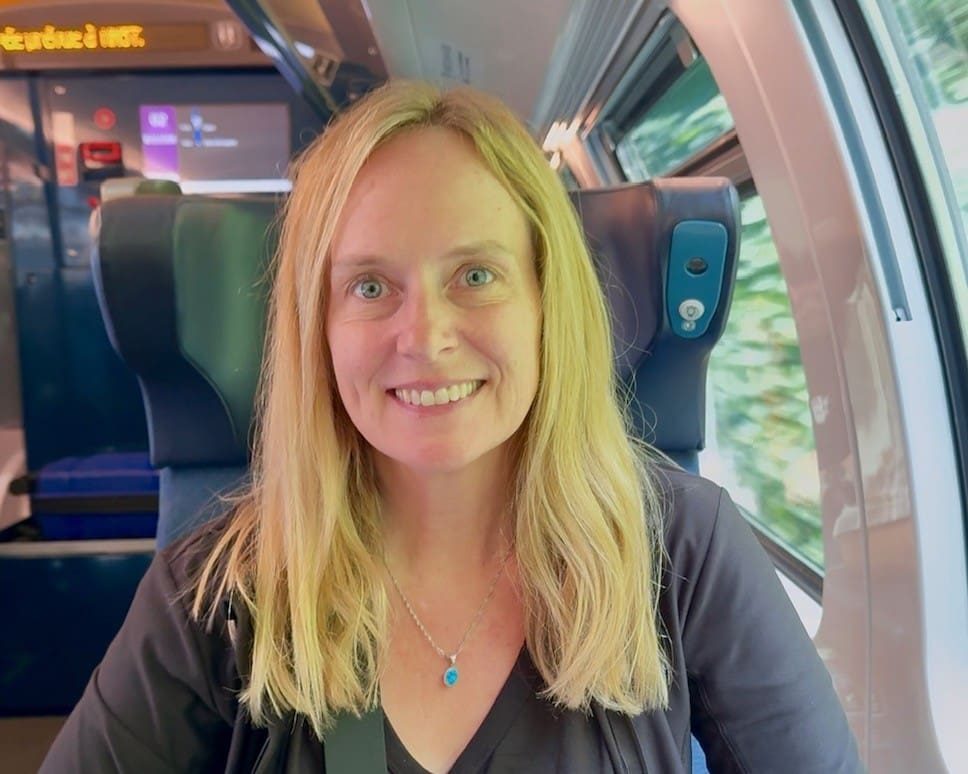
Know when cheap fares are released
Each national operator has its own booking window. The cheapest tiers appear when that window opens – and once they’re gone, they’re gone.
- France (SNCF TGV): ~180 days out
- Germany (DB ICE): ~180 days
- Italy (Trenitalia Frecciarossa): ~120 days
- Spain (Renfe AVE): ~60 days (sometimes more, sometimes less)
On popular routes like Paris–Nice, Munich–Berlin, or Barcelona–Madrid, I literally set a calendar reminder for the day the window opens. That’s when the 55–65% off advance fares are sitting there waiting.
If you’re wondering about the best time to book trains in Europe, it’s almost always: as soon as those windows open for any route that matters to your trip.
Use aggregators as scouts, not as ticket offices
Apps like Trainline and Omio are great for research, not always for buying. I usually:
- Search routes and times on an aggregator.
- Note the exact train numbers and times.
- Book directly on the national site (SNCF, DB, Trenitalia, Renfe, etc.).
Why bother?
- Aggregators often add €2–€5 per ticket in fees.
- National sites sometimes show promo or supersaver fares that aggregators don’t surface.
- You usually get better seat selection and clearer rules on changes and refunds.
If I’m doing a complex multi-country itinerary and my time is worth more than the fees, I’ll happily pay Trainline or Omio. But I make that a conscious decision, not a default.
Choose your flexibility level on purpose
Dynamic pricing punishes indecision. So I decide early: Is this a fixed plan or a flexible day?
- Advance, non-refundable fares – I use these when I know I’ll be on that specific train. They’re often half the price of flexible tickets.
- Flexible fares – I only pay the 50–70% premium when I genuinely need the option to change or cancel (tight flight connection, business meeting, family plans).
For regional trains, I usually don’t bother booking early at all. Prices are often fixed, and the real value is the freedom to hop on whatever train fits my day.
Don’t forget the hidden costs: reservations and passes
Rail passes (Eurail/Interrail) look like a magic bullet against dynamic pricing. They’re not. They’re a tool – and a very specific one.
- They only really shine if you’re doing lots of long-distance trips in a short time, often 8+ journeys.
- On many high-speed and international trains (Eurostar, TGV, AVE), you still pay mandatory seat reservations on top of the pass.
- Those reservation quotas can sell out, so your “unlimited” pass suddenly isn’t so unlimited.
Often, a national or regional pass (like Germany’s Deutschland Ticket or a Swiss Travel Pass) beats Eurail for single-country trips. I always compare both against point-to-point tickets before committing.
Think of it as a simple dynamic pricing vs fixed ticket decision: passes give flexibility, advance tickets give raw savings. Pick the one that matches how you actually travel.
3. Use Asia’s Fragmented Systems to Your Advantage
Asia is a different beast. The rail systems are modernizing fast, but the booking experience can be… hostile to foreign cards and non-local phones. That’s actually an opportunity if you know how to work around it.
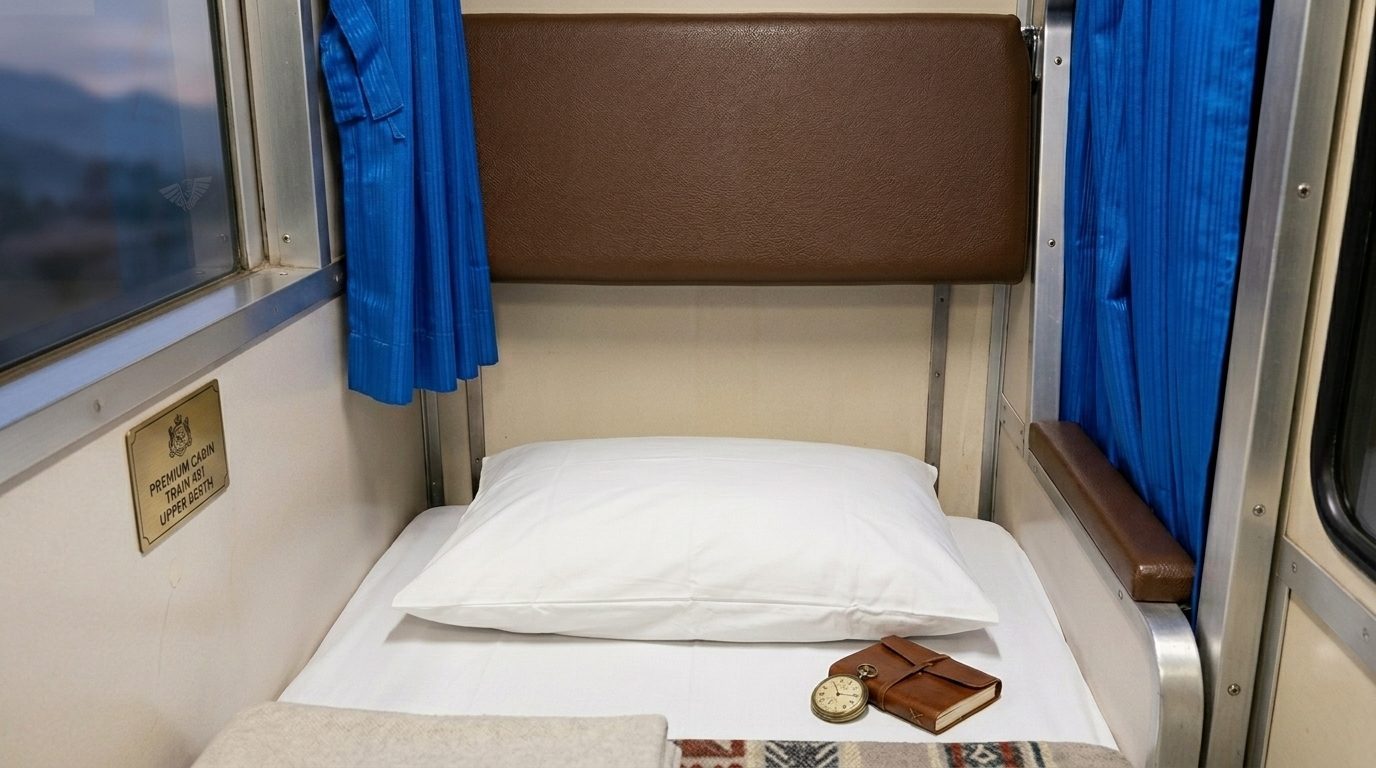
Respect the booking windows – they’re shorter and stricter
In Asia, the problem isn’t just price. It’s availability. Seats and sleepers simply disappear.
- Japan (Shinkansen): booking opens about 30 days ahead. Prices are relatively stable, but popular trains and times sell out.
- Vietnam sleepers: good berths can be gone 60 days before departure.
- Thailand overnight trains: the best air-con sleepers go first, especially on Bangkok–Chiang Mai.
Here, dynamic pricing is less about wild swings and more about paying more for what’s left – or getting stuck with bad times and bad berths.
Expect digital tickets, but don’t trust your phone 100%
Asia’s big rail systems are racing toward fully digital access:
- QR-code tickets on your phone.
- Biometric gates in places like China.
- App-based seat selection that sometimes breaks on foreign devices.
My survival kit:
- Screenshot every QR code and confirmation email before leaving Wi‑Fi.
- Keep a printed copy for critical journeys (overnight trains, border crossings).
- Arrive 30+ minutes early at mega-stations in Japan, Korea, or China. These places are cities inside buildings.
Use third-party portals strategically
Local apps often reject foreign cards or require local phone numbers. That’s where English-language portals (like the one at 9rail’s Asia guide) can be worth their service fee.
I use them when:
- The official site is geo-blocked or keeps failing my payment.
- I need a specific high-speed or sleeper train that’s likely to sell out.
- I don’t have the patience to wrestle with a half-translated app for 45 minutes.
But I still check the official price first, so I know exactly what I’m paying for convenience.
Night trains: the anti-surge hack
In Southeast Asia especially, night trains are the quiet hero:
- They combine transport + accommodation in one price.
- They’re often cheaper and less stressful than budget flights once you factor in airport transfers and baggage games.
- They let you arrive in the morning ready to explore instead of losing a day to travel.
On routes like Bangkok–Chiang Mai or Hanoi–Da Nang, I treat a good sleeper berth as a hotel room that happens to move. That mindset makes the price feel like a bargain instead of a splurge.
4. Outsmart Rideshare Surge: Time, Place, and Backup Plans
Rideshare surge pricing is designed to catch you when you’re tired, wet, late, or lost. I try not to be any of those things when I open the app.
Know when surge is almost guaranteed
In most cities, surge is predictable:
- Weekday rush hours (commuter times).
- Friday and Saturday nights near nightlife districts.
- Rainstorms or extreme heat.
- Event endings (concerts, football matches, festivals).
So I plan around those:
- Leave 15–20 minutes earlier for the airport to avoid the worst of rush hour.
- Walk a few blocks away from stadiums or venues before opening the app.
- Have a public transport backup pre-saved in my map app.
Compare modes in real time
When I see a surge multiplier, I don’t just sigh and accept it. I quickly compare:
- Rideshare price vs local taxi app (Bolt, Free Now, Grab, Gojek, etc.).
- Rideshare vs metro/bus + short walk.
- Rideshare now vs waiting 10 minutes (surge often drops fast).
Sometimes the answer is obvious: a €35 surge ride vs a €3 metro and a 7‑minute walk. I don’t need to be a hero; I just refuse to be lazy by default.
Use fixed-price options when they exist
In some cities, you can dodge dynamic pricing entirely by choosing:
- Airport flat-rate taxis (common in Europe).
- Pre-booked transfers with fixed prices.
- Local taxi apps that show a locked-in fare before you confirm.
When I know I’ll be arriving late at night or during a big event, I often pre-book a fixed-price transfer. It’s not always the absolute cheapest, but it’s immune to surge – and that peace of mind is worth something.
If you’re trying to avoid surge pricing in Europe or Asia, this mix of timing, alternatives, and fixed fares is usually enough to keep rideshare costs sane.
5. Stop Overpaying for Attractions: Dynamic Pricing in Disguise
Attractions have quietly adopted airline logic. You’ll see it called peak pricing
, flex tickets
, or dynamic calendar
, but it’s the same idea: charge more when people are most likely to show up.
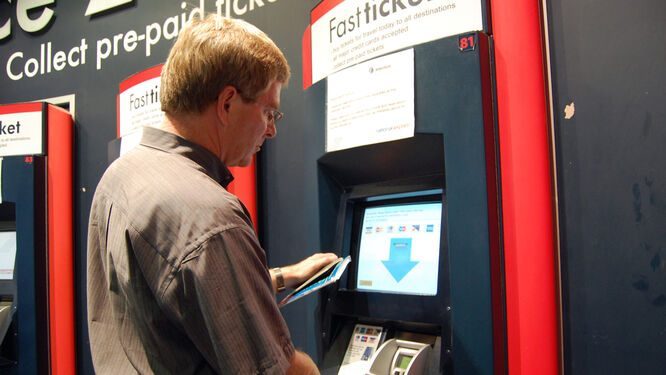
Shift your time, not your destination
Instead of skipping a must-see sight because it’s expensive, I ask: Is it expensive all day, or just at the obvious times?
Common patterns:
- Cheaper: early morning slots, late evening entries, weekdays.
- More expensive: mid-morning to mid-afternoon, weekends, holidays.
So I’ll do the big-ticket attraction at 8 a.m. or 8 p.m., and fill the middle of the day with free or low-cost experiences: markets, neighborhoods, parks, viewpoints.
That’s how I handle dynamic ticket prices at attractions without feeling like I’m constantly being upsold.
Book direct and watch for bundles
Third-party ticket sites are convenient, but they often bake in:
- Service fees.
- Higher base prices.
- Unclear refund rules.
I usually:
- Check the official site first for the real price and time-based differences.
- Look for city passes or multi-attraction bundles that include what I actually want to see (not 20 random museums I’ll never visit).
- Only use third-party sellers if they offer a clear advantage: skip-the-line at a time I need, or a genuinely cheaper combo.
Dynamic pricing on attractions is often less about huge swings and more about penalizing last-minute, peak-time behavior. So I just refuse to behave that way.
6. Use Off-Peak Travel as Your Default Money-Saving Mode
If there’s one habit that beats dynamic pricing across trains, buses, rideshares, and attractions, it’s this: live slightly off-peak.
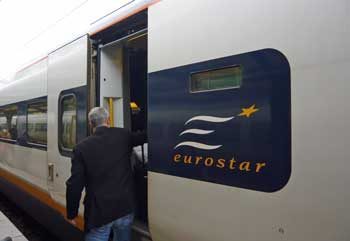
On European trains, that means:
- Avoiding Friday afternoons and Sunday evenings on popular routes.
- Choosing early morning, mid-morning, or late-night departures when prices can be up to 80% lower on some lines (Barcelona–Madrid is a classic example).
- Being open to slower regional trains instead of the fastest high-speed option when time allows.
For buses and rideshares, it’s similar:
- Traveling midday instead of peak commute times.
- Leaving events a bit earlier or later than the crowd.
- Walking or using public transport for short hops during obvious surge windows.
For attractions:
- Booking first or last entry slots when they’re cheaper and less crowded.
- Visiting the most popular sights on weekdays and saving weekends for wandering.
Dynamic pricing punishes people who move exactly when everyone else moves. So I don’t. I shift my day by an hour or two and let everyone else pay for the privilege of being predictable.
7. Build a Simple Anti-Surge Routine for Every Trip
You don’t need to obsess over every ticket. I certainly don’t. Instead, I use a simple routine when planning any trip to Europe or Asia:
- List the big, fixed journeys (intercity trains, flights, key attractions). These are my
lock in early
items. - Check booking windows for each country’s trains and set reminders for the day cheap fares appear.
- Research once, book smart: use aggregators to scout, then book on national sites when it saves real money.
- Decide flexibility upfront: advance non-refundable vs flexible tickets, based on how likely my plans are to change.
- Plan off-peak by default: trains, buses, rideshares, and attractions all get scheduled slightly away from the obvious rush.
- Prepare backups: local taxi apps, metro routes, and a rough idea of walking distances so surge pricing never traps me.
Dynamic pricing isn’t going away. But once you understand how it works, it stops feeling like a rigged game and starts feeling like a puzzle you can actually win.
The question I ask myself before every booking is simple: Am I paying extra for convenience I truly need, or just for not thinking ahead?
Answer that honestly, and you’ll beat surge pricing more often than not – whether it’s trains and buses, rideshares, or those quietly dynamic attraction tickets.