I love a good deal. I also hate feeling tricked. Budget airlines sit right in the middle of that tension. The headline fare looks like a steal, but by the time you land, you’re wondering: Did I actually save anything?
This guide walks through the real cost of budget airlines: the fees that don’t show up at first, the airport transfers you forget to price in, and the time you quietly trade away for that cheap ticket. By the end, you’ll have a clearer sense of when a low-cost carrier is a genuine bargain—and when it’s just a cleverly packaged trap.
The Illusion of the $29 Fare
Let’s start with that impossibly low fare.
Ultra-low-cost carriers (ULCCs) are built on one idea: strip the base fare to the bone and sell everything else à la carte. On some airlines, fees now bring in more money than the ticket itself. The fare is the bait; the extras are the business model.
Here’s what usually isn’t included in that $29–$49 ticket:
- Carry-on bag (anything beyond a small personal item)
- Checked luggage
- Seat selection (even just to sit with your partner or kids)
- Airport check-in or boarding pass printing in some cases
- Snacks, drinks, sometimes even water
- Changes, cancellations, or any flexibility at all
On paper, this is choice
. You only pay for what you use. In reality, many travelers end up paying for things they assumed were included—because that’s how flying used to work with full-service airlines.
The question to ask yourself is simple: What will I realistically need on this trip? If that list includes a bag, a specific seat, or any flexibility, that $29 fare can quietly double or triple. That’s where the cheap flight hidden charges start to show.
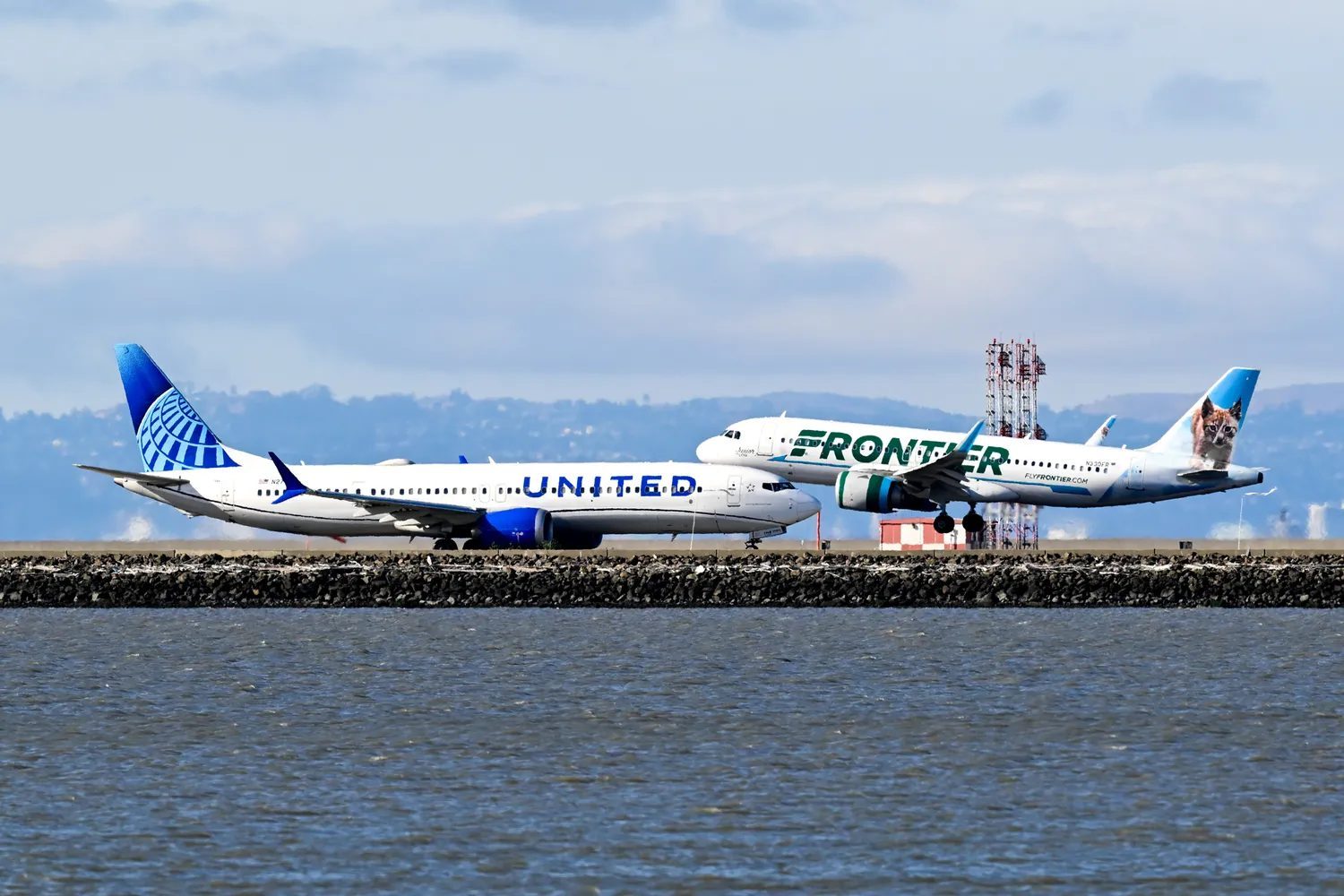
On some routes, once you add those basics, a so-called budget airline ends up costing the same—or more—than a traditional carrier that includes a carry-on and better schedules. The illusion only works if you stop comparing after the first price you see.
Seat Selection: Comfort, Families, and the Price of Sitting Together
Seat selection is one of the most underestimated costs on low-cost airlines. It looks small—$10 here, $25 there—but it adds up fast, especially for couples and families.
Here’s the typical setup:
- Random seat assignment is free (or included), but you may be scattered across the cabin.
- Standard seats cost a modest fee per segment.
- Exit rows or extra-legroom seats can cost as much as a cheap hotel night.
Now imagine a family of four on a round trip:
- $15 per seat, per flight segment
- 4 people × 2 segments (outbound + return) × $15 = $120 just to sit together
Suddenly, that cheap
ticket isn’t so cheap. And if you skip seat selection, you’re gambling. Some airlines will try to keep families together; others won’t. The fine print usually says they’ll attempt
to seat minors with an adult, not guarantee it.
Here’s how I think about budget airline seat selection cost:
- Solo traveler, short flight: I usually skip seat selection and take my chances.
- Couple or friends: I decide how much sitting together is worth. For a 1-hour hop, I might skip it. For a 5-hour flight, I’ll pay.
- Kids or nervous flyers: I treat seat selection as non-negotiable and factor it into the initial price comparison.
Before you book, add seat fees into your mental calculator. If the total starts to approach a full-service airline that includes seat selection or offers more legroom by default, the budget
option may not be the smarter one.
Bags: The Fee That Quietly Destroys Your Savings
Baggage is where budget airlines really make their money—and where many travelers lose theirs. This is often the biggest low cost carrier extra fees breakdown you’ll feel.
On many ULCCs, you’ll see all of these as separate line items:
- Carry-on bag (overhead bin)
- Checked bag
- Overweight or oversized bag
- Last-minute bag purchase at the airport or gate
The timing matters. The same bag can cost:
- $25–$35 when added during online booking
- $40–$60 when added later
- $75+ if you show up at the gate unprepared
Compare that to a traditional airline that includes a carry-on and sometimes a checked bag, especially if you have status or a co-branded credit card. Once you add one checked bag and one carry-on to a budget ticket, you may find you’ve blown past the cost of a legacy carrier. That’s where the budget airline vs full service cost comparison flips.
Here’s how I approach it:
- Personal item only: Budget airlines can be genuinely cheaper if I stick to a small backpack that fits under the seat.
- One carry-on or checked bag: I always compare the all-in price with a traditional airline that includes at least a carry-on.
- Two bags or more: I assume there is no such thing as a
budget
airline anymore. The fees will eat the savings.
Also, pay attention to the fine print. Some airlines have tiny size limits for personal items. If your backpack bulges, you might be forced to pay a last-minute carry-on fee at the gate. That’s one of the most painful—and profitable—moments for them.

To avoid surprises, I always:
- Measure my bag and compare it to the airline’s posted limits.
- Pre-pay for any bag I know I’ll need, during booking if possible.
- Screenshot the baggage rules in case there’s a dispute at the airport.
If the final price with bags is within $20–$40 of a full-service airline, I usually switch. The extra comfort, better schedules, and fewer rules are worth that difference to me.
Secondary Airports and Transfers: The Hidden Commute
This is the cost most people forget: where you’re actually flying to.
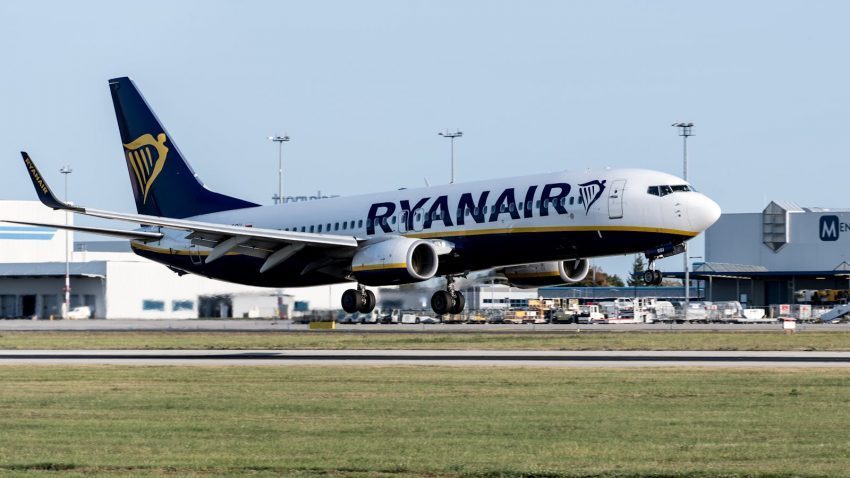
Budget airlines love secondary airports. They’re cheaper to operate from, but often far from the city you think you’re visiting. That cheap ticket to Paris
might land you at an airport that’s a two-hour bus ride away from the Eiffel Tower.
Here’s what that can mean in real life:
- Extra bus or train tickets (sometimes €15–€30 each way)
- Longer travel time door-to-door
- Earlier departures from your hotel to catch that bus
- More risk if your flight is delayed and you miss the last train
Let’s say you save $40 on the flight but spend $25 each way on airport transfers. You’re already behind. Add the value of your time—two extra hours each way—and the deal
starts to look shaky. This is where the total trip cost including airport transfers can surprise you.
When I compare flights now, I don’t just look at the airport code. I ask:
- How far is this airport from the city center?
- What’s the cost and schedule of the transfer (bus, train, taxi)?
- Will I arrive late at night when transport options are limited?
- Could I end up paying for a taxi or even a hotel if something goes wrong?
Sometimes, a slightly more expensive ticket into the main airport is actually cheaper overall—and far less stressful. The real cost of budget airlines is door-to-door, not just airport-to-airport.
Time Costs: Early Flights, Long Lines, and Zero Flexibility
Budget airlines don’t just charge your wallet. They charge your time and energy too.
Here’s how the time cost of budget airlines shows up:
- Awkward flight times: Super-early or late-night departures that disrupt sleep and require expensive taxis.
- Longer check-in and boarding lines: Fewer staff, more self-service, and stricter rules.
- Stricter cut-off times: Miss check-in by a few minutes and you may have to buy a new ticket.
- Limited backup options: Fewer flights per day, fewer aircraft, and less flexibility when things go wrong.
On a traditional airline, a delay or cancellation might mean they rebook you on the next flight or even a partner airline. On some budget carriers, the answer is: Here’s a voucher, good luck.
If you’re on a tight schedule—wedding, cruise, important meeting—that risk has a real cost.
I try to put a rough value on my time. For example:
- If a budget flight saves me $30 but costs me 3 extra hours in transfers, lines, and awkward timing, I ask: Is my time worth more than $10/hour?
- If a delay could cause me to miss something important, I weigh the risk of being stranded with minimal support.
There’s no universal answer here. Some travelers genuinely don’t mind the trade-off. But it’s important to recognize that time is part of the price, even if it doesn’t show up on your credit card statement.
Onboard Extras and Gotchas: Water, Boarding Passes, and Payment Fees
Once you’re on board (or even before you get there), the small charges start to appear. This is where a lot of budget airline add ons pricing hides.
Common ones include:
- Food and drinks: No free snacks, often no free water. A simple drink and snack can cost as much as a cheap meal on the ground.
- Boarding pass printing: Some airlines charge steep fees if you don’t check in online or arrive without a boarding pass.
- Payment method fees: Certain cards or payment platforms can trigger extra charges.
- Change and name fees: Changing dates, times, or even correcting a name can cost almost as much as a new ticket.
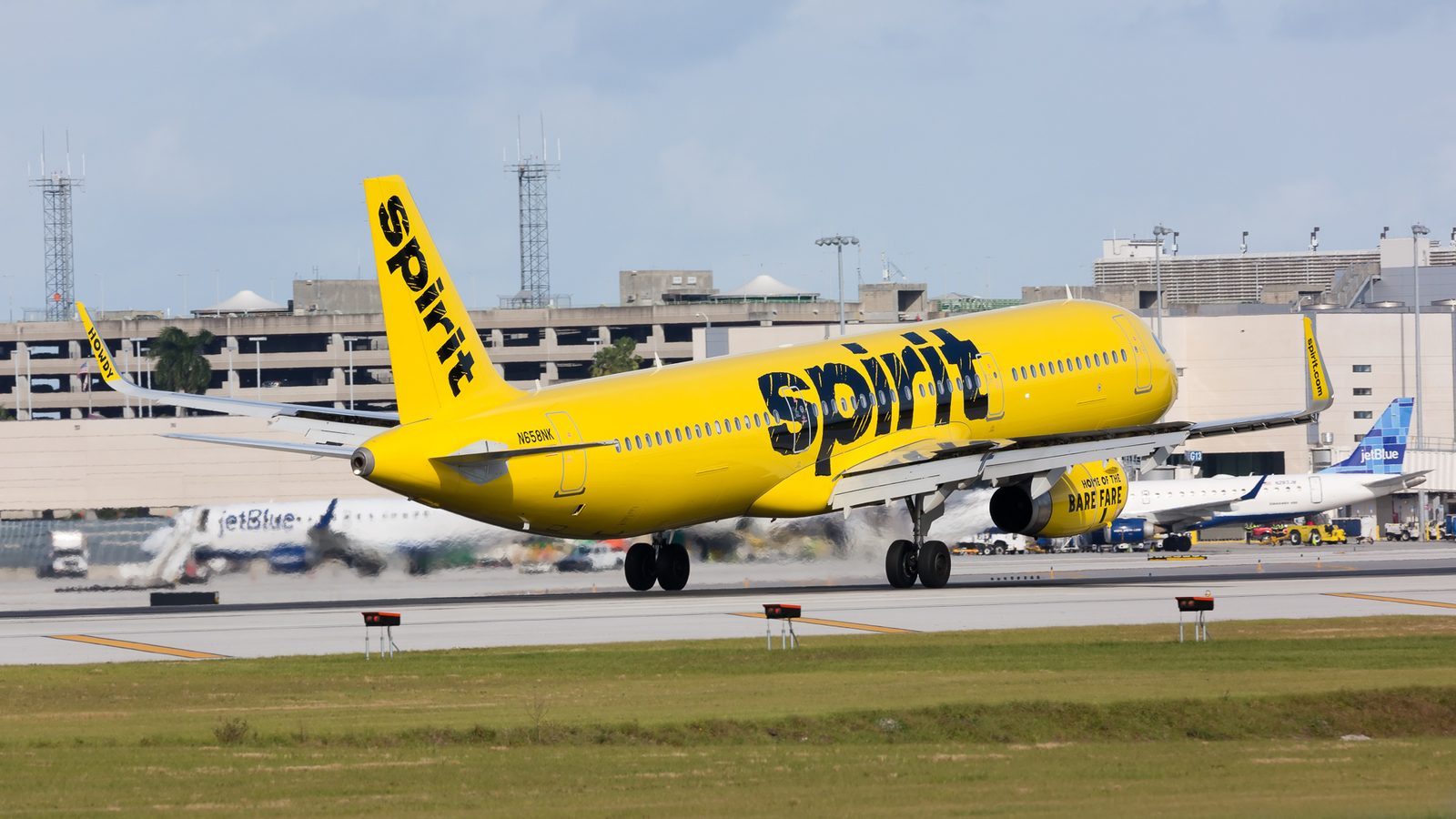
These might sound minor, but they’re designed to catch you off guard. A few missteps and you’ve added $50–$100 to your trip without realizing it. That’s how cheap flight hidden charges sneak in.
Here’s how I protect myself:
- Always check in online and download or print my boarding pass.
- Bring a refillable water bottle and snacks (within security rules) to avoid overpriced onboard purchases.
- Double-check names and dates before paying. A typo can be expensive.
- Use the airline’s preferred payment method if it avoids extra fees.
Think of these extras as a test: the more prepared and disciplined you are, the more you can actually benefit from budget fares. If you’re the type who rushes, forgets, or hates reading fine print, these airlines can be very expensive teachers.
When Budget Airlines Are Actually Worth It
After all this, it might sound like I’m anti-budget-airline. I’m not. They’re just a tool—and like any tool, they’re great in the right situation and terrible in the wrong one.
Here’s when they tend to shine:
- Short-haul, point-to-point trips where you don’t need connections.
- Light packing: You can genuinely travel with just a personal item.
- Flexible plans: You’re not on a tight schedule and can absorb delays or cancellations.
- Price is the top priority: Comfort and perks don’t matter much to you.
On the other hand, I usually lean toward traditional airlines when:
- I’m traveling with family or a group and need to sit together.
- I’m checking bags or carrying more than a small backpack.
- The trip is long-haul or overnight, where comfort matters more.
- I’m connecting to another flight, cruise, or event with a fixed schedule.
My personal rule: I compare the fully loaded price of a budget airline (fare + bags + seat + transfers + realistic extras) against a full-service carrier. If the difference is small—say under $40–$60—I usually choose the airline that offers better comfort, reliability, and support. That’s the only way to answer are cheap flights really cheaper?
with a straight face.
Budget airlines aren’t inherently good or bad. They’re a trade-off. The trick is to make that trade consciously, not just because a website flashed a $29 fare at you.
How to Compare Real Costs Before You Click “Book”
Let’s pull this together into a simple checklist you can use before you book your next flight. Think of it as your quick guide to avoiding common budget airline mistakes to avoid.
1. Start with the base fare—but don’t trust it.
- Note the headline price, but treat it as a starting point, not the final cost.
2. Add your realistic baggage needs.
- Will you bring a carry-on? A checked bag? Both?
- Look up the exact fees for your route and booking channel.
3. Decide if you need seat selection.
- Are you okay with random seating?
- If not, add the seat fees for every segment and traveler.
4. Factor in airport transfers.
- Check the distance and cost from each airport to your actual destination.
- Add buses, trains, or taxis to your mental budget and consider the cost of flying from secondary airports.
5. Consider time and risk.
- Look at departure/arrival times and potential sleep disruption.
- Think about what happens if your flight is delayed or canceled.
6. Compare against at least one full-service airline.
- Use the same route and dates.
- Include any perks you have (status, credit card benefits, free bags).
- Look at the full price vs budget airline total cost, not just the fare.
Only after this do I ask myself: Is the budget airline still cheaper—and is the savings worth the trade-offs?
Sometimes the answer is yes, and I book it happily. Other times, I realize the cheap
option was never really cheap at all.
The bottom line: Budget airlines can save you money, but only if you understand their rules better than they understand your habits. Once you start pricing the whole journey—fees, transfers, and time included—you’ll make smarter choices, and those deals
will finally start working in your favor, not theirs.