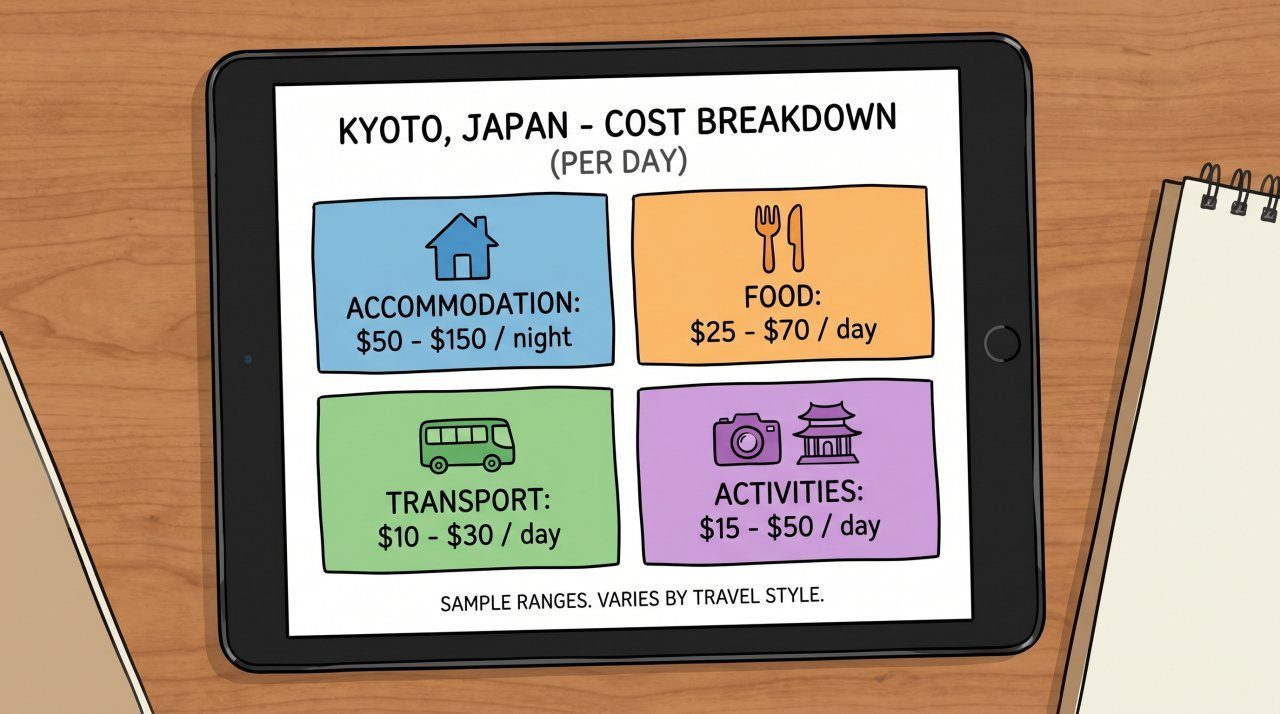
I obsess over cheap flights and hotel deals. But the longer I’m on the road, the more I notice something else quietly draining my wallet: local transport costs. Buses, metros, airport trains, taxis, rideshares – they don’t look expensive on their own, but over a week or two they can wreck your daily transportation budget.
And here’s the tricky part: the cheapest way to get around in Europe is not the same as in Asia or Latin America. The strategy that saves you money in Bangkok can be a terrible idea in Berlin and a risky move in Lima. So let’s break it down: Asia vs Europe vs Latin America, and how your choices on the ground change what your trip really costs.
1. First Decision: Are You Optimizing for Time, Money, or Stress?
Before I even look at maps or apps, I ask myself one blunt question: What am I optimizing for on this trip – time, money, or stress?
Because each region rewards a different priority when it comes to local transport costs in Asia, Europe, and Latin America:
- Asia: Often the cheapest overall, but systems can be chaotic or informal. Ideal if you’re squeezing every dollar and building an Asia city transport budget.
- Europe: Highly structured, integrated, and often pricey. Great if you care about time and predictability more than rock-bottom prices.
- Latin America: A wild mix. Some routes are dirt cheap, others surprisingly expensive. Best if you’re willing to mix modes and stay flexible.
Local transport is usually your third-biggest expense after flights and accommodation. As one detailed guide points out, planning this piece can shift your total budget by hundreds of dollars on a multi-week trip. A solid travel cost guide for local transportation matters more than most people think.
So I start with three quick checks for any city:
- How good is the public transport really?
- Are taxis or rideshares regulated and honest, or scam-prone?
- Is there a card or pass that makes everything cheaper?
If I can answer those three, I already know most of my local transport strategy.

2. Asia: Ultra-Cheap Rides, But You Need a System
Asia, especially Southeast Asia, is where local transport can feel almost unrealistically cheap. In many cities, your daily transportation budget can stay in the $35–50 range including everything, according to comparisons like this 2026 breakdown. That’s flights, food, and getting around.
But cheap doesn’t mean simple. If you want the best value, you need a bit of a system.
What’s usually cheapest?
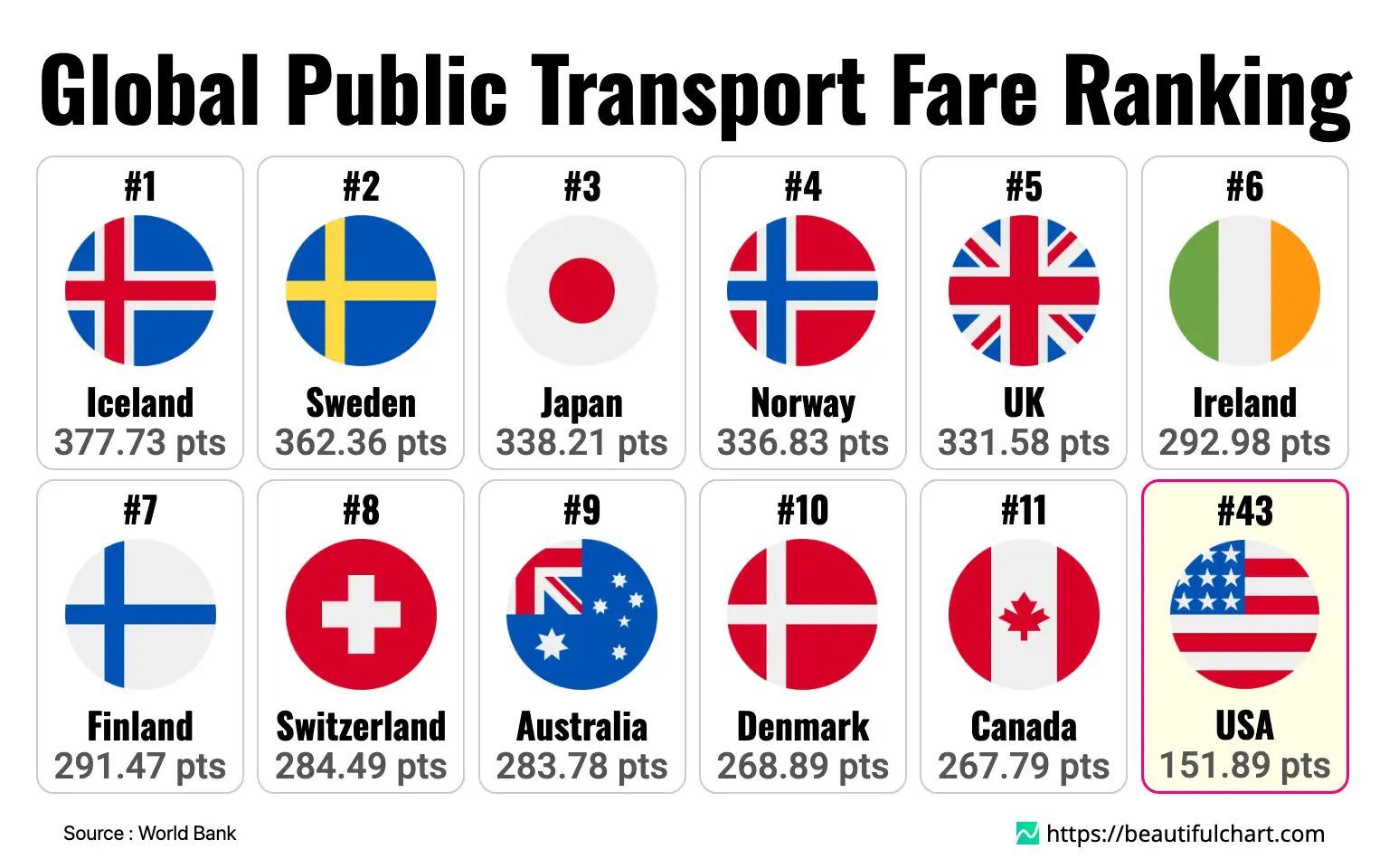
- City transport: Metros and buses in big cities (Bangkok, Tokyo, Seoul) are often far cheaper than European equivalents, even in high-income countries like Japan. Japan still ranks among the more expensive places globally for public transport because of high wages and advanced infrastructure – so the real bargains show up in developing countries.
- Intercity buses: Often the sweet spot between cost and flexibility. Night buses in Vietnam or Thailand can be incredibly cheap per kilometer and a classic choice for budget travelers comparing regional transport costs.
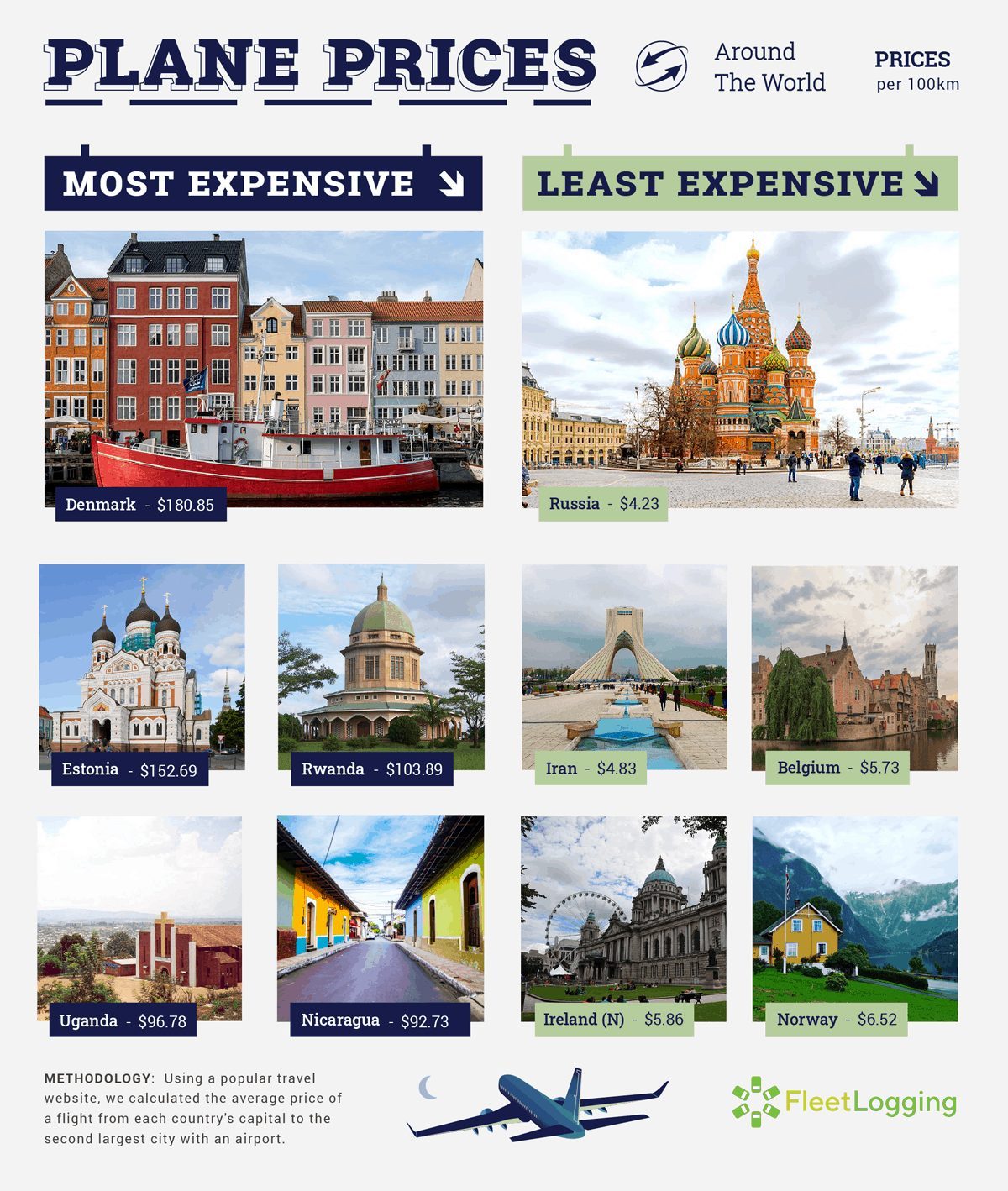
- Domestic flights: In parts of Asia, flights can be shockingly cheap thanks to budget airlines and heavy competition. A global index from FleetLogging shows Asia and the Middle East as some of the cheapest regions for domestic flights.
Where people overspend in Asia
- Airport taxis: Cities like Bangkok or Bali are notorious for inflated tourist pricing. Land late, feel tired, skip research – and it’s easy to pay 2–3x the local rate. That’s one of the classic tourist transport mistakes to avoid.
- Private transfers: Pre-booked cars feel safe and convenient, but they can cost more than your flight if you’re not paying attention.
My go-to strategy in Asia
- Use ride-hailing apps (Grab, Gojek, etc.) instead of random taxis. You see the price upfront, avoid haggling, and it’s easier to compare rideshare vs metro cost for tourists.
- Lean on metros and buses in big cities. They’re cheap, fast, and often better than what you’re used to at home.
- Ask locals (hostel staff, café owners) about informal options: shared minibuses, songthaews, jeepneys. These rarely show up in Google Maps but can slash your local transport costs.
- Be flexible with time: If you’re optimizing for money, accept slower routes. A 10-hour bus instead of a 1-hour flight can save you enough for several days of food or activities.
Asia rewards travelers who are willing to experiment. Stick only to private cars and airport pickups and you’ll still save compared to Europe – but you’ll miss the real savings and a lot of the stories.
3. Europe: Integrated, Predictable… and Often Expensive
Europe is where transport feels like a carefully engineered system. Zones, integrated passes, contactless cards – everything is designed to work together. It’s impressive. It’s also expensive.
According to a global public transport price index from BeautifulChart, some of the most expensive public transport in the world is in Europe and East Asia: Iceland, Sweden, Norway, the UK. High wages, constant infrastructure upgrades, and a policy choice to recover a big chunk of costs from users all push fares up. If you don’t plan, your daily transportation budget can disappear fast.
What Europe does extremely well
- Integration: In many cities, one card covers buses, trams, metros, and even regional trains. Germany’s Verkehrsverbund model is a classic example – one coordinated fare system across multiple operators.
- Zone-based pricing: You pay by distance or zone, not by mode. London’s Oyster/contactless and Paris’s Navigo are textbook cases of this and a big part of the cheapest way to get around in Europe if you use them right.
- Discounts for locals: Students, seniors, and low-income residents often get serious discounts or even free travel. Tourists rarely do, but you can still benefit via day passes and city transport passes in Europe.
Where Europe punishes your wallet
- Single tickets: Buying one-off tickets for every ride is the fastest way to burn cash. In Western Europe, a single metro ride can easily cost €2–€3.50. Do that several times a day and your public transport vs taxi cost comparison starts to look less obvious.
- Intercity trains: Rail is fantastic but not always cheap. The same global index shows Western Europe as relatively expensive for trains, with prices dropping as you move east.
- Airport express trains: They’re fast and convenient, but often priced like a tourist product rather than a local commute.
My go-to strategy in Europe
- Always check for passes: City cards, day passes, weekly passes. If you’re riding more than twice a day, a pass often wins and becomes one of the most affordable local transport strategies.
- Use contactless where possible: In cities like London, tapping a bank card automatically caps your daily/weekly spend. It’s a quiet hack that keeps your costs in check.
- Compare trains vs buses vs flights: A tool like FleetLogging’s index shows that in some countries, buses can be cheaper than trains, and in others, budget flights beat both. The time vs cost trade off in city transport and between cities is very real here.
- Shift east if you’re budget-focused: Eastern Europe (Poland, Romania, Bulgaria, Georgia) often undercuts Western Europe and can rival some Asian destinations on daily costs.
Europe rewards travelers who plan. Show up, buy whatever ticket is in front of you, and you’ll pay top-tier prices for a system designed to be used strategically.
4. Latin America: The Wild Mix of Cheap Trains, Pricey Buses, and Surprising Flights
Latin America is where assumptions go to die. You might expect everything to be cheap. It isn’t. Local transport costs in Latin America swing wildly from city to city.
According to the same global transport price index, train travel in many Latin American countries is very cheap – Cuba, Chile, Costa Rica, Argentina all show low rail costs. Then you see Peru topping the chart as the most expensive for trains. Why? Limited routes, tourist-heavy lines, and niche services. In other words, you’re paying for scarcity and tourism, not just distance.
What’s usually cheap
- Local buses and minibuses: In many cities, these are the backbone of daily life and priced accordingly. They’re often the default for an affordable daily transportation budget for travelers.
- Some trains: Where rail still exists as a public service, it can be extremely affordable and a nice surprise in your transport cost comparison.
What’s surprisingly expensive
- Intercity buses: In some countries, long-distance buses are priced closer to European levels than Asian ones. You can’t assume “bus = cheap” here.
- Domestic flights: The index shows South America as generally more expensive for domestic flights than parts of Asia. Sometimes the plane is faster but not friendly to your budget.
My go-to strategy in Latin America
- Check all three modes: For any intercity route, I compare bus, train (if it exists), and flight. The “obvious” choice is often wrong, especially when you factor in hidden transport fees for tourists.
- Use apps and local advice: Some of the best options (shared vans, colectivos) are barely documented online. I ask hostel staff or locals what they’d do if they needed to save money.
- Be cautious with taxis: In some cities, taxis are fine; in others, they’re a scam magnet. I lean on official taxi apps or rideshares where available.
Latin America rewards travelers who are willing to cross-check prices instead of assuming buses are always cheapest or trains are always tourist traps. Flexibility is your friend here.
5. Airport to City: The Most Expensive 30 Minutes of Your Trip?
This is where many travelers lose the plot. You land, you’re tired, you just want a shower. And suddenly you’ve spent the equivalent of a day’s budget on one taxi ride. The airport transfer vs public transport cost gap can be huge.
A practical guide from Two Black Travelers breaks it down into four main options: taxis, trains/metros, rideshares, and walking. The “right” answer depends heavily on the city and region.
Patterns I see by region
- Asia: Airport trains and metros (Bangkok, Tokyo, Hong Kong) are often cheaper and faster than taxis. Rideshares can be a good middle ground when you’re weighing rideshare vs metro cost for tourists.
- Europe: Airport trains are efficient but sometimes priced like a premium product. In cities with good metro links (Paris, Lisbon), I default to public transport unless I arrive very late.
- Latin America: Safety and reliability matter more. In some cities, I’ll happily take a bus; in others, I’ll pay extra for an official taxi or rideshare from a designated stand.
My personal rules for airport transfers
- Never decide at the arrivals hall: I research the options before I fly. If I don’t, I assume I’ll overpay. This is where a lot of tourist transport mistakes start.
- Use official stands only: I avoid anyone approaching me with
Taxi? Taxi?
and stick to marked queues or apps. - Check if there’s a pass: In Europe especially, an airport ride might be included or discounted in a city pass.
- Factor in arrival time: Landing at 1 a.m. changes the equation. I’m more willing to pay for a taxi if public transport is limited or feels unsafe.
This is the most emotional part of your transport budget. You’re tired, maybe anxious, maybe excited. That’s exactly when it pays to have a plan.
6. Passes, Cards, and Hacks: When Paying More Upfront Saves You
One of the biggest mistakes I see travelers make is thinking in single rides. In many cities, the system is designed to reward people who commit – with passes, caps, and reloadable cards. If you ignore that, you pay more for less.
Where passes shine
- Europe: This is pass heaven. Day passes, weekly passes, tourist cards that bundle museums and transport. If you’re riding 3–4 times a day, a pass almost always wins and becomes the backbone of the cheapest way to get around in Europe.
- Asia: Big cities often have reloadable cards (Suica in Japan, Octopus in Hong Kong, Rabbit in Bangkok). They don’t always give discounts, but they reduce friction and sometimes cap daily fares.
- Latin America: More hit-and-miss, but major cities increasingly use smart cards for buses and metros. They’re worth asking about when you arrive.
Why this matters for your budget
In high-cost countries, governments often expect users to cover a big share of operating costs. That’s why single tickets in places like Iceland, Sweden, or the UK are so expensive. Passes are their way of rewarding frequent users – and you can piggyback on that as a visitor. It’s one of the simplest affordable local transport strategies you can use.
My simple rule
If I’m staying in a city for 3+ days and expect to move around a lot, I:
- Estimate rides per day.
- Compare the total cost of singles vs a pass.
- Factor in convenience: not having to buy a ticket every time is worth something.
Most of the time, the pass wins – especially in Europe. In cheaper Asian cities, the difference is smaller, but the convenience still matters and keeps your daily transportation budget predictable.
7. Putting It All Together: Region-by-Region Strategies
Let’s boil this down into something you can actually use when planning and comparing local transport costs in Asia, Europe, and Latin America.
Asia: Strategy Snapshot
- Primary tools: Metros, buses, ride-hailing apps, occasional cheap flights.
- Mindset: Optimize for cost, accept some chaos.
- Key move: Use apps + local advice to find informal but safe options. That’s where the real savings hide.
Europe: Strategy Snapshot
- Primary tools: Integrated public transport, passes, trains, occasional buses and budget flights.
- Mindset: Optimize for time and predictability, manage cost with passes and caps.
- Key move: Always check for daily/weekly caps and city transport passes in Europe before buying single tickets.
Latin America: Strategy Snapshot
- Primary tools: Local buses, shared vans, selective use of trains and flights.
- Mindset: Optimize for flexibility, cross-check prices by mode.
- Key move: Don’t assume the bus is cheapest or safest; verify. Compare, then decide.
Underneath all of this is one simple idea: local transport reflects a country’s priorities. High fares often mean high wages and heavy investment. Low fares can mean subsidies, older infrastructure, or informal systems. Neither is inherently better – but each demands a different strategy from you.
8. The Question to Ask Before Every Trip
Before I book a flight now, I ask myself:
If I land in this city tomorrow, do I know how I’m getting from the airport to my bed – and roughly what it will cost?
If the answer is no, I’m not done planning.
Because once you’re on the ground, your transport choices will quietly decide whether your trip feels expensive and stressful or surprisingly affordable and smooth. Asia, Europe, Latin America – each region plays by different rules. The trick isn’t to fight them, but to learn them.
So next time you plan a trip, don’t just hunt for cheap flights. Ask yourself: What’s my local transport strategy? That’s where the real savings – and a lot of the real stories – actually live.