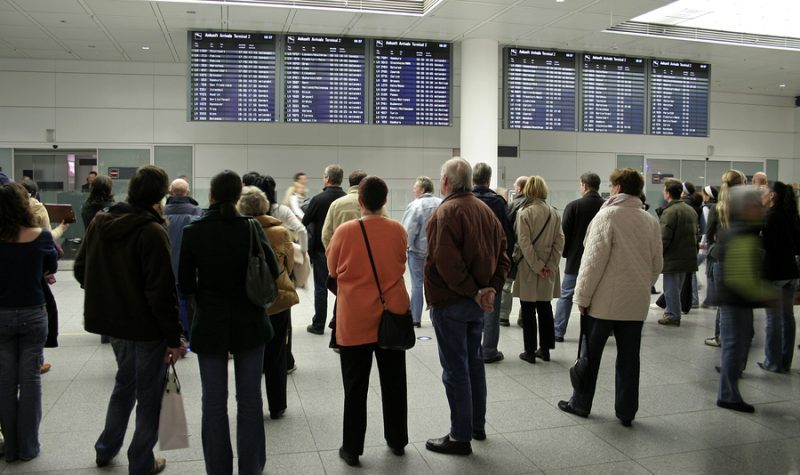
I don’t plan trips around disasters. But I do plan for them.
Flights cancel. Storms roll in. A “quick” delay quietly turns into an overnight at an airport hotel you never budgeted for. The refund rules for flights in the U.S. are better than they used to be, but the real money leak usually isn’t the ticket. It’s everything around it: hotels, meals, ground transport, and last‑minute rebooking.
This guide is how I think about a realistic travel disaster buffer
—what can go wrong, what the law actually protects, and how much extra budget I’d personally set aside for flights, hotels, and ground transport on different kinds of trips.
1. The First Decision: How Much Risk Are You Really Taking On?
Before I touch numbers, I start with one blunt question:
If this trip melts down, how much surprise money can I burn without panicking?
That answer shapes everything: routing, airlines, insurance, and the size of my travel disaster buffer budget.
Here’s the uncomfortable truth buried in the latest U.S. rules (DOT changes effective 2024–2025):
- You can now get automatic cash refunds when flights are canceled or significantly changed, as long as you decline rebooking or credits (DOT refund rules).
- Refunds cover the ticket and prepaid extras (seat fees, Wi‑Fi, bags) — not your hotel, not your Uber, not the non‑refundable tour you missed.
- There is no U.S. legal right to extra cash for inconvenience, even if the airline clearly messed up. Anything beyond the refund is voluntary.
So the real risk usually isn’t losing the ticket
. It’s the hidden costs of travel disruptions that pile up around it.
To get honest about that risk, I look at three things:
- Trip value: Is this a once‑a‑year vacation, a wedding, or just a random weekend away?
- Trip complexity: Nonstop vs. three connections, tight layovers, separate tickets, multiple countries.
- My cash comfort: Could I swallow an extra $300? $800? $1,500 without wrecking my month?
My rule of thumb: the more important and complex the trip, the more I treat a realistic travel emergency buffer as mandatory, not optional.
2. Flights: What You’ll Actually Get Back vs. What You’ll Actually Pay
Most travelers wildly overestimate what airlines owe them. I used to as well.
Under current U.S. rules (2024+):
- If your flight is canceled or significantly changed (3+ hours domestic, 6+ hours international, airport swap, extra connections, cabin downgrade), you can get a full cash refund if you choose not to travel.
- Refunds include the ticket, taxes, and prepaid extras like seat selection, Wi‑Fi, and baggage fees.
- If you accept rebooking or take the delayed flight, you usually give up the refund and are now playing by the airline’s goodwill rules.
That’s the legal side. The money side is different.
When a flight goes sideways, here’s where I see people bleed cash:
- Last‑minute new tickets when a rebooked flight makes the trip pointless.
- Overnight hotels when delays stretch past midnight.
- Airport food at $20 a meal, three times a day.
- Ground transport to a different airport or to a hotel and back.
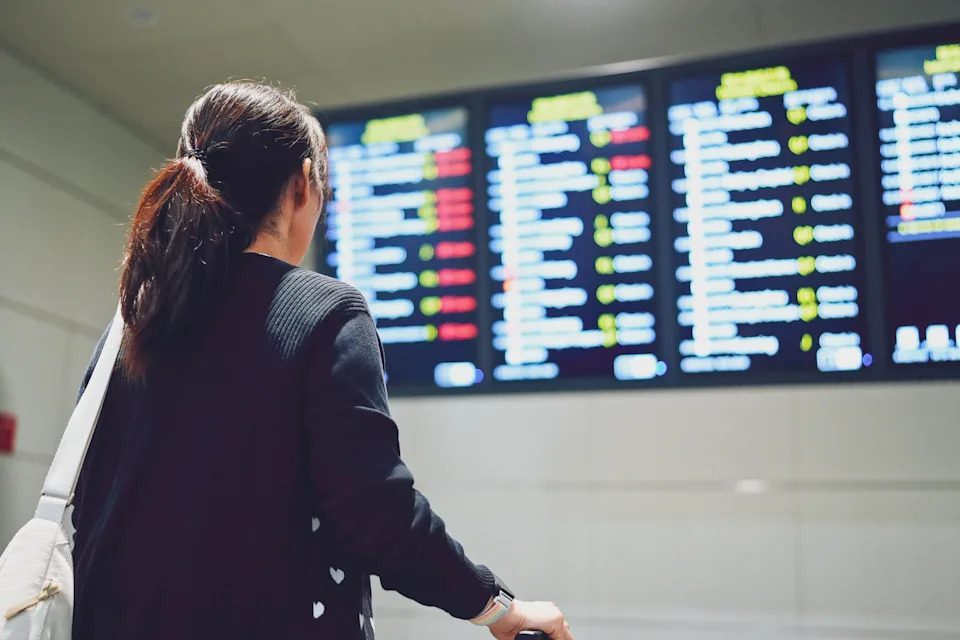
So how big should your extra budget for flight cancellations and delays be? Here’s the rough framework I use per person:
- Simple domestic trip, nonstop, low stakes: $150–$250 buffer.
- Domestic with connections or winter travel: $250–$400.
- International trip with connections: $400–$700.
- Complex multi‑country itinerary or peak‑season travel: $600–$1,000.
This isn’t money I expect to spend. It’s money I’m willing to spend if things go wrong — my personal flight delay cost breakdown in reserve.
Then I ask a second question: Would I rather spend some of this buffer on a better routing now, instead of emergencies later?
Often the answer is yes.
Examples of spending that disaster buffer upfront to reduce risk:
- Paying $60 more for a nonstop instead of a risky 35‑minute connection.
- Choosing a legacy carrier over an ultra‑low‑cost airline with brutal no‑show rules.
- Booking a slightly earlier flight to avoid the last departure of the day.
It’s still part of your travel disruption cost planning. You’re just using it proactively instead of reactively.
3. Hotels: The Silent Budget Killer When Plans Slip
Hotel costs are where disruption gets real, fast.
In the U.S., airlines are not legally required to pay for your hotel, even if they cancel your flight. Many will cover a room or give a voucher when the delay is within their control (maintenance, crew, tech issues), but they owe you nothing for weather or air traffic control problems.
And even when they do help, it’s often:
- A basic airport hotel, not where you actually want to stay.
- One room for the whole family, not ideal if you need more space.
- Unavailable when everyone else is also stranded and rooms are gone.
So I assume:
- Best case: the airline gives me a hotel or voucher, and my buffer covers upgrades or extra nights.
- Realistic case: I pay for at least one unplanned night out of pocket.
Here’s how I budget an emergency travel fund for delays on the hotel side (per trip, not per person):
- Domestic, low‑season: 1 night at a mid‑range airport hotel + taxes.
- International or peak‑season: 1–2 nights at realistic local rates.
To make that concrete, I look up actual prices near my likely disruption points: big hubs, not just my destination. If I’m connecting through Chicago in winter or London in summer, I check airport‑area hotel prices for my dates and use that as my baseline for unexpected hotel costs during disruptions.
Then I decide how flexible I want to be with my main hotel bookings:
- Non‑refundable rates: cheaper now, but you eat the cost if you arrive a day late.
- Flexible or day‑of‑arrival cancellation: more expensive, but your disaster buffer doesn’t have to cover lost nights.
On trips where disruption risk is high (winter storms, tight connections, multiple airlines), I often treat the price difference between flexible and non‑refundable rates as part of my disaster budget. I’m not just buying flexibility; I’m buying a smaller worst‑case scenario.
4. Ground Transport: The Costs Everyone Forgets
Ground transport is sneaky. It looks small, but when plans change, it multiplies fast.
Think about these scenarios:
- Your flight diverts to another city. Now you’re paying for a train or a long rideshare.
- You land at 1 a.m. instead of 3 p.m. The cheap metro is closed; it’s taxi or nothing.
- You miss your bus or train connection and have to buy a new ticket at walk‑up prices.

My ground transport costs when plans change buffer depends on the destination:
- Big U.S. city with good transit: +$50–$100 per person.
- Car‑dependent or expensive city: +$100–$200 per person.
- International with onward trains/buses: enough to re‑buy the most expensive connection at last‑minute prices.
I also look at how fragile my plan is:
- Did I book a separate low‑cost flight after a long‑haul? That’s a risk multiplier.
- Is my train ticket non‑refundable or tied to a specific departure?
- Am I arriving late at night when options are limited and expensive?
If the answer to any of those is yes, I either:
- Increase my ground‑transport buffer, or
- Change the plan now (longer layover, flexible ticket, earlier arrival).
I’m not trying to eliminate risk. I just want the risk priced in before I swipe my card.
5. Missed Flights & No‑Show Rules: The Expensive Mistake You Control
There’s a special category of disaster that has nothing to do with weather or airlines: you miss your flight.
Here’s where it gets ugly:
- Many airlines treat a no‑show as if your ticket never existed. Remaining segments can be canceled automatically.
- Ultra‑low‑cost carriers often charge steep rebooking fees or make you buy a new ticket entirely.
- Non‑refundable fares usually mean you get little or nothing back.

So my missed flight
disaster buffer is really about behavior and policy more than cash:
- I read the airline’s no‑show rules before I book, especially on low‑cost carriers.
- I build in more time than I think I need for airport arrival and connections, especially when switching from train/bus to plane.
- If I’m running late, I call the airline immediately and head straight to the desk at the airport. Agents have more flexibility when you’re proactive.
Money‑wise, I assume:
- On a strict low‑cost carrier, a missed flight might mean buying a new ticket at walk‑up prices.
- On a legacy carrier, I might pay a change fee + fare difference if they’re not feeling generous.
So I ask myself: If I screw this up, can I afford to buy a new ticket today?
If the answer is no, I either:
- Choose a more flexible airline/fare, or
- Give myself absurdly conservative timing.
It’s not fun to admit, but a big chunk of any travel contingency budget guide is really human error insurance.
6. When Travel Insurance and Compensation Actually Matter
Travel insurance is not magic. It won’t fix bad planning. But it can turn a catastrophic disruption into an annoying one.
Here’s how I think about it:
- U.S. flights: The law focuses on refunds, not extra cash. Insurance can cover hotels, meals, and new tickets when delays or missed connections are caused by covered reasons.
- EU/UK flights: Under EU261/UK261, you may be entitled to fixed cash compensation (up to around $650) for long delays and cancellations when the airline is at fault, plus meals and lodging. Services like AirAdvisor exist because many people never claim what they’re owed.
My approach:
- On simple domestic trips, I often skip insurance and rely on my buffer + credit card protections.
- On expensive or complex international trips, I usually buy a policy that clearly covers trip delay, missed connections, and trip interruption.
But I don’t outsource everything to insurance. I still:
- Keep receipts for every extra expense (meals, taxis, hotels).
- Get written proof from the airline about the cause of delay or cancellation.
- Remember that claims take time; I still need the cash buffer upfront.
Think of it this way: insurance, EU261 claims, and airline vouchers are all ways to rebuild your disaster buffer after the fact. They don’t replace the need to have one in the first place, whether you’re self insuring vs travel insurance for disruptions.
7. Putting It All Together: Build Your Personal Disaster Buffer
Now let’s turn this into something you can actually use.
For your next trip, try this quick exercise per person. It’s a simple way to answer how much to budget for travel emergencies
without guessing.
- Start with flights:
- Simple domestic: $150–$250
- Domestic with connections / winter: $250–$400
- International with connections: $400–$700
- Complex multi‑country: $600–$1,000
- Add hotels (per trip, not per person):
- 1–2 nights at realistic airport‑area rates for your likely disruption hubs.
- Divide by number of travelers if you want a per‑person number.
- Add ground transport:
- $50–$200 per person depending on city and complexity.
- Plus the cost to re‑buy your most fragile connection (train/bus) if needed.
- Reality check:
- Look at the total. Does it scare you?
- If yes, adjust the trip: fewer connections, more flexible fares, better timing.
Then, decide where this buffer lives:
- A separate savings bucket labeled
Travel Disaster Fund
. - A credit card with enough available limit that you treat as emergency‑only.
- A mix of both, if you like redundancy.
The goal isn’t to scare yourself out of traveling or obsess over every travel disruption money mistake. It’s to stop pretending that the only cost of disruption is the ticket.
Once you price in the real risks—hotels, meals, ground transport, missed connections—you can make calmer decisions:
- When to accept rebooking vs. take a refund.
- When to pay more for flexibility upfront.
- When a trip is simply too fragile for your current budget.
Travel will always have surprises. A realistic disaster buffer doesn’t remove them. It just makes sure that when things go wrong, the story you tell later is That was a mess, but we handled it
—not That trip wrecked us financially.