
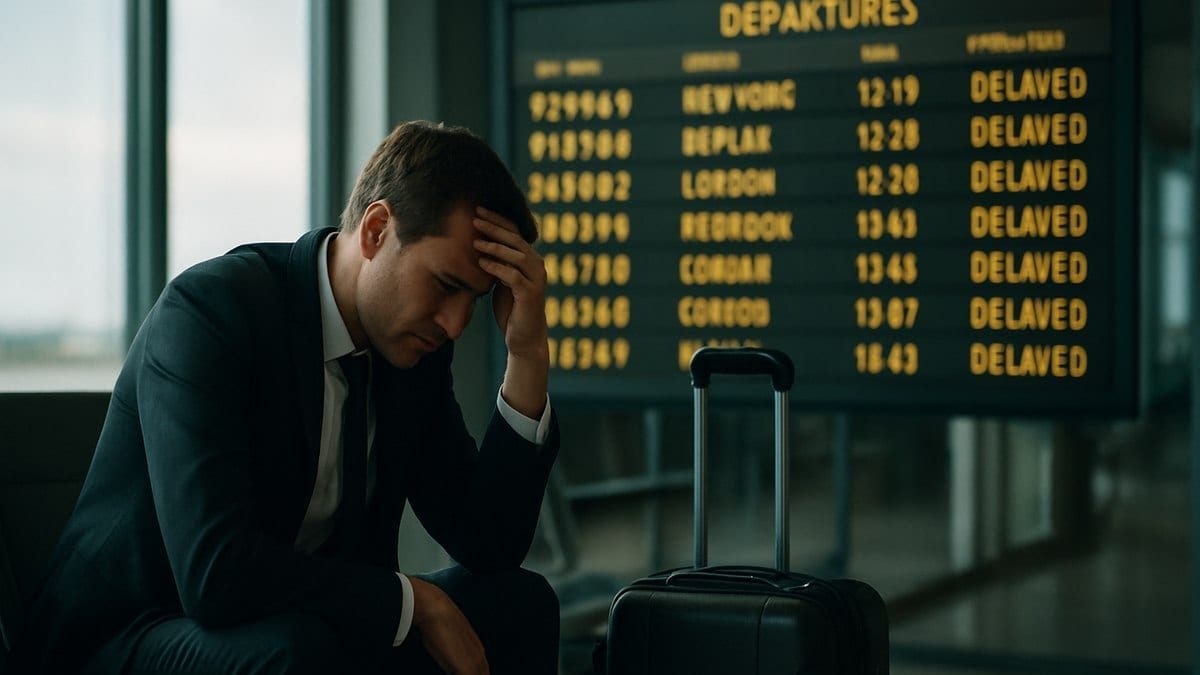
I don’t plan trips around worst-case scenarios. But I do budget for them. After watching delays quietly eat hundreds of dollars from my wallet (and entire days from my life), I started treating disruption costs like any other line item in my travel budget.
Once you see the numbers, it’s hard to unsee them. U.S. travelers collectively absorb an estimated $18 billion a year in hidden costs from delays and cancellations. Per disrupted trip, the average traveler is out roughly $400–$500 in extra expenses and lost value. That’s not a rounding error. That’s a whole weekend getaway.
In this guide, I’ll walk through the real costs of flight disruptions and how I now budget for missed nights, extra meals, and lost bookings on every trip—without going paranoid or over-insuring everything. If you’ve ever wondered how much to budget for flight disruption, this is where to start.
1. The Real Price of a Delay: Are You Underestimating It?
Most of us think, If my flight is delayed, I’ll just grab a snack and wait.
That’s not what the data says.
Across multiple studies on the hidden costs of flight disruptions, disrupted travelers report average hits like:
- $300+ on extra accommodation when they get stranded overnight
- $100–$150 on airport food and drinks (because you’re captive and everything is overpriced)
- $100+ on extra local transport (rebooked taxis, trains, rideshares)
- $100–$200 in replacement essentials (toiletries, clothes, chargers, meds)
- Hundreds in lost earnings or nonrefundable bookings (tours, events, prepaid hotels)
One major analysis found U.S. passengers lose about $484 per disrupted trip when you add it all up. Another put the global average around $383 per incident. And that’s just the out-of-pocket side, not the value of your time.
So I now ask myself a blunt question before every trip: If this flight goes sideways, how much could it realistically cost me in the next 24 hours?
My rule of thumb: I assume a serious disruption could cost me one full day of trip value plus $300–$600 in cash. Then I decide how much of that I’m willing to self-insure versus protect with smarter planning, flexible bookings, or insurance.
2. Missed Nights & Lost Bookings: How Much of Your Trip Is Actually at Risk?
Delays don’t just cost you money at the airport. They quietly destroy the value of things you already paid for. That’s where the real financial impact of airline disruptions shows up.
Think about what’s tied to your arrival time:
- First-night hotel (often nonrefundable or partially refundable)
- Prepaid tours and excursions
- Event tickets (concerts, sports, shows)
- Car rentals starting on a specific day
- Shuttles, trains, or ferries you’ve already booked
Studies show travelers commonly lose:
- $300+ in accommodation when they arrive a day late
- $100+ in prepaid excursions that can’t be rescheduled
- Additional $400–$500 in lost earnings or missed work-related value
That’s the cost of missed hotel nights from flight delay plus the lost value of everything you planned around that first day.
Here’s how I now budget for this:
- Map your “time-sensitive” costs. I list everything that only has value if I arrive on time: first-night hotel, day-one tour, event tickets, transfers.
- Tag each item:
- Refundable (full or partial)
- Rebookable (can move to another day)
- Use-it-or-lose-it (pure sunk cost if I’m late)
- Total your “fragile” spend. If I have more than $500–$800 in use-it-or-lose-it bookings tied to arrival day, I treat that as a disruption risk pool.
Once you see that number, you can make smarter choices to protect prepaid bookings from flight issues:
- Book refundable or flexible rates for the first night, even if they’re slightly more expensive.
- Avoid stacking high-value activities on arrival day. Push the big-ticket tour to day two.
- For expensive trips, consider trip insurance that covers prepaid, nonrefundable costs if a delay or cancellation makes them unusable (more on that later).
The goal isn’t to eliminate risk. It’s to make sure you’re not accidentally putting half your trip’s value on the roulette wheel of a single flight.
3. The “Small” Extras That Add Up: Meals, Transport, and Essentials
Most people mentally budget for one airport meal and maybe a coffee. Reality looks different when your 90-minute delay turns into an 8-hour slog or an overnight.
Across surveys, disrupted travelers report average extra spending like:
- $100–$150 on food and drinks during a serious delay
- $200+ on last-minute transport (taxis, rideshares, trains, replacement flights)
- $90–$100 on essentials (toiletries, clothes, chargers, medicine, entertainment)
That’s your extra meals and hotel costs during flight disruption plus the random bits you never planned for. And that’s before you factor in surge pricing on rideshares, late-night premiums, or the cost of getting to a hotel and back when the airline doesn’t cover it.
Here’s how I pre-empt those “small” extras:
- Build a disruption buffer into your budget. I add a line item of $150–$250 per person on any trip with tight connections, winter travel, or peak-season flying. That’s my
delay fund
—my personal answer to how much to budget for flight disruption. - Carry a mini essentials kit. Toothbrush, small toothpaste, meds, phone charger, a clean t-shirt, and underwear in my personal item. Every item I don’t have to rebuy is money saved.
- Use airport lounges strategically. Even a day pass can be cheaper than three separate airport meals and drinks during a long delay.
- Know your late-night transport options. I check in advance: last train time, approximate taxi cost, and whether rideshares are reliable at my arrival airport.
Ask yourself: If I got stuck for 12 hours with only what’s in my personal item, how much would I need to spend to be okay? Budget for that number, not the fantasy version.
4. Baggage, Time, and Stress: The Costs You Don’t See on Your Credit Card
Not every cost shows up as a charge. Some are hidden in lost time, lost productivity, and the mental toll of being stuck in limbo.
Studies estimate that passengers value their baggage and contents at around $250+ on average. When bags are delayed or lost, you’re not just dealing with inconvenience—you’re often rebuying clothes, toiletries, and sometimes work gear or special items. That’s another layer in the flight disruption cost breakdown.
Then there’s time. Analysts who put a value on traveler time find that delays translate into tens of billions of dollars in lost hours across the system. For individual travelers, that often means:
- Unpaid time off or lost billable hours
- Missed meetings or client work
- Burned vacation days sitting in airports instead of actually traveling
And the emotional side is real: around 70%+ of travelers report increased stress and frustration from disruptions. Some report health impacts—fatigue, missed sleep, even illness—after long delays or overnight airport stays.
How I factor this in:
- Carry-on strategy. I assume my checked bag might be delayed. I keep one full change of clothes, basic toiletries (travel-size), and any critical items (meds, work gear) in my carry-on.
- Time valuation. I put a rough hourly value on my time. If a routing saves me $80 but adds 5 hours and a risky connection, I often skip it. Cheap tickets with high disruption risk are rarely cheap in the end.
- Stress budget. I ask:
Is this itinerary going to make me anxious?
If the answer is yes, I treat a more reliable option as a mental health investment, not a luxury.
5. What Airlines Owe You (and What They Don’t): Rights vs. Reality
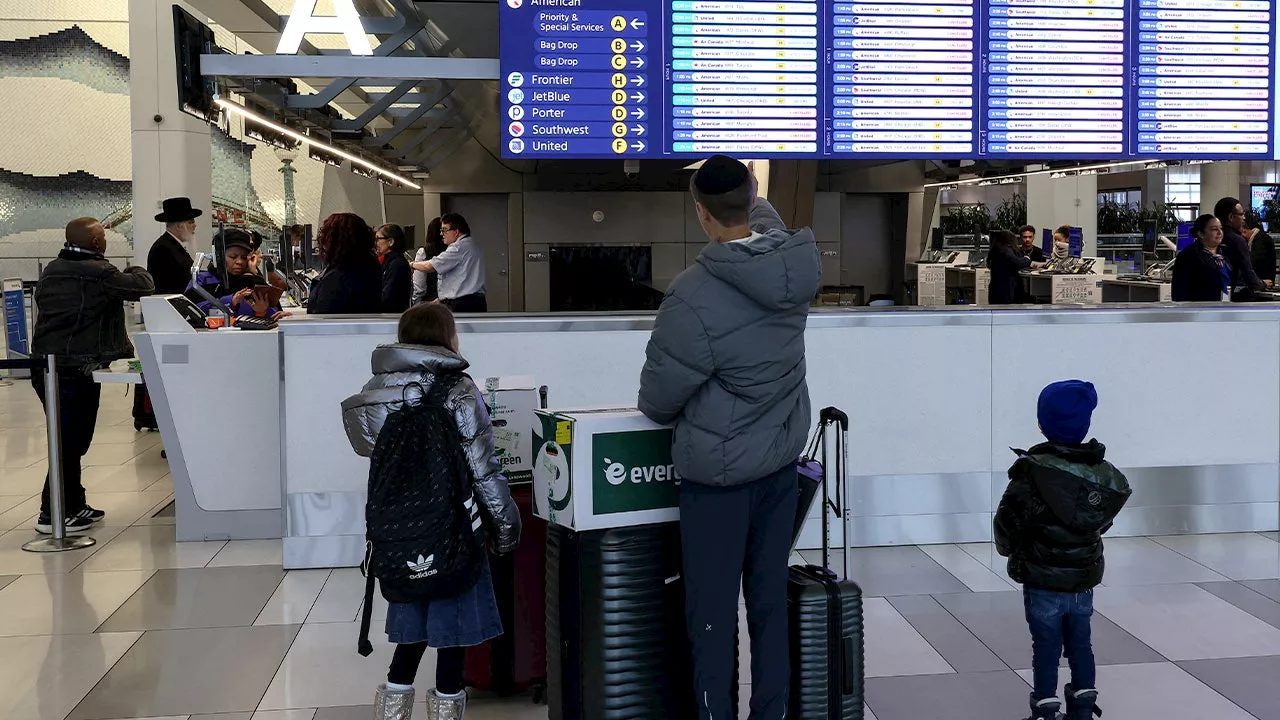
This is where things get tricky. Many travelers assume airlines will take care of them
during disruptions. Often, they don’t—and legally, they may not have to.
In the U.S.:
- Compensation for delays and cancellations is largely at the airline’s discretion.
- Airlines may offer meal vouchers, hotel nights, or rebooking when disruptions are within their control (like crew or maintenance issues), but policies vary widely.
- Weather and air traffic control issues often mean you’re on your own for hotels and meals.
In Europe and the UK (under rules like EC 261):
- Airlines must provide care (meals, drinks, communication, sometimes hotels and transport) during long delays.
- For certain delays and cancellations within the airline’s control, you may be entitled to cash compensation up to €600.
The problem? Most passengers don’t know this. Surveys show:
- Over 80% of travelers don’t know their rights.
- More than half never seek compensation because they don’t realize they’re eligible.
- Only a minority receive even basic care like meals and drinks during disruptions.
So when you’re comparing flight delay compensation vs out of pocket costs, remember: what the airline offers is often just a fraction of your real loss.
My practical approach:
- Check your route’s rules before you fly. If you’re flying to, from, or within the EU/UK, read a simple EC 261 summary (AirHelp and similar services have clear guides).
- Know your airline’s disruption policy. Many carriers publish what they’ll cover in different scenarios. Screenshot it.
- Keep every receipt. Food, hotels, taxis, replacement essentials. If there’s any chance of reimbursement or an insurance claim, you’ll need proof.
- Ask explicitly at the airport. Gate agents and help desks are more likely to offer vouchers or hotels if you calmly ask what support you’re entitled to.
Don’t assume the airline will volunteer information. They usually don’t.
6. Should You Buy Travel Insurance Just for Delays?
Travel insurance is not magic. It won’t make a delay disappear. But it can turn a financial gut punch into an annoyance you can afford.
Here’s the distinction I use when I’m budgeting for flight delays and cancellations:
- Airline policies = limited, inconsistent, and mostly focused on rebooking you.
- Third-party travel insurance = can cover your whole trip cost, not just the flight.
Good comprehensive policies often include:
- Trip cancellation for specific reasons (illness, severe weather, carrier issues, etc.)
- Trip interruption if you have to cut the trip short or miss parts of it
- Travel delay coverage for meals, hotels, and transport after a covered delay threshold (e.g., 6+ hours)
- Missed connection coverage in some plans
- Baggage delay/loss for essentials and lost items
- Medical coverage and evacuation (which can be far more important than delay coverage)
Some policies also offer Cancel For Any Reason (CFAR) upgrades, which can reimburse a portion (often up to ~75%) of your trip cost if you cancel for reasons not normally covered. That’s useful if you’re risk-averse or have a lot of nonrefundable spend riding on the trip.
When I consider buying insurance, I ask:
- What’s my total nonrefundable trip cost? Flights + hotels + tours + tickets.
- Could I comfortably eat that loss? If the answer is no, I look at insurance.
- How fragile is this itinerary? Tight connections, winter storms, or complex multi-city routes push me toward coverage.
I usually skip airline-sold flight protection
add-ons and instead compare independent policies that cover the entire trip. They’re often better value and more flexible. Platforms like Squaremouth let you compare options side by side.

7. How to Build a “Disruption-Proof” Trip Budget
Let’s turn all of this into a simple system you can reuse. Think of it as your personal travel budget for delays and cancellations.
Here’s the framework I use now:
- List your nonrefundable costs.
- Flights (after airline credits/refund rules)
- Hotels (especially first 1–2 nights)
- Tours, tickets, excursions
- Transfers, trains, ferries
- Identify what depends on on-time arrival.
- Anything scheduled for arrival day or early next morning
- Events that can’t be moved (weddings, games, shows)
- Put a number on your disruption risk.
- Total the value of use-it-or-lose-it items tied to your arrival. This is your pool of lost booking costs when flights are cancelled or delayed.
- Add a realistic delay fund (I use $150–$250 per person for meals/transport/essentials).
- Decide how you’ll cover that risk.
- Self-insure (accept the risk and set aside cash).
- Buy travel insurance that covers trip cost + delays.
- Restructure the trip to reduce fragile, nonrefundable pieces.
- Adjust your itinerary to be more resilient.
- Leave buffer time between connections to avoid rebooking fees and missed connection costs.
- Avoid stacking high-value activities on arrival day.
- Choose earlier flights when possible; delays compound later in the day.
Once you’ve done this a couple of times, it becomes second nature. You stop being surprised by unexpected travel expenses from airline delays because you’ve already accounted for them.
8. The Mindset Shift: From Victim of Delays to Informed Traveler
Flight disruptions aren’t going away. With crowded skies, staffing issues, and weather extremes, they’re becoming more common—and more expensive.
You can’t control that. But you can control how exposed you are.
Here’s the mindset shift that changed how I travel:
- Assume disruption is possible, not rare.
- Price in the risk the same way you price in hotels and food.
- Know your rights so you’re not leaving money and support on the table.
- Design your itinerary to be flexible instead of brittle.
Next time you book a flight, don’t just ask, Is this ticket cheap?
Ask:
If this flight is delayed or canceled, what will it really cost me—and have I budgeted for that?
Once you start planning with that question in mind, delays become frustrating, sure—but not financially devastating. And that’s the difference between a trip that gets derailed and a trip that simply takes a different route.