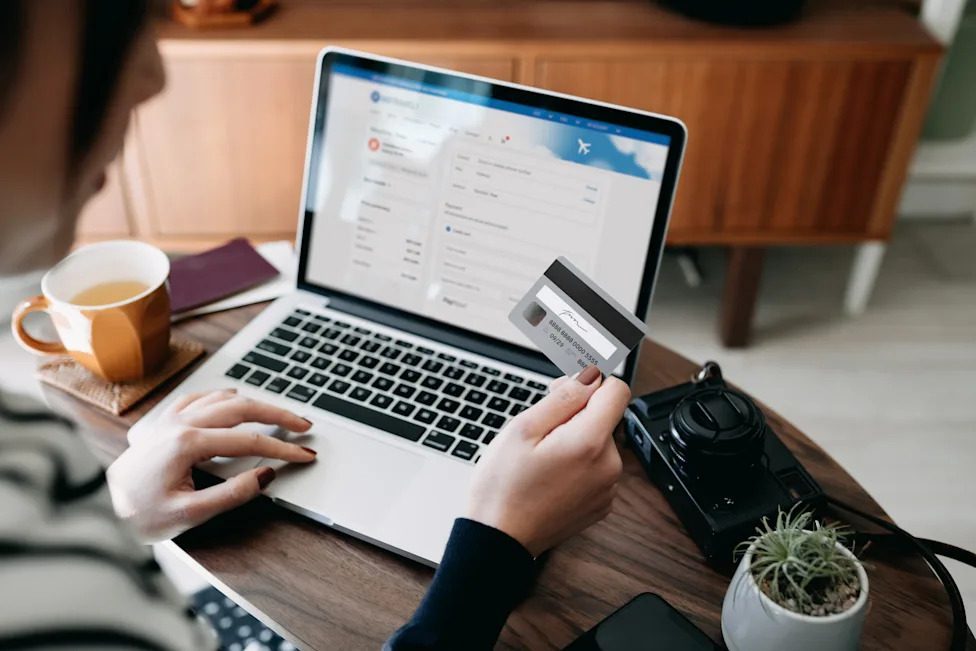
I’ve lost count of how many “amazing deals” turned into painfully expensive trips by the time the credit card bill showed up. If you’ve ever bragged about a $199 flight and then quietly paid triple that once bags, seats, and random extras piled on, this is for you.
We’re not just talking about airfare. We’re talking about the entire journey — from the moment you start searching to the moment you get home. The goal: stop obsessing over the headline fare and start budgeting for the real cost of travel.
1. The First Trap: Why That “Deal” Flight Was Never Really $199
Here’s the uncomfortable truth: that cheap fare you saw was probably never meant to be your final price.
Airlines use dynamic pricing and fare buckets. In plain English, they slice the cabin into tiny price tiers. A few seats are sold very cheap, the next few a bit higher, and so on. Once the cheapest bucket sells out, the system quietly bumps you to the next one. Nothing random about it.
On top of that, the base fare is now just the entry ticket. The real money is in everything around it: bags, seats, food, changes, and even which airport you fly from. That’s how a $199 headline fare becomes $350–$450 without you ever “upgrading.”
These days, I think of it in three phases:
- The price you see on the search page is your Phase 1 cost.
- The price you pay at checkout is your Phase 2 cost.
- The price you actually spend by the end of the trip is your Phase 3 cost.
If you only budget for Phase 1, you’ll almost always overspend. That’s where a lot of cheap flight hidden costs sneak in.
Takeaway: Treat the base fare as a starting point, not a win. Before you celebrate, ask: What will this cost me once I add everything I realistically need?
2. Baggage: The Biggest “Invisible” Line Item
Bags are where cheap flights quietly go to die.
Advertised fares almost never include checked bags anymore. Major U.S. airlines typically charge around $35–$50 per checked bag, each way. Budget carriers like Spirit or Frontier can hit $55–$99+, especially if you add bags late or at the airport. That’s per person, per direction.
And the old safety net? Pretty much gone. Even airlines that used to be generous have tightened up. Southwest, for example, ended free checked bags for Basic fares in 2025, which means no major U.S. airline offers universally free checked bags anymore.
So that “$199 round-trip” can easily become:
- $199 base fare
- + $80 for one checked bag round-trip
- + $40 for a carry-on on some ultra-low-cost carriers
Total: $319 — and you haven’t even picked a seat yet.
Here’s how I budget for baggage now when I’m doing a full travel cost breakdown beyond flights:
- Step 1: Before I book, I check the airline’s baggage page and write down the exact fee for what I plan to bring (not what I wish I could bring).
- Step 2: I add that number to the fare and compare the total trip cost vs airfare across airlines, not just the base fare.
- Step 3: I ask:
Can I realistically travel with just a personal item?
If the answer is no, I stop pretending I’ll magically pack lighter.
Takeaway: Never compare flights without including baggage. The cheapest ticket on the screen is often the most expensive once your suitcase shows up.
3. Seat Selection: The New “Optional” Fee That Somehow Feels Mandatory
Seat fees are one of the sneakiest ways a cheap flight becomes an expensive trip. Airlines love them because they feel small in the moment — $25 here, $40 there — but they add up fast.
On many routes, you’ll see:
- Preferred seats: around $30–$35
- Exit rows: around $45–$50
- Extra-legroom international seats: sometimes up to $160 one way
Even airlines that used to be relaxed about seating are cashing in. Southwest, for example, introduced assigned seating in 2026 and expects over $1.5 billion a year from seat fees alone. That tells you exactly where the industry is heading.
Here’s the part most people forget: seat fees are usually optional. You can skip them and get a free seat at check-in. But airlines are very good at making you feel like you’re taking a huge risk if you don’t pay.
So before I pay for a seat, I run through three questions:
- Is this flight long enough that seat comfort really matters? A 45-minute hop? I roll the dice. A 10-hour overnight? I might pay.
- Am I traveling with someone I absolutely need to sit next to? Kids, elderly parents, nervous flyers — that’s different from a casual friend or a solo trip.
- Is this fee cheaper than just booking a better airline or cabin? If I’m about to spend $120 on seats, maybe a slightly more expensive airline with better included seating is actually the smarter move.
Takeaway: Don’t auto-click seat fees. Decide in advance which flights are worth paying for comfort or certainty, and which ones you’re okay leaving to chance.
4. Onboard Food, Drinks, and “Little Extras” That Blow Up Your Budget
Try this once: on your next flight, track every purchase from the airport to landing. Most people are shocked by the total.
On many ultra-low-cost carriers, nothing is free onboard — not even water. Two people on a 4-hour flight can easily spend $30–$50 on drinks and snacks without thinking about it. Add a pre-flight airport meal and a coffee, and you’re suddenly at $70–$80 for what felt like “small” purchases.
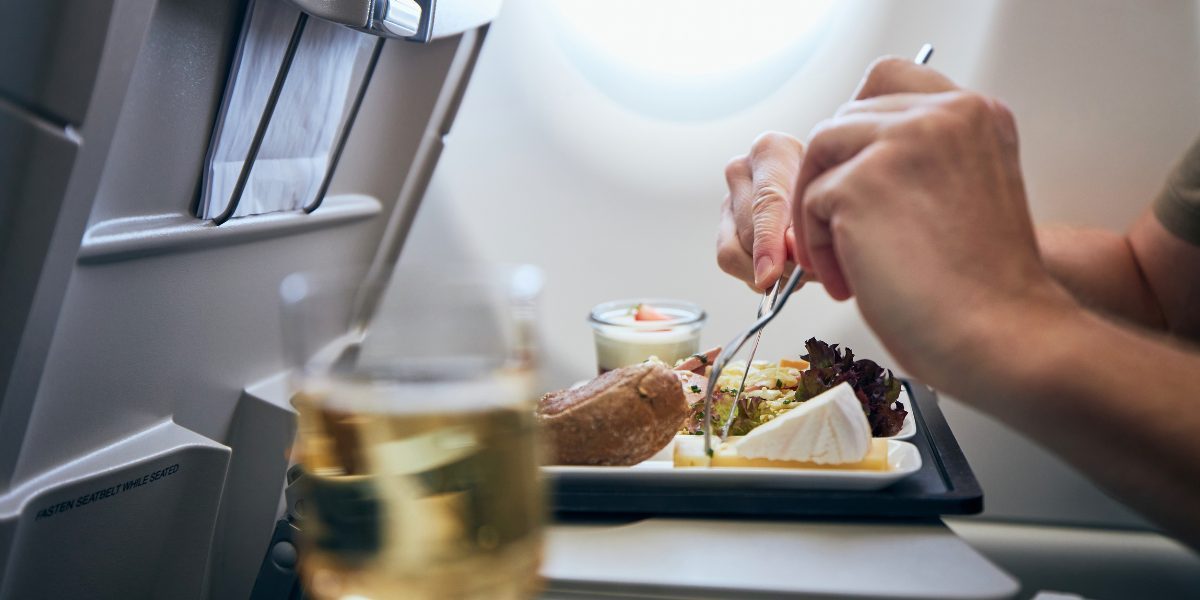
Meanwhile, full-service airlines often include:
- Free non-alcoholic drinks
- Snacks on shorter flights
- Full meals on longer routes
So that $40 difference in base fare between a budget airline and a legacy carrier? It can disappear the moment you buy two rounds of drinks and a snack box. This is one of those hidden costs of budget airlines that doesn’t show up on the booking page.
Here’s how I handle it now:
- I check whether the airline charges for water and basic drinks.
- I assume I’ll buy at least one drink and one snack per person on flights over 3 hours if nothing is included.
- I add that estimate to the ticket price when comparing airlines.
- I bring my own snacks and an empty bottle whenever security rules allow.
Takeaway: Don’t just compare fares; compare what’s included. A slightly higher fare with food and drinks can be cheaper than a bare-bones ticket plus constant swiping.
5. Airports, Routes, and Timing: When “Cheap” Flights Cost You Time and Money
Not all cheap flights are created equal. Some cost you in ways that never show up on the booking page: time, stress, and extra spending on the ground.
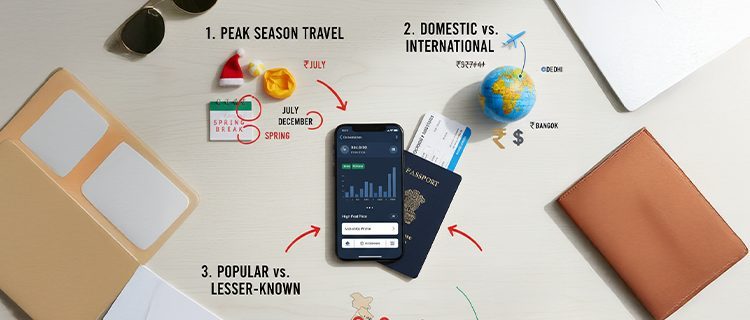
Here are a few trade-offs I see all the time when people chase cheap flights, expensive trips without thinking it through:
1. Secondary airports vs. main hubs
- Flying into a smaller or more distant airport can be cheaper.
- But you might pay more for trains, taxis, or rideshares to actually reach the city.
- Example: A cheaper flight into a far-out airport can easily add $30–$60 in ground transport each way.
2. Awkward flight times
- Super-early or super-late flights often look cheaper.
- But then you’re paying for an extra hotel night, a 4 a.m. taxi, or a late checkout.
- Ask yourself:
Is this $40 cheaper fare worth losing half a day of sleep and paying for an extra night?
3. Long layovers and multi-airline hacks
- Mixing low-cost and full-service carriers can save money.
- But if one leg is delayed, you might be stranded with no protection.
- Long layovers mean extra meals, airport spending, and sometimes day rooms or lounges.
Geography matters more than people think. Flights to Europe are often cheaper from the U.S. East Coast, Asia from the West Coast, and Latin America from Miami and other southern hubs. If you live elsewhere, that “cheap” long-haul fare might require a separate positioning flight — another cost to factor into your full journey travel budget planning.
Takeaway: When you see a cheap fare, zoom out. Add in airport transfers, extra nights, meals during layovers, and the risk of missed connections. Sometimes the more expensive, direct, well-timed flight is actually the budget choice.
6. Dynamic Pricing, Peak Seasons, and the Myth of the “Perfect Day to Book”
You’ve probably heard the advice: Book on Tuesday at 3 p.m.
or Clear your cookies and the price will drop.
It sounds clever. It’s also mostly outdated.

Modern airline pricing is driven by:
- Demand and seasonality: holidays, school breaks, big events, and even weather disruptions.
- Fare buckets: once the cheap ones are gone, they’re gone.
- Real-time search data: airlines see interest rising on a route and adjust earlier than they used to.
- AI and revenue systems: constantly testing what people are willing to pay.
Yes, airlines sometimes use device and location data to guess your willingness to pay. But the bigger forces are still simple: book late for a popular time and you’ll pay more. Book early and avoid peak dates, and you’ll usually do better.
Here’s how I approach timing now instead of chasing myths about the “perfect” day to book:
- I ignore the idea of a magic booking day.
- I focus on booking windows: often 1–3 months ahead for domestic, 3–6+ months for international, earlier for holidays.
- I use tools like Google Flights, Skyscanner alerts, or Going (example) to track price trends instead of guessing.
- I stay flexible on dates and sometimes even destinations — shifting by a day or two can save more than any “hack.”
Takeaway: Stop chasing secret booking tricks. Spend that energy on flexible dates, off-peak seasons, and realistic booking windows instead.
7. How to Build a “Whole Trip” Budget (So the Deal Stays a Deal)
This is where it all comes together. If you want to stop being surprised by your final trip cost, you need a simple, repeatable way to budget the entire journey, not just the flight.

This is the framework I use now whenever I’m budgeting for full trip cost instead of just chasing cheap airfare:
Step 1: Start with the base fare
- Write down the round-trip price you see.
- Note the airline and fare type (Basic Economy, Standard, etc.).
Step 2: Add flight-related extras
- Baggage: How many bags per person? Checked or carry-on? Multiply by the airline’s actual fee. This is where a lot of budget airline extra fees live.
- Seats: Will you pay for seats? If yes, estimate per person, per direction.
- Onboard spending: Estimate drinks/snacks per person based on flight length and what’s included.
Step 3: Add ground and timing costs
- Airport transfers (both ends).
- Extra hotel nights caused by flight times.
- Meals during long layovers.
Step 4: Add a “surprise buffer”
- I usually add 10–15% of the total as a buffer for price changes, currency swings, or last-minute needs. It’s my safety net for unexpected travel expenses.
Step 5: Compare total trip cost, not just flights
- Now compare different airlines, dates, and routes using this full number.
- Sometimes a slightly higher fare with better inclusions, better timing, and fewer headaches wins easily.
When you do this, something interesting happens: the cheapest
option on the search page often stops being the cheapest once you add reality back in. That’s how you avoid the classic cheap airfare cost traps.
Takeaway: Don’t ask, Can I afford this fare?
Ask, Can I afford this entire trip once I add everything I’ll actually spend?
8. The Mindset Shift: From Chasing Deals to Controlling Costs
Most of us were trained to chase the lowest fare and call it a win. That worked when tickets were more all-inclusive. It doesn’t work now.
Today’s game is different. Airlines keep base fares low and move everything else into fees. Dynamic pricing means the “deal” you see is just one snapshot in a constantly shifting system. And the biggest cost overruns don’t come from the flight itself — they come from everything around it.
So here’s the mindset shift I try to keep:
- Cheap flight, expensive trip is usually a choice — made by ignoring the full picture.
- Reasonably priced flight, well-planned trip is the new sweet spot.
- My job isn’t to beat the airline at its own game; it’s to know the rules and budget accordingly.
If you start treating every flight as just one piece of a bigger financial puzzle, you’ll notice something: your trips get calmer, your surprises get fewer, and your “deals” actually stay deals.
And that’s the whole point.