
I’ve learned the hard way that moving a group is where even “cheap” trips quietly get expensive. One extra taxi here, a surprise luggage fee there, and suddenly your bargain getaway costs as much as a resort week.
This guide is for groups of 4–12 people who want to move themselves (and their bags) without blowing the budget. We’ll look at real-world choices, common mistakes in booking group transportation, and the combinations that actually save money when you’re juggling people, luggage, and time.
1. First Decision: Do You Really Need a Vehicle at All?
Before you start pricing vans and shuttles, ask a blunt question: Do we actually need our own wheels?
In big, transit-friendly cities, the honest answer is often no. Public transit is usually cheaper and faster than driving once you factor in parking, tolls, and traffic. Cities like London, Tokyo, or Barcelona are built around trains and metros, not cars. You pay per person, but you also avoid:
- Parking fees that quietly eat your budget
- Congestion charges and tolls
- Time wasted picking up and dropping off a rental
On the other hand, in rural areas, national parks, or spread-out destinations, public transit can be slow, infrequent, or nonexistent. That’s where a car or van suddenly becomes the budget option, especially when you split costs across 4–12 people and all their luggage.
Here’s the mental model I use when I’m planning group travel logistics:
- Dense city, great transit: Default to public transport + occasional rideshare.
- Suburbs, countryside, national parks: Default to rental car/van or charter.
- Mixed trip: Consider a
no car in the city, car for the countryside
split.
The key is to compare your total daily mobility cost, not just one ticket vs one tank of gas. On the car side, that means fuel, parking, insurance, tolls, and your time. On the transit side, it’s all the individual fares, passes, and occasional rideshares.

Takeaway: If you’re staying mostly in a well-connected city for just a few days, public transit plus the occasional rideshare usually wins. If you’re moving around a lot or heading somewhere remote, start thinking rental or charter as your affordable group transport option.
2. Small Groups (4–6 People): Rideshare vs Rental vs Transit
For 4–6 people, you’re in an awkward middle zone. Too many for a standard taxi, not quite enough to justify a full bus. This is where people overspend because they default to whatever feels easiest instead of comparing group travel transportation costs.
Option A: UberXL / Lyft XL
Services like UberXL and Lyft XL use SUVs or minivans that can seat up to six passengers. They’re designed for exactly this problem: small groups with extra people or luggage.
- One vehicle instead of two regular Ubers
- More trunk space for bags, strollers, or gear
- Built-in split fare features so no one has to do math in the back seat
Where they shine:
- Airport runs (especially late at night or with lots of luggage)
- Short hops to events, dinners, or attractions
- Days when you’re not moving constantly
Where they get expensive:
- Multiple trips per day over several days
- Surge pricing times (rush hour, bad weather, big events)
- Long distances where a rental would be cheaper per mile
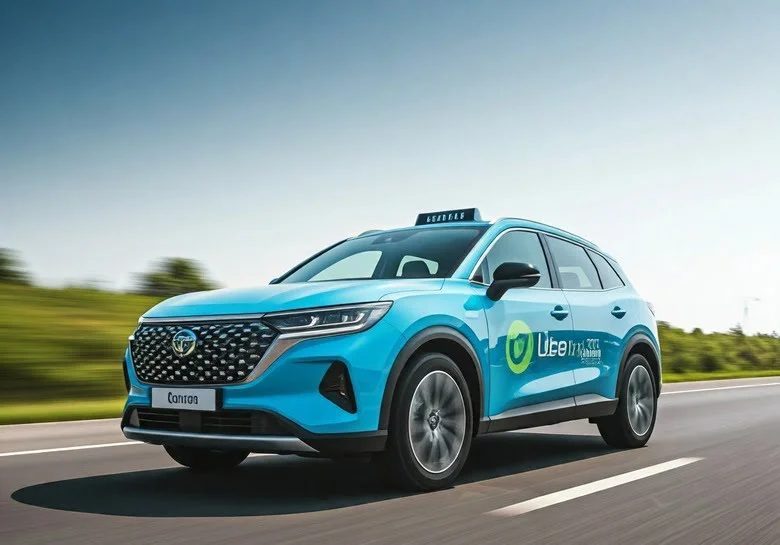
Rule of thumb: If your group is doing 1–3 rides per day in a city, XL rideshares can be cheaper and far less hassle than renting a vehicle. Once you’re doing more than that, start running the numbers on a rental and compare it to your rideshare-heavy plan.
Option B: One Rental Car or Minivan
Renting a car or minivan starts to make sense when:
- You’re making multiple trips per day
- You’re exploring beyond the city center
- You want flexibility for spontaneous stops
The catch? The sticker price is only half the story. You also need to budget for:
- Fuel and tolls
- Parking (often the silent budget killer)
- Insurance and deposits
- Extra driver or one-way fees
But when you split those costs across 4–6 people, the per-person daily cost can drop below what you’d pay for multiple transit passes or repeated rideshares. This is where the cost of renting a van for group travel can actually undercut public transport, especially in places where parking is cheap or you’re staying outside the city center.
Takeaway: For 4–6 people, use rideshare XL for short, occasional moves. Switch to a rental minivan when you’re moving a lot, going long distances, or leaving the city grid. That’s usually the cheapest way to move a group with luggage without sacrificing flexibility.
3. Medium Groups (7–12 People): When a Charter Bus Actually Saves Money
Once you hit 7–12 people, the math changes. You’re now in the zone where charter buses and private shuttles can be cheaper per person than flights, multiple rideshares, or even several rental cars.
Most people assume buses are only for huge groups. They’re not. Many companies offer:
- Vans and minibuses for 8–20 people
- Mid-size coaches for medium groups
- Full motorcoaches when you scale up later
Why they can be budget-friendly:
- One fixed price for the whole group instead of per-person tickets
- Everyone travels together, on the same schedule
- No juggling multiple cars, drivers, or parking spots
They’re especially smart for:
- Airport transfers for 8+ people
- Weddings, corporate events, or family reunions
- Trips where the destination is 30+ minutes from the airport
And you can choose your level of comfort:
- School buses: Cheapest, best for short, local trips.
- Minibuses: Good balance of comfort and price.
- Motorcoaches: For longer distances, with Wi‑Fi, power outlets, and sometimes restrooms.

Takeaway: If you’re 8–12 people and you’re about to book multiple cars, pause. Get a quote for a minibus or small charter. The per-person cost may surprise you, especially when you factor in time saved, stress avoided, and the simplicity of one vehicle instead of three.
4. Airport Logistics: Keeping People and Bags Together
Airport days are where group trips fall apart. One person’s flight is late, someone’s rideshare cancels, luggage doesn’t fit, and suddenly half the group is texting from a different terminal.
Here’s how I think about budget group airport transfers by group size:
4–6 People
- City with good transit: Airport train/metro + one rideshare if needed for luggage.
- City with poor transit: UberXL/Lyft XL or a pre-booked van.
- Lots of luggage: Don’t assume you’ll all fit in one XL. Sometimes two smaller cars are more realistic.
7–12 People
- Hotel shuttle: Great if it exists and can handle your whole group. Confirm capacity and schedule in advance.
- Charter shuttle or minibus: Often the most reliable option. Everyone and every bag in one vehicle, one schedule.
- Multiple rideshares: Backup plan only. Easy to lose people or bags, especially in busy airports.
When you book a charter or shuttle, be precise:
- Give an accurate headcount (including kids)
- Count bags, strollers, and special items (wheelchairs, bikes, instruments)
- Share flight numbers so the company can track delays
Takeaway: For airport days, pay for reliability, not just the cheapest option. One missed connection or late arrival can cost more than the difference between a bargain ride and a solid shuttle, especially when you’re dealing with multi passenger airport transfer costs.
5. Road Trip vs Train: What Actually Saves Money for Groups?
When you’re covering longer distances, the big question becomes: Do we drive or take the train?
The answer isn’t the same for a solo traveler and a group of eight.
Here’s the trade-off in plain language:
Driving (Car or Van)
- High fixed costs (rental, insurance, fuel, tolls) that you can spread across the group
- Maximum flexibility: stop where you want, when you want
- Great for remote areas and multi-stop itineraries
- Stress from driving, parking, and navigating unfamiliar roads
Trains
- Priced per seat, so costs scale with group size
- Often faster and more comfortable on busy corridors
- No driving fatigue, no parking drama
- Less flexible schedules and routes

For groups of 4–12, the car/van often wins in regions with weak rail networks or when you need a vehicle at your destination anyway. In places with excellent trains (Western Europe, parts of Asia), rail can still be competitive, especially if:
- You can use group discounts or passes
- You take an overnight train and save a hotel night
- You’re only doing a few long hops, not constant short drives
Takeaway: If you’ll need a vehicle every day once you arrive, a road trip usually wins for groups. If you’re just going city-to-city on fast rail lines, run the numbers on train passes and see if the time and stress savings are worth it compared to driving.
6. Food, Luggage, and Hidden Costs That Blow the Budget
Transport isn’t just about seats and wheels. The hidden costs live in food, luggage, and fees. These are the things that quietly wreck a carefully planned group travel budget.
Food on the Move
Buying food at airports, stations, and gas stops is one of the fastest ways to torch a group budget. A simple fix:
- Have everyone pack a lunch or snacks for travel days
- Use coolers on buses or in vans for drinks and sandwiches
- Treat it like a mini picnic or tailgate instead of a chore
On charter buses, bringing your own food is often allowed (confirm in advance). That alone can save a shocking amount over a multi-day trip.
Luggage Reality Check
Most people underestimate how much space their group’s luggage will take. A few questions to ask before you book:
- How many checked-size bags vs carry-ons?
- Any special items (strollers, sports gear, instruments)?
- Does the vehicle have a trunk or undercarriage storage?
It’s better to book one size up than to discover at 5 a.m. that your bags don’t fit in the van you reserved. Cheap ways to move a group with luggage stop being cheap when you’re forced to order a last-minute extra vehicle.
Fees and Fine Print
Watch for:
- One-way rental fees
- Extra driver charges
- Late-night or early-morning surcharges on shuttles
- Parking and tolls that aren’t included in your initial quote
Takeaway: The cheapest headline price isn’t always the cheapest trip. Food, luggage, and small fees can quietly erase any savings if you don’t plan for them.
7. How to Actually Book Smart: Timing, Discounts, and Group Money Hacks
Once you’ve chosen your main mode of transport, the last step is booking in a way that doesn’t punish your wallet. This is where a simple group travel logistics cost guide mindset helps.
Timing Matters
- Flights: Often cheapest when booked roughly 3 weeks to 3.5 months in advance.
- Charter buses and shuttles: The earlier you book, the more options you have on vehicle type and price.
- Rental cars: Prices can spike during holidays and events; book early and re-check closer to the date in case rates drop.

Ask for Group Discounts
Many places quietly offer group deals if you ask:
- Attractions and tours
- Hotels and hostels
- Restaurants (especially for set menus)
Sometimes the group leader even gets a free ticket or meal. But you only get it if you ask.
Split Costs Transparently
Use apps or built-in split fare features (on Uber, Lyft, etc.) so everyone sees what they’re paying. For bigger trips, consider:
- A shared spreadsheet with all transport costs
- One person paying and others reimbursing via apps
- Crowdfunding or community support for school trips, teams, or non-profits
Being clear about how to split group transportation costs up front avoids awkward conversations later. It also makes it easier to compare options like van rental vs rideshare for groups or a group shuttle vs taxi price comparison, because everyone can see the per-person numbers.
Takeaway: Booking early, asking for group rates, and being transparent about money can easily shave 10–20% off your total transport costs without sacrificing comfort.
8. Putting It All Together: A Simple Playbook for 4–12 Travelers
If you remember nothing else, use this quick playbook when you’re planning affordable group transport options:
- 4–6 people, city trip: Public transit + UberXL/Lyft XL for airport and late nights.
- 4–6 people, road-heavy trip: Rent a minivan, split all costs, avoid city-center parking when possible.
- 7–12 people, short distances: Compare multiple rideshares vs a minibus or shuttle; often the shuttle wins.
- 7–12 people, longer distances: Get quotes for charter buses and compare per-person cost to flights and trains.
- Any group size: Pack food, plan luggage, and book early.
The goal isn’t just to spend less. It’s to spend smarter, so your group arrives together, on time, and with enough money left to actually enjoy the trip.