

I love a spontaneous trip. I also hate watching my bank account catch fire because I didn’t plan for it. If you’ve ever booked a last-minute flight and then spent the whole time stressing about money, this guide is for you.
Let’s build a simple, realistic framework for budgeting for last minute trips so you can say yes
to emergency travel, fun getaways, and surprise opportunities without wrecking your finances.
1. First Decision: What Kind of Last-Minute
Trip Is This?
Before you even open a booking app, pause and ask:
Is this trip an emergency, a joy trip, or an opportunity?
- Emergency travel: illness, funeral, urgent family situation, sudden job-loss relocation, visa issues, and similar crises.
- Fun getaway: you’re burned out, see a flash sale, or your friends are going somewhere next weekend.
- Opportunity trip: conference, job interview, networking event, a rare deal on a dream destination, or a chance to see someone you care about.
Why this matters: each type should be funded from a different bucket. Mixing them is how people drain their emergency fund on a beach weekend and then have nothing when life actually explodes.
Here’s the mental model I use for any unplanned travel cost breakdown:
- Emergency = survival → paid from a true emergency fund.
- Fun = lifestyle → paid from a
spontaneous fun
sinking fund. - Opportunity = growth → paid from a
career/relationship
opportunity fund.
If you don’t have these buckets yet, don’t stress. We’ll build them step by step and turn this into a practical budget strategy for unplanned vacations.
2. Your Base Layer: The Emergency Fund That Quietly Pays for Crisis Travel
Most people try to plan last-minute trips without a safety net. That’s backwards. The first layer is a boring, unsexy emergency fund that keeps you from putting crisis travel on a 25% APR credit card.
The key idea from multiple experts: your emergency fund is for essential life expenses, not your current lifestyle. That includes the cost of sudden family emergency travel when it’s truly necessary.
So instead of asking, How much do I spend now?
ask:
If everything went wrong, what’s the minimum I need to keep the lights on?
That usually means:
- Rent or mortgage
- Utilities and basic internet
- Groceries (not takeout)
- Transportation to work
- Insurance and minimum debt payments
Many sources, including Fidelity, land on a similar range: 3–6 months of essential expenses, adjusted for your situation:
- Closer to 3 months if you have a stable job and multiple incomes in the household.
- Closer to 6+ months if you’re a freelancer, sole breadwinner, or in a volatile industry.
That can feel impossible if you’re starting from zero, so use a staged approach:
- Stage 1: First $100–$1,000. This is your
don’t panic
buffer. - Stage 2: 1 month of essential expenses.
- Stage 3: 3 months.
- Stage 4: 6+ months if your life is less predictable.
Where do you keep it? Somewhere safe and liquid:
- High-yield savings account
- Money market account or fund
- Short-term CDs for a portion (only if you won’t need that slice quickly)
And yes, keep it separate from your checking account so you’re not tempted to dip into it for non-emergencies. This is the foundation of any emergency travel budget.
3. The Travel Twist: A Dedicated Travel Emergency Fund
Now let’s add a layer specifically for travel chaos. If you travel often, especially internationally or as a remote worker, a generic emergency fund isn’t enough. You also need a travel emergency fund.
This is money for things like:
- Last-minute flight home for a family emergency
- Medical care abroad that insurance doesn’t fully cover
- Lost passport, stolen wallet, or broken laptop
- Extra nights in a hotel when your flight gets canceled
For frequent travelers or digital nomads, a common guideline is 3–6 months of living expenses in a travel-accessible account, adjusted for:
- How often you travel
- How expensive your usual destinations are
- How stable your income is
If that sounds huge, scale it down and treat it like a focused saving plan for sudden travel opportunities:
- Pick a minimum target: for example, $1,000–$2,000 dedicated to travel emergencies.
- Automate a small transfer each month: even $50–$100 builds up over time.
- Keep it in a bank you can access abroad with low fees and good ATM access.
Think of this as your travel armor
. It’s not for fun upgrades. It’s for getting home, getting healthy, or getting back to work when something goes wrong on the road.
4. The Fun Part: A Spontaneous Trip Fund You Can Use Guilt-Free
Now we get to the good stuff: last-minute trips you actually want to take.
Here’s the rule I use for myself:
If it’s not a true emergency, I don’t touch my emergency fund. I use my fun fund or I don’t go.
It sounds strict, but it’s what lets you say yes
without that sick feeling later. This is where a simple spontaneous trip budgeting framework saves you.
Create a separate bucket called something like Spontaneous Trips or Last-Minute Fun. This is a classic sinking fund: money you add to regularly for a specific purpose.
How much should you aim for? Try this framework:
- Decide your max spontaneous trip budget per year. Example: $1,200.
- Divide by 12 → that’s $100/month into your fun trip fund.
- When the fund hits a certain threshold (say $400–$600), you’re allowed to start saying yes to last-minute deals.
When a trip pops up, ask:
- How much is in my spontaneous fund right now?
- Can I cover the full trip (including food and transport) from that fund?
- If not, am I willing to delay or downgrade the trip?
This is where last-minute deal sites actually become useful instead of dangerous. If you know your hard limit, you can use platforms like Expedia, Priceline, or Travelzoo to hunt for deals that fit your budget, instead of stretching your budget to fit the deal.

And one more thing: no guilt. If the money is in this fund and your core bills are covered, you’re allowed to enjoy it. That’s the whole point of planning an affordable surprise weekend getaway.
5. Surprise Opportunities: How Much Is a Yes
Worth to You?
Some trips aren’t emergencies or pure fun. They’re opportunities that might change your life a little (or a lot):
- A last-minute invite to a conference where your dream employer will be
- A cheap flight to visit a long-distance partner or close friend
- A rare chance to see a mentor, attend a workshop, or explore a potential new city to live in
These are tricky because they’re emotional and time-sensitive. You don’t want to say no just because you never planned for them.
So create a separate bucket: a Yes Fund (or call it Opportunities
if you prefer). This is money you’re willing to spend when something feels like a this could really matter
moment.
How big should it be? That depends on your priorities, but here’s a simple way to think about it:
- Pick a number that feels meaningful but not reckless. Maybe that’s $300, maybe it’s $3,000.
- Fund it slowly, just like the fun fund.
- Use it only when a trip clearly aligns with your long-term goals (career, relationships, health, or a once-in-a-lifetime experience).
When an opportunity pops up, ask yourself:
- If I say yes, what might this change in 1–3 years?
- If I say no, will I regret it in 1–3 years?
- Does this trip support my values, or is it just FOMO?
If the answers are strong and the money is in the Yes Fund, you can go without second-guessing yourself. This is how you turn a vague travel emergency fund amount into something intentional and personal.
6. The Hidden Costs of Last-Minute Travel (and How to Budget for Them)
Last-minute trips are rarely just flights and hotels. The real budget killers are the side costs you forget to plan for.
When I budget for any sudden trip, I run through this checklist:
- Transport to/from airports: rideshares, parking, tolls, gas.
- Food: airport meals, snacks, coffee, eating out more than usual.
- Work costs: lost income if you’re hourly or freelance, or extra childcare if you’re a parent.
- Pet/house care: boarding, pet sitters, house sitters.
- Fees: baggage fees, seat selection, last-minute booking fees.
- Insurance: travel insurance, medical coverage gaps abroad.
As a simple rule of thumb for budgeting for last minute trips: add 20–30% to whatever you think the trip will cost. That buffer usually catches the stuff you forgot.
For international trips, I also plan a small cash buffer based on expert advice:
- About $80–$200 in local currency for immediate needs (taxis, food, tips).
- An extra $100–$300 in hidden USD as a backup, especially in less developed or remote areas.
- At least two credit cards (Visa or Mastercard) in case one fails or gets blocked.
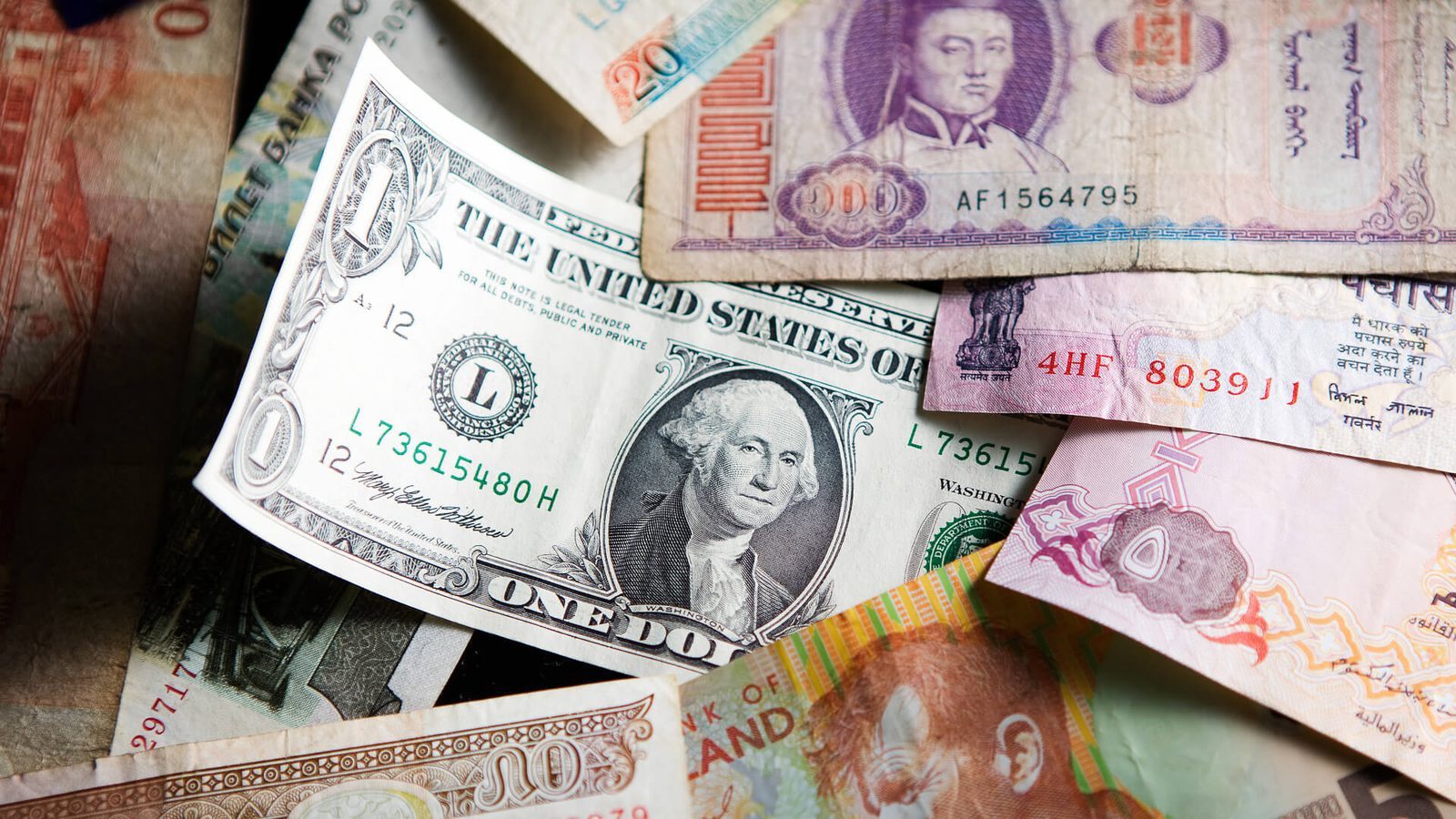
Too much cash is a risk; too little is a different kind of risk. The goal is a modest but meaningful buffer, not a wad of money that makes you a target.
7. How to Actually Find Last-Minute Deals Without Blowing the Budget
Once you know how much you can spend, then you go hunting for deals. Not the other way around.
This is where people often make spontaneous travel money mistakes: they chase the deal first and figure out the budget later.
Here’s how I approach it:
- Set a hard ceiling based on your fund balance. Example:
I have $600 in my spontaneous fund. My total trip cost must stay under $600, all-in.
- Use deal sites as tools, not temptations:
- Check platforms like Expedia, Priceline, Orbitz, or Travelocity for bundled deals.
- Look at opaque hotel deals (like Priceline Express Deals) only if you’re flexible on exact hotel brand.
- Use filters for free cancellation and no resort fees when possible.
- Compare total cost, not just headline price:
- Factor in baggage fees, airport transfers, and taxes.
- Check if a slightly more expensive hotel includes breakfast or free parking.
- Use rewards strategically:
- Redeem points or miles when cash prices are high and award prices are reasonable.
- Don’t drain your entire points balance for a mediocre trip if a better use is likely later.

The key is this: your budget is the boss. The deal is just an employee. If it doesn’t fit the budget, it doesn’t get hired.
This mindset works whether you’re comparing domestic vs international last minute trip cost or just trying to keep last minute flight and hotel costs under control.
8. Putting It All Together: Your Personal Last-Minute Travel Framework
Let’s turn this into something you can actually use tomorrow.
Here’s a simple framework you can copy and tweak when you’re figuring out how much to save for unexpected travel:
- Calculate your essential monthly expenses. That’s your base for a 3–6 month emergency fund.
- Start a basic emergency fund (Stage 1: $100–$1,000, then build toward 3–6 months).
- Create three separate buckets (even if they’re just labeled sub-accounts):
- Emergency Fund (life crises + true emergency travel)
- Spontaneous Trips (fun, non-essential travel)
- Yes/Opportunity Fund (career, relationships, rare chances)
- Automate small monthly transfers into each bucket, even if it’s $20–$50 to start.
- Set rules in advance:
- When will you allow yourself to use each fund?
- What counts as a true emergency vs. FOMO?
- When a last-minute trip appears, ask:
- Which bucket does this belong to?
- How much is in that bucket right now?
- Can I cover the full cost (plus 20–30% buffer) from that bucket alone?
This is the real win: you stop asking Can I get away with this?
and start asking Did I plan for this?
When the answer is yes, you can book the trip, close the laptop, and actually enjoy yourself. No guilt. No panic. Just a last-minute adventure that fits the life you’re building, not one that blows it up.