
I used to obsess over one number on a business trip: the ticket price. If it was lower than last time, I felt like I’d won. Then I started adding up everything else – the 4 a.m. taxi, the wasted hotel night, the dead-on-my-feet meeting after a red-eye – and realized something uncomfortable.
The most expensive business trips I took were often the ones with the “cheapest” flights.
This article is about those quiet, hidden time leaks. The ones that sneak in when you pick the wrong arrival or departure window. I’ll walk through the main traps, how they quietly inflate your total trip cost, and how to choose flight times that protect both your budget and your energy.
1. The Illusion of the “Cheap” Flight Window
Let me start with a simple question: when you compare options for a business trip, do you compare tickets or trips?
Most of us compare tickets. We see a 7:10 a.m. departure that’s $60 cheaper than the 9:45 a.m. option and think, Easy choice.
But that’s not a $60 decision. It’s a decision about:
- How early you need to wake up
- How much you’ll spend on ground transport at that hour
- How functional you’ll be when you land
- Whether you’ll need an extra hotel night or not
- How much productive time you lose to fatigue
Platforms like Worktrips hammer this point: total trip cost is what matters, not just airfare. That includes transfers, layovers, hotel nights, luggage, and the value of your time. If you ignore those, you miss the real hidden costs of business travel timing.
Here’s a simple way I sanity-check a “cheap” flight window now when I’m planning around business flight arrival and departure windows:
- Door-to-door time: Home/office to hotel/meeting, not just gate-to-gate.
- Sleep impact: Will I lose a night of real sleep?
- Productivity impact: Will I be sharp in the meeting that actually justifies this trip?
- Extra line items: Early/late taxi, extra meals, airport hotel, overtime for staff.
Once you do this, a lot of “cheap” windows stop looking cheap. That’s where the real business trip time leaks start to show up.

2. Early-Morning Departures: Savings or Self-Sabotage?
There’s a popular belief: Early flights are always cheaper.
Reality is more nuanced.
Yes, early-morning flights often have lower demand. Many travelers hate pre-dawn starts, so airlines sometimes discount those seats. Several analyses show off-peak flights can be around 12–16% cheaper on average than peak-time options. But that’s not a law of physics. On some business-heavy routes, early flights are actually more expensive because that’s when executives want to fly.
Even when they are cheaper, the question is: cheaper compared to what?
Let’s say you save $70 by taking a 6:00 a.m. flight instead of a 9:00 a.m. one. To catch it, you need to leave home at 3:30 a.m. because:
- Public transport isn’t running yet, so you pay for a premium taxi or rideshare.
- You sleep 3–4 hours less than usual.
- You buy an overpriced airport breakfast and two extra coffees just to stay awake.
By the time you land, you’re technically on time but mentally half-present. You sit in a crucial meeting where your job is to negotiate, persuade, or make decisions. How much is that diminished performance worth?
When I evaluate early flights now, I ask:
- Is the discount meaningful? 10–15% off might not justify wrecking my sleep.
- Can I still get 6–7 hours of sleep? If not, I treat it as a red flag.
- Is there a mid-morning option that lands me in time for the first meeting? Often there is, and the total trip cost is lower once I factor in my energy.
Early flights can be smart when they let you arrive early and work a full day at your destination. They’re a trap when they turn you into a zombie who just happens to be physically present. That’s one of the most common business travel timing mistakes.
3. Red-Eyes and Late-Night Flights: The Fake Hotel You Didn’t Sleep In
Red-eye flights are sold as a clever hack: Sleep on the plane, save a hotel night, arrive ready to go.
Sometimes that works. Often it doesn’t.
Here’s the uncomfortable truth I had to admit to myself: I rarely sleep well on planes. Maybe you don’t either. If you don’t, a red-eye doesn’t save you a hotel night. It just converts that hotel night into a lost day of productivity.
Think about the real cost of a red-eye:
- You pay for airport dinners and snacks you wouldn’t buy at home.
- You arrive at 5–6 a.m. when your hotel room isn’t ready, so you kill time in a café or pay for early check-in.
- You spend the first day in a fog, making slower decisions and weaker impressions.
That “saved” hotel night can easily reappear as:
- Extra meals and coffee
- Paid early check-in or day-use room
- Lower-quality work in the meetings that matter most
So I use a simple rule now when weighing red eye vs daytime business flight costs:
- If I can genuinely sleep 5+ hours on a plane (business class, lie-flat, or I know the route well), a red-eye might be worth it.
- If I usually don’t sleep on planes, I treat red-eyes as a last resort, not a money-saving trick.
Sometimes the best value is the flight that lets you arrive rested, even if the ticket is a bit more expensive. The cost of poorly planned business trips often shows up as exhaustion, not just receipts.
4. Bad Timing vs. Extra Nights: When to Add a Hotel on Purpose
One of the biggest time leaks in business travel is the almost-right flight that forces you into awkward hotel decisions.
Example: your meeting is at 9:00 a.m. on Tuesday. You find a Monday evening flight that lands at 11:30 p.m. It’s cheap. You think, I’ll just crash at the hotel and go straight to the meeting.
In reality:
- You land late, wait for luggage, and reach the hotel at 1:00 a.m.
- You’re wired from travel and fall asleep at 2:00 a.m.
- You wake up at 7:00 a.m. feeling like you’ve been hit by a truck.
Did you really save money? Or did you just pay for a hotel night you barely used and show up to your key meeting at 60% capacity?
Sometimes the smarter move is counterintuitive: add a hotel night on purpose and choose a flight window that respects your body clock.
Here’s how I decide:
- If the only available flights land very late or very early, I ask: can I fly in the previous afternoon instead and get a full night’s sleep?
- If the meeting is high-stakes, I treat a good night’s sleep as part of the project budget, not a luxury.
- If the airport is far from the city, I consider an airport hotel. As Worktrips points out, airport-proximate hotels can be competitively priced and save a lot of time.
In other words: don’t let a badly timed flight force you into paying for a hotel you can’t really use. Either pick a better window or consciously invest in an extra night that actually improves your performance and avoids hotel and per diem waste from bad flight timing.
5. The Hidden Cost of “Just One More Connection”
On paper, adding a connection can look like a smart way to save money. In practice, it’s often a time bomb.
Every extra leg adds:
- More chances for delays and missed connections
- More time spent in airports instead of working or resting
- More meals and coffees at airport prices
- More cognitive load: gates, boarding times, re-checking screens
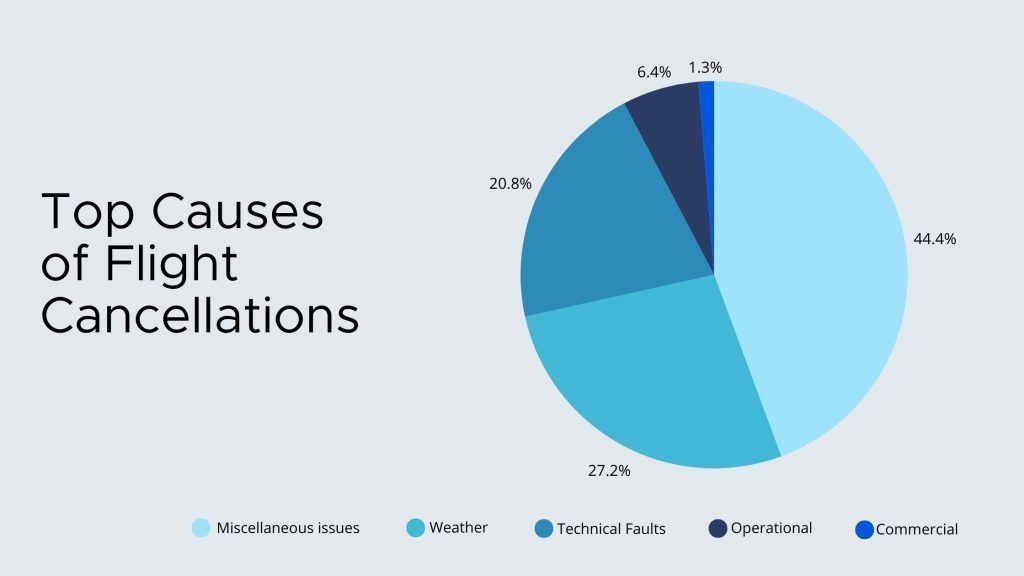
Data from business travel platforms shows that even a small percentage of disrupted flights can translate into hundreds of affected employees per year in a single company. Each disruption means missed meetings, rescheduling, and lost productivity.
Direct flights often look more expensive at first glance, but when you factor in:
- Fewer delays and cancellations
- Shorter door-to-door time
- Less risk of needing an extra hotel night due to missed connections
- Lower stress and better energy on arrival
…they frequently win on total trip cost. The cost impact of long layovers and extra legs is rarely obvious on the booking screen, but you feel it in your calendar and your workload.
My rule of thumb:
- If a direct flight is within ~15–20% of the connecting option, I strongly favor the direct.
- If a connection adds more than 3–4 hours to the journey, I treat that extra time as a real cost, not just an inconvenience.
Remember: your time is not free. Neither is your attention.
6. Booking Day and Dynamic Pricing: When Timing Really Matters
There’s another timing myth that quietly affects your costs: You should book flights at 2 a.m. on a Wednesday from an incognito browser.
It sounds clever. It’s mostly noise.
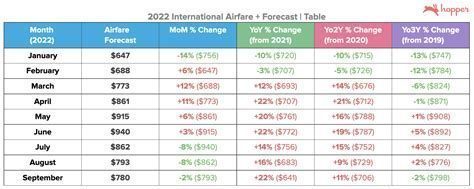
Airlines use dynamic pricing driven by algorithms that react to demand, competition, and remaining seats. Prices move all the time. What does matter, though, is when in the week and how far in advance you book.
Analyses of booking patterns show:
- Friday–Sunday are often the most expensive days to buy, especially Saturday and Friday, when leisure and last-minute business demand spike.
- Monday–Tuesday tend to offer lower average fares, sometimes around 10–12% cheaper than weekend purchases.
- Booking too early or too late can both be bad; there’s usually a “sweet spot” depending on route and season.
So how does this connect to arrival and departure windows and business travel policy flight timing?
If you always book in a rush on Friday afternoon for a Monday trip, you’re not just paying more for the ticket. You’re also more likely to accept suboptimal flight windows because you feel you have no choice. That’s how you end up with the 6:00 a.m. departure or the midnight arrival that wrecks your schedule.
What I do instead:
- Plan key trips early enough to compare several time windows, not just prices.
- Try to lock in flights on Monday or Tuesday when possible.
- Use price alerts and flexible-date tools to see if shifting by a few hours or a day gives me a better window and a better price.
This is where a good business travel policy can help: build in time to choose optimum flight times for business trips, not just the cheapest fare on the screen.
7. How to Choose Flight Windows That Actually Save You Money
Let’s turn this into a practical checklist you can use the next time you book a business trip.
When you’re comparing flight windows, ask yourself:
- What’s my real door-to-door time?
Include home/office to airport, airport to hotel/meeting, and any layovers. A “shorter” flight with a long layover is rarely a win. - What’s the sleep impact?
Will I get a normal night’s sleep before or after the flight? If not, what’s the cost of being tired in my key meetings? - What extra costs does this window create?
Early/late taxis, airport meals, coffee, early check-in, late checkout, extra hotel nights, overtime for staff. - Is a direct flight available?
If yes, is the price difference justified by the time and risk I save? - Does this window fit my meeting schedule cleanly?
Or am I forcing myself into awkward arrival times that waste half a day? - What’s the value of my time on this trip?
If your day rate or the value of the deal is high, sacrificing performance for a small fare saving is almost always irrational.
When you start thinking this way, your decisions change. You stop chasing the lowest fare and start optimizing for total value: money, time, and energy. That’s the real business travel cost breakdown by schedule, not just a line in a spreadsheet.
Over time, you’ll notice fewer business travel productivity loss days, fewer wasted layovers, and fewer “why did I book this?” moments.

8. The Mindset Shift: From Ticket Price to Trip Performance
Business travel is not a game of who can find the lowest number on a screen. It’s a question of how effectively you can show up where it matters.
Bad arrival and departure windows leak money in slow, sneaky ways:
- They steal your sleep.
- They force you into extra taxis and hotel nights.
- They turn important meetings into endurance tests.
- They increase your exposure to delays and disruptions.
The fix isn’t complicated, but it does require a mindset shift:
- Stop asking,
Which ticket is cheapest?
- Start asking,
Which flight window gives me the best total outcome for this trip?
Once you do that, you’ll notice something interesting: your trips feel shorter, your days feel calmer, and your results improve. The ticket might cost a little more sometimes. But the trip? The trip costs less.
And that’s what actually matters.