
I’ve watched a lot of companies celebrate lower airfare costs while quietly leaking cash somewhere else in their travel program. The problem usually isn’t the ticket price. It’s timing – when money leaves your account versus when (or if) it ever comes back.
If you manage travel, run finance, or you’re a founder watching every dollar, this matters. You can be profitable on paper and still run out of cash because your business travel program is draining liquidity at the wrong moments. That’s the trap most teams miss.
Let’s walk through the biggest business travel cash flow traps – trip timing, refundable fares, cancellations, and unused credits – and how to design a travel program that protects your cash instead of quietly draining it.
1. The Core Problem: Travel Spend Hits Cash Before Revenue Arrives
Every business trip is a mini cash flow puzzle. You pay for flights, hotels, per diems, and ground transport now. The revenue or value from that trip might show up weeks or months later – or not at all.
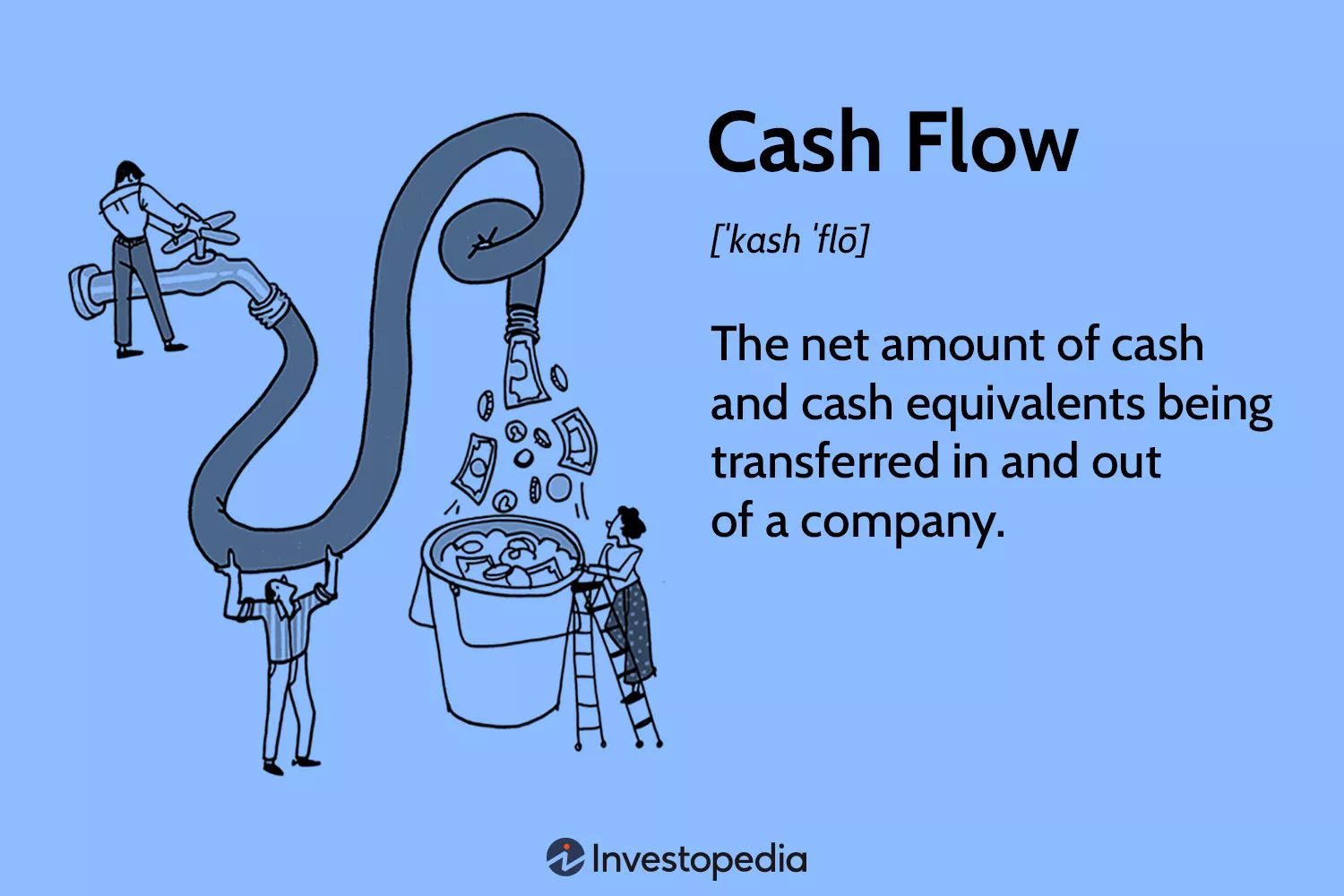
From a finance perspective, travel is a classic timing mismatch. Cash flow, as Investopedia puts it, is simply the movement of money in and out of your business. Business travel is almost always an immediate outflow with a delayed or uncertain inflow.
In real life, it looks like this:
- You prepay flights and hotels 30–60 days before departure.
- Your sales cycle runs 60–90 days after the meeting.
- Clients pay on 30–60 day terms.
By the time cash from that deal hits your account, you might be 90–150 days past the initial travel spend. One trip? No big deal. Dozens or hundreds of trips? Now you’ve got a rolling cash drain built into your corporate travel budget planning.
The trap: You treat travel as a cost per ticket
problem. In reality, it’s a working capital problem. You’re fronting cash for future revenue, and if you mis-time it, you can grow sales while starving operations.
What I watch for:
- Are we booking travel earlier than necessary and locking up cash for months?
- Do we align big travel pushes with known cash inflow periods?
- Are we tracking travel spend in our cash flow forecast, not just on the P&L?
Once you see travel this way, managing cash flow for business travel stops being a side note and becomes part of how you run the business.
2. Trip Timing: When You Book Matters More Than You Think
Most travel policies obsess over book early to save
. Sounds smart, right? Not always – especially if cash is tight.
From a cash flow management lens, like the one described by NetSuite, the question isn’t just how much
you spend, but when
. Early bookings can create a long gap between cash out and trip value. That’s one of the most common business travel cash flow traps.
Take a simple example for a quarterly sales meeting:
- Policy A: Book flights 60 days out to save $80 per ticket.
- Policy B: Book 14–21 days out, pay $80 more, but keep cash in the bank longer.
If you’re tight on liquidity, Policy B might actually be healthier. That extra $80 per ticket could be cheaper than the cost of borrowing or the risk of a cash crunch. This is where business travel booking timing strategy matters more than squeezing every fare.
Then there’s the mixed stream problem. Your travel cash flows aren’t neat monthly averages. They spike around conferences, product launches, or seasonal sales pushes. As OpenStax explains for mixed cash flows, you can’t treat them as a smooth line. You have to map each spike.
How I de-risk timing:
- Build a simple travel cash calendar: list major trips, conferences, and sales blitzes.
- Align those with expected cash inflows (renewals, big invoices, funding rounds).
- Set rules like:
No large group travel bookings more than 30 days before a major receivables week.
Travel isn’t just an expense line. It’s a series of timed cash events. Treat it that way, and travel expense timing and cash flow stops being a surprise.
3. Refundable vs Non-Refundable Fares: The Illusion of Safety
This is where many corporate programs quietly burn money. Refundable fares feel safe. They look responsible. They’re also often a terrible deal.
Refundable tickets give you flexibility – you can cancel and get money back to the original card. For executives with volatile schedules, that sounds perfect. But as Executive Flyers points out, refundable tickets can cost up to four times more than non-refundable ones.
Now layer in corporate math. Allfly gives a simple example:
- Base ticket: $600
- Refundable upcharge: $85
- 50 travelers: $4,250 extra to make them refundable
- If you lose two non-refundable tickets: $1,200 loss
At a 4% cancellation rate, paying for refundable fares costs more than just eating the occasional loss. That’s one of the classic corporate travel budget mistakes: overpaying upfront to avoid a risk that rarely materializes.
What I actually ask:
- What’s our real cancellation rate by traveler type (execs vs field reps vs support)?
- Do we need refundable for everyone, or just a narrow group?
- Is travel insurance or a
Cancel For Any Reason
(CFAR) policy cheaper than refundable fares?
Most companies never run this math. They default to flexible is safer
. But flexibility has a price, and it’s often higher than the risk you’re insuring against. That’s one of the hidden costs of refundable vs non refundable business fares.
My rule of thumb: Use refundable fares sparingly – for truly high-risk, high-value trips – and default to non-refundable plus a clear cancellation playbook for everyone else.
4. Cancellations and Credits: The Silent Cash Black Hole
Non-refundable tickets don’t just vanish when plans change. They usually turn into credits. On paper, that sounds fine. In practice, at scale, it’s messy.
Here’s what typically happens:
- Credits are tied to the traveler’s name, not the company.
- They live in airline systems, not your accounting software.
- Employees leave, roles change, priorities shift.
The result? You’ve converted cash into scattered, semi-invisible airline vouchers. From a cash flow perspective, that’s money you’ve already spent that may never translate back into value. The cash flow impact of travel cancellations shows up as stranded credits and lost options.
Allfly calls this out clearly: non-refundable tickets usually return value as e-credits tied to the traveler, not the company. That’s both a control problem and a tracking problem.
How this hits your cash:
- You pay for a ticket (cash out).
- Trip cancels; you get a credit, not cash (no cash in).
- Credit expires or goes unused (permanent cash loss).
On the flip side, refundable tickets send money back to the original card. Cleaner for accounting, yes. But you paid a premium for that privilege. So you’re trading higher upfront cash out for cleaner refunds. Another example of how business flight cancellation fees and fare choices shape your cash position.
What I put in place:
- A simple credit ledger: who has what, when it expires, and how it’s prioritized.
- Rules like
use credits before booking new tickets
baked into your TMC or booking tool. - Reporting that shows unused credits as a line item – because that’s stranded cash.
If you don’t track credits, you’re not just losing discounts. You’re losing cash you already spent. Over time, unused business ticket costs can quietly add up to a shocking number.
5. Operating vs Investing vs Financing: Where Travel Really Hits Your Cash Flow
Travel feels like a simple operating expense. But if you look at your cash flow statement – the one AccountingCoach breaks into operating, investing, and financing – travel’s impact is more nuanced.
Here’s how I think about it:
- Operating cash flow: Day-to-day travel (sales calls, support visits, internal meetings) hits here. If travel grows faster than operating cash inflows, you’re squeezing liquidity.
- Investing cash flow: Big travel pushes tied to expansion – new markets, major conferences, product launches – behave more like investments. They’re bets on future growth.
- Financing cash flow: If you’re funding travel with credit lines or cards, you’re effectively shifting travel costs into financing activities – with interest.
As Epic Calculators notes, a business can be profitable and still fail if it mismanages the timing of cash in and out. Travel is a textbook example: you can show strong sales growth while your cash position deteriorates because you’re front-loading travel spend.
Questions I ask finance teams:
- Are we treating major travel initiatives as investments with expected returns, or just lumping them into
travel & entertainment
? - Do we see travel spikes in our cash flow forecast, or only in the P&L?
- Are we using short-term debt to cover travel-heavy months? If so, what’s the real cost of that timing?
Once you see travel through the lens of the cash flow statement, you stop asking only How do we cut costs?
and start asking How do we time and structure travel so it doesn’t choke our cash?
That’s the heart of smart business travel cost control strategies.
6. Policy Design: How to Build a Travel Program That Protects Cash
Most travel policies are written for compliance and cost control. Very few are written for cash flow health. If you want a more resilient business, that has to change.
Here’s how I’d design a travel policy with cash in mind, without turning it into a bureaucratic nightmare.
1. Segment travelers by volatility
- Executives and deal-critical roles: allow more flexibility, occasional refundable fares, or CFAR insurance.
- Predictable roles (implementation, training, internal meetings): default to non-refundable, with clearer booking windows.
This keeps your corporate travel policy cash flow-friendly without blocking critical trips.
2. Set booking windows based on cash, not just price
- Align big booking waves with strong cash periods.
- Avoid large prepayments far in advance unless discounts are truly material.
Sometimes paying a bit more per ticket is cheaper than the financing cost of locking up cash too early.
3. Make cancellations a managed process, not an afterthought
- Require quick action on canceled trips: convert to credits, reassign, or refund where possible.
- Track cancellation reasons and rates by team – this feeds your refundable vs non-refundable strategy.
Handled well, cancellations don’t have to become a permanent cash flow impact of travel cancellations.
4. Integrate travel into cash flow forecasting
- Include expected travel spend in rolling cash forecasts, as recommended in cash flow management best practices.
- Flag months where travel spend plus other obligations (payroll, vendor payments) might strain cash.
This is where corporate travel budget planning meets real-world liquidity.
5. Measure the right things
- Not just
average ticket price
, but cash locked in unused credits. - Not just
travel savings
, but days of cash runway lost to early bookings and refundable premiums.
The goal isn’t to kill travel. It’s to make sure every trip is funded, timed, and structured in a way that supports – not sabotages – your cash position.
7. The Mindset Shift: From Cheap Tickets
to Healthy Cash
Zoom out for a second. Most companies treat travel as a procurement problem: negotiate better rates, enforce policies, cut waste. That’s fine. It’s just incomplete.
Travel is a cash flow design problem. With every trip, you’re deciding:
- How far in advance you lock up cash.
- How much you pay for flexibility you may not need.
- How much stranded value you tolerate in unused credits.
- How travel-heavy months line up with your inflows and obligations.
If you’re willing to question the usual advice – book early, buy flexible, travel more
– you can build a travel program that does more than shave a few dollars off each ticket.
You can build one that keeps your company liquid, resilient, and ready to seize opportunities – without being blindsided by the hidden cash flow traps sitting in your travel calendar.
So the next time someone asks for more flexibility
in your travel policy, don’t just ask what it costs per ticket. Ask what it costs your cash.