You know that friend who moves to a “cheap” country and somehow ends up spending more than they did at home? I’ve watched it happen over and over. Sometimes, I’ve been that friend.
It’s rarely about the country. It’s about how we live once we get there.
This guide looks at the hidden costs of cheap destinations, the daily travel spending habits that quietly wreck a long-term travel budget, and the small changes that keep slow travel affordable instead of turning into an endless, overpriced vacation.
1. The Myth of the “Cheap Country” vs Your Real Monthly Spend
We get hooked by headlines: You can live in X country for $1,000 a month!
or Daily budget: $30!
It sounds amazing. But those numbers usually ignore the costs that actually break your budget over months and years.
Think about what’s often missing from those dreamy long term travel budget breakdowns:
- Flights and long-haul transport to get there (and back)
- Visa fees, tourist taxes, and entry charges
- Health costs: vaccines, malaria meds, travel insurance
- Banking and ATM fees, currency spreads, card charges
- All the “admin” of life: SIM cards, laundry, toiletries, data
One family slow-traveling Southeast Asia spends about £2,800/month on day-to-day life, excluding big flights and some annual costs, and that’s still cheaper than their old UK life at ~£3,500/month (source). So yes, the cost of living for long term travelers can be lower than staying home. But only if you’re honest about all the categories, not just the fun ones.
When you see a low daily number, ask yourself:
- Is this a tourist budget or a life budget?
- Does it include visas, health, and flights?
- Could I actually live like this for 6–12 months?
The uncomfortable question underneath all the hidden costs of cheap destinations is simple: Do you want a cheap trip, or a sustainable lifestyle? The habits you build will be very different.
2. Importing Your Old Lifestyle: The Fastest Way to Make Anywhere Expensive
Most Americans and Europeans who blow their budget in “cheap” countries don’t do it with yachts and private islands. They do it with familiar comforts repeated every single day.
The pattern is easy to spot:
- Short-term, central, furnished apartment aimed at foreigners
- Western-style cafés and restaurants instead of local spots
- Uber or taxis instead of walking or using local transport
- Imported groceries and snacks from home
- Air-con running all day because
it’s so cheap here
Each choice feels small. Together, they recreate your old cost of living in a place that was supposed to be affordable. That’s how cheap countries get expensive without you really noticing.
As one expat-focused piece put it, cheap countries stay cheap when you live like you’re living there, not like you’re on an extended trip with a home base
(source).
Before you book or buy, pause for a second:
- Am I paying extra to keep my old habits intact?
- Is this a local norm, or an expat premium?
If you insist on living exactly as you did at home, you’ll pay home-country prices—just in a different currency.
3. Housing & Location: Your Biggest Hidden Cost (and Biggest Lever)
Accommodation is where “cheap” destinations quietly become expensive. Not because rent is high, but because the way travelers rent is expensive.
Here’s the typical budget-killing setup:
- Booking short-term, flexible, fully furnished places on platforms designed for tourists and remote workers
- Choosing the most central, trendy neighborhood because it feels “safe” and familiar
- Moving every week or two, paying nightly or weekly rates instead of monthly
Locals don’t live like this. They sign longer leases, pick neighborhoods that balance price and convenience, and avoid the tourist markup. That’s why their cost of living is a fraction of what long-term travelers sometimes spend.
One of the most useful ideas for long term travel money management is the “20-minute life”: choose a base where your daily needs are within a 20-minute walk:
- Groceries and fresh markets
- Pharmacy and basic healthcare
- A park or public space
- A social anchor (coworking, café, gym, language school)
When you do this, you:
- Slash transport costs and taxi dependence
- Stop paying the “I’m lost, just get me there” premium
- Settle into routines faster, which stabilizes your spending
The key decision: Will you optimize for flexibility and centrality, or for stability and local pricing? Travelers who keep their slow travel cost per month under control almost always choose stability.
4. Fast Travel vs Slow Travel: Pace Is a Financial Decision
Most people think saving money is about eating street food and haggling over $2. In reality, the biggest savings come from how often you move.
Fast travel (a new city every few days) feels exciting, but it’s a budget shredder:
- More transit days = more buses, flights, taxis, and transfers
- More last-minute bookings at bad rates
- More one-night stays (the most expensive way to rent a room)
- More convenience food and airport meals
- More wasted groceries left behind in each kitchen
Slow travel flips this. Staying 2–4 weeks in one place:
- Unlocks weekly or monthly discounts just by asking
- Reduces the number of expensive transit days
- Makes cooking and routines realistic
- Gives you time to find local markets, non-tourist cafés, and cheaper services
One long-term travel guide puts it bluntly: Accommodation and transportation are the largest and most variable expense categories; optimizing those matters more than obsessing over food costs
(source).
So when you plan your route, ask:
- Am I designing a trip for Instagram, or a life I can afford for a year?
- Could I cut my moves in half and double my stays?
That one shift changes your daily expenses in budget destinations more than skipping the occasional coffee ever will.
5. Tourist Zones, Expat Bubbles, and the “Convenience Premium”
Even in cheap countries, there are two parallel economies:
- The local economy where people earn local wages and pay local prices
- The tourist/expat economy where prices are set for people with stronger currencies
If you spend most of your time in the second one, your “cheap” destination will feel suspiciously like home in terms of cost. That’s where the real cheap destination vs expensive destination costs show up.
Here’s how the convenience premium creeps in:
- Western-style cafés with laptop-friendly vibes and Western prices
- Restaurants with English menus and imported ingredients
- Neighborhoods that feel like a bubble of your home country
- Private drivers instead of learning local buses or trains
Foreigners arrive with strong currencies, think this is still cheap
, and pay without questioning. Over time, that demand pushes up rents and prices, and local businesses get replaced by expat-focused ones (source).
The uncomfortable truth: your habits help decide whether a place stays affordable—for you and for the people who live there.
Practical shifts that keep your daily travel spending habits in check:
- Eat at local spots most of the time; save expat cafés for occasional treats
- Use posted prices; don’t demand special discounts, but don’t accept obvious tourist markups either
- Learn enough of the language to order food, ask prices, and use public transport
This isn’t about deprivation. It’s about choosing integration over insulation.
6. The Costs You Don’t See: Visas, Health, and Global Price Creep
Even if you nail your daily habits, there’s a bigger backdrop you can’t ignore: travel is getting more expensive globally, and many “cheap” countries are changing fast.
What’s pushing costs up:
- Rising travel taxes: higher air passenger duties in the UK, increased aviation taxes in France and Denmark, and more tourist levies in popular destinations
- Aircraft shortages: limited capacity means airlines keep fares high
- Sustainability rules: schemes like CORSIA and mandatory Sustainable Aviation Fuel add operating costs that trickle into ticket prices
- Local policy shifts: crackdowns on short-term rentals in some cities push demand back to hotels
Experts are clear: this isn’t a blip; it’s a trend (source, source).
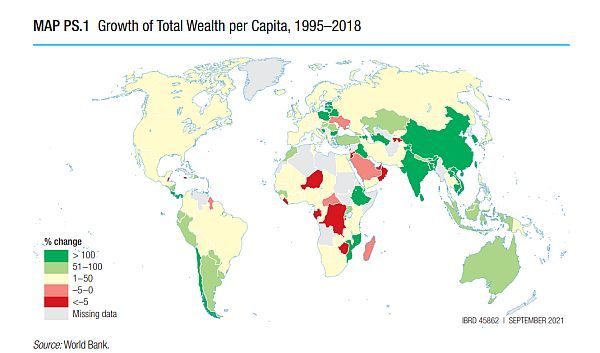
On top of that, many “cheap” countries are simply getting richer. As middle classes grow and infrastructure improves, prices rise. Places that were legendary bargains 20–30 years ago—parts of Mexico, Thailand, Vietnam—are still good value, but they’re not the same rock-bottom deals older travelers remember (source).
So what can you actually control in your long term travel budget breakdown?
- Region choice: favor lower-cost regions (Southeast Asia, parts of Latin America, Eastern Europe) if budget is tight
- Trip frequency: fewer long-haul flights, longer stays per region
- Health planning: sort vaccines, insurance, and meds in advance; last-minute health decisions are expensive
7. Money Leaks: The Small Daily Habits That Wreck Long-Term Budgets
Once you’ve chosen a region, a base, and a pace, the real game is in the tiny, repeatable choices. These are the habits that either quietly protect your budget or quietly bleed it dry.
Common money leaks in cheap countries:
- Banking fees: using the wrong card, paying 3–5% on every withdrawal or transaction
- Data and SIM chaos: buying tiny data packages repeatedly instead of a sensible monthly plan
- Groceries vs eating out: buying groceries you don’t finish because you move too fast
- “Emergency” rides: constant last-minute taxis because you didn’t learn the bus or metro
- Short-term thinking: booking tonight’s room at 8 p.m. and paying a premium every time
These are the small daily purchases travel costs that don’t feel like much in the moment, but add up brutally over a few months.
Habits that help instead:
- Set up low-fee cards and a system for cash withdrawals before you leave
- Buy monthly SIM/data where possible; stop drip-feeding your phone
- Cook simple meals a few times a week; don’t overbuy perishable food
- Learn the one or two key public transport routes you’ll use most
- Book stays with at least a loose plan (e.g., 10–14 days) instead of night-by-night panic
This is how digital nomad cost of living habits stay sane: not by never spending, but by making the default option cheap and easy. When your systems are good, the occasional splurge doesn’t matter.
8. Designing a Life, Not a Vacation: How to Keep “Cheap” Destinations Cheap
If you remember nothing else, remember this:
Cheap destinations are only cheap if you’re willing to change how you live.
That means:
- Choosing a 20-minute life over a hyper-central tourist bubble
- Prioritizing slow travel over constant movement
- Spending in the local economy more than the expat one
- Accepting some friction and learning instead of paying for convenience every time
- Seeing yourself as a temporary resident, not a permanent tourist
The real question isn’t Which cheap country should I move to?
It’s closer to this:
Am I willing to adjust my habits enough that “cheap” actually means cheap for me?
If the answer is yes, the unexpected expenses in cheap countries stop being a constant shock. Long-term travel stops being a one-year burnout sprint and starts becoming something you can actually sustain—financially, mentally, and ethically—for as long as you want.
In the end, how to control daily travel spending isn’t about one magic hack. It’s about a bunch of small, human choices that add up to a lifestyle you can afford to keep living.