
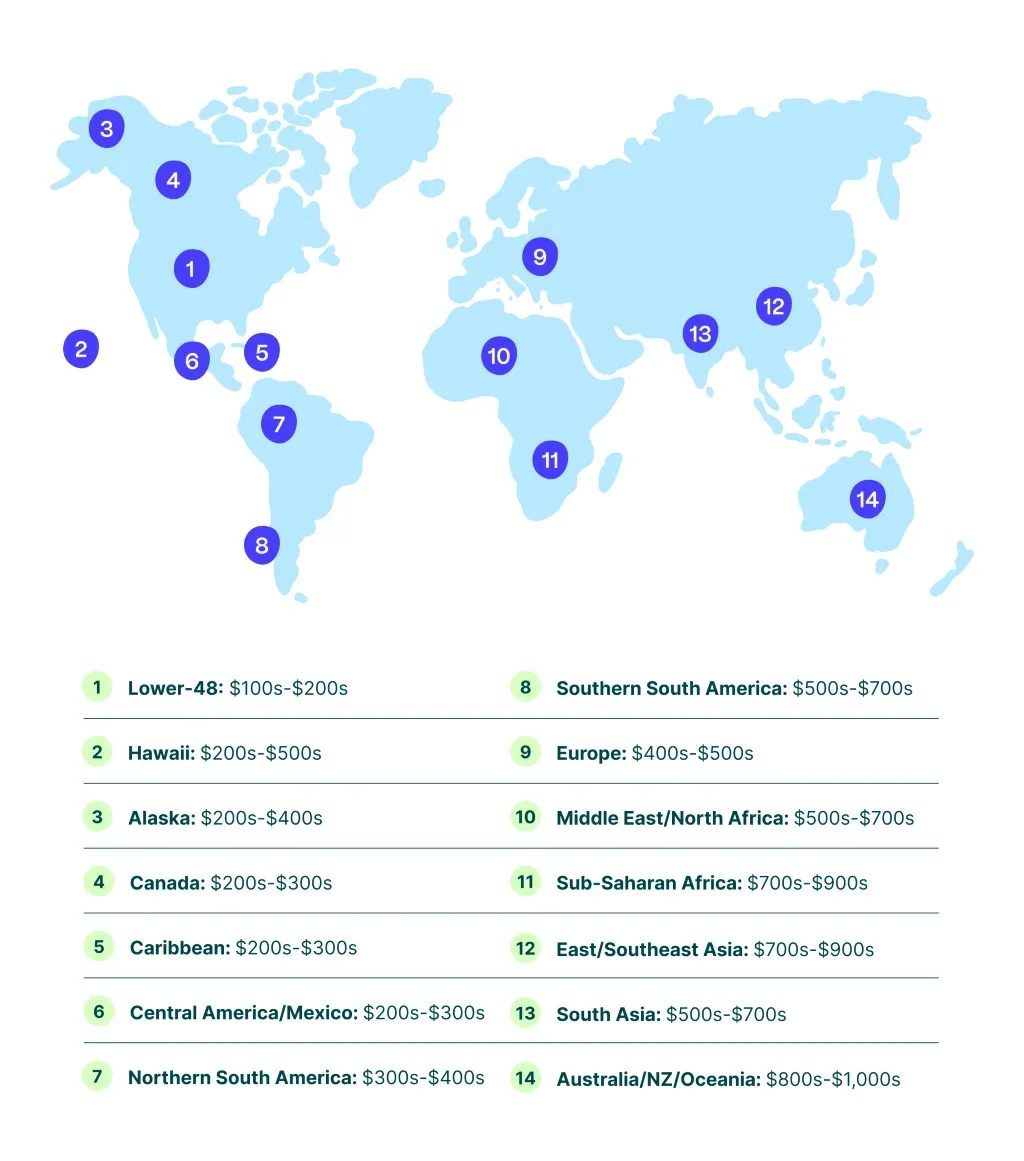
I love a cheap flight as much as anyone. But I’ve also learned the hard way that a $200 ticket can turn into the most expensive decision of the year if I don’t run the numbers on everything that comes after it.
Right now, we’re in a strange moment: airfare can be surprisingly reasonable if you’re flexible, while hotels, food, and activities feel like they’ve jumped a tax bracket. That gap is where a lot of people get burned. You score an ultra cheap flight, then realize the trip is what’s expensive.
This guide is about avoiding that trap. When your flight is cheap but everything else isn’t, how do you plan a trip that doesn’t wreck your budget?
Here’s how I think through the total trip cost—before I click Book
—and how I keep the rest of the travel budget under control once I land.
1. The First Trap: Mistaking a Cheap Flight for a Cheap Trip
When I see a low fare, my instinct is to grab it. That’s exactly what airlines and booking sites want. But a cheap flight is just one line in a much bigger equation. A cheap flight, expensive trip combo is more common than you’d think.
Here’s how I sanity-check a deal
before I commit:
- I estimate the full daily cost: lodging, food, local transport, and a rough activity budget. Then I multiply that by the number of days and add the flight. If the total makes me wince, that ultra cheap flight isn’t really cheap for me.
- I compare destinations, not just fares: a $450 flight to a lower-cost city can be cheaper overall than a $250 flight to a high-cost one. Paris, New York, the Maldives—those classics are structurally expensive. A smaller city or less-hyped region can give you similar vibes for a much lower total trip cost.
- I remember seasonality: summer and school holidays are peak almost everywhere. Booking late for those periods means you’ll pay more for everything, not just flights. Off-peak or shoulder seasons can flip the math in your favor and make a cheap airfare travel budget actually work.
Airfare itself isn’t always the villain. Inflation-adjusted, it’s often lower than it was a decade ago. What’s changed is demand, capacity, and how much everything on the ground costs. So I treat a cheap ticket as an invitation to investigate the total trip cost vs airfare, not a green light.
2. Decide Your Budget Before You Decide Your Destination
Most people pick a place, then try to make the budget fit. I do the opposite. I decide what I can truly afford, then find the best trip inside that number.
It’s not glamorous, but it works.
My process is simple but ruthless:
- Step 1: Set a total number you’re comfortable spending without going into debt. Not what you wish you could spend—what you can actually pay off immediately.
- Step 2: Break it into categories: transport (flights + local), lodging, food, activities, and a buffer (I like 10–15%). This is where I spot travel cost traps with cheap tickets—if the flight eats too much of the pie, I move on.
- Step 3: Let the budget choose the destination. If your total is $1,000, a week in a high-cost city probably won’t work. But that same $1,000 might stretch beautifully in a cheaper region where daily costs are lower.
When I’m honest about the total first, I stop trying to force a champagne destination on a beer budget. That’s where the real savings are—not in skipping coffee, but in choosing a place where your money actually has leverage.
Quick mental check: if you need to make it work
with credit cards, the trip is too expensive. Travel is not worth months of post-vacation debt.
3. Choose Destinations Where the Ground Costs Match Your Wallet
Once I know my budget, I look for places where the on-the-ground costs won’t ambush me. This matters more than saving $50 on a ticket. A low cost airline trip is only a win if the rest of the expenses don’t explode.
Here’s how I think about it:
- Cost of living beats Instagram appeal: I look up average prices for a mid-range hotel, a basic restaurant meal, a coffee, and a local transit ticket. If those numbers are painful, I move on, no matter how pretty the photos are.
- Swap famous for similar: instead of the Maldives, maybe the Philippines or Sri Lanka. Instead of Paris, maybe a smaller French city or a different European country entirely. The experience can be just as rich, with far less financial pressure and fewer cheap flights high daily costs surprises.
- Follow cheap flight patterns, then filter by cost: West Coast–to–Asia, East Coast–to–Europe, and Miami–to–Latin America often have good fares. From there, I pick cities where hotels and food are reasonable so the overall vacation budget beyond flights stays sane.
Travel prices are also shaped by events you don’t see in the flight search results: sports tournaments, big concerts, festivals. Those can quietly double hotel rates and even push up airfare.
So I always check local event calendars before locking in dates. If a mega-concert or race weekend is in town, I either shift my dates or pick another city. It’s one of the easiest ways to avoid invisible price spikes that turn a cheap flight, expensive trip situation into a reality.

4. Don’t Let Hotels, Food, and Transport Eat Your Savings
Once the flight is booked, the real budget battle starts. This is where most cheap
trips quietly become expensive.
Here’s how I keep the big three—lodging, food, and local transport—from blowing up the plan and ruining a carefully built cheap airfare travel budget:
Lodging
- Location over luxury: I’d rather stay in a modest place near public transport and walkable neighborhoods than a nicer hotel that forces me into taxis and long commutes.
- Longer stays, fewer moves: staying 5–7 nights in one place can lower nightly rates and cut transit costs between cities. Constantly hopping around is a quiet budget killer.
- Check for hidden fees: resort fees, cleaning fees, service charges. I treat them as part of the nightly rate, not an afterthought. Those are classic low cost airline trip expenses–style gotchas, just on the hotel side.
Food
- One or two restaurant meals per day, not three: I often do a simple breakfast (groceries or hotel), a casual lunch, and then choose one meal to
upgrade
. - Avoid eating in the most touristy square: walking 5–10 minutes away from the main drag can cut prices dramatically and usually improves the food.
- Street food and local spots are usually cheaper and more interesting than the places with laminated English menus and hostesses waving you in.
Local transport
- Public transit first: I check if there’s a day pass or transit card. It’s often cheaper than a single airport taxi and keeps the overall flight deal cost breakdown in my favor.
- Walk more, plan smarter: I cluster sights by neighborhood so I’m not zigzagging across the city all day.
- Rentals and rideshares as exceptions, not the default. Convenience is the most expensive habit on any trip.
When I plan these three categories intentionally, I can splurge on something that actually matters to me—like a special meal or a unique activity—without the whole trip spiraling.
5. Timing Is a Bigger Lever Than You Think
We talk a lot about finding deals
, but timing is often the real discount. When you go matters as much as where you go.
Here’s how I use timing to keep total costs down and avoid cheap flights high daily costs surprises:
- Avoid school holidays and peak summer if you can. Airlines, hotels, and car rentals all raise prices when demand is guaranteed. Families are locked into those dates, so if you’re flexible, don’t compete with them.
- Travel in shoulder seasons: late spring and early fall often mean lower prices, fewer crowds, and still-good weather. It’s one of the easiest ways to make a cheap flight actually lead to a cheaper overall trip.
- Book flights early for peak periods: last-minute summer flights are almost always expensive. For off-peak, I still like to book once prices look reasonable rather than waiting for a miracle.
- Fly midweek when possible: Tuesdays and Wednesdays often come in cheaper, especially on longer routes.
Behind the scenes, travel companies are using dynamic pricing to squeeze as much revenue as they can out of limited capacity. They know when demand spikes. You don’t have to outsmart the algorithm—you just have to stop playing on its hardest difficulty setting.

6. Watch the Invisible Costs: Fees, Taxes, and Algorithms
Even when you think you’ve budgeted well, there’s a layer of invisible costs that can quietly inflate your trip.
Here’s what I look for when I compare cheap flights vs overall trip cost:
- Airline extras: baggage fees, seat selection, early boarding. I add these to the ticket price before comparing airlines. A
cheap
fare with expensive add-ons is not cheap—it’s just a cleverly disguised upsell. - Tourist taxes and entry fees: more cities and countries are adding them. They’re not huge individually, but they add up, especially for families.
- Dynamic pricing: some sites raise prices after repeated searches. I sometimes compare prices in an incognito window or on a different device just to see if there’s a difference.
- Currency shifts: if your home currency is weak against the local one, everything on the ground will feel more expensive. I mentally add a
currency tax
to my daily budget in those places.
I don’t obsess over every fee, but I do try to see the full price of a decision before I make it. That alone puts you ahead of most travelers who only look at the headline fare.
7. Use Rewards and Tools Strategically, Not Aspirationally
Points, miles, and travel tools can absolutely make trips cheaper—but only if they serve your plan, not your ego.
Here’s how I use them without getting sucked into overspending or justifying a cheap flight expensive trip that doesn’t really fit my budget:
- Rewards offset, they don’t justify: I never book a more expensive hotel just because I have points. I use points to reduce the cost of something I’d be happy with anyway.
- Search wide, then narrow: I use tools like Google Flights, Skyscanner, or Going-style alerts to see which destinations are cheap from my home airport, then filter by cost of living and my budget. That’s how I price a trip, not just the flight.
- One main card for travel: I prefer a single, no-foreign-transaction-fee card that earns decent rewards, rather than juggling multiple cards and losing track.
- No debt for points: if I can’t pay the card off in full, the interest wipes out any benefit from the rewards. That’s a hard rule.
Used well, rewards and tools are like a quiet tailwind. Used badly, they’re just marketing dressed up as free travel
.

8. Build a Trip That Feels Rich, Not Just Cheap
There’s a difference between a cheap trip and a good-value trip. I’m not interested in suffering through a vacation just to say I did it for $300.
So I ask myself a few questions before I book anything:
- What do I actually care about on this trip? Food? Nature? Museums? Nightlife? I spend more there and cut ruthlessly on the rest.
- Will this budget let me relax, or will I be stressed the whole time? If I’m going to agonize over every coffee, I’d rather choose a cheaper destination or shorten the trip.
- Does this trip fit my life, not just my feed? If the only reason I’m going is because everyone else is, I pause.
When your flight is cheap but everything else isn’t, the real skill isn’t hunting for one more discount. It’s designing a trip where the total cost matches your reality—and the experience still feels generous.
If you start with your budget, choose destinations that respect it, and stay skeptical of deals
that only cover the flight, you’ll travel more often, come home without money anxiety, and still feel like you got away with something.