
I love a good deal. I also hate realizing, halfway through a 27-hour odyssey, that my “cheap” flight is quietly draining my time, energy, and money. If you’ve ever booked the lowest fare and then arrived wrecked, broke, and wondering what just happened, this guide is for you.
Let’s walk through how to calculate the real cost of a flight: layovers, airport transfers, sleep, food, and even vacation days. By the end, you’ll know when a cheap ticket is a win—and when it’s a trap.
1. The Illusion of the Cheapest Fare
Most of us start the same way: sort by lowest price
and feel smug when we shave $80 off the top. But that number is only the sticker price. It ignores everything that happens between leaving your home and arriving at your hotel.
Here’s the mental shift that changed how I book: I don’t ask, What’s the cheapest ticket?
I ask, What’s the cheapest trip that still feels good?
That means I factor in the true cost of cheap flights, not just the fare:
- Time spent in transit (door to door)
- Extra meals and snacks I’ll buy because of long layovers
- Airport transfer costs between flights: taxis, trains, buses
- Lost work time or vacation days
- How destroyed I’ll feel on arrival
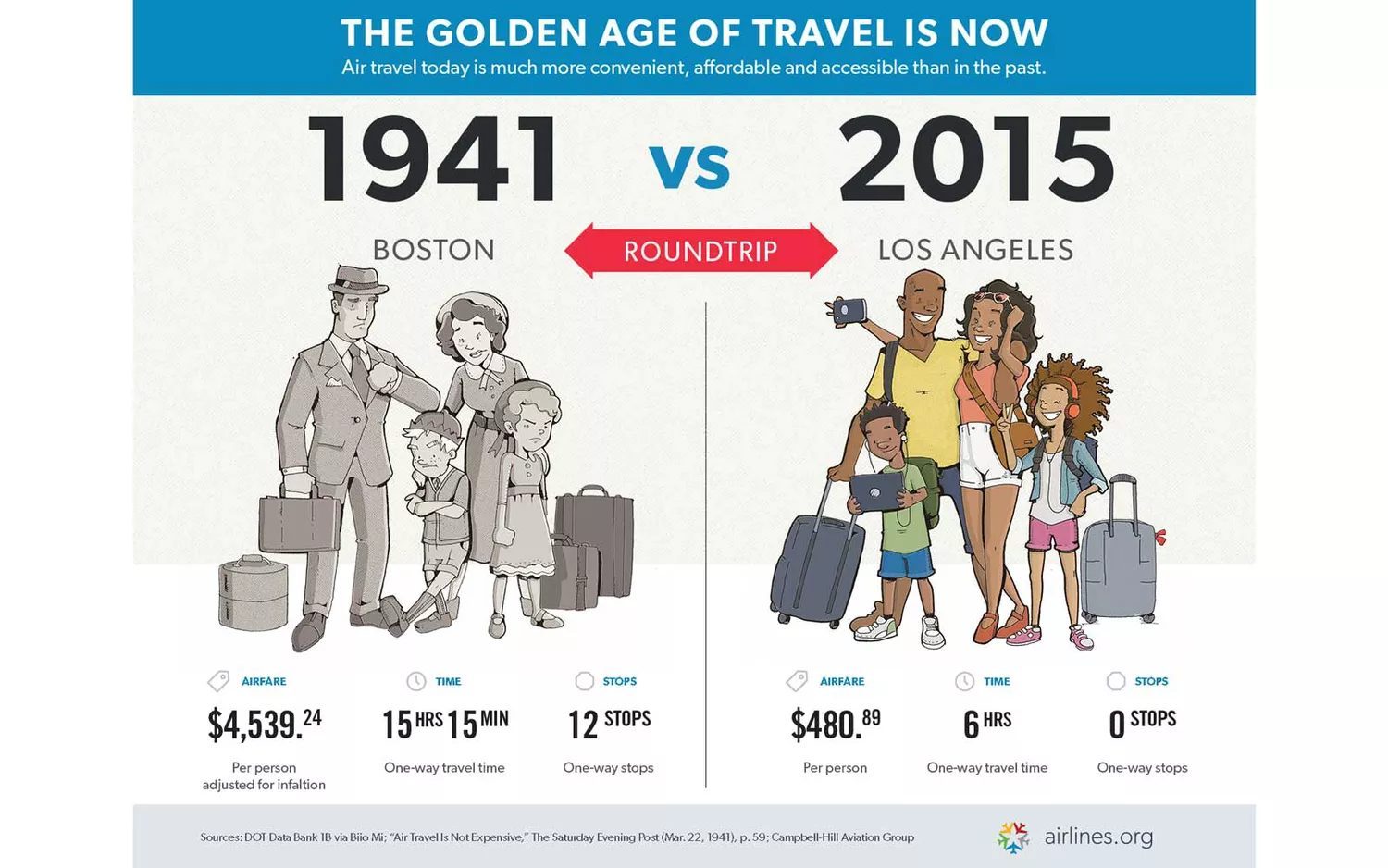
Airfare itself has actually gotten cheaper over the decades when you adjust for inflation. Modern flying is less glamorous but far more accessible than the so-called Golden Age
of travel. A Los Angeles–Boston flight that once cost the equivalent of thousands of dollars now costs a few hundred or less, and takes fewer hours with fewer stops.
The catch? Airlines now squeeze value out of every minute and every seat, and we pay in other ways: time, comfort, and surprise fees. That’s where the hidden costs of layovers and awkward routings sneak in.

So the game isn’t just find the lowest fare
. It’s find the best value for my time, energy, and money
. To compare a cheap flight vs direct flight properly, you need a simple way to look at the whole trip, not just the number on the booking page.
2. Put a Price on Your Time (Yes, Really)
This is the part most people skip. If you don’t value your time, every 3-stop red-eye looks like a bargain.
I use a simple formula for calculating total trip cost when I’m comparing a connecting flight vs nonstop price:
Effective Trip Cost = Ticket Price + (Total Travel Hours × Your Hourly Value) + Extra Trip Expenses
First, pick an hourly value. It doesn’t have to be your salary. It can be:
- Your after-tax hourly wage
- A flat number you’re comfortable with (say $15–$30/hour)
- Higher for vacation days you really care about
Then compare two sample flights:
Option A: $420, 9 hours door to door (1 short layover)
Option B: $320, 18 hours door to door (2 long layovers)
Let’s say you value your time at $20/hour.
- Option A time cost: 9 × $20 = $180 → Effective cost: $420 + $180 = $600
- Option B time cost: 18 × $20 = $360 → Effective cost: $320 + $360 = $680
On paper, Option B is $100 cheaper. In reality, it’s $80 more expensive once you price your time. And that’s before food, transfers, and exhaustion.
Ask yourself: If someone offered me $100 to double my travel time and add two layovers, would I take it?
Most of us wouldn’t. But we do it all the time when we chase the lowest fare and ignore the cheap flights lost time problem.
3. Layovers: When a Stop Becomes a Hidden Hotel Night
Layovers aren’t automatically bad. Sometimes they’re the only way to get somewhere, or they save a meaningful amount. The problem is when a layover quietly turns into a stealth hotel night
and a day of your life.
Here’s how I evaluate a layover and do a quick long layover cost breakdown before I book.
Step 1: Calculate the real layover cost
- Extra meals and drinks (airport prices are often 1.5–3× normal)
- Airport lounge pass or day room if you buy one
- Sleep quality (or lack of it) on overnight layovers
- Risk of missed connections and rebooking stress
Example: 8-hour layover in a major hub.
- Two meals + snacks: $35–$60
- Coffee or drinks: $10–$20
- Maybe a lounge pass: $35–$60
You’ve just added $50–$120 to your cheap
ticket, plus 8 hours of your time. That $80 savings is gone. This is one of the classic cheap airfare mistakes to avoid: ignoring what you’ll actually spend during the wait.
Step 2: Decide your layover thresholds
I use rough rules:
- Under 2 hours: Usually fine, but I avoid tight connections under 60–75 minutes on separate tickets.
- 2–5 hours: Acceptable if the savings are real and the airport is comfortable.
- 5–8 hours: Only if the savings are significant or I can work/rest productively.
- Overnight layover: I treat this as adding a hotel night and almost a full day of travel.
Once you start pricing layovers like that, a lot of deals
stop looking like deals. The cost of an overnight layover hotel, plus food and lost sleep, can easily wipe out the difference between a cheap flight vs direct flight.
4. Airport Transfers: The Silent Budget Killer
Transfers are where many cheap itineraries fall apart. That amazing
fare that lands you at the secondary airport at 1:00 a.m. can easily cost more than a normal ticket once you add ground transport.
Here’s what I check before I book, especially when I’m doing a budget travel flight cost analysis or building my own connections:
- Which airport? Some cities have multiple airports with wildly different transfer costs and times.
- Arrival time: Will public transport still be running? Late-night arrivals often mean taxis or rideshares.
- Separate airports: Some itineraries (especially self-built ones) require you to change airports between flights.
Example: You see two options to a European city.
- Option 1: Main airport, $450, 30-minute train for $8.
- Option 2: Distant low-cost airport, $360, 70-minute bus for $25, limited late-night service.
On paper, Option 2 saves $90. In reality:
- Extra transfer cost: $25 – $8 = $17
- Extra time: 40+ minutes each way
- Higher risk if your flight is delayed and you miss the last bus
Now your real savings are closer to $70, and you’ve traded away time, flexibility, and peace of mind. If you end up taking a taxi because the bus stopped running, you might wipe out the savings entirely.
Before you book, it’s worth two minutes to check local transport sites or a map app to see:
- Typical taxi/rideshare cost from each airport
- Train/bus options and schedules
- Travel time to your actual accommodation, not just “city center”
Sometimes the expensive
airport is actually the cheaper choice once you factor in airport transfer costs between flights and into the city.
5. Lost Days, Jet Lag, and the Energy Budget
Money is easy to count. Energy is not. But it matters just as much.
Think about what you’re actually buying with a flight: not just transportation, but usable time on the ground. A brutal itinerary can quietly erase a full day or more of your trip.
Ask yourself:
- Will I lose my first day to exhaustion?
- Will I need an extra night of sleep before I feel human?
- Is this a short trip where every day counts?
On a 3–4 day trip, sacrificing one day to recovery is a huge cost. On a 3-week trip, maybe you’re more flexible. This is where the flight savings vs time trade off becomes very real.
Here’s how I think about it:
- Red-eyes with multiple layovers: I treat them as if I’m paying for one extra
lost
day. - Arrivals very late at night: I assume I’ll do nothing but sleep that night.
- Arrivals early morning after no sleep: I assume a half-day of low productivity.
If your daily vacation budget is, say, $150–$250 (hotel, food, activities), losing a day to a punishing itinerary is not cheap. It’s just hidden.
So I ask: Is saving $80 worth losing half a day of my trip and feeling wrecked?
Often, the answer is no. When you look at the true cost of cheap flights, that “deal” can quietly become the most expensive option.
6. Dynamic Pricing: Why That “Deal” Exists in the First Place
There’s another layer to this: why that cheap fare is cheap.
Airlines don’t discount flights out of kindness. They discount specific seats on specific routes at specific times because demand is lower or the itinerary is less attractive. That’s why you’ll often see the rock-bottom prices attached to:
- Awkward departure times (very early or very late)
- Long or overnight layovers
- Less convenient airports
- Multi-stop routes when nonstops exist
Modern pricing is dynamic. Airlines constantly adjust fares based on demand, remaining seats, and competition. There’s no magic cheap Tuesday
anymore. What matters more is when you book and how flexible you are.
Some patterns still hold:
- Booking 1–3 months ahead for short-haul, and 4–6 months ahead for peak holidays, often beats last-minute prices.
- Flying mid-week (Tuesday–Thursday) can be 10–20% cheaper than Fridays and Sundays.
- Off-peak seasons (shoulder months, non-holiday periods) are where the real value lives.

Instead of grabbing the ugliest itinerary because it’s $60 cheaper today, I’d rather:
- Set price alerts a few months out
- Watch how fares move over a couple of weeks
- Target reasonable itineraries and pounce when they drop
Cheap flights still exist—especially off-peak and when you book early. The trick is not to panic-book the worst possible routing just because you’re afraid prices will only go up. A little patience usually beats a desperate click on the most painful option.
7. A Simple Checklist Before You Click “Buy”
Here’s the quick decision filter I use now. Before I book any cheap
flight, I run through these questions as a mini flight cost analysis:
- Door-to-door time: How many hours from my front door to my accommodation? Not just flight time.
- Time value: If I multiply those hours by my hourly value, is this still a good deal?
- Layovers: How long, what time of day, and in which airports? What will I realistically spend there?
- Transfers: How much and how long will it take to get from each airport to where I’m going? Are there late-night or early-morning issues?
- Energy cost: Will this itinerary cost me a day of my trip in recovery?
- Alternatives: If I pay $50–$150 more, do I get a dramatically better schedule or airport?
If a slightly more expensive flight:
- Saves me 4–8 hours
- Uses a better airport
- Lets me arrive rested enough to enjoy my first day
…I usually take it. Because I’m not just buying a seat. I’m buying back my time, my energy, and a bigger slice of my trip.
The next time you see a suspiciously cheap fare, pause for 60 seconds and run the numbers. Think about separate ticket flight risks and costs, the hidden costs of layovers, and what your time is actually worth.
Ask yourself: Is this actually cheaper, or am I just paying in a different currency—my time, my sleep, and my sanity?
Once you start thinking that way, you’ll still find great deals. You’ll just stop falling into the cheap flight traps that quietly steal the best parts of your trip.