I love a good deal. I track fares, set alerts, and get a little dopamine hit when I see a roundtrip for half what I expected. But over the years, I’ve learned something the hard way: the cheapest flight on your screen can quietly make your entire trip more expensive.
This isn’t just about baggage fees or seat charges. It’s about the trade-offs you make to chase a low fare: bad timing, awkward airports, rigid tickets, and routes that look cheap but bleed money once you land.
If you’ve ever booked a bargain flight and then thought halfway through the trip, Why does this feel so expensive?
— this is for you.
1. The 6 a.m. Flight That Costs You a Night of Sleep (and an Extra Hotel)
Ultra-early or super-late flights often show up as the cheapest options. On paper, that 6 a.m. departure looks like a win. In real life, it can be a money trap.
To make a 6 a.m. flight, you might need:
- A taxi or rideshare at surge pricing because public transit isn’t running.
- An airport hotel the night before if you live far away.
- Overpriced airport breakfast because you left home at 3 a.m.
By the time you add a $60–$100 airport hotel and a $40 roundtrip rideshare, that “cheap” flight can easily cost more than a slightly pricier 10 a.m. departure you could reach by train or bus. This is where the cheap flight vs total trip cost really shows itself.
There’s also the hidden cost of being wrecked on day one. If you arrive exhausted, you’re more likely to:
- Pay for early hotel check-in instead of storing your bag.
- Grab expensive, convenient meals instead of exploring.
- Waste your first day napping instead of actually traveling.
How I decide if an early flight is really worth it:
- Price out the full door-to-door cost: airport transport, hotel, meals, early check-in.
- Compare that to a mid-morning or early afternoon flight, even if the ticket is $40–$80 more.
- Factor in reliability: flights before 3 p.m. are less likely to be canceled or delayed, which can save you from expensive last-minute rebooking and lost hotel nights (source).
Often, the “more expensive” flight is actually cheaper once you include everything around it. That’s the real flight timing impact on travel budget.
2. The Wrong Airport: Cheap Fare, Expensive Ground Game
Low-cost carriers love secondary airports. They’re cheaper for the airline, and the savings often show up in your fare. But they can be brutal for your budget once you land.
Think of airports like this:
- Primary airports: Usually better transit links, more frequent trains/buses, and more competition for taxis and rideshares.
- Secondary airports: Farther out, fewer transit options, and often expensive, fixed-price shuttles.
That $80 cheaper ticket into a distant airport can mean:
- $30–$60 more each way in transport to the city center.
- Longer travel time, which can force you into extra meals on the road or even an extra night of accommodation.
- Less frequent departures, so if your flight is delayed or canceled, you have fewer backup options.
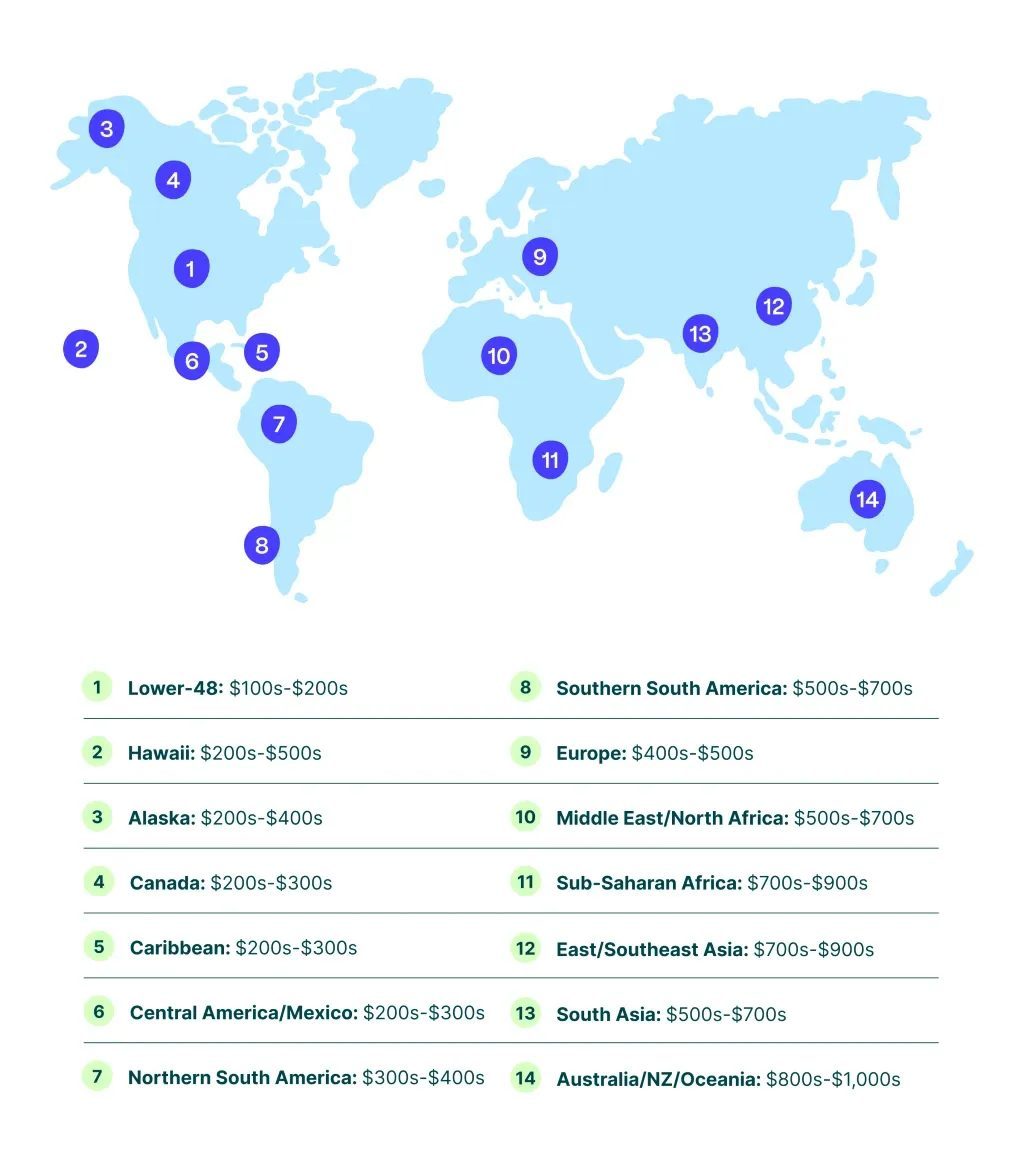
Route geography matters too. Some gateways are naturally cheaper and better connected. For example, flying from the U.S. East Coast to Europe or from the West Coast to Asia tends to be cheaper and more competitive than other long-haul routes, and cities like Miami are strong gateways to Latin America (source).
My rule of thumb: I always add the roundtrip cost and time of getting from each airport to where I’m actually staying. If the “cheap” airport adds more than $40–$60 and an hour each way, I usually skip it. Those cheap flight distant airport costs are exactly the kind of hidden costs of cheap flights that wreck a budget.
3. Basic Economy: The Fare That Punishes Every Normal Thing You Do
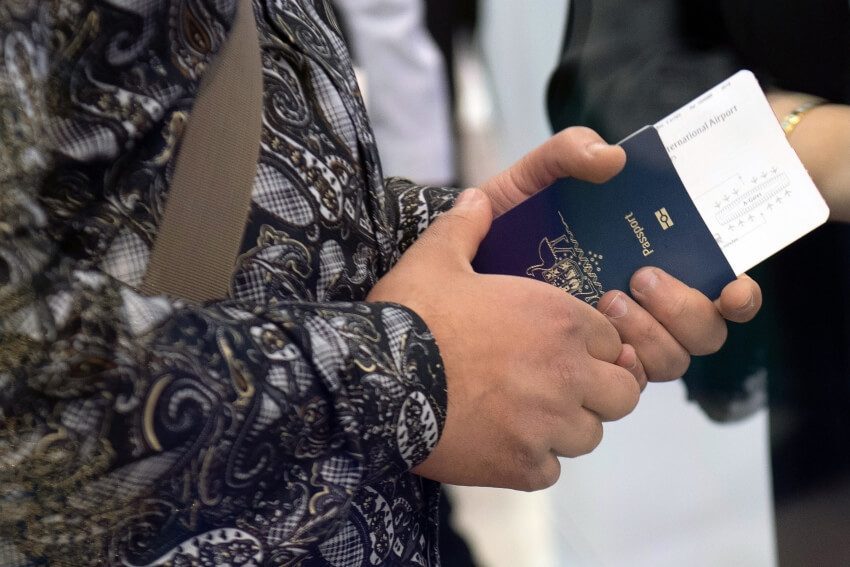
Basic economy is the classic trap. It’s designed to look cheap and feel painful.
On many airlines, basic economy means:
- No seat selection (or you pay extra).
- No changes or refunds, even for a fee.
- Little or no mileage earning.
- Fees for carry-ons or checked bags that used to be free.
So you book the lowest number you see. Then you add:
- $30–$80 for a seat you actually want.
- $30–$70 each way for a bag.
- Potentially hundreds of dollars if your plans change and you have to buy a whole new ticket.
Suddenly, that $180 basic economy ticket is a $320+ experience. Meanwhile, a $240 standard economy fare might have included a bag, seat selection, and the ability to change your flight for a modest fee.
Airlines use complex fare buckets and dynamic pricing to nudge you into these choices. As the cheapest buckets sell out, the price jumps, even though the seat is the same (source).
When I avoid basic economy:
- Trips with any chance of date changes (work, family, seasonal uncertainty).
- Trips where I know I’ll check a bag.
- Long-haul flights where seat choice matters for sleep and sanity.
Basic economy only makes sense to me when I’m traveling light, solo, and my dates are carved in stone. Otherwise, it’s a false economy and one of the easiest cheapest airfare mistakes to avoid.
4. Awkward Dates and Times That Inflate Everything Else
Sometimes the cheapest flight forces you into the most expensive days on the ground. That’s where airfare savings vs hotel and transport costs can flip on you.
Here’s how that happens:
- You pick a cheap Friday–Sunday flight, but hotels are 30–50% more on weekends.
- You fly during a local festival or big event because the airfare looks good, but everything else is surge-priced.
- You arrive late at night, so you miss the last train and pay for a taxi plus a full hotel night you barely use.
Data backs this up: flying Monday–Wednesday is usually cheaper than Friday–Sunday, and shifting a trip from peak summer to September or October can cut airfare by up to 40% (source). But the real savings often show up in hotel and activity prices, not just the ticket.
What I do before locking in a “cheap” date:
- Check hotel prices for my exact dates vs. a week earlier or later.
- Search
events in [city] [month]
to see if I’m accidentally landing during a major conference or festival. - Look at arrival time vs. check-in time. If I land at 11 p.m., I ask: is that first night worth it?
Sometimes paying $60 more for a flight that lands at 2 p.m. on a Tuesday saves me hundreds in hotels, taxis, and stress. That’s the kind of cost guide for choosing flights that actually matters.
5. The Long Layover That Eats a Day (and Your Budget)
Multi-stop itineraries with long layovers often show up as the cheapest option. But a 7–10 hour layover can quietly drain your wallet and your energy.
Think about what you actually do during a long layover:
- Buy multiple meals and snacks at airport prices.
- Pay for lounge access or a day room because you’re exhausted.
- Risk misconnecting if the first flight is delayed, which can mean hotel nights, rebooking fees, and lost prepaid reservations.
On top of that, you’re burning a full day of your trip in transit. That’s a day of vacation you’re paying for but not really using.
There’s also a risk factor: when airlines cut less-profitable routes or reduce frequency due to fuel costs or demand shifts, your options for rebooking shrink (source). A missed connection on a thin route can turn into an overnight stay you didn’t plan for.
How I evaluate layovers now:
- If a layover is more than 4–5 hours, I add at least $30–$50 to the “real” cost for food and comfort.
- I check how many flights per day operate on each leg. Fewer flights = higher risk.
- I compare the total travel time vs. a more expensive nonstop. Sometimes paying $80 more saves 8 hours and a lot of airport spending.
Long layovers can be great if you intentionally plan a stopover and actually explore a city. But if you’re just stuck in the terminal, that cheap ticket is buying you a long, expensive wait. This is a classic low fare long layover trade off.

6. Currency, Season, and the “Cheap Destination” Illusion
We tend to fixate on the flight price and ignore the bigger question: Is this destination cheap once I’m there?
Sometimes a flight is expensive but the destination is incredibly affordable. Other times, the flight is cheap but everything on the ground is eye-watering.
Factors that quietly matter:
- Exchange rates: A strong home currency can make Europe or Japan surprisingly affordable, even if the flight isn’t the cheapest option on your list.
- Local inflation: Some destinations have seen hotel and restaurant prices skyrocket, outpacing any savings you got on airfare.
- Seasonality: Peak season means higher prices for tours, attractions, and even basic services, not just flights.
Airfare is heavily influenced by macroeconomic factors like fuel prices, inflation, and demand cycles (source). But so is everything else you’ll pay for once you land.
How I sanity-check a “cheap” destination:
- Look up average daily costs (accommodation, food, transport) for each destination I’m considering.
- Multiply that by the number of days I plan to stay.
- Add the flight cost on top and compare total trip budgets, not just airfare.
More than once, I’ve chosen a slightly pricier flight to a cheaper-on-the-ground country and ended up spending less overall. It’s the perfect example of flight savings vs on the ground expenses working in your favor.

7. The “I Waited for a Better Deal” Trap
There’s one more way cheap flights backfire: waiting for a deal that never comes.
You see a decent fare, think It might drop,
and wait. Then demand spikes, fuel prices jump, or the cheapest fare buckets sell out. Suddenly the same flight is $150 more, and you’re stuck paying it because your dates are fixed.
Data suggests that for domestic flights, monitoring prices 3–4 months out and booking 1–3 months before departure tends to yield savings vs. last-minute purchases. For international trips, starting 7–8 months out and booking in the final month before departure often works best (source).
But here’s the key: the day you fly matters more than the day you book. If you’re flexible on dates and destinations, you can still find genuinely low fares, especially in shoulder seasons like fall and late winter (source).
How I avoid the waiting game backfiring:
- Set a target price based on historical norms, not wishful thinking.
- Use alerts (Google Flights, Going, etc.) and commit: when it hits my target, I book.
- Avoid ultra-rigid basic economy so I can rebook if prices drop and the airline allows credits.
Sometimes the cheapest trip is the one you book at a fair price, at the right time, and then stop obsessing over. Otherwise, when cheap flights cost more becomes your reality.
8. How to Judge a Flight by Its True Cost
When I’m comparing flights now, I don’t ask, Which ticket is cheapest?
I ask, Which option makes the whole trip cheaper and better?
Here’s the quick checklist I use before I click “buy” — my simple way of how to calculate true cost of a flight:
- Airport choice: How much and how long to get from each airport to my actual destination? Comparing cheap flights and airport transfers is non-negotiable.
- Time of day: Will I need an extra hotel night, expensive transport, or paid early check-in?
- Fare type: What will I realistically pay for bags, seats, and changes? Are there hidden travel fees lurking in the fine print?
- Layovers: How much will I spend in the airport, and what’s my risk if something goes wrong?
- Destination costs: Is this place cheap or expensive once I’m there?
- Season and events: Am I walking into peak pricing for everything else?
If a “cheap” flight fails that test, I skip it. Because in travel, the lowest fare isn’t the smartest choice. The smartest choice is the one that respects your time, your energy, and your total budget — not just the number on the booking screen. That’s how you avoid the classic expensive cheap flight traps and make your budget travel flight cost analysis actually work for you.