We’ve all done it. You spot a flight that looks insanely cheap, your heart jumps, and your brain whispers: Book it now, figure out the rest later.
But that headline fare is only one line in a much bigger equation.
If you actually want to travel cheaply—not just buy cheap flights—you need to think in terms of your door-to-door travel cost: from your front door to your bed at the destination and back again. That includes time, hassle, and risk, not just money.
Every time you travel, you’re making a series of choices. The trick is learning how to compare the flight price vs. door-to-door cost so a cheap ticket doesn’t turn into an expensive trip.
1. Are You Chasing a Deal or Planning a Trip?
Before you even look at flights, ask yourself something blunt: Am I choosing the destination, or is the airfare choosing it for me?
Letting a deal guide your plans can be smart. Travel expert Clark Howard’s top rule is to go where the deal is
. But he adds an important twist: when you see a great fare, you book it fast—then use the airline’s 24-hour free cancellation window to decide if the whole trip is actually affordable.
That 24-hour window is your option period. During it, you should:
- Check hotel prices for your dates (with taxes, resort fees, and any mandatory charges).
- Price out rental cars or alternatives like Turo, rideshares, and public transit.
- Look at food and activity costs for that destination.
If the total looks ugly, cancel the flight and walk away. No harm, no FOMO.
This mindset shift is huge: you’re not buying a cheap flight, you’re buying a total trip. The flight is just the hook. The true cost of cheap flights only makes sense when you see the rest of the bill.
2. The Real Cost of a “Cheap” Flight: Fees, Airports, and Time
When I compare flights now, I don’t ask, Which ticket is cheapest?
I ask: What will it actually cost me to get from my door to my destination door?
That means building a quick, honest breakdown of your door-to-door travel cost:
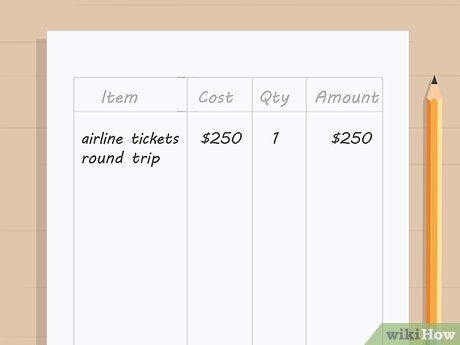
- Base fare – The price you see on the search results.
- Mandatory extras – Bags, seat selection, basic Wi‑Fi, early boarding, priority check-in.
- Airport transfers – To and from both airports, including surge pricing, parking, shuttles, or trains.
- Time cost – Extra layovers, overnight connections, or flying into a far-away airport.
- Risk cost – Tight self-made connections, unreliable budget carriers, separate tickets.
Budget airlines are the classic trap. They advertise a rock-bottom fare, then quietly add:
- Carry-on and checked bag fees (sometimes each way)
- Seat selection fees—even just to avoid the middle seat
- Change fees and steep same-day costs
- Transfers from secondary airports that are far from the city center
On top of that, many ultra-low-cost carriers have fewer flights per day and smaller fleets. When something goes wrong, you might be stuck for hours—or overnight—because there’s no backup aircraft or crew. That’s not just money; that’s lost vacation time, missed meetings, and stress.
So when you see a $79 fare and a $140 fare, don’t compare $79 vs. $140. Compare:
- $79 + bags + seat + airport transfers + extra hours + disruption risk
- vs. $140 with fewer fees, better schedule, and more reliable operations
Once you factor in budget airline extra fees and airport transfer costs to the city, the “expensive” ticket is often cheaper in real life.

3. Door-to-Door: How to Actually Do the Math
Let’s get practical. Here’s a simple way to estimate the door-to-door cost for any trip, whether you’re flying or driving. Think of it as your own total trip cost calculator—but in human form.
Step 1: List every cost category
Borrowing from guides like this breakdown on travel costs, start with:
- Flights (or train/bus)
- Airport transfers and local transportation
- Accommodation (nightly rate + taxes + fees)
- Food and drinks
- Activities and attractions
- Insurance, visas, and other admin costs
- Random extras (tips, SIM cards, currency exchange fees)
Put everything in one place—spreadsheet, notes app, whatever works. The key is to see the whole picture at once, not just the flight price.
Step 2: Put real numbers on the big items
Don’t guess if you don’t have to. For flights, use comparison tools and flexible date searches. For hotels, check a couple of booking sites plus the hotel’s own site to see the real total with taxes and resort fees.
For driving, estimate fuel using distance, your car’s fuel efficiency, and current gas prices. Tools like Travelmath’s driving cost calculator let you plug in your own mileage and fuel price to get a realistic number. (Just use it manually; their terms don’t allow automated scraping or reuse.)
This is where you start to compare cheap vs direct flights, or even flying vs driving, on something more solid than a hunch.
Step 3: Add a simple food rule
Food is where people either wildly overestimate or underestimate. A simple rule of thumb:
- Budget travel: $25–$35 per person per day in cheap destinations, more in expensive cities.
- Mid-range: 2 restaurant meals + 1 cheap meal or groceries.
Then add a small buffer for snacks, coffee, and the inevitable We’re tired, let’s just eat here
moment. Those last-minute choices are part of the true cost of cheap flights too, because long layovers and awkward arrival times often push you into pricier food options.
Step 4: Don’t forget the boring stuff
This is where trips quietly get expensive:
- Travel insurance
- Visa fees and vaccinations
- Parking at the airport or hotel
- Resort fees, Wi‑Fi charges, and paid breakfasts
- Currency exchange and ATM fees
Individually, these look small. Together, they can erase the savings from that cheap flight. Ignoring them is one of the most common mistakes when choosing the cheapest flight.
4. Drive or Fly? The Hidden Tradeoffs
Sometimes the real question isn’t Which flight?
but Should I fly at all?
To compare driving vs. flying, I look at three things.
1. Direct money cost
- Driving: Fuel + tolls + parking + potential hotel if it’s a long drive.
- Flying: Ticket + bags + airport transfers + parking at your home airport.
Driving calculators (like the one on Travelmath) let you plug in your car’s fuel efficiency and current gas prices to get a realistic fuel estimate. Then add 10–15% as a buffer for traffic, detours, and price changes.
Only after that do I compare the flight cost vs travel time and the cost of driving. Until then, it’s just guesswork.
2. Time and flexibility
Door-to-door, a “short” flight can easily turn into 6–8 hours once you add:
- Getting to the airport
- Arriving early for security
- Boarding, taxiing, and deplaning
- Getting from the arrival airport to your final stop
A 5–6 hour drive might actually be faster, especially on routes with bad connections or secondary airports. And driving gives you flexibility: leave when you want, pack what you want, stop when you want.
When you compare flight price vs door-to-door cost, this time factor matters just as much as the dollars.
3. Overnight costs
Long drives sometimes require a hotel stop. That can flip the math. A cheap road trip becomes less cheap when you add a $120 roadside hotel, dinner, and breakfast. On the flip side, a late-night arrival by plane might mean an extra hotel night you didn’t plan for.
The key is to compare door-to-door time and cost, not just miles vs. airfare. Otherwise, you’re not really comparing driving vs flying—you’re just comparing two random numbers.
5. When a Nonstop Flight Is the Cheapest Option (Even When It’s Not)
Nonstop flights often look more expensive on the screen. But if you value your time—or need to work while traveling—they can be the best deal.
Here’s what I factor in when I compare cheap vs direct flights:
- Extra layovers = extra meals and coffee. That’s real money.
- More segments = more chances for disruption. Miss one connection and you might lose a whole day.
- Wi‑Fi and productivity. If I can work on a nonstop with reliable Wi‑Fi, that’s worth more than saving $40 on a multi-stop itinerary with spotty or expensive internet.
Some airlines charge for Wi‑Fi, some don’t. Some credit cards reimburse in-flight Wi‑Fi or incidentals, but only if the charge codes correctly. So I ask:
- Will I actually be able to work on this flight?
- Is the Wi‑Fi cost offset by a card benefit?
- How much is my time worth on this particular trip?
Once you put a rough value on your time, a $60–$100 premium for a nonstop often looks like a bargain. On paper, the connecting flight is cheaper. In real life, the nonstop wins.

6. Reliability, Risk, and the Cost of Things Going Wrong
Most people only price the trip where everything goes right. I try to price the trip where something goes wrong at least once.
Here’s what I look at, especially with budget airlines and long connections:
- Fleet size and frequency. If an airline has one flight a day on your route, a mechanical issue can mean a 24-hour delay.
- Customer service. Is there a real phone number? A functional app? Self-service rebooking? Or just a chatbot and an email form?
- Ticket structure. Are you on one ticket or multiple separate tickets with different airlines?
Cheap separate tickets on different budget airlines are especially risky. If your first flight is delayed and you miss the second, the second airline usually doesn’t care. They’re not obligated to rebook you. That “cheap” routing can turn into a last-minute walk-up fare that destroys your budget.
Those are the cheap flight hidden costs people forget: not just fees, but the price of getting stranded.
So I ask myself:
- If this flight is canceled, how painful is it to get rebooked?
- Is saving $50 worth the risk of losing a whole day of my trip?
Sometimes the answer is yes. Often, it’s not.
7. A Simple Framework You Can Reuse for Every Trip
To keep myself honest, I use a quick framework before I book anything. It’s my way to price a full trip, not just flights:
- Define the trip, not the ticket. Where am I going, for how long, and what do I want to do there?
- Estimate door-to-door time and cost for each option. Include transfers, layovers, and realistic buffers.
- Price the big four: transport, accommodation, food, activities.
- Add the boring stuff: insurance, visas, fees, parking, Wi‑Fi, tips.
- Stress-test the plan. What happens if a flight is delayed, a bag is lost, or a connection is missed?
- Decide where to splurge and where to save. Maybe you splurge on a nonstop and save by cooking a few meals. Or you take a slower route but stay somewhere nicer.
The goal isn’t to eliminate every surprise. It’s to avoid the big, predictable ones—the ones that turn a cheap flight into an expensive, stressful trip.
Next time you see a jaw-dropping fare, pause for a second. Ask yourself: What is the door-to-door cost of this trip?
Run the numbers. If it still looks good, then book it—and enjoy knowing you’re getting a real deal, not just a low number on a screen.