I’ve lost count of how many times I’ve seen a “$49 flight!” and almost booked on impulse. Then I start adding bags, airport transfers, food, and suddenly that cheap flight is… not cheap at all.
If you’ve ever landed at your destination and thought, How did this trip get so expensive?
, this guide is for you. Let’s walk through how to compare the real cost of flying, not just the ticket price, and how tools like the GetOut Trip Cost Estimator can sanity-check your budget before you hit “book”.
1. The Airline Price Tag Is a Trap (If You Stop There)
When I look at flights now, I assume the headline price is only half the story. Sometimes less.
Cheap fares are often cheap because of everything that’s not included. That’s where the hidden costs of cheap flights creep in and wreck your budget.
Here’s what I mentally add on top of the ticket before I decide if a flight is actually cheap:
- Bags: Carry-on, checked, sports gear, “priority” boarding that’s really just a bag fee in disguise. Low cost airline extra fees add up fast.
- Seat selection: Especially on long-haul. The middle seat in the back row might be free, but what’s that worth to you on a 10-hour flight?
- Payment fees: Some budget airlines quietly add card or “service” fees at the last step.
- Airport choice: Secondary airports can be far away and expensive to reach, even if the ticket is cheap.
- Time cost: Red-eyes, long layovers, extra nights of accommodation because of awkward flight times.
So when I see a cheap fare, I don’t ask, Is this flight cheap?
I ask: What will this flight make the rest of my trip cost?
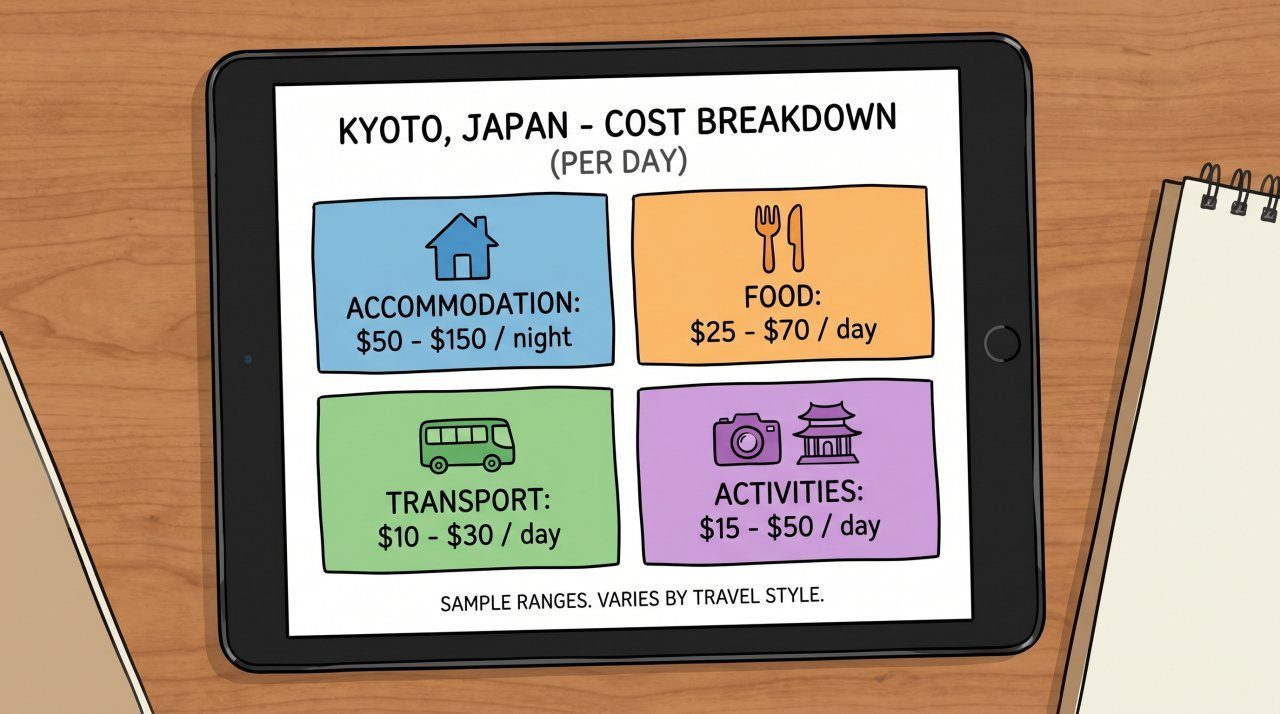
This is where a structured view of the whole trip helps. Tools like the GetOut Trip Cost Estimator break your trip into accommodation, food, transport, and activities with low–high ranges. It’s a quick way to compare total trip cost, not ticket price.
As a rule of thumb, if the flight is creeping up to 30–40% of the total trip cost, that “deal” might not be so great. That’s usually my first warning sign that I’ve fallen for a classic cheap airfare booking mistake.
2. The Airport You Choose Can Double Your Ground Costs
Two flights can be the same price, but the airport they land at can quietly change your budget by hundreds. This is one of the easiest cheap flight traps to avoid, and one of the most overlooked.
When I compare flights, I always ask:
- How far is the airport from where I actually want to stay?
- What’s the realistic cost of getting from the airport to my accommodation? Not the best-case scenario, the normal one.
- What time do I land? Late arrivals often mean taxis instead of cheap public transport.
Here’s a simple way I compare two “similar” flights:
- Flight A: $80 ticket to a far-out airport + $35 taxi each way + late-night arrival.
- Flight B: $120 ticket to the main airport + $5 train + daytime arrival.
On paper, Flight A is cheaper. In reality, it’s $80 + $70 = $150 vs $120 + $10 = $130. And that’s before I factor in the stress of arriving at midnight.
When I use the trip cost estimator, I plug in my origin and destination and look at the transport range it gives me. If the upper range for local transport is high, that’s a hint that a “cheap” flight to a distant airport could blow up my ground costs. It’s a good reminder to compare the total price of flying, not just the fare.
3. Solo vs Group: The Same Flight, Totally Different Trip Cost
One of the biggest mistakes I see people make is comparing flight prices without thinking about who they’re traveling with.
The flight might be the same price per person, but the rest of the trip behaves very differently for:
- Solo travelers: You pay for the whole room, the whole taxi, the whole tour.
- Couples or groups: You split rooms, taxis, and private tours. Your per-person cost drops fast.
The GetOut estimator models this really well. When I change the number of travelers, I can literally see:
- Accommodation per person dropping as rooms are shared.
- Private transfers becoming cheaper per person than shared shuttles once you hit 3–4 people.
- The gap between Standard and Luxury shrinking for groups, because nicer private options are split.
This matters when I’m choosing flights. If I’m solo, I might prioritize a flight that lands near a hostel-heavy area or a city with great public transport, because I know I’m paying a solo premium on everything else.
If I’m in a group of four, I’m more open to a slightly more expensive flight that lands at a smaller airport, because we can split a private transfer and still come out ahead. The same ticket price can lead to a very different overall travel cost depending on group size.
The question I ask myself is: Given my group size, does this flight make the rest of the trip cheaper or more expensive per person?
4. Seasonality: When a Cheap Flight Leads to an Expensive Week
Sometimes the flight is cheap because everything else is expensive.
Low-cost carriers love to dangle off-season or awkward-season fares. But the real budget swing usually comes from:
- Accommodation: Peak season can be 40–70% more expensive in places like Southeast Asia and Europe.
- Activities: Tours, tickets, and experiences often surge in high season.
- Food & transport: Not always huge, but tourist hotspots can bump prices when demand spikes.
When I plug a trip into the Trip Cost Estimator, I always play with the month slider. It’s eye-opening to see how the total trip cost shifts between:
- Peak season: Great weather, high prices, crowded.
- Shoulder season: Often the sweet spot. Lower prices, still decent weather.
- Low season: Cheap, but maybe bad weather or limited activities.
Here’s the key move: I compare two scenarios for the same destination:
- Cheap flight in peak season + high on-the-ground costs.
- More expensive flight in shoulder season + much lower daily costs.
More often than you’d think, the “expensive” flight in shoulder season wins once you add up accommodation, food, and activities for the whole trip. It’s a classic example of why you should compare total trip cost, not ticket price.
5. Budget Tier: Why “Upgrading” Sometimes Saves Money
Weird truth: sometimes choosing a higher budget tier for your trip can make a cheap flight look like a bad decision.
In the estimator, you can pick a budget tier (Standard vs Luxury, etc.). When I bump my budget tier up for a group trip, I often see:
- Per-person accommodation cost doesn’t rise as much as I expect, because we’re splitting nicer places.
- Private transfers and tours become better value than group options once divided by 3–4 people.
- The total trip cost doesn’t explode, but the experience improves a lot.
Now, connect that to flights:
- If I’m going “Standard” and solo, I might fight hard for the cheapest possible flight and watch every flight baggage and seat selection fee.
- If I’m going “Standard+” or “Luxury” with a group, I’m more willing to pay extra for a flight that lands at a better airport, at a better time, because the rest of the trip is already optimized and shared.
The real question becomes: Does saving $40 on the flight actually matter if I’m already spending $1,200 on a mid-range week?
Often, the answer is no. I’d rather pay a bit more for a flight that reduces stress and hidden costs on the ground.
This is where comparing cheap flights vs full service airlines gets interesting. Sometimes the full-service option, with bags and meals included, ends up closer in total price once you factor in all the budget airline hidden charges.
6. Daily Budget Reality Check: Map the Flight to the Itinerary
Here’s where most people go wrong: they treat the flight as a separate decision from the itinerary. I try to do the opposite.
My process looks like this:
- Use the Trip Cost Estimator to get a daily low–high range for accommodation, food, transport, and activities.
- Multiply by the number of days to get a realistic trip total (excluding flights).
- Then ask:
Given this total, what percentage of my budget do I want the flight to be?
For example, if my non-flight costs are estimated at $900–$1,200 for a week, I might decide:
- I’m okay with the flight being 20–30% of the total trip cost.
- So my target flight budget is roughly $225–$360.
Now, when I see a $150 flight with terrible times and a $280 flight with great times and a better airport, I can make a calm decision. Both are within my flight budget band. I’m not just chasing the lowest number; I’m choosing the option that makes the whole trip work better.
If you pair the estimator with an itinerary planner (even a simple spreadsheet), you can map that daily budget onto a day-by-day plan. That’s when you really see how much a 6 a.m. flight or a midnight arrival will cost you in extra nights, taxis, and wasted days.
It’s also where the cost of airport transfers and luggage becomes very real. One awkward flight time can ripple through your entire schedule and budget.
7. A Simple Framework to Compare “Cheap” Flights vs Real Trip Cost
When I’m stuck between two or three flight options, I run them through this quick framework. You can literally do this on a napkin.
- Start with the ticket price.
Write down the base fare for each option. - Add flight-specific extras.
Bags, seat selection, payment fees, airport transfers (realistic ones, not wishful thinking). This is where most low cost airline extra fees and cheap ticket vs overall travel cost gaps show up. - Estimate daily trip costs.
Use something like the Trip Cost Estimator to get low–high ranges for your dates, destination, group size, and budget tier. - Adjust for flight timing.
Does an early or late flight force you into an extra night of accommodation or a taxi instead of a bus? Add that. - Look at the total per person.
Now compare: Flight A trip total vs Flight B trip total, not just the ticket.
Only then do I ask: Which option gives me the best experience per dollar?
Not the cheapest flight. The best trip.
Once you start thinking this way, those “$29 flash sale!” emails feel less exciting and more like what they really are: invitations to do the math.
If you want a quick way to sanity-check your next “cheap” flight, plug your dates, destination, and group size into the Trip Cost Estimator first. See what the rest of the trip will cost you. Then decide if that bargain fare is actually a bargain when you compare the flight price vs total trip budget.