I’ve lost count of how many times I’ve watched people overpay for a simple metro ride or taxi just because they picked the wrong way to pay. A 2–3% fee here, a bad exchange rate there, and suddenly your “cheap” trip isn’t so cheap.
This guide is about one thing: finding the cheapest way to pay for transport abroad – buses, metros, taxis, ride-hailing apps, trains, ferries – without getting buried in fees or stuck at a ticket machine that refuses your card.
As you read, keep asking yourself: What do I actually use most when I travel – and is it quietly costing me more than it should?
1. Start with the country: is it cash-first or cashless?
Before you decide between cash, card or app, you need to know what the country itself prefers. Local transport systems usually mirror local habits.
Some places are racing towards cashless. Think Sweden, parts of China, Brazil, the UK, the Netherlands. In these countries, you can often tap your card or phone directly at metro gates, buses and even on long-distance trains. In others – like Germany, Italy, parts of Eastern Europe and many developing countries – cash is still king, especially for local buses, minibuses and small-town taxis.
Here’s a simple way to frame it when you’re working out how to pay for buses and metro overseas:
- Highly cashless countries (e.g. Sweden, Denmark, UK, urban China): expect to pay for most transport with contactless cards or apps. Some buses and ticket offices may even refuse cash.
- Mixed systems (e.g. France, Spain, Portugal, much of Western Europe): big-city transport is card/app-friendly, but rural buses, small-town taxis and older ticket machines may still want cash.
- Cash-heavy countries (e.g. parts of Germany, Italy, Czechia, Balkans, many developing countries): local buses, shared taxis, minibuses and informal transport often run on cash only.
So the first step is boring but powerful: Google “how do locals pay for transport in <destination>”. Look for clues like “tap-to-pay accepted”, “cash only buses”, or “buy tickets via app”. That one search can save you a lot of trial and error and is often the quickest way to spot the best payment method for city transport travel where you’re headed.
2. Cash vs card for tickets and passes: where do you actually save?
You’re at a metro station abroad. The line behind you is growing. Do you pay cash at the machine, or tap your card?
Here’s the cash vs card for public transport trade-off in plain language:
- Cash can help you avoid foreign transaction fees and nasty dynamic currency conversion (DCC) when a machine or vendor offers to charge you in your home currency at a terrible rate.
- Cards usually give you a better exchange rate than airport exchange counters and many currency booths, plus they’re safer and easier to track.
The catch? Fees. Many banks still charge 1–3% per foreign card transaction. Some debit cards add a minimum fee per transaction, which makes lots of small transport payments (like €2 metro rides) surprisingly expensive. That’s where the cost of using a credit card on the metro overseas can sneak up on you.
For everyday tickets and passes, this is the rule of thumb that keeps my travel money for local transport under control:
- Use a no-foreign-transaction-fee card (or app-based bank like Revolut, Wise, N26, Monzo) for most tickets and passes. The FX rate is usually close to the interbank rate.
- If your card charges 2–3% FX fees, consider buying bigger items (weekly passes, intercity train tickets) with the card and small rides with cash, especially if your bank also charges a minimum fee per transaction.
- Whenever a machine or ticket office asks
Pay in your home currency?
Say no. Always choose the local currency. That avoids DCC, which is almost always worse than your bank’s rate.
In other words, the cheapest option is rarely “all cash” or “all card”. It’s usually a hybrid: card for bigger, less frequent payments; cash for tiny, frequent ones if your card fees are ugly. That balance is often the real cheapest way to pay for transport abroad.
3. ATMs, exchange booths and apps: where to get cheap transport cash
Even in the most card-friendly cities, I still carry some local cash for transport. Public toilets, small buses, old ticket machines, tips for drivers – they all add up.
The question is: where do you get that cash without burning money on fees?
Here’s the hierarchy I use, from cheapest to most expensive in most cases:
- Low-fee ATM with a good bank or app-based account
Banks like Charles Schwab, Ally, and app-based banks like Revolut or Wise often offer fee-free or reimbursed ATM withdrawals and decent FX rates. If you can, set one of these up before you travel. - Regular bank ATM in town
Avoid independent ATMs (like Euronet in Europe) and tourist-area machines. They often add hidden markups and bad rates. Look for ATMs attached to major banks instead. - Online currency orders before you leave
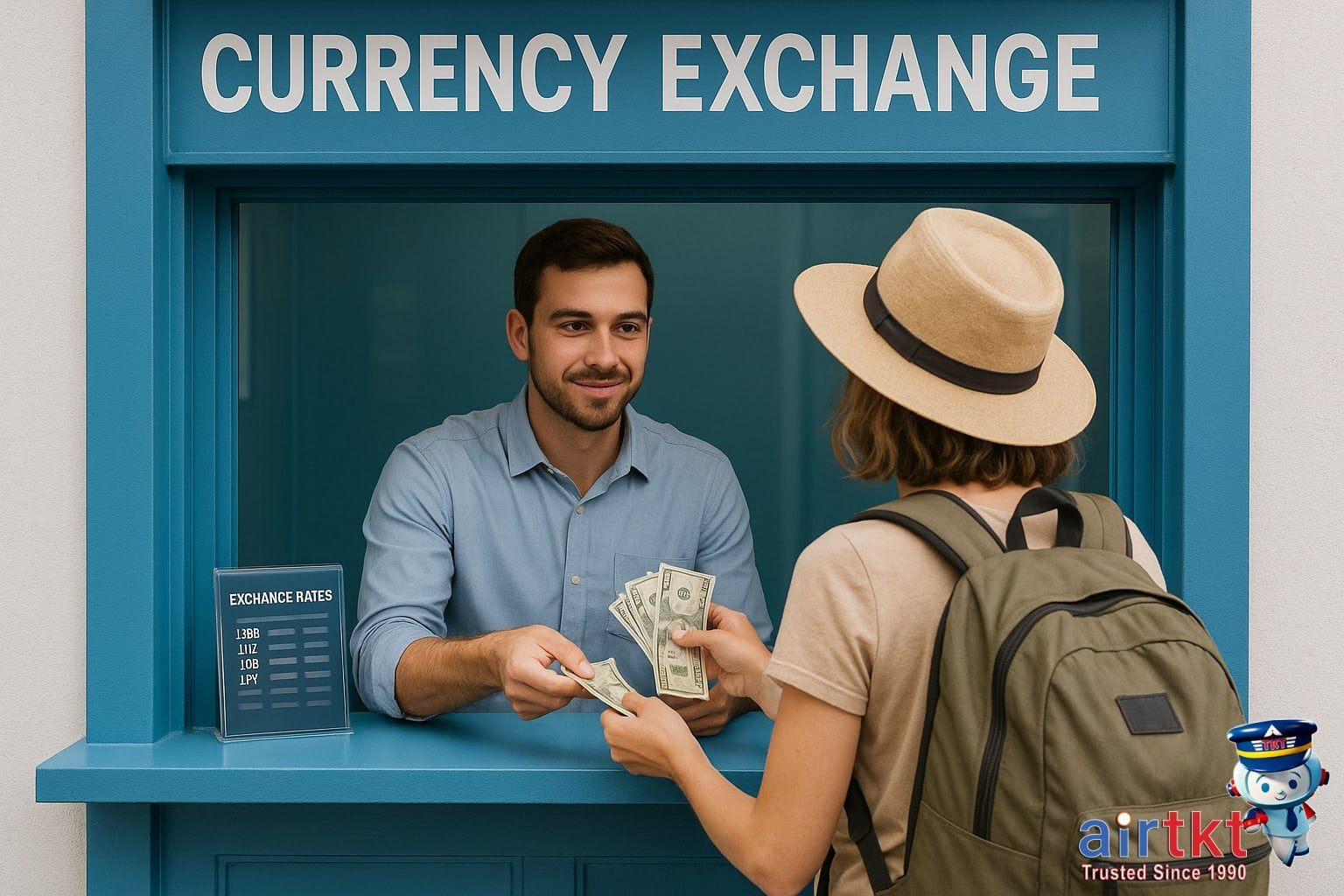
Some services let you order foreign cash online at better rates than airport kiosks, then pick it up at a branch or airport. This is handy if you want enough cash for your first day’s transport. - Airport exchange counters
I treat these as a last resort. They often have poor rates and high fees. If you must use them, change a small amount – just enough to get into town – then use ATMs later.
Two more money-saving details:
- Use a debit card, not a credit card, for ATM withdrawals. Credit card cash advances usually start charging interest immediately and may add extra fees.
- Withdraw fewer, larger amounts if your bank charges a flat fee per withdrawal. One €200 withdrawal with a €3 fee is cheaper than four €50 withdrawals with €3 each.
For transport specifically, I like to calculate: How much cash do I need for buses, trams and taxis over the next 2–3 days?
Then I withdraw that amount plus a small buffer, instead of hitting the ATM every day. It keeps your transport payment mistakes when traveling to a minimum.
4. Taxis, ride-hailing and local drivers: who really wants cash?
This is where the cash vs card vs app question gets messy. You’ve got:
- Official taxis
- Ride-hailing apps (Uber, Bolt, Grab, DiDi, etc.)
- Informal or shared taxis (minibuses, colectivos, tuk-tuks)
Each behaves differently when it comes to payment.
Official taxis in big cities increasingly accept cards, but not always. Some drivers “prefer” cash and may claim the card machine is broken. Others genuinely don’t have one. In many countries, airport taxis and city cabs still run on cash.
Ride-hailing apps are usually the cheapest and cleanest option for payment. You pay in the app, often at a good FX rate, and you avoid awkward cash negotiations. But you need:
- Mobile data or Wi‑Fi
- A card that works with the app in that country
- Sometimes, a local phone number
Informal transport – shared taxis, minibuses, local vans – is almost always cash only. This is where small bills matter. Try paying a $1 ride with the equivalent of $50 and see how popular you become.
To keep costs down, and to avoid overpaying on international transport payment without realising, I use this simple approach:
- Check in advance if taxis in your destination commonly accept cards. Forums and recent blog posts are gold for this.
- Install local ride-hailing apps before you go (Bolt in parts of Europe, Grab in Southeast Asia, etc.). Add your card and test a small ride early in the trip.
- Keep a stash of small notes specifically for taxis and informal rides. It’s not just practical; it also avoids “no change” games.
And one more thing: tips. In many countries, tipping taxi drivers is done in cash, even if the ride itself is paid by card or app. If you like to tip, factor that into how much cash you carry.
5. Contactless cards and mobile wallets: the sweet spot for city transport
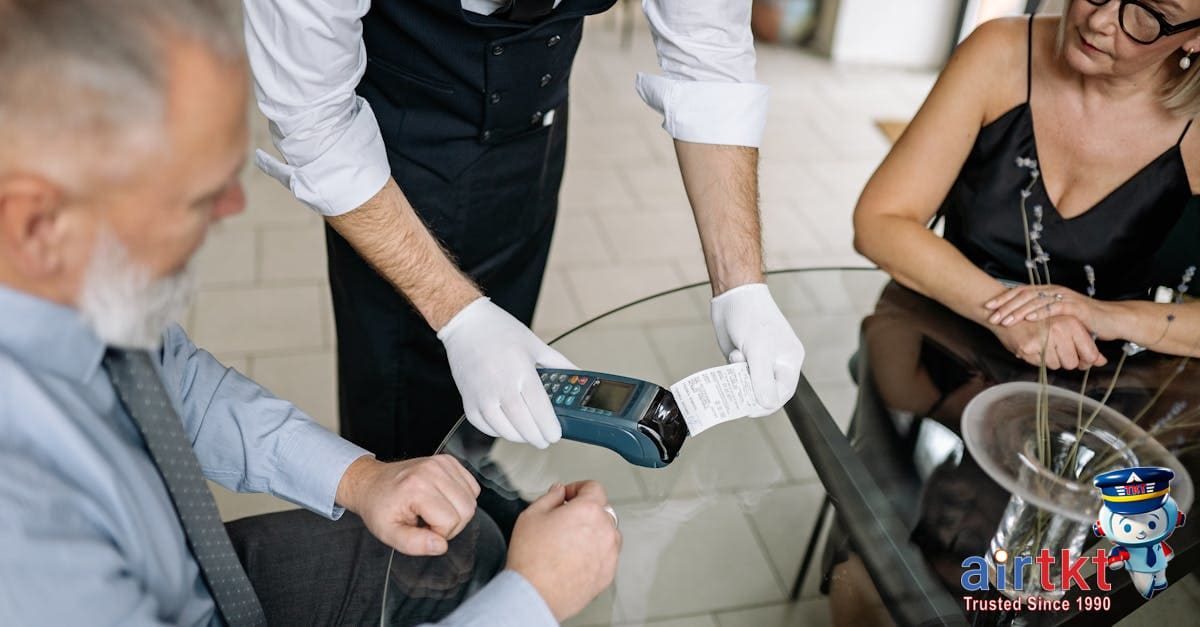
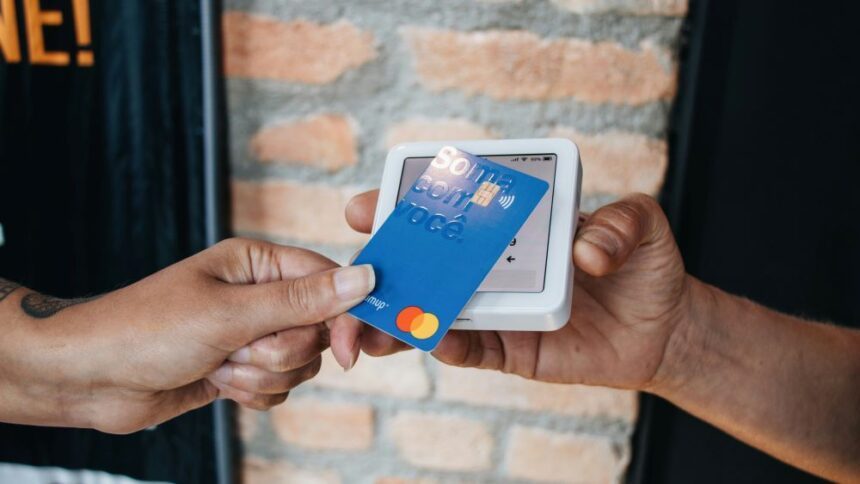
In a lot of major cities now, the cheapest and easiest way to pay for transport is simply to tap your card or phone at the gate.
London, New York, Singapore, Sydney, many European capitals – they all let you use contactless Visa/Mastercard or mobile wallets (Apple Pay, Google Wallet, Samsung Pay) instead of buying a separate transport card. Often, the system automatically caps your daily or weekly spend, so you don’t overpay.
Why I like this for transport, especially when comparing transport payment apps vs cards and local passes:
- No leftover credit on a local card you’ll never use again.
- No queues at ticket machines.
- Automatic best fare in many cities (daily caps, off-peak discounts, etc.).
- Better security – if your phone or card is lost, you can block it; if cash is gone, it’s gone.
But there are two caveats:
- If your card charges foreign transaction fees, every tap adds that percentage. Over a week of daily commuting, that can add up and quietly turn a convenient contactless card for international transport into an expensive habit.
- Some banks treat certain transport top-ups as cash-like transactions, which can trigger extra fees. It’s rare, but worth checking your card’s fine print.
My compromise: I link a no-FX-fee card to my mobile wallet and use that for transport. If I don’t have one, I calculate whether the convenience is worth the extra 1–3% compared to using cash for short trips. Sometimes the time saved is worth the fee; sometimes it isn’t.
6. Multi-currency apps and travel cards: when do they beat your bank?
App-based banks and multi-currency cards (Revolut, Wise, N26, Monzo, etc.) are everywhere now. They promise better exchange rates, low or no FX fees, and cheap ATM withdrawals. For transport, they can quietly change how you pay.
Here’s how they help specifically with getting around and keeping your public transport cost under control:
- You can load local currency in advance when rates are good, then spend directly in that currency on tickets, passes and apps.
- They often support contactless payments, so you can tap in and out of metros and buses like a local.
- Some offer fee-free ATM withdrawals up to a limit, which is perfect for topping up your transport cash.
But they’re not magic. Watch for:
- Monthly free FX limits. After a certain amount, they may start charging a percentage fee.
- Weekend markups on currency exchange.
- ATM limits and fees after a certain number of withdrawals.
For most travelers, the sweet spot looks like this:
- Use a multi-currency app or travel card for day-to-day transport spending (tickets, passes, ride-hailing).
- Keep a backup credit card with low FX fees for bigger purchases (long-distance trains, car rentals) and emergencies.
- Carry a small amount of cash for the gaps – rural buses, tips, and places where tech fails.
It’s not about being fancy. It’s about not donating 5–10% of your transport budget to banks and exchange booths for no good reason. A little planning turns an international transport payment comparison into real savings.
7. Build your own “transport wallet” before you fly
Let’s pull this together into something practical. Before your next trip, build a simple transport wallet strategy instead of just hoping your usual card will work.
Here’s a checklist I actually use when I’m deciding how to pay for local transport cards vs cash tickets and everything in between:
- 1–2 main cards with low or no FX fees (ideally from different networks, e.g. Visa + Mastercard).
- 1 app-based account (Revolut, Wise, N26, Monzo or similar) set up and tested, with a small balance loaded.
- Local transport research: do they accept contactless? Is there a local app? Are buses cash-only in rural areas?
- Initial cash: enough for the first 24 hours – airport to city, a couple of metro rides, maybe a snack.
- ATM plan: which bank or app you’ll use, what the fees are, and how often you’ll withdraw.
- Backup plan: what you’ll do if your main card is declined – second card, cash stash, or app.
Then, once you’re on the ground, keep asking yourself:
Is this a small, frequent payment?
If yes, cash or a low-fee app card is usually cheaper.Is this a big, one-off purchase?
If yes, a good credit card with no FX fees is often best.Am I being offered to pay in my home currency?
If yes, say no and choose the local currency.
Transport is one of the easiest places to leak money quietly. But with a bit of planning – and a healthy skepticism of “convenient” options – you can move around like a local, pay like a pro, and keep more of your budget for the fun stuff.