

I’ve lost sleep in all kinds of ways on the road: traffic outside a cheap city hostel, mystery stains on a “bargain” mattress, a gorgeous sea-view room where the club downstairs only shut at 4 a.m. Every time, the pattern was the same: I tried to save money, but I didn’t think clearly about how I was saving it.
This is the version of me that finally learned. It’s about choosing places that are kind to your wallet and your sleep, without getting sucked into glossy photos or rock-bottom prices that hide nasty surprises. If you’ve ever wondered how to choose budget accommodation without hating your life at 2 a.m., you’re in the right place.
1. Decide What You Actually Need to Sleep Well (Before You Open Any App)
Most people start with booking sites. I start with a list.
If you don’t know your non‑negotiables, the algorithm will decide for you. And it doesn’t care if you sleep.
Grab a note on your phone and split it into two columns:
- Must‑haves – things that directly affect your sleep and sanity.
- Nice‑to‑haves – things that are pleasant, but you can live without.
For most travelers, sleep‑related must‑haves look like:
- Reasonably quiet at night (no club downstairs, no 24/7 highway right outside).
- Clean bed and linens (recent reviews should confirm this).
- Safe neighborhood and building (you can relax enough to sleep).
- Temperature you can control (AC or heating that actually works).
Nice‑to‑haves might be:
- Great view.
- Instagrammable decor.
- Pool, gym, rooftop bar.
- Daily housekeeping.
Now the uncomfortable question: What have I paid for in the past that didn’t actually make my trip better?
A sea view you barely saw because you were out all day? A central location when you mostly used Uber anyway?
Once you’re clear on this, you can trade aggressively: sacrifice the things that don’t matter to you, and protect the ones that do. That’s how you get affordable accommodation without sacrificing comfort—cheap but not miserable.
2. Set a Realistic Budget So You Don’t Panic-Book Garbage
Most “budget disasters” happen before you even search for a room. You under-budget, then panic when you see prices, then grab the worst cheap option left.
Here’s a simple way to figure out how much to spend on accommodation per night without guessing:
- Estimate your total trip cost (transport + food + activities + accommodation).
- Allocate 30–50% of that to accommodation, depending on destination and comfort level.
- Divide by nights to get a real nightly range (e.g., $35–$50 per night).
Then I ask:
If I go $10 cheaper per night, what am I likely to lose?
If I go $10 more expensive per night, what do I actually gain?
Over a 7‑night trip, that $10 difference is $70. Worth it for a quieter room and better mattress? Often, yes. Worth it for a slightly nicer lobby? Probably not.
Use booking platforms (Booking, Agoda, Expedia, etc.) just to scan the price landscape first. Don’t fall in love with any property yet. You’re just answering: What does a decent, well‑reviewed place cost in this city, on my dates?
If everything decent is way above your range, you don’t need a miracle deal. You need to adjust something bigger: destination, dates, or location. That’s the real accommodation cost guide for travelers—not a magic number, but a set of trade‑offs you choose on purpose.
3. Choose the Right Type of Stay for Your Sleep Style
Not all “cheap” is the same. A $25 hostel bed and a $25 guesthouse room are completely different experiences.
Here’s how I think about the main options when I’m comparing a budget hotel vs hostel or other stays:
- Hostels – Best when you want to save hard and don’t mind some noise. Dorms are the cheapest; private rooms can still be good value. Great for solo travelers who like social spaces, but check reviews for
party hostel
vsquiet
. - Budget hotels – More privacy, usually more predictable sleep. Good for couples, light sleepers, or short trips where you need to be rested.
- Guesthouses & homestays – Often owner‑run, homely, and quieter. Standards vary, but you can find gems with great sleep quality and local insight.
- Short‑term rentals (e.g., Airbnb‑style) – Can be ideal for longer stays or groups: more space, kitchen, sometimes laundry. But watch for hidden fees and inconsistent quality.
The key is to match the type to your sleep personality:
- If you’re a light sleeper, a party hostel dorm is a terrible idea, no matter how cheap.
- If you’re social and flexible, paying double for a sterile hotel might be a waste.
- If you’re traveling with kids, you probably want space, quiet, and a safe area more than a rooftop bar.
When you search, filter by type first. Don’t let a cheap dorm bed distract you if you already know you won’t sleep in it. That’s the core of balancing comfort and price in hotels and hostels: pick the format that fits your body and your brain, not just your wallet.

4. Use Location to Save Money Without Sacrificing Sleep
Location is where most people overpay or destroy their sleep.
Staying in the absolute center sounds smart. But the center is often:
- Noisier (bars, traffic, late‑night crowds).
- More expensive per night.
- Full of tourist traps and mediocre food.
On the other hand, staying too far out can mean long, exhausting commutes that eat your time and energy.
What I look for instead is the second‑best location:
- A neighborhood or nearby town that’s one or two transit stops away from the main sights.
- Good public transport or cheap rideshares.
- Local restaurants and supermarkets nearby.
- Reviews that mention
quiet at night
orresidential area
.
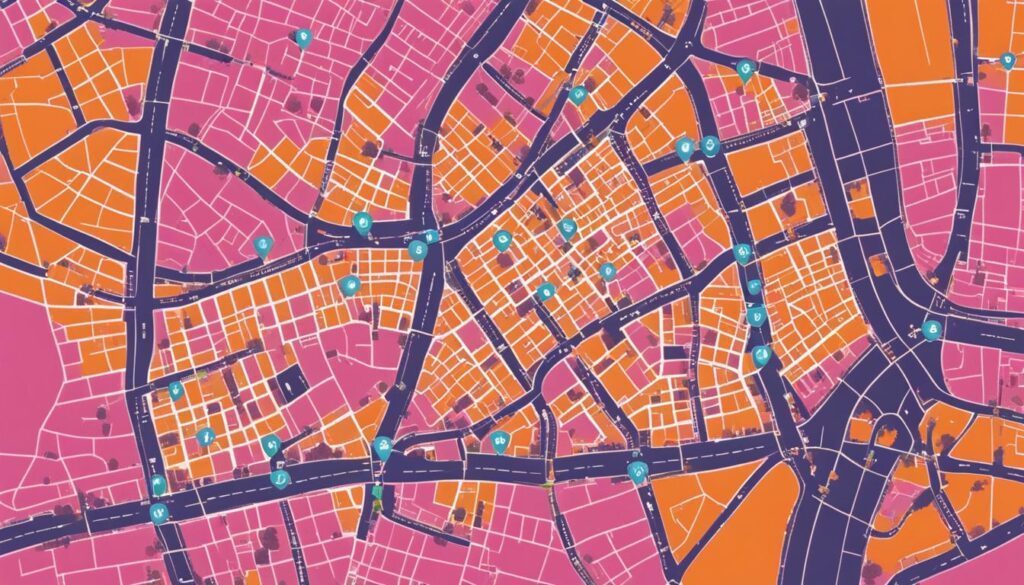
On the map view of booking sites, I zoom out and ask:
Where do prices suddenly drop?
(often just outside the tourist core)Where are the metro/bus lines?
Where are the late‑night noise sources?
(clubs, main roads, stadiums)
Then I do a quick reality check: if I save $20 per night by staying further out, but spend $8 per day on transport and 60–90 minutes commuting, is that worth it for this trip? Sometimes yes, sometimes no.
This is the real accommodation cost vs comfort trade off: a slightly longer ride for quieter nights and lower prices can be a win, but only if it fits how you actually travel.
5. Read Reviews Like a Detective, Not a Shopper
Reviews are where you protect your sleep without spending more money. But only if you read them the right way.
I ignore the overall score at first. Instead, I filter and scan for specific words:
- Noise – Look for
quiet
,thin walls
,street noise
,music until late
,construction
. - Bed & linens – Words like
comfortable bed
,hard mattress
,dirty sheets
,smelled
. - Cleanliness –
spotless
,mold
,bugs
,bathroom
. - Safety –
felt safe walking at night
,sketchy area
,no lock
.
Then I check:
- Recent reviews only – last 3–6 months. Management changes, construction starts, neighborhoods shift.
- Patterns, not one‑offs – one person complaining about noise might be picky. Ten people mentioning it? Believe them.
- Responses from the property – are they defensive, or do they fix things?
Ask yourself as you read: Is this person complaining about something that would bother me?
If someone hates that the hostel was social and lively, and you actually want that, their 3‑star review might be a green flag for you.
This is also where you spot the difference between affordable and cheap. Affordable places usually have consistent comments like simple but clean
, good value
, basic but comfortable
. Very cheap places often have a mix of great price
and never again
.
Learning how to read reviews for budget accommodation is one of the easiest ways to avoid the most common budget accommodation mistakes—no extra money required.
6. Book Smart: Timing, Tools, and Small Tricks That Add Up
Once you know what you want, how you book can easily save 20–40% without touching your sleep quality.
Here’s the playbook I use for cheap accommodation booking tips that actually work:
- Book early for peak season – popular destinations and holidays? Reserve months ahead. Prices climb and the good budget options disappear first.
- Use shoulder season – if you can shift your dates, do it. Fewer crowds, lower prices, and often better sleep (less noise, less chaos).
- Compare across platforms – check a couple of big sites plus the property’s own website. Sometimes direct bookings include breakfast or better cancellation terms.
- Watch the total price – cleaning fees, service fees, taxes, and paid Wi‑Fi can turn a “deal” into a rip‑off.
- Look for member or loyalty discounts – signing up for a free account can unlock lower rates or perks like late checkout.
If you’re flexible, you can also:
- Set price alerts and watch trends for a week or two.
- Politely email the property and ask if they can beat the online rate for a longer stay.
And always, always check for hidden costs. If you want to avoid hidden accommodation fees, read the fine print on cleaning, resort fees, parking, and “service charges” before you hit pay.
For longer trips, I sometimes mix strategies: a few nights in a budget hotel, then a week of house‑sitting or a homestay. That way I keep costs low without spending the whole trip in one type of place.
7. Advanced Budget Moves: Save Big Without Sleeping Worse
Once you’ve nailed the basics, there are a few “level‑up” tactics that can slash your accommodation costs while keeping (or even improving) your sleep quality.
- House‑sitting – Platforms like Trusted Housesitters connect you with homeowners who need pet or house care. You get a full home (and usually a real bed, kitchen, laundry) in exchange for responsibility instead of cash. Amazing for slow travel and introverts who like quiet nights.
- Overnight transport – Night buses or trains can replace a hotel night, but be honest: will you actually sleep? I only do this on routes known for decent comfort, and I don’t schedule anything important the next morning.
- Points and miles – If you use credit cards responsibly, hotel points can turn expensive cities into almost‑free stays. I save these for places where budget options are either terrible or far away.
The rule I use: Does this save money and keep my sleep at least acceptable?
If the answer is no, it’s a false economy.
These are the kinds of budget friendly places to stay when traveling that don’t always show up in a standard search, but can completely change what’s possible on your budget.

8. Before You Click “Book”: A 60‑Second Sleep & Budget Checklist
Right before I book, I run through this quick checklist. It has saved me from so many bad decisions.
- Budget check: Is the total cost (with fees) within my planned nightly range?
- Location check: Can I reach the main places I care about in under 30–40 minutes? Is it likely to be noisy at night?
- Sleep check: Do recent reviews say it’s quiet enough, clean enough, and comfortable enough for me?
- Safety check: Do solo travelers and families say they felt safe?
- Flexibility check: What happens if my plans change? Free cancellation or not?
If something feels off, I don’t try to talk myself into it. There is almost always another option that fits both your budget and your sleep needs better.
In the end, the goal isn’t to find the cheapest
bed. It’s to find the cheapest bed you can actually rest in. Because a trip where you’re exhausted, cranky, and half‑sick from bad sleep? That’s the most expensive kind of trip there is.
Learn how to choose budget accommodation once, and you’ll keep saving money on where you sleep when traveling for years—without sacrificing the one thing you really need on the road: a good night’s rest.