I’ve lost count of how many times I’ve heard this: The hotel in the center is too expensive, we’ll just stay a bit further out.
Then a few days later, the same people complain about long commutes, late-night taxis, and feeling wiped out. Let’s talk about why that happens.
This isn’t just a cheap vs expensive debate. It’s about something more awkward: how much your time, energy, and flexibility are really worth. Once you see that clearly, it’s much easier to decide whether a city center hotel or a place on the outskirts actually fits your trip and your budget.
1. The Hidden Equation: Room Price vs Commuter Cost
Most people start with one question: How much is the room per night?
That’s the wrong starting point. A better one is: What’s the total daily cost of this location?
Think of your accommodation choice as an equation, whether you’re comparing city center vs outskirts accommodation or a suburban hotel:
Total Daily Location Cost = Hotel Price + Transport Costs + Time Cost + Fatigue Cost
- Hotel price: obvious, visible, easy to compare.
- Transport costs: metro tickets, buses, ride-shares, taxis back from the center at night.
- Time cost: 30–90 minutes a day spent commuting instead of exploring, resting, or eating.
- Fatigue cost: carrying bags all day, staying out because going back to the hotel is a hassle, arriving at dinner already tired.
Take Rome as an example. A supposedly cheap
hotel outside the center can easily add €20–€40 per night in taxis if you like late dinners or nightlife in the historic core. Add 40–90 minutes of daily commuting and the savings from those cheaper hotels outside the city center start to disappear.
So before you fall in love with a low nightly rate, ask yourself: What am I adding back in transport, time, and stress? That’s the real city center vs suburban hotel comparison.
2. How Much Is Your Time Worth? (Your Personal Break-Even Point)
Let’s get a bit more analytical for a moment. I like to use a simple idea: your Location Break-Even Point. It’s the point where paying more for a central hotel actually becomes cheaper overall once you factor in transport and time.
Here’s a quick way to estimate it when you’re weighing the cost of staying in city center hotels against the suburbs:
- Calculate the nightly price difference
Example: Central hotel = $180/night, Outskirts hotel = $120/night.
Difference = $60 per night. - Estimate daily transport costs from the outskirts
Say you’ll take 2 round trips per day for two people:
– Metro/bus: $4 per person per round trip × 2 people × 2 trips = $16/day
– Occasional taxi at night: average $20/day
Total transport ≈ $36/day. - Put a value on your time
If you spend 60 minutes commuting daily, what is that hour worth to you?
You don’t need a perfect number. Even $10–$20/hour is enough to see the pattern.
Now compare:
- Extra cost of central hotel: $60/day
- Transport savings + time value: $36 (transport) +, say, $15 (time) = $51/day
Suddenly, that expensive
central hotel is only about $9/day more in this rough example. And that’s before counting the extra comfort and flexibility you get from a more convenient base.
The goal isn’t perfect math. It’s to remind yourself that location is an economic decision, not just a price tag. When you think about the total trip cost including transport and time, the picture changes fast.
3. Short Trip vs Long Stay: When Center Really Matters
Not every trip works the same way. The length of your stay changes the math dramatically and should shape your budget city break accommodation strategy.
On a short trip (1–4 nights):
- Your time is scarce. Losing an hour a day commuting is a big deal.
- Being able to pop back to the hotel to rest, shower, or drop shopping bags can transform your day.
- You’re more likely to stay out late, which means more taxis if you’re far away.
In cities like Rome, staying central means you can do what locals call the double trip
: morning sightseeing, afternoon rest at the hotel, then back out for dinner and evening walks. If you’re staying on the outskirts, that’s often impossible without burning time and money.
On a longer stay (a week or more):
- The nightly price difference adds up quickly.
- You might be happy to trade some commute time for a bigger room, kitchen, or quieter neighborhood.
- You can structure your days: some days in the center, some days exploring local areas near your accommodation.
So ask yourself:
- Short, intense city break? The center usually wins.
- Longer, slower stay? The outskirts can make sense, especially if you value space and calm.
There’s no single rule, but the shorter the trip, the more every minute of commuting hurts.
4. What Kind of Trip Are You Actually Planning?
We often book hotels before we’re honest about the trip we’re planning. That’s how people end up making classic mistakes booking hotels far from the city center. Let’s fix that.
Your ideal location depends heavily on your trip profile.
If your trip is about maximum sightseeing and nightlife:
- City centers shine: walkability, late-night options, easy access to major sights.
- You save time by walking instead of navigating unfamiliar transport systems.
- You’re immersed in the city’s energy: festivals, street performances, spontaneous events.
If your trip is about calm, space, and a slower rhythm:
- Outskirts can be ideal: quieter streets, more greenery, local markets.
- You might enjoy seeing how people actually live, not just the tourist core.
- You can redirect savings into better meals, unique tours, or experiences.
There’s no universal right answer. But there is a wrong one: choosing the outskirts only because the room is cheaper, then spending the whole trip wishing you were closer in.
Before you book, write down three non‑negotiables. For example:
I want to walk to most of the places I care about.
I want a quiet place to sleep.
I don’t want to spend more than 45 minutes a day commuting.
Then judge every hotel—center or outskirts—against those, not just the price. That’s how you decide where to stay in a city on a budget without sabotaging your own trip.
5. Transport Reality Check: How Will You Actually Move Around?
On paper, public transport always looks great. In reality, it can be messy: limited hours, strikes, crowded buses, confusing ticket systems. This matters a lot more if you’re staying outside the center and relying on that time cost of commuting from suburbs on vacation.
Here’s what I always check before committing to an out-of-center stay:
- Last metro/bus times: Can you get back after dinner without a taxi?
- Frequency: Is it every 5 minutes or every 30?
- Reliability: Are delays and strikes common?
- Night options: Are there night buses? Are they safe and frequent?
- Taxi/ride-share costs: What’s a typical fare from the center to your hotel at night?
In some cities, like Rome, the metro closes relatively early and buses thin out at night. That’s when the cheap
hotel on the ring road suddenly comes with a €25 taxi every evening. Those are the outskirts hotel hidden costs people forget to count.
Also consider walkability around your hotel:
- Are there cafes, bakeries, and small restaurants nearby?
- Or will you be stuck eating at the hotel or a single nearby chain?
Central areas often win here: more options, more competition, and often better value than the captive-audience restaurants near remote hotels. Convenience isn’t just about sightseeing; it’s about your everyday rhythm.
6. Budget Strategy: Where to Save Without Punishing Yourself
Sometimes the central hotel is simply out of budget. Fair enough. That doesn’t mean you’re doomed to miserable commutes. It just means you need a smarter travel time vs hotel cost trade-off strategy.
Here are ways to save without sacrificing your entire experience:
- Shift your dates: Off-season or midweek stays can slash central prices.
- Drop a star level: A 2–3 star hotel in the center can beat a 4-star far away in overall value.
- Choose a near‑center neighborhood: Not the absolute core, but one or two metro stops away, still walkable to many sights.
- Use filters wisely: On platforms like Expedia, filter by neighborhood, price, and refundability instead of just sorting by lowest price.
- Consider alternative stays: Hostels, guesthouses, or small apartments can be cheaper yet central.
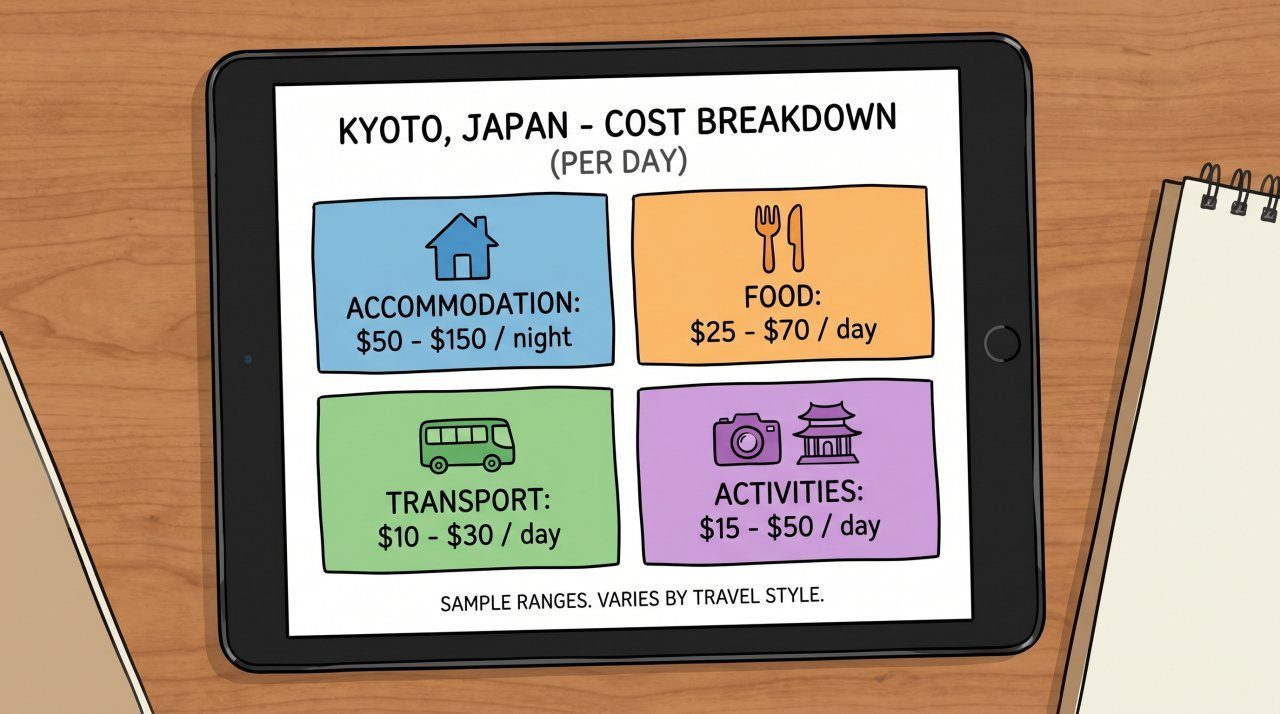
Then, zoom out. Break your budget into the big four:
- Transport (flights, trains, local)
- Lodging
- Food
- Activities
Ask yourself: Where does location sit in my list of must‑haves? If being central is crucial, maybe you cut back on shopping or fancy meals. If you don’t care about nightlife, maybe you accept a longer commute and invest in a nicer room.
This is how you build a realistic budget city break accommodation strategy instead of just chasing the lowest nightly rate.
7. A Simple Framework to Decide: Center or Outskirts?
Still torn between a city center room and a suburban hotel? Here’s a quick framework I use with friends and clients. Answer honestly, not aspirationally.
- How many full days do you have?
– 1–3 days: Lean strongly toward the center.
– 4–7 days: Either can work; think about your pace.
– 8+ days: Outskirts become more attractive, especially for space and calm. - How much do you value nightlife and evening walks?
– If you love wandering after dinner, being central saves money and hassle.
– If you’re in bed by 10, the outskirts penalty is smaller. - How sensitive are you to noise?
– City centers can be loud: traffic, bars, late-night crowds.
– Outskirts are usually quieter, but check for highways and train lines. - What’s your realistic daily energy level?
– If you tire easily, long commutes and all-day outings will wear you down.
– If you’re happy to be out from 9 to 9, you might tolerate the distance. - What’s your true budget ceiling?
– Not the number you wish, the number you won’t go above.
– Within that, test both central and outer options with total cost in mind.
Then make a deliberate choice:
- Choose the center if you want maximum spontaneity, minimal commuting, and you’re okay paying more per night for more usable hours per day.
- Choose the outskirts if you value space, quiet, and lower nightly costs, and you’re willing to pay with time and planning instead of cash.
The key is this: don’t let the cheapest nightly rate make the decision for you. You’re not just booking a room. You’re deciding the shape of your days and the rhythm of your trip.
8. Final Thought: Design Your Days, Not Just Your Hotel
When you look back on a trip, you rarely remember the exact price of your hotel. You remember how it felt.
- Did you stroll home through lit-up streets after dinner?
- Did you collapse on a bus, stuck in traffic, wishing you were already in bed?
- Did you feel free to change plans on the fly, or trapped by your location?
So here’s the question I always ask myself before booking:
If I replay this trip in my head, will I be glad I saved that money, or will I wish I’d bought back some time?
Your answer to that question will tell you, more than any price comparison, whether the city center or the outskirts is really worth it for you. That’s the real city center convenience vs price decision—and only you can make that call.