
I love a good deal. But I hate a Frankenstein trip
– that messy, stitched-together itinerary where every leg is cheap on paper and expensive in stress, risk and lost time.
If you’ve ever booked a low-cost flight here, a random hotel there, a bus you found on page 3 of Google… and then spent your holiday sprinting through airports or arguing at check-in, you know exactly what I mean.
This guide is about how to mix budget flights, separate hotel bookings and local transport without creating a travel monster. We’ll look at how to avoid the hidden risks of mix-and-match travel, from self-connecting flights mistakes to badly timed buses, and when it’s smarter to let a bundle do the work for you.
1. Bundle or Build-It-Yourself? Decide Your Strategy First
The first decision is simple but crucial: are you a bundler or a builder for this trip?
Bundling (flight + hotel, sometimes car or activities) through sites like Expedia or other OTAs can be a lifesaver when you just want something that works and you want to avoid Frankenstein trips altogether. As this breakdown points out, bundles:
- Auto-align your flight and hotel dates (much harder to mess up).
- Can unlock extra discounts and promo codes on top.
- Keep everything in one place, which matters when things go wrong.
Expedia’s Bundle & Save even lets members book one item first (say, a flight) and add hotels or cars later while still getting bundle discounts. Handy if you know your dates but not your exact neighborhood yet.
But there’s a catch. Bundles often mean:
- Less flexibility on airlines and hotel types.
- Opaque pricing – you can’t always see what each piece really costs.
- More hassle if you want to change just one part of the trip.
So I ask myself one blunt question before I start:
Is this trip about convenience or control?
- If I’m traveling with kids, on fixed dates, or booking last-minute: I lean toward a bundle for sanity and to avoid common errors with separate reservations.
- If I’m slow traveling, using points, or want quirky stays: I build it myself and accept the extra admin.
Get this decision wrong and you’re halfway to a Frankenstein trip before you even open a search tab.
2. The Flight Skeleton: Protected Itinerary or Self-Transfer Gamble?
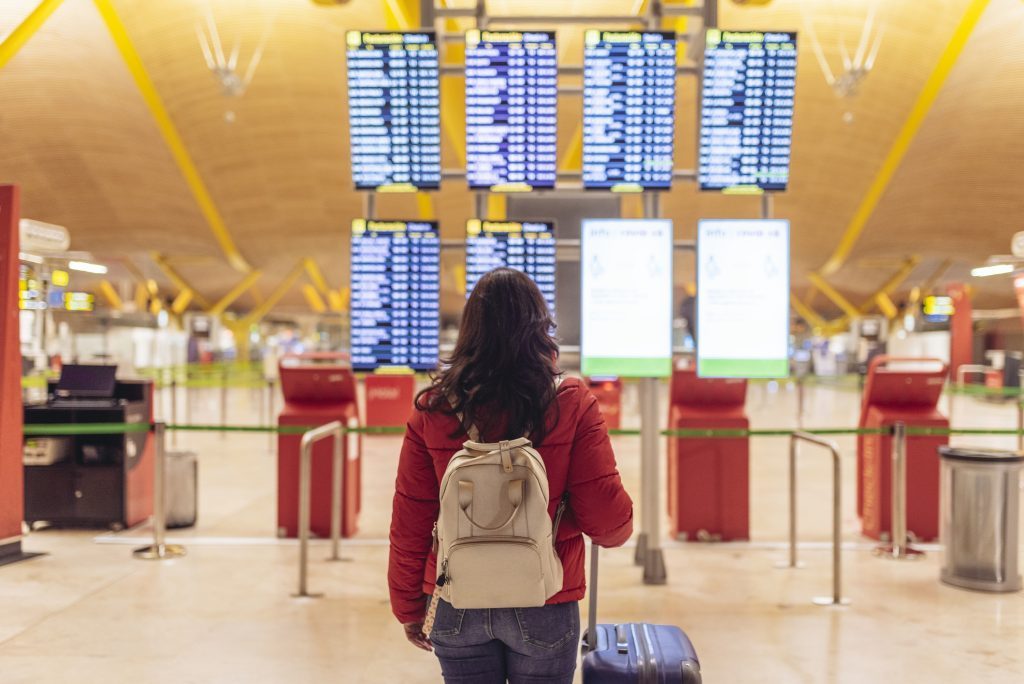
Your flights are the skeleton of the trip. If that structure is shaky, everything else wobbles.
There are two main ways to combine airlines:
- Single-ticket, protected itineraries – multiple airlines on one booking.
- Separate tickets / self-transfer – you stitch legs together yourself.
On a single ticket, partner airlines and major platforms usually have to help if things go wrong. If your first flight is delayed, they’re generally responsible for getting you to your final destination on that ticket. That’s what airline policy experts keep repeating: protected itineraries are your safety net.
On separate tickets, you’re on your own. Miss the second flight because the first one was late? The second airline can simply say: Buy a new ticket.
That’s the core warning in guides to self-transfer and separate flight and hotel bookings: the savings are real, but so is the risk.
Here’s how I decide:
- Long-haul or expensive legs (e.g., US–Europe, Europe–Asia): I strongly prefer a single protected ticket, even if it costs more.
- Short, cheap hops (e.g., a €40 low-cost flight to a nearby city): I’m more willing to self-transfer, but I build in big buffers.
When I do self-transfer, I treat it like a DIY connection with no safety net:
- For domestic self-transfers: I aim for 3 hours between flights.
- For international self-transfers: I often go 4–6 hours, or even an overnight if immigration and baggage are involved.
- I assume I’ll need to collect and re-check bags, change terminals, and clear security again.
It’s not glamorous, but it’s better than watching your onward flight push back from the gate while you’re still in the immigration line.

3. Low-Cost Carriers: Cheap Ticket, Expensive Consequences?
Low-cost airlines are often the backbone of a budget trip. They’re also where Frankenstein itineraries are born, especially when you’re mixing budget airlines and hotels on separate bookings.
Travel advisers in industry interviews are blunt: be cautious with ultra-low-cost carriers. Why?
- They often have weaker protections if flights are delayed or canceled.
- Customer service can be minimal when you need help most.
- Fees for bags, seat selection, and changes can quietly erase your savings.
When I mix low-cost and full-service airlines, I do three things:
- Price the whole journey, not just the ticket.
I add up: base fare + bags + seat + airport transfers + food if I’m stuck for hours. Then I compare that to a more expensive but protected option. Low cost flights on separate tickets only make sense when the total cost still wins. - Never rely on a low-cost carrier for a tight connection.
If a low-cost flight is feeding into a long-haul or expensive leg, I treat it like a separate trip and give myself a huge buffer or an overnight. That’s one of the simplest budget airline connection tips to avoid travel nightmares with cheap flights. - Check schedule reliability.
I look at typical delays and cancellation rates. A cheap 6 a.m. flight that’s often canceled is not a deal; it’s a gamble.
Ask yourself: If this flight is canceled, what’s my Plan B? If the honest answer is I don’t have one
, that’s a red flag.
4. Hotels and Local Transport: Don’t Let Your Bed and Bus Fight Your Flights
Once flights are set, I build everything else around them. This is where many Frankenstein trips fall apart: the hotel is cheap but miles from the airport; the bus leaves 20 minutes after landing; the last train home is before your delayed flight arrives.
To avoid those hidden risks of mix and match travel, I make sure my hotel, local transport and flights are actually on the same team.
Align hotel choices with your transport reality
- Late arrival or early departure? I often book the first or last night near the airport or main station, then move into the cool neighborhood later.
- Multiple airports in a city? I double-check which one I’m actually using before I pick a hotel. Sounds obvious, but it’s a classic mistake.
- Local transport hours? I check when the last train/metro runs. A cheap hotel that requires a €60 taxi at 1 a.m. isn’t cheap.
Time your buses, trains and ferries with margin
- I avoid booking non-refundable ground transport that leaves less than 2 hours after a scheduled landing (more for international).
- If I must cut it close, I choose options I can change for a small fee rather than lose the whole ticket.
- I always check if the bus or train station is in the same terminal, another terminal, or a completely different location.
Think of it this way: your hotel and local transport should absorb flight chaos, not amplify it. Local transport and flight coordination is what keeps a DIY multi city itinerary from turning into a long list of missed connections.
5. Using Meta-Search and Apps Without Losing the Plot
Tools like KAYAK, Skyscanner, Google Flights and others are brilliant for finding combinations you’d never think of. They’re also very good at tempting you into weird, risky itineraries.
Here’s how I use them without creating a monster:
- Start wide, then filter hard.
I begin with all airlines and airports, then filter by sensible layover times, number of stops, and preferred carriers. I don’t let the absolute cheapest option win by default. - Watch for virtual interlining.
Some sites combine airlines that don’t officially work together. That can be fine, but it’s usually not protected. I read the fine print: who rebooks me if something goes wrong? Often, the answer isno one
. - Use price alerts, not panic.
Apps like KAYAK can track fares and tell you when to book. I set alerts early, then give myself a personal deadline so I don’t overthink it forever. - Centralize your itinerary.
I forward all confirmations to one place (KAYAK Trips, email folder, or a travel app) so I can see flights, hotels and transport in one timeline. This makes conflicts obvious and helps me spot self connecting flights mistakes before I’m at the airport.
The goal is to use these tools as a radar, not as autopilot. They show you what’s possible; you still decide what’s sane.
6. Baggage and Layovers: The Hidden Glue (or Explosive)
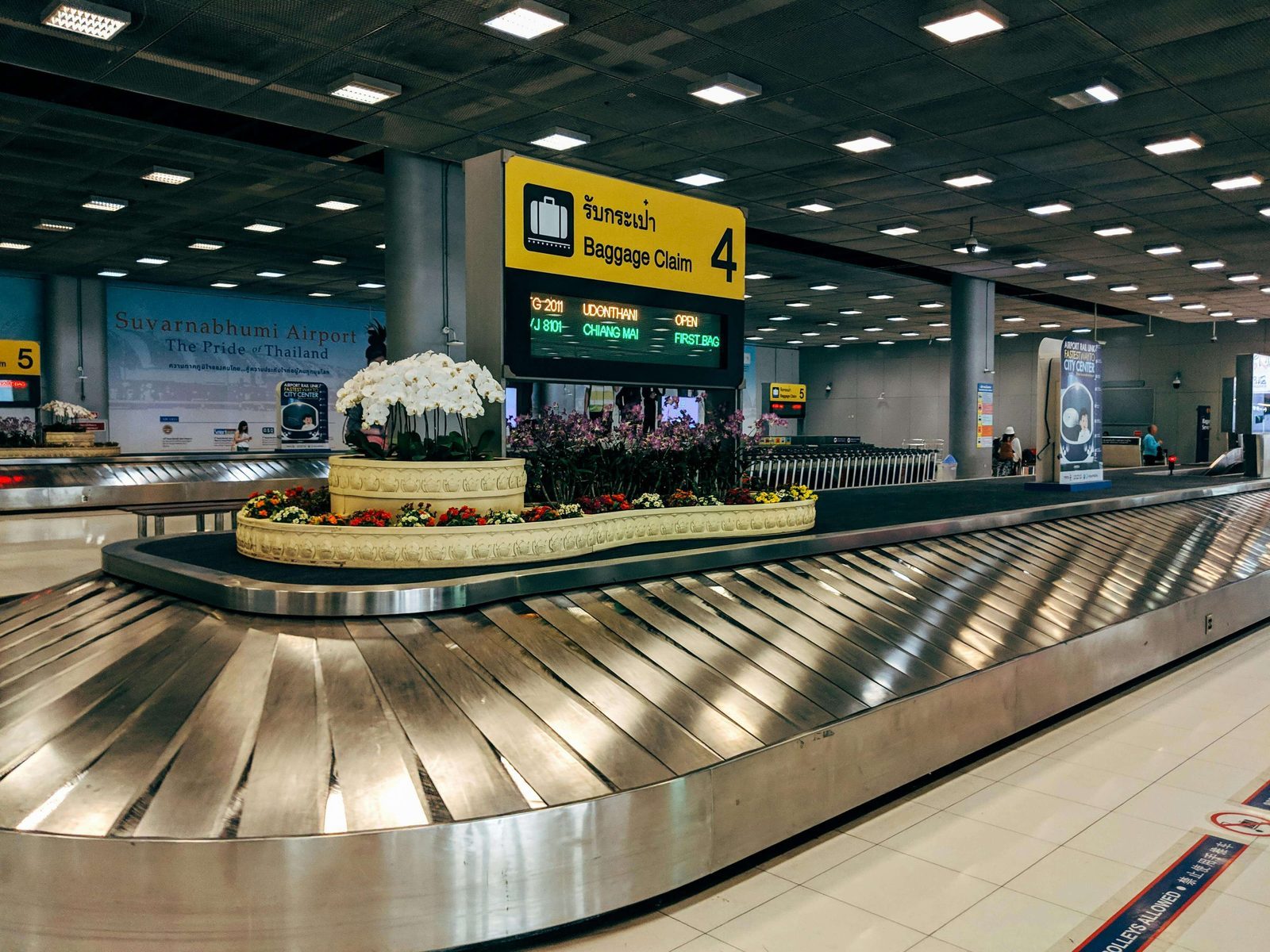
Most Frankenstein trips don’t fall apart at the booking stage. They fall apart at baggage claim.
When you’re on separate tickets or mixing airlines, assume:
- Your bags will not be checked through to your final destination.
- You’ll need to collect, re-check, and re-clear security at each self-transfer point.
That has real consequences:
- You need more time between flights than the minimum connection time.
- You may pay multiple baggage fees on different airlines.
- If a bag is delayed or lost, you’re dealing with each airline separately.
So I plan my layovers backwards:
- How long does immigration usually take at this airport?
- How long is the walk or transfer between terminals?
- What’s the baggage drop cut-off for the next flight?
Then I add a buffer on top. If that makes the itinerary feel too long or exhausting, that’s a sign I should pay more for a simpler, protected route.
Planning safe layovers for separate bookings is boring work, but it’s exactly what keeps low cost flights on separate tickets from blowing up your whole trip.

7. When Bundles Actually Win (and When They Don’t)
Let’s circle back to bundles, because they’re not always the enemy of a smart, flexible trip. Sometimes they’re exactly what prevents a Frankenstein itinerary.
Bundles shine when:
- You have fixed dates but are flexible on exact hotel or even destination.
- You’re booking for families or groups and want everyone on the same flights and in the same hotel.
- You’re traveling last-minute and don’t have time to piece everything together.
They’re weaker when:
- You want unusual stays (tiny houses, long-term rentals, remote lodges).
- You’re mixing points, miles and cash across different programs.
- You need maximum flexibility to change one part of the trip without touching the rest.
My rule of thumb:
If the trip is simple, short, and I value my time more than micro-optimizing every euro, I seriously consider a bundle. I still compare the bundle price to separate bookings, but I give real weight to the convenience and built-in coordination. Sometimes that’s the easiest way to avoid travel nightmares with cheap flights and mismatched hotels.

8. A Simple Checklist to Avoid a Frankenstein Trip
Before I hit Book
, I run through a quick checklist. You can copy this and adapt it to your style:
- Strategy: Am I bundling or building, and why?
- Protection: Are my key flights on a single protected ticket, or am I consciously accepting self-transfer risk?
- Buffers: Do I have generous layovers where I’m responsible for my own connections?
- Baggage: Do I know exactly when I’ll need to collect and re-check bags?
- Overnight logic: Do my hotel locations make sense for my arrival and departure times?
- Local transport: Have I checked the last/first train, bus or ferry times against my flights?
- Plan B: If one key flight is canceled, do I have a realistic backup that doesn’t ruin the whole trip?
- Insurance: Does my separate bookings travel insurance actually cover missed connections on self-made itineraries?
If I can’t answer these questions clearly, I don’t book yet. I tweak the itinerary until it feels boringly solid.
Because that’s the secret: a good trip often looks a little boring on paper. Clean connections. Sensible buffers. Hotels that make logistical sense. The fun should come from where you go and what you do there – not from wondering whether you and your luggage will make it.
Build smart, not scary. That’s how to safely combine cheap flights and hotels without ending up with a Frankenstein trip.