Travel budgets rarely blow up because of one outrageous hotel night. They creep up instead. A room upgrade here, a daily latte there, a “team dinner” that somehow turns into a steakhouse blowout. If you don’t put a smart structure around meals and incidentals, they quietly eat your margin.
On one side, you’ve got companies that obsess over every sandwich receipt. On the other, companies that toss out a flat number and hope it all averages out. Both approaches backfire in different ways. The sweet spot is a smart per diem system that’s predictable, fair, and hard to game.
Here’s how to design a real-world per diem for meals and incidentals that actually works.
1. Decide: Per Diem, Actuals, or a Hybrid?
This is the first big decision. If you miss here, everything else is just paperwork and arguments.
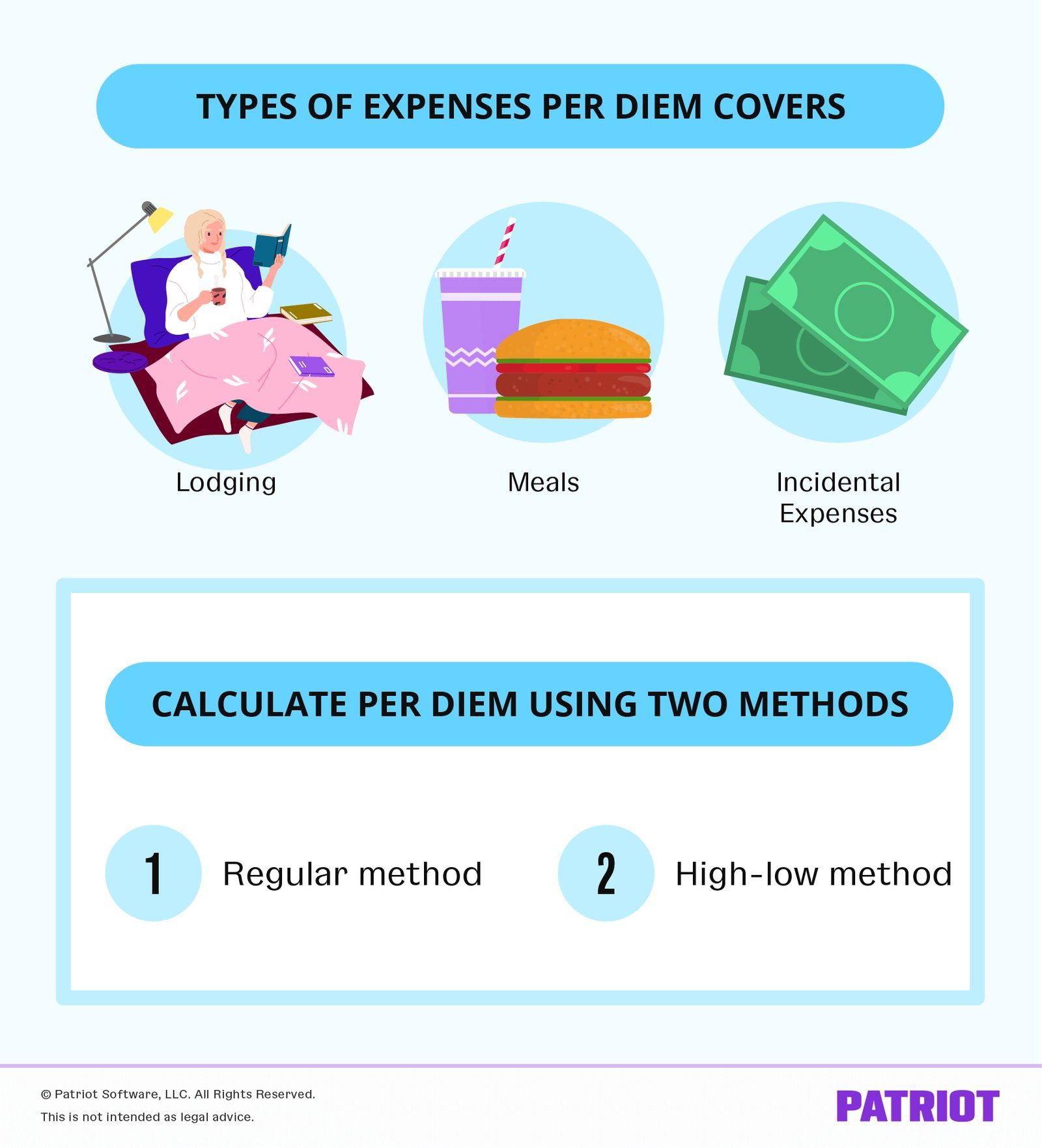
Per diem is a fixed daily allowance for lodging, meals, and incidentals. Instead of chasing receipts, you pay a set amount and move on. If travelers spend less, they keep the difference. If they spend more, they cover the extra. Simple. Predictable. But not always precise.
Most companies with a solid business travel per diem policy don’t go all-in on per diem. They use a hybrid model:
- Lodging: reimbursed on actuals, with a nightly cap.
- Meals & Incidentals (M&IE): paid as per diem.
Why this mix? Hotel prices swing wildly by date, city, and event. Meals don’t move as much. A hybrid setup gives you tighter corporate travel cost control where volatility is highest and simplicity where it’s manageable.
Here’s a simple way to frame the per diem vs actual meal expenses decision:
- Use per diem for M&IE if you want predictable daily costs and less admin work.
- Use actuals for lodging if your travelers hit a mix of low-cost and high-cost markets.
- Consider full per diem only if your travel is highly standardized (same routes, same cities, similar seasons).
And be honest with yourself: if you’re not willing to enforce caps, you don’t really have a company per diem guideline. You just have a suggestion.
2. Anchor Your Rates: Stop Making Numbers Up
Too many companies set per diem rates based on vibes. Someone says, $50 a day should be enough
, and suddenly that’s the rule. That’s how you end up underpaying in New York and overpaying in rural Iowa.
There’s a better way to handle per diem rate calculation: anchor your rates to GSA and IRS benchmarks.
In the U.S., the General Services Administration (GSA) publishes location-specific per diem rates for the continental U.S. (CONUS). In recent years, the standard rate has hovered around:
- About $110 for lodging
- About $68 for M&IE (meals + incidentals)
Roughly 300+ Non-Standard Areas (NSAs) have higher rates because they’re expensive markets. The IRS also publishes special per diem and high-low rates in notices like Notice 2025-54, and guidance in Publication 463.
Here’s a practical way to build a smart per diem system around those benchmarks:
- Adopt GSA M&IE rates as your baseline for U.S. travel.
- Use the standard CONUS rate for most locations.
- Use NSA rates for clearly high-cost cities (NYC, SF, DC, etc.).
- Document any company-specific adjustments (for example, pay 90% of GSA for internal cost control).
Why anchor to GSA/IRS instead of guessing?
- They’re updated annually and reflect real-world costs.
- They’re widely used, so they’re defensible when employees push back.
- They align with tax rules for non-taxable per diem under an accountable plan.
Once you anchor your per diem budgeting for travel to these benchmarks, you’re no longer arguing about whether $55 or $60 is fair. You’re debating a percentage of a published standard. That’s a much easier conversation.
3. Break Down M&IE: Don’t Pay for Meals Twice
Here’s where a lot of budgets quietly leak: you pay full per diem even when meals are already covered. Conference lunches, client dinners, hotel breakfasts. If you don’t adjust, you’re literally paying for the same meal twice.
The GSA already does the hard work by breaking M&IE into meal components. For example, a $68 M&IE might be allocated roughly like this (illustrative):
- Breakfast: ~20–25%
- Lunch: ~25–30%
- Dinner: ~45–50%
- Incidentals: the remainder
That breakdown lets you design a smart reduction rule in your meal and incidental expense policy:
- If breakfast is provided, reduce per diem by the breakfast percentage.
- If lunch is provided, reduce by the lunch percentage.
- If dinner is provided, reduce by the dinner percentage.
But you need to be clear about what provided
actually means. Otherwise, you’ll argue about muffins.
Here’s a practical line to draw:
- Reduce per diem when meals are included in: conference fees, client-paid dinners, internal offsites, or mandatory events.
- Do not reduce for: airline snacks, hotel lobby coffee, or token pastries.
Also spell out that tips are part of the meal cost, not a separate incidental. Incidentals are things like small service tips, hotel porter tips, maybe a coin laundry. If you don’t define this, people will treat every tip as extra.
Write this into your travel per diem cost breakdown in plain language. No one should have to reverse-engineer your logic from a spreadsheet.
4. Handle First and Last Day: The 75% Rule (and Whether You Copy It)
Another quiet leak: paying full per diem on days when people barely travel. The federal government solves this with a simple rule: pay 75% of M&IE on the first and last travel days, regardless of departure or arrival time.
You don’t have to follow that as a private employer. But it’s a very clean default and fits nicely into a disciplined business travel per diem policy.
Here’s how to decide:
- Adopt the 75% rule if you want consistency and minimal arguments about flight times.
- Stick to 100% only if your trips are almost always full days (for example, field crews on multi-day projects).
Whatever you choose, write it down clearly:
- “First and last day of travel are reimbursed at 75% of the applicable M&IE rate.”
- “Lodging is reimbursed at up to 100% of the nightly lodging cap for each night actually spent away from home.”
Notice what this does: it removes judgment calls. No one has to decide whether a 3 p.m. flight deserves a full day of per diem. The rule decides for you.
5. Define Eligibility and Edge Cases: Who Gets What, When?
Per diem fights rarely start with numbers. They start with, Why did they get it and I didn’t?
If you don’t define eligibility, you invite resentment and one-off exceptions.
Think of eligibility in four layers:
- Who qualifies?
Spell out roles: field techs, sales reps, project managers, executives, contractors. Decide whether contractors get per diem or whether it’s built into their rate instead. - What counts as travel?
A common definition:Travel requiring an overnight stay away from the employee’s tax home.
Day trips are a separate policy decision. Many companies don’t pay per diem for day trips but reimburse actual meals in limited cases. - What scenarios are covered?
Examples:- Overnight client visits
- Multi-day on-site projects
- Training or conferences away from home city
- Temporary assignments (with a clear end date)
- What about long assignments?
The IRS one-year rule says: if an assignment in one location lasts a year or more, per diem can become taxable. You don’t want to stumble into that. For long projects, consider switching from per diem to a different arrangement (for example, housing stipend + partial per diem) and get tax advice.
Also keep an eye on minimum wage and overtime. If employees are fronting travel costs and not reimbursed properly, you can accidentally push their effective pay below minimum wage. That’s not just a morale issue; it’s a compliance problem.
6. Build the Rules into Your Systems, Not Just Your Handbook
A smart per diem system isn’t just a PDF policy sitting on an intranet. It’s how your tools behave day to day.
To really optimize your per diem travel budget, automate as much as you can:
- Rate lookup by location and date.
Use a per diem lookup tool or internal table that pulls the correct GSA rate based on city/county and travel dates. No manual guessing, no outdated charts. - Automatic first/last day proration.
Your expense or travel system should apply the 75% rule (or your chosen rule) automatically. - Meal reduction logic.
If an employee marks that lunch and dinner were provided, the system should reduce the per diem by the correct percentages without manual math. - Documentation prompts.
Even with per diem, you still need to substantiate the trip: dates, destination, business purpose. Your system should require those fields. - Tax compliance flags.
Trips approaching one year in a single location should trigger a warning to payroll/finance.
And yes, you still need some receipt rules as part of your per diem travel expense management:
- No meal receipts required when per diem is used.
- Itemized receipts required for non-meal expenses over a certain threshold (say $75), like taxis or client entertainment.
The goal is simple: no spreadsheets, no manual rate tables, no “I thought the rate was…”

7. Set Guardrails Against Abuse Without Treating Everyone Like a Thief
Per diem is easy to game if you’re naive. But if you design your per diem for meals and incidentals assuming everyone is cheating, you’ll crush trust and morale. The trick is to set guardrails that make abuse inconvenient without punishing normal behavior.
Here are guardrails that tend to work in real life:
- Clear non-reimbursable items.
Spell out that alcohol, room service movies, mini-bar raids, and personal side trips are not covered by per diem or any other reimbursement. - Reasonable daily caps for actuals.
If you reimburse lodging on actuals, set a nightly cap tied to GSA lodging rates. Allow exceptions only with pre-approval. - No double-dipping.
If someone gets per diem, they don’t also submit meal receipts. If a client pays for dinner, the employee marks dinner as provided and accepts the reduced per diem. - Short submission deadlines.
Require expenses to be submitted within, say, 30 days of travel. Late submissions need manager approval. - Random audits.
Don’t audit everyone. But do occasional spot checks on high-volume travelers or unusual patterns.
Then balance those rules with trust-building:
- Explain why the rules exist (cost control, fairness, tax compliance).
- Make the policy easy to find and written in normal language.
- Train managers so they don’t invent their own side rules.
People are far more likely to respect guardrails when they can see the logic behind them.

8. Review and Adjust: Your Per Diem System Isn’t “Set and Forget”
Costs move. Regulations change. Your travel patterns evolve. A per diem system that worked three years ago can be quietly bleeding you today.
Build in a simple review rhythm so your designing a per diem policy effort doesn’t go stale:
- Annual rate review.
When GSA updates rates (typically around October 1), review your baselines. Decide whether to track them exactly or apply a consistent discount/premium. - Pattern analysis.
Look at average per-trip cost by role, region, and client. Are certain teams consistently hitting the top of the range? Are others under-spending and suffering for it? - Feedback loop.
Ask travelers: Is the per diem realistic? Are they cutting corners in ways that hurt client work or health (skipping meals, staying in unsafe areas)? - Policy tweaks.
Adjust specific pain points instead of rewriting everything. Maybe you raise the rate for one high-cost city or loosen the rules for long-haul international flights.
The goal isn’t perfection. It’s keeping your smart per diem system aligned with reality and with how your people actually travel.
In the end, a well-designed per diem setup does three things at once:
- Protects your budget from quiet, compounding leaks.
- Respects employees’ time and dignity.
- Stays defensible under tax and labor rules.
If your current system doesn’t do all three, it’s probably time to redesign it—and this time, build it to last.