
I used to think I was great at building a travel budget. I’d chase cheap flights, stack promo codes on hotels, and feel pretty pleased with myself. Then I’d land, open a taxi app, and watch my carefully planned budget explode on the ride from the airport.
Sound familiar? Then this guide is for you. We’re going to build a door‑to‑door travel budget, not just a flight‑and‑hotel estimate. The goal is simple: you know what this trip really costs
from home to hotel and back again, before you book anything.
1. Start Door‑to‑Door, Not Airport‑to‑Airport
Most people start with flights. I start with the full picture: front door to hotel bed.
Here’s the mindset shift: your trip doesn’t start at the airport. It starts when you close your front door and ends when you walk into your accommodation. Every ride, ticket, and transfer in between belongs in your door to door travel budget.
I break the journey into four legs:
- Home → Departure airport
- Departure airport → Destination airport (your flight)
- Destination airport → Accommodation
- Return legs in reverse
For each leg, I ask three questions:
- What are my realistic options? Taxi, rideshare, shuttle, public transit, airport parking, a friend’s car, etc.
- What’s the total cost, door‑to‑door? Not just the fare, but tolls, parking, surcharges, luggage fees, and tips.
- What’s the risk? Missed flights, surge pricing, last train of the night, kids melting down in a bus queue.
Once you see the whole chain, you stop thinking, this flight is cheap
and start asking, is this route still cheap once I add all the transfers?
That’s the heart of full journey travel cost planning.
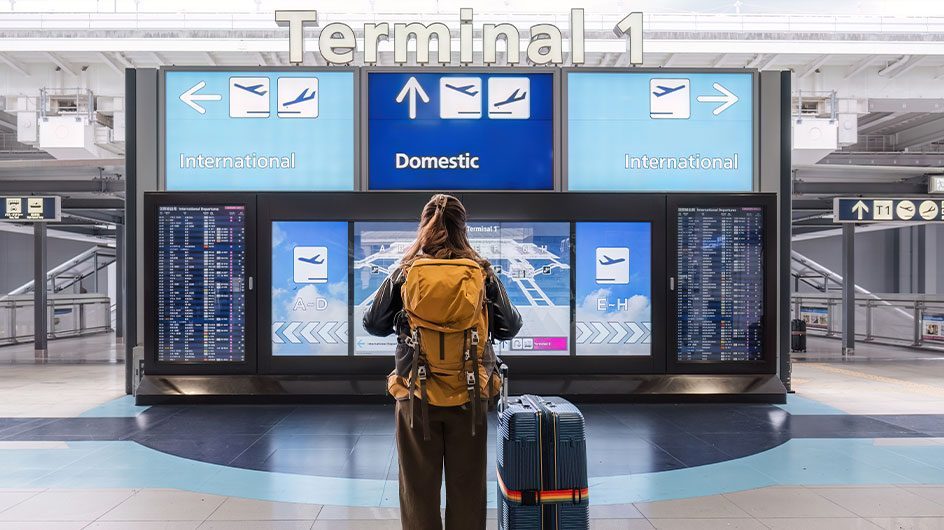
One example: a bargain flight into a secondary airport can be a trap if the ground transfer is long, awkward, or expensive. AAA points out that airport choice alone can swing your total bill, and that’s before you add taxis, shuttles, or trains.
Takeaway: Don’t lock in flights until you’ve priced how you’ll actually get from home to hotel and back. The cheapest ticket can turn into the most expensive trip once airport transfers are added.
2. Decide Your Real Priorities: Money, Time, or Stress?
Every airport transfer decision is a trade‑off between three currencies: cash, time, and stress. You can’t optimize all three. I’ve tried. It doesn’t work.
Before I open a booking app, I decide which one is non‑negotiable for this trip:
- Money first: I’ll take longer routes, share shuttles, use buses and trains, and plan around schedules. This is where affordable airport transfer options matter most.
- Time first: I’ll pay more for direct routes, private cars, and fewer transfers.
- Stress first: I’ll pay for predictability: fixed prices, pre‑booked rides, airport hotels, and services that track my flight.
Airport transfers come in flavors, and each one leans toward one of those currencies:
- Taxis: Convenient and usually fast, but often the priciest option.
- Rideshares (Uber, Lyft, etc.): Often cheaper than taxis, but vulnerable to surge pricing and long waits at peak times.
- Private transfers: Fixed price, door‑to‑door, high comfort. Great for groups or late‑night arrivals, but not cheap.
- Shared shuttles: Budget‑friendly, but slower with multiple stops.
- Public transport: Usually the cheapest, but can be complex with luggage, kids, or late arrivals.
Articles like this breakdown of airport transfer types make the same point: the best
option isn’t just the cheapest on paper. It’s the one that fits your budget, group size, and comfort level.
Takeaway: Write down your priority for this trip. Literally. Money first
, time first
, or stress first
. Use that as your filter for every airport transfer choice and for your overall airport transfer budget planning.
3. Make Your Hotel and Airport Choices With Transfers in Mind
This is where most budgets quietly fall apart. We treat flights and hotels as one decision, and transfers as an afterthought. That’s backwards.
I now treat airport + hotel + transfers as a single package. Change one, and the others move. That’s how you avoid classic travel budget mistakes with airport transfers.
Here’s how I approach it.
Step 1: Map the distances
I check:
- Distance from home to departure airport
- Distance from destination airport to potential hotels
- Distance from hotel to the places I actually want to visit
Then I ask: Where am I paying to move myself the most?
Sometimes a slightly more expensive hotel closer to the airport or city center saves more in transfers than it adds in room cost. That’s where a realistic total trip cost from home to hotel becomes obvious.
Step 2: Consider an airport‑night strategy
If I arrive late or with kids, I often book:
- Night 1: Airport hotel (ideally with a free or cheap shuttle)
- Rest of stay: City hotel, reached the next day by cheaper transport
This trick, highlighted in guides like this airport‑to‑hotel cost breakdown, can cut that first late‑night taxi bill in half and massively reduce stress.

Just watch the fine print: hotel shuttles often have limited hours. If you land at 1 a.m., that free shuttle
may not exist. In that case, a private transfer or rideshare might be the only realistic option.
Takeaway: Don’t pick a hotel until you’ve checked how much it costs to reach it from the airport at the time you actually arrive. Your airport choice, hotel choice, and transfer plan should be made together.
4. Build a Transfer Price Map Before You Book
This is the part almost nobody does, and it’s where you stop getting ambushed by prices.
Before I confirm anything, I build a simple transfer price map for each airport leg. It’s just a table or note with four or five realistic options and their estimated costs. Think of it as your personal door to door vacation cost calculator.
For each airport → hotel leg, I list:
- Taxi: Fixed airport fare or metered? Any night surcharges?
- Rideshare: Typical price range at that time of day (check the app with a dummy search).
- Private transfer: Fixed quote from a site like Jayride, or via the hotel.
- Shuttle: Shared shuttle price per person, or hotel shuttle (free/paid).
- Public transport: Train/bus fare, plus any extra tickets or passes.
I also note the variables that can blow up the price:
- Late‑night or early‑morning surcharges
- Weekend or holiday pricing
- Seasonal demand (festivals, events, peak season)
- Tolls that may or may not be included
As this breakdown of airport transfer pricing explains, distance, vehicle type, time of day, and demand all stack up. The first quote you see is often not the final price, which is why a clear airport transfers cost breakdown matters.
Then I do one more thing most people skip: I divide the total cost by the number of passengers. A private transfer that looks expensive can be cheaper per person than two taxis or four shuttle tickets.

Takeaway: If you don’t know the realistic price range for each transfer option before you land, you’re gambling, not budgeting. A simple price map turns guesswork into a real airport transfer budget planning tool.
5. Choose the Right Vehicle Size (or Pay for Two Cars)
This one sounds obvious, but it’s a classic budget killer.
Most of us look at the headline price and forget to ask: Will we actually fit in this?
Not just people, but luggage, strollers, sports gear, and whatever else you’re dragging along.
Here’s how I sanity‑check vehicle size:
- Count bodies: Adults, kids, infants (infants still take space).
- Count bags: Large suitcases, carry‑ons, odd‑shaped items.
- Check the fine print: Many services list max passengers and max luggage. Both matter.
If I’m close to the limit, I assume we need the next size up. Why? Because the alternative is ugly: you arrive, the driver says, this won’t fit
, and suddenly you’re booking a second car at walk‑up prices.
Platforms that let you filter by vehicle size (sedan vs SUV vs van) are useful here. Several guides, including this overview of airport shuttles, point out that for groups of three to five, a private SUV can actually be cheaper per person than multiple shared shuttle seats.
And if you’re traveling with kids, there’s another layer: child seats. Some countries require them by law. Some services provide them for a fee. Some don’t provide them at all. That can push you toward private transfers or specific taxi companies and should be part of your how to estimate airport transfer costs checklist.
Takeaway: Budget for the vehicle size you actually need, not the one you wish you could squeeze into. Otherwise, you’ll pay for it later—literally.
6. Lock in the Risky Legs First
Not every transfer needs to be pre‑booked. But some absolutely should be.
I pre‑book when:
- I arrive late at night or very early.
- I’m traveling with kids, elderly relatives, or lots of luggage.
- I’m landing during a major event or peak season.
- The airport is far from the city and taxis are known to be pricey or scarce.
In those cases, I want:
- Fixed pricing: No surprises from traffic or surge.
- Flight tracking: The driver adjusts if my flight is delayed.
- Free cancellation: So I can adjust if plans change.
Many private transfer services and some shuttle companies offer exactly that. Guides like this one recommend using comparison platforms (Expedia, Travelocity, CheapTickets, Jayride) to see options side by side and filter by vehicle size and service type.

For low‑risk legs—like a short ride to your home airport in the middle of the day—I’m more relaxed. I might rely on public transit or a rideshare booked on the day, as long as I’ve checked schedules and typical prices. This is where a quick rideshare vs taxi airport cost comparison can save a few extra dollars.
Takeaway: Pre‑book the legs where a failure would be painful: late arrivals, long distances, or complex group situations. Leave flexible legs flexible.
7. Put It All Together in a Simple Door‑to‑Door Budget
Once I’ve done all this, I build a simple, brutally honest budget. No wishful thinking, no we’ll just grab something cheap
.
Here’s the structure I use.
Step 1: List every leg
- Home → Departure airport
- Departure airport → Destination airport (flight)
- Destination airport → Accommodation
- Daily local transport (if relevant)
- Accommodation → Destination airport
- Destination airport → Departure airport (flight)
- Departure airport → Home
This gives you a clear end to end trip budgeting guide instead of a rough guess.
Step 2: Assign a realistic option to each
For each leg, I pick the option that matches my priority (money/time/stress) and write down:
- Mode: Taxi, rideshare, shuttle, train, bus, private transfer, parking, etc.
- Price: With surcharges, tolls, and per‑person costs included.
- Risk notes: Last train time, shuttle hours, surge risk.
This is where you consciously include transfers in your travel budget instead of treating them as an afterthought.
Step 3: Add a buffer
I add:
- 10–20% buffer on ground transport for surprises.
- A small line for airport extras: food, baggage fees, last‑minute water or snacks.
As AAA’s advice reminds us, airport food, baggage fees, and upsells add up fast. If you don’t budget for them, they’ll quietly eat your savings.
Only after this do I ask: Does this total number feel worth it for this trip?
If not, I go back and adjust: different airport, different hotel, different transfer mix, or a different balance between taxi, rideshare, and public transport.
Takeaway: A trip isn’t cheap because the flight is cheap. It’s cheap when the total door‑to‑door number fits your budget and your sanity.
8. The Mindset Shift That Keeps Your Budget Intact
Here’s the real shift: stop treating airport transfers as an annoying afterthought. Treat them as core infrastructure for your trip.
When you do that, a few things happen:
- You stop getting ambushed by late‑night taxi bills.
- You stop overpaying for
cheap
flights that require expensive ground transport. - You start choosing hotels and airports that make sense for your actual life, not just your browser tab.
Most importantly, you stop standing on a curb at midnight, watching your budget disappear in real time on a meter.
If you remember nothing else, remember this: build your budget door‑to‑door. Price every leg. Decide your priorities. Lock in the risky parts. Use realistic airport transfers cost breakdowns instead of guesses. Let airport transfers support your trip instead of sabotaging it.
Your future, less‑stressed self will be very glad you did when you step into a pre‑planned ride instead of a financial surprise.