
I don’t really trust fixed travel budgets anymore. Prices move too fast. Flights jump overnight, hotels add mystery fees, currencies wobble. If your budget can’t move with them, you either overspend or cancel the trip.
So instead of asking, Can I afford this trip?
I now ask, How do I rebalance my budget in real time as prices change?
That’s the whole idea behind a dynamic travel budget—a living system you can tweak when flights, hotels, or exchange rates surprise you.
1. Build a 3-layer budget before anything changes
Real-time travel budgeting only works if you give yourself room to move. Before I book anything, I sketch out three versions of the same trip:
- Lean: bare-bones but still enjoyable (cheaper hotel, fewer paid activities, more street food).
- Standard: what you’d normally do if prices stay reasonable.
- Stretch: the
if prices drop or I get a bonus
version.
For each version, I break the budget into simple buckets:
- Flights
- Accommodation
- Local transport (trains, taxis, rental car)
- Food & drinks
- Activities & tours
- Buffer (5–15% for surprises)
Then I ask one question: Which bucket am I willing to sacrifice first? For most people it’s activities or hotel luxury, not safety or basic comfort. Deciding this early makes last-minute trade-offs much easier.
Example structure for a one-week trip (per person):
- Lean: $1,000
- Standard: $1,400
- Stretch: $1,800
When prices move, you don’t panic. You slide between these versions and reallocate—less here, more there. That’s the core of a flexible travel budget strategy.
2. Use a simple formula every time prices change
Most people see a new price and think, Ouch
, then ignore it. I’d rather recalc immediately. The math is simple, and it keeps you honest.
Formula:
(Updated total trip cost – Amount already saved) ÷ Months (or weeks) left
That number is your new required savings per month (or per week) if you want to keep the same trip.
Let’s say:
- You planned $1,400 total.
- You’ve saved $600.
- Flight prices jump and your new total is $1,650.
- You have 5 months left.
New savings need: ($1,650 – $600) ÷ 5 = $210/month.
If $210/month feels unrealistic, that’s your signal. You don’t ignore it. You adjust the trip instead of drifting into debt or making classic travel budget mistakes with changing prices.
Tools like Google Flights, KAYAK, Skyscanner, Hopper, and others already send you price alerts. I treat those alerts as budget triggers, not just booking triggers. When I get an alert, I don’t just think book or wait?
I also think, Do I need to move money between buckets?
That’s how you start managing travel costs in real time instead of reacting too late.
3. When flights spike: what do you cut, swap, or delay?
Flights are usually the first thing to blow up your plan. Dynamic pricing means fares can jump in hours, especially close to departure. When that happens, I walk through a short decision tree instead of just paying more.

Step 1: Can I flex dates or airports?
- Shift by 1–3 days using flexible-date tools (Google Flights, KAYAK, Skyscanner). A Tuesday flight can be $100+ cheaper than Sunday.
- Check nearby airports (secondary airports often have lower last-minute fares).
- Look at red-eye or awkward-time flights; they’re often discounted.
If a small date or airport change saves $150, I mentally move that $150 into another bucket—hotel upgrade, activities, or just back into savings. That’s rebalancing flights, hotels, and activities in practice.
Step 2: Can I change the route structure?
- Try one-way tickets instead of round-trip.
- Test adding a stopover; sometimes two shorter legs are cheaper than one direct flight.
- Check package deals (flight + hotel) on sites like Expedia or Priceline; bundles can shave 10–30% off.
If a package saves you $200 but the hotel is slightly worse, you’re not just saving money
. You’re reallocating that $200 to keep your overall trip quality similar.
Step 3: If the price is still high, what gives?
This is where the 3-layer budget matters. If flights jump by $250 and you can’t change dates or airports, you have three main levers:
- Destination: Switch to a cheaper city or country where hotels and food cost less. Tools like KAYAK’s
Explore
or Skyscanner’sEverywhere
search help here. - Trip quality: Drop from stretch to standard or lean. Fewer paid tours, simpler meals, smaller room.
- Trip length: Cut 1–2 days to keep the total cost in line.
The key is to decide consciously: I’m accepting a cheaper hotel so I can still afford this flight
, instead of just letting your credit card absorb the shock. That’s how you save a trip after price changes without wrecking your finances.
4. When hotels and on-the-ground costs creep up
Flights get the attention, but lately the real budget killers are hotels, food, and local transport. Since 2019, food and rental cars have jumped far more than airfares in many places. And hotels quietly add resort fees, amenity fees, and cut services.
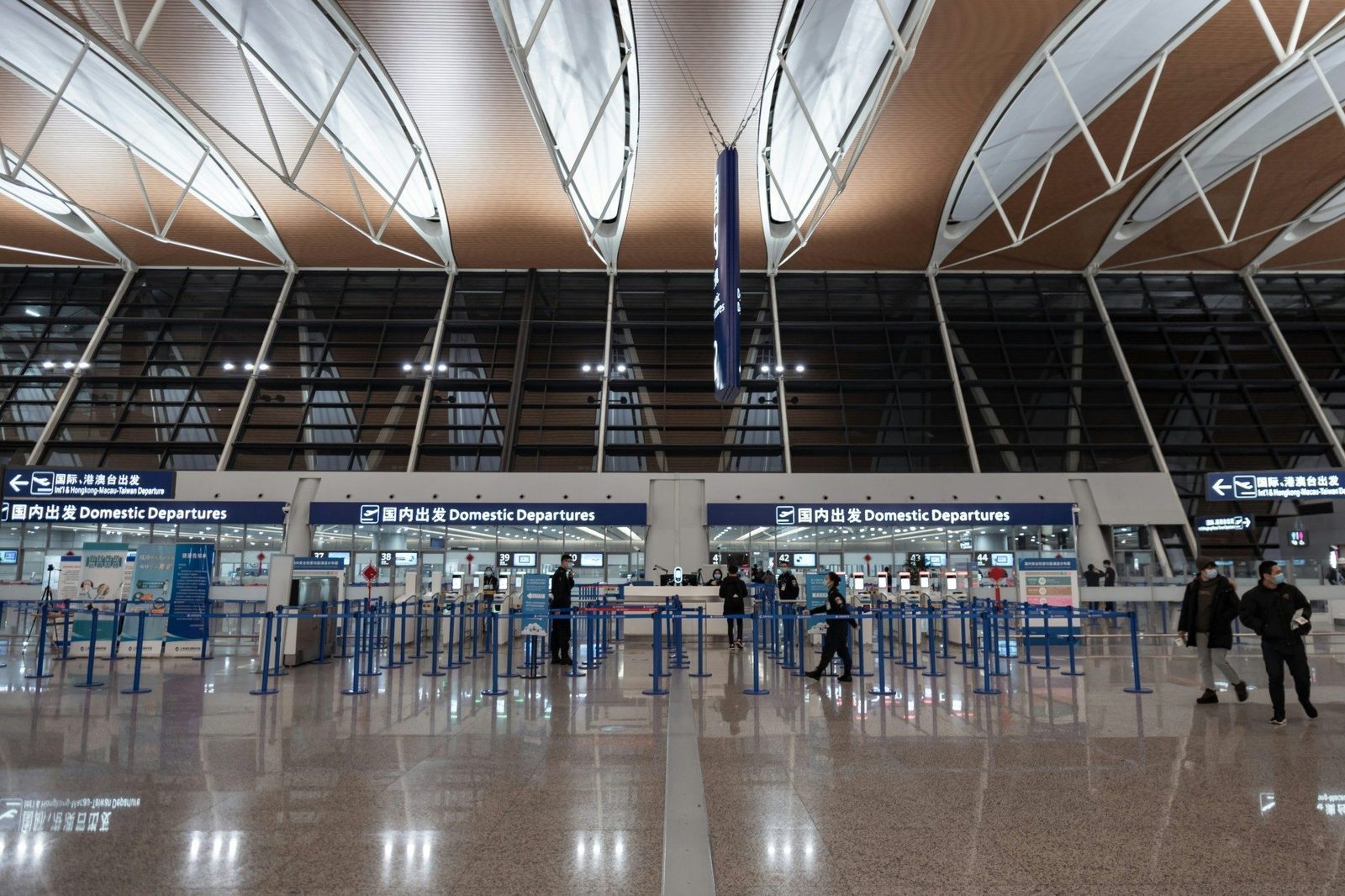
When I see hotel prices or fees spike, I don’t just hunt for a cheaper room. I rebalance the whole plan and adjust my travel budget for price changes across the board.
1. Compare total cost, not just nightly rate.
- Include taxes, resort/destination fees, parking, breakfast, Wi‑Fi, and late checkout.
- Sometimes a slightly more expensive hotel with breakfast and no resort fee is cheaper overall.
2. Trade location for length or comfort.
- Move one neighborhood out of the tourist core and use public transit.
- Downgrade the hotel but keep the same number of days.
- Or keep the nicer hotel but cut one night and arrive later or leave earlier.
Each choice is a reallocation: you’re moving money between location
, comfort
, and time
.
3. Attack the non-obvious costs.
- Skip the rental car if the city has good trains or trams.
- Use airport rail links instead of taxis where possible.
- Plan 1–2
cheap days
(picnic, free museums, walking tours) to offset one expensive dinner or activity.
If my hotel budget creeps up by, say, $120, I’ll often deliberately cut $120 from activities and restaurant splurges. The total stays stable, even if the mix changes. That’s reallocating travel money instead of just overspending.
5. Currency swings: protect your budget from FX surprises
Exchange rates can quietly wreck a carefully planned budget. A 10–15% currency move between the time you plan and the time you travel is not rare.

Here’s how I handle it:
1. Price the trip in both currencies.
- Keep a simple sheet with costs in local currency and your home currency.
- Update the exchange rate once in a while; watch how your total changes.
If the local currency strengthens and your trip suddenly costs 12% more in your money, you have three options:
- Increase your savings rate (using the formula earlier).
- Downgrade from stretch to standard or lean.
- Shift to a cheaper destination where your currency goes further.
2. Lock in some costs early.
- Prepay cancellable hotels in the local currency if your card has no FX fees.
- Book key trains or internal flights early if they’re priced attractively.
You’re basically converting part of your trip from floating
to fixed
cost. It’s a simple way to protect a dynamic travel budget from currency fluctuation.
3. Use a buffer that’s actually a buffer.
I like a 10–15% buffer for international trips. If the currency moves against me, that buffer is the first line of defense. Only after that do I start cutting meals or activities.
6. Using points, miles, and cards as shock absorbers
When prices jump last minute, points and miles can act like a pressure valve. They don’t make the trip free, but they can keep your cash budget from exploding.
When flights spike:
- Check award availability even if you usually pay cash. Last-minute cash fares can be brutal, but mileage prices sometimes stay reasonable.
- Look at partner airlines in the same alliance; they often show different award space.
When hotels spike:
- Compare cash vs points value. If a hotel jumps from $150 to $260 but the points cost is unchanged, that’s a good time to burn points.
- Consider moving to a chain where you already have status or free-night certificates.
Credit cards as a timing tool, not a crutch:
- Some cards offer price protection or price matching on travel booked through their portals.
- 0% intro APR offers can help in a true emergency, but I treat them as a short-term bridge, not an excuse to ignore the budget.
The mindset shift: points and cards are part of your dynamic travel budget toolkit. They’re not magic money; they’re just another bucket you can reallocate when prices move.
7. Real-time reallocation on the road
Dynamic budgeting doesn’t stop once you land. Prices can still change mid-trip: a tour gets canceled, a cheaper restaurant becomes your favorite, or you find a great last-minute flight upgrade.

Here’s how I adjust in real time and keep a kind of live travel budget tracker in my head (or on my phone):
1. Track at a very simple level.
- Daily or every other day, I log rough spending by bucket: food, transport, activities, misc.
- If I’m running 20% under in one bucket, I know I can splurge elsewhere.
2. Reallocate consciously when something changes.
- Tour canceled and you get a $100 refund? Decide immediately: does that go to a nicer dinner, a massage, or back into savings?
- Found a cheaper local SIM or transit pass than expected? Same question.
3. Use last-minute deals strategically.
- Apps and sites sometimes show last-minute flight or hotel deals. Before you jump, ask:
Which bucket am I stealing from?
- If you upgrade a flight at the airport, maybe you skip one expensive activity later. Make the trade explicit.
This is the opposite of winging it
. It’s flexible, but not careless. You’re managing travel costs in real time instead of letting them manage you.
8. A simple checklist for when prices change suddenly
When something jumps in price—flight, hotel, or currency—run through this quickly:
- Recalculate: Use
(new total – saved) ÷ time left. Is the new monthly/weekly number realistic? - Flex the variables: Can you change dates, airports, destination, or trip length?
- Slide your budget layer: Move from stretch → standard → lean if needed.
- Reallocate buckets: If one cost goes up, where will you cut or save to offset it?
- Check points & miles: Can they absorb part of the shock?
- Decide on purpose: Book, adjust, or postpone—but don’t just swipe and hope.
Travel is getting more expensive and more unpredictable. But if your budget is as dynamic as the prices, you don’t have to give up the trip—you just have to reshape it.
Think of it as a cost guide for dynamic travel budgets: not about perfection, just about staying in control while everything else moves around you.