I don’t fly to Europe to live on sad sandwiches and instant noodles in a hostel kitchen. I’m guessing you don’t either. The upside? Even with food prices climbing, you can still eat really well in Europe without wrecking your budget. You just need a plan that goes beyond “find the nearest cheap kebab.”
Think of this as a series of decisions. Get these right and you can enjoy proper meals, taste local food, and still keep your daily food costs in the €20–€35 range in many places (a bit more in the expensive cities). It’s how to eat on a budget in Europe without feeling like you’re on a diet.
1. Pick the Right Cities (and Neighborhoods) Before You Even Land
Food inflation hurts most in the wrong places: pricey capitals, old-town centers, and waterfronts where menus are designed for people who will never come back. So before I book anything, I ask:
- Which countries and cities give me the most flavor per euro?
- Inside those cities, where do locals actually eat?
Some cities are simply stacked in your favor if you’re watching your Europe travel food budget. Studies and on-the-ground reports put places like Budapest and Warsaw near the top for value, with reasonable daily costs even if you eat out a lot. Mix in supermarkets and picnics and you can go much lower.
Roughly, I’d group things like this if food value is a priority:
- Excellent value cities: Budapest, Warsaw, Kraków, Lisbon, Porto, Athens, Valencia, Granada.
- Good value pockets in pricier countries: neighborhoods outside the historic core in Barcelona, local districts in Paris (11th, 12th, 20th), non-touristy areas of Rome or Madrid.
- High-cost but survivable: London, Scandinavia, Switzerland, central Paris. Here you lean harder on supermarkets, immigrant-run eateries, and lunch specials.
In Budapest, you can eat hearty goulash or lángos at Central Market Hall or in the Jewish Quarter for under €10. In Kraków, traditional milk bars
(bar mleczny) serve filling plates of pierogi and soup for a few euros. In Lisbon, a prato do dia
(dish of the day) lunch can still come with wine and dessert for under €10 if you’re away from the main squares.
The pattern is simple: choose cities where everyday food is cheap, then avoid the most touristed streets inside those cities. If the menu is laminated, translated into six languages, and someone is waving you in from the sidewalk, I keep walking.

2. Stop Treating Dinner as the Main Event
Most travelers blow their budget at dinner. I flip it: lunch is my big, sit-down meal, and dinner stays flexible and cheap. This one shift is one of the easiest affordable food strategies for Europe travel.
Across Europe, lunch is where the value hides:
- Spain:
menú del día
– usually 2–3 courses plus bread and sometimes wine or coffee, for a fraction of dinner prices. - France:
formule
ormenu du midi
– set-price lunch menus in bistros that can be half the cost of the same dishes at night. - Italy:
pranzo di lavoro
(worker’s lunch) – simple, generous plates aimed at locals, not tourists. - Germany/Austria:
Mittagsmenü
– daily lunch specials, often including a drink or soup.
In Barcelona, you might pay €15–€20 for a solid lunch menu in a local spot, while dinner in the same area can easily double that once you add drinks and extras. In Valencia, the best-value paella is almost always at lunch, not dinner.
My usual pattern:
- Big lunch at a place with a set menu. I look for chalkboards, handwritten menus, and a mostly local crowd.
- Light dinner built from markets, bakeries, or small plates (tapas, mezze, cicchetti) instead of a full restaurant meal.
This simple swap can cut your daily food costs by 20–40% without sacrificing quality. You’re not eating less; you’re just eating when restaurants are priced for locals, not tourists.
3. Learn to Read Menus Like a Local (and Avoid Tourist Traps)
Food inflation hits hardest when you wander into the wrong restaurant. I treat every menu like a little test: is this place feeding locals or milking visitors?
Red flags I watch for:
- Huge, laminated menus with photos and eight languages.
- Staff outside trying to pull you in.
- Prices that jump dramatically within a block of a major sight.
- Service charges and
cover
fees that aren’t clearly listed.
Green flags:
- Short menu, often on a chalkboard, that changes daily.
- Locals eating there at odd hours (early lunch, late dinner).
- House wine by the carafe, not just by the glass.
- Simple interior, no one hustling you from the street.
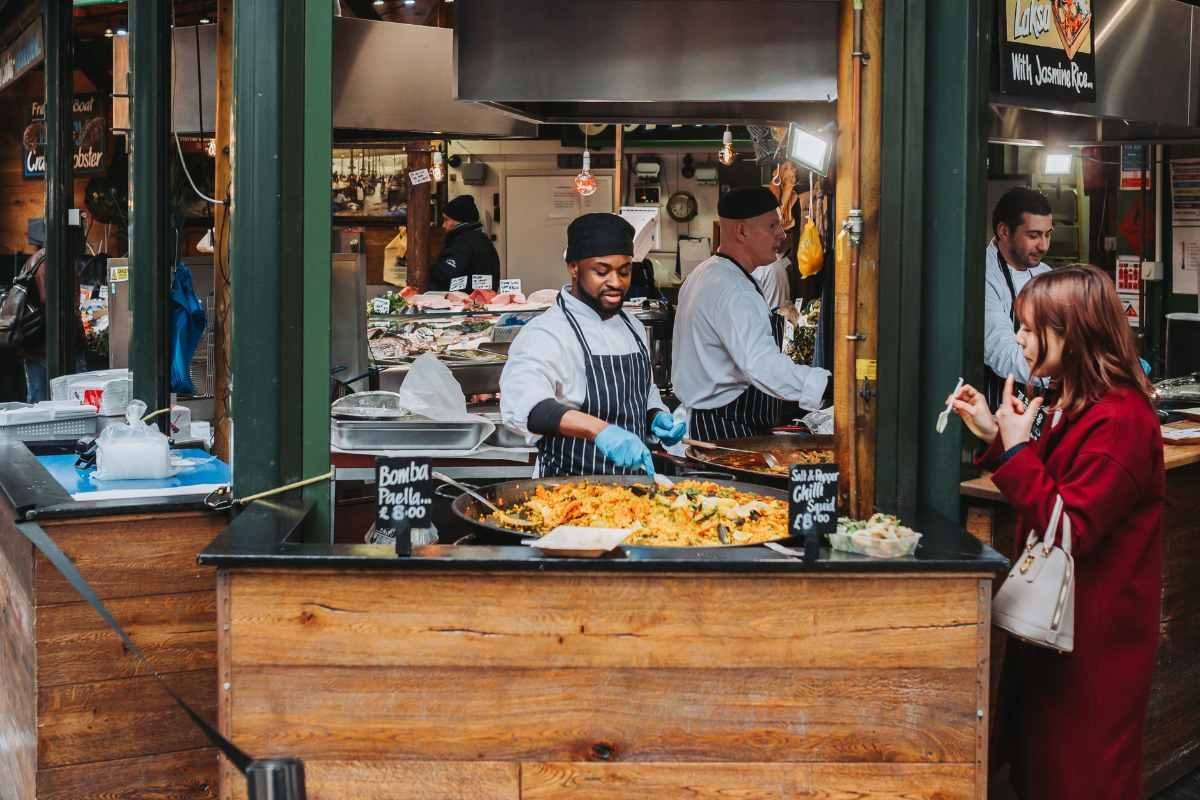
In Warsaw, food halls like Elektrownia Powiśle or the Night Market
near the central station offer a mix of stalls where prices are clearly posted and portions are generous. In Paris, streets like Rue Montorgueil or markets such as Marché d’Aligre give you a dense cluster of options where you can compare prices in seconds and easily avoid restaurant tourist traps in Europe.
One more thing: in many countries, where you sit changes the price. Standing at the bar in Italy or Spain can be significantly cheaper than sitting on the terrace. If I’m on a tight budget, I’ll happily drink my coffee or eat a quick snack at the counter and save the terrace splurge for a special moment.
4. Use Markets, Bakeries, and Supermarkets as Your Secret Restaurant Network
If I relied only on restaurants, my budget would die fast in places like Paris, Vienna, or Copenhagen. The workaround is simple: treat markets, bakeries, and supermarkets as your parallel dining system. This is where grocery shopping in Europe quietly saves your trip.
Markets: the best of both worlds
Markets let you eat well, cheaply, and locally. In Budapest’s Central Market Hall, you can graze on goulash, sausages, and pastries for a fraction of restaurant prices. In Barcelona, markets like La Boqueria, Mercat de Santa Caterina, or Mercat de Sant Antoni are perfect for building a picnic or grabbing a quick, fresh lunch.
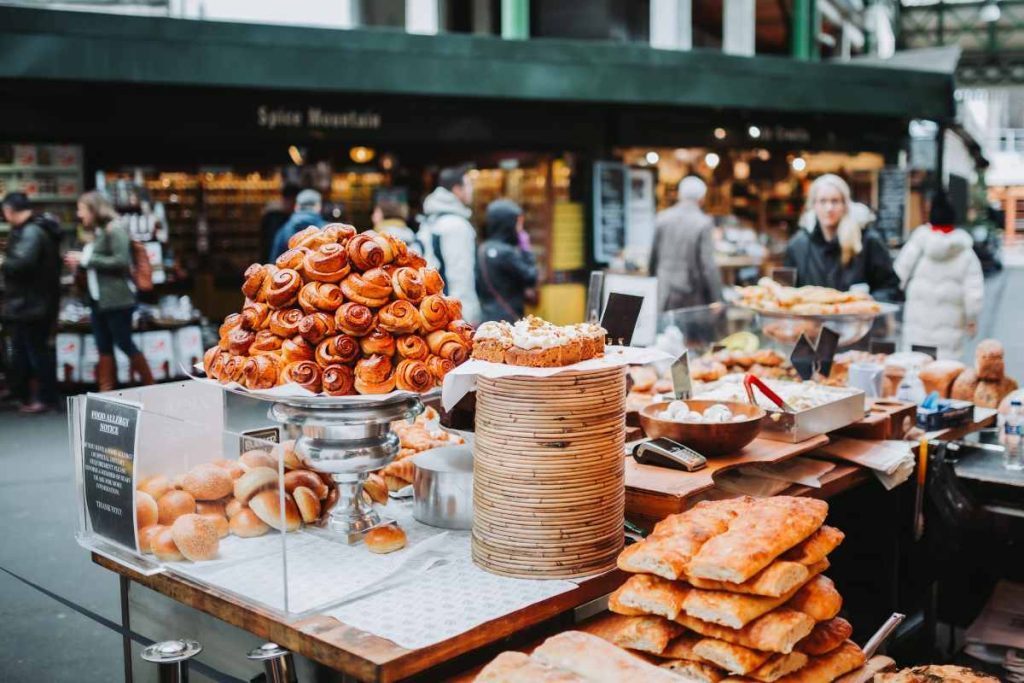
Bakeries: your breakfast and emergency meal plan
Across Europe, bakeries are the unsung heroes of budget travel. I use them for:
- Breakfast: coffee + pastry or sandwich.
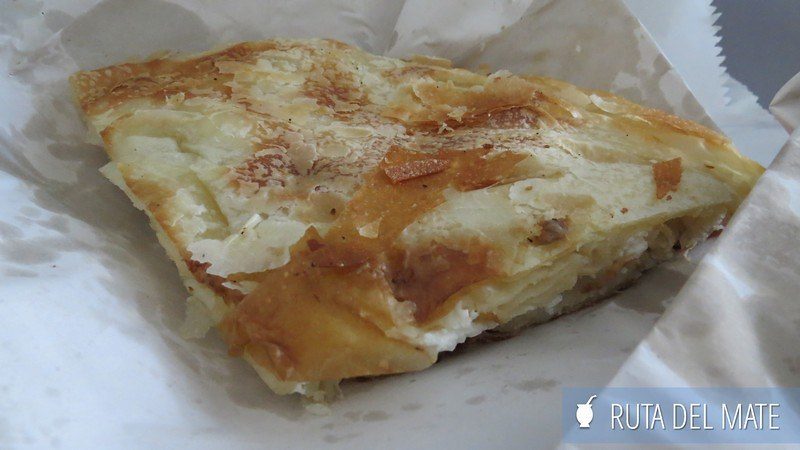
- Cheap lunch: small pizzas, quiches, filled breads.
- Backup dinner: when everything else is pricey, a couple of bakery items plus fruit from a supermarket is still a real meal.
Supermarkets: the inflation shield
When restaurant prices spike, supermarket prices usually move slower. Chains like Lidl, Aldi, Dia, Carrefour, Billa, Maxima, and Rimi can keep you in the €3–€5 per person range for a basic meal if you’re willing to self-cater. For backpackers tracking every euro, this is where cheap healthy meals while traveling Europe actually happen.
Typical supermarket meal combos I rely on:
- Prepared salads + rotisserie chicken + bread.
- Soup + schnitzel + simple dessert (common in Austria and the Baltics).
- Yogurt, fruit, nuts, and bread for a light breakfast or dinner.
Backpackers who avoid restaurants almost entirely often report spending around €7–€10 per meal for two people using supermarkets and simple takeaway. You don’t have to go that extreme, but knowing you can is powerful. It means you can splurge on a great lunch in Lisbon or a tapas crawl in Granada and then reset your budget the next day with a supermarket picnic.
5. Exploit Local Eating Cultures: Tapas, Tascas, Milk Bars & More
Every region has its own built-in budget hack
. If you lean into those instead of fighting them, you’ll eat better for less and your backpacking Europe food costs drop without much effort.
Some of my favorite examples:
- Granada (Spain): Order a drink, get a free tapa. Wine for €2–€3, a small plate included. Do this a few times and you’ve basically had dinner. You may still want to order a couple of extra dishes if you’re hungry, but the baseline is incredibly cheap.
- Lisbon (Portugal): Seek out tascas – small, family-run eateries. Share big plates of bacalhau, grilled pork, or seafood rice. Daily specials (
prato do dia
) often include wine and coffee for under €10. - Kraków (Poland): Eat at milk bars. They’re relics of the communist era, now serving comforting Polish food – soups, pierogi, cutlets – at prices that feel like a mistake.
- Athens (Greece): Live on gyros and souvlaki. Street food portions are generous, and small tavernas often throw in bread, olives, or a little dessert on the house.
- Italy: Use aperitivo where it still exists in its generous form. Buy a drink, access a buffet of snacks that can easily become dinner if you’re not shy.
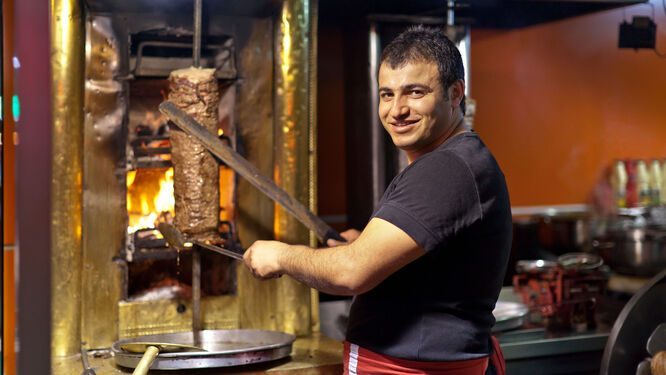
In wealthier countries, the local hack is often immigrant-run eateries. In Scandinavia, Germany, or the UK, Middle Eastern and Asian spots can be dramatically cheaper than traditional restaurants, with big portions and lots of flavor.
The key question in every city: How do locals eat cheaply here?
Once you know that, copy them, not the tourists.
6. Control the Hidden Costs: Water, Bread, Service & Tipping
Food inflation isn’t just about main dishes. It’s the small, repeated charges that quietly wreck your budget: bottled water, bread you didn’t ask for, automatic service fees, and over-tipping out of habit. This is where a lot of people lose the cook vs eat out in Europe cost comparison without realizing it.
Water
- In many countries, you can ask for tap water (
une carafe d’eau
in France,acqua del rubinetto
in Italy). Some places will push bottled water; I insist politely or accept that I’m paying for the seat, not just the drink. - I carry a refillable bottle and use fountains where they’re safe (common in many European cities).
Bread, olives, and cover
- In parts of Southern Europe, bread and olives appear automatically and are not always free. If I don’t want them, I say so as soon as they arrive.
- Look for
coperto
orpane e coperto
on Italian menus – that’s the per-person cover charge.
Service and tipping
- In much of Europe, tax and service are already included in menu prices. A small round-up or 5–10% tip is usually plenty, and often optional.
- I always check the bill for a service line before adding anything. No need to tip 20% out of American habit when it’s not expected.
Individually, these charges look small. Over a two-week trip, they can equal the cost of a really good meal. I’d rather skip the unnecessary bottled water and use that money on a proper lunch somewhere memorable.
7. Build a Daily Food Plan That Actually Works
Let’s pull this together into something you can use tomorrow. Here’s a simple structure I use in mid-priced cities (Barcelona, Lisbon, Budapest, Paris if I’m careful) when I’m doing some light budget meal planning for a Europe trip:
- Breakfast (supermarket or bakery): yogurt + fruit + pastry or sandwich – about €3–€5.
- Lunch (main meal, set menu or local spot): €10–€18 depending on the city.
- Afternoon snack (coffee, pastry, or small street food): €3–€5.
- Dinner (light: tapas, supermarket picnic, or shared plates): €6–€12.
Total: roughly €22–€40 per day, depending on how often you cook, how much you snack, and how expensive the city is. In cheaper cities like Kraków or Athens, you can land at the lower end. In Paris or Vienna, you’ll hover near the top unless you lean heavily on supermarkets and self-catering.
The goal isn’t to hit a perfect number. It’s to be intentional. If I know I want one great restaurant meal every day, I plan the rest of my eating around that. Markets, bakeries, and supermarkets become tools, not compromises, and suddenly saving money on food in Europe feels like part of the adventure instead of a restriction.
Food inflation is real. But so is this: Europe is still one of the easiest places on earth to eat well on a budget if you’re willing to think like a local, eat your big meal at lunch, and treat supermarkets and markets as part of the trip, not a downgrade.
You don’t have to live on instant noodles. You just have to stop eating like a tourist.