

I’ve lost count of how many times I’ve heard someone say, I got an insanely cheap flight.
Then I see the details. Two layovers. Overnight in a random airport. Extra transfers. No bag. No water. Suddenly that deal
doesn’t look so cheap.
If you’ve ever wondered whether those bargain routes are actually saving you money, this guide is for you. We’ll walk through the real trade-offs: extra meals, airport transfers, lost time, and the mental load of complicated itineraries. By the end, you’ll have a clearer sense of when a cheap route is genuinely smart—and when it’s a trap.
1. The Illusion of the Cheap Fare: Are You Comparing the Right Number?
Most of us make the same mistake: we compare the headline fare and stop there. That’s exactly what airlines—especially budget carriers—want.
On ultra-low-cost airlines, the base fare is almost a decoy. One analysis of Spirit’s 2024 data found the airline made about $45 from the ticket and over $63 from fees per passenger. In other words, they earn more from add-ons than from the flight itself.
So when you see a $39 or $59 fare, pause and ask yourself:
- What do I actually need? Carry-on? Checked bag? Seat selection? Priority boarding? Water?
- What’s already included on a legacy airline? Many full-service carriers include a carry-on and personal item, sometimes snacks, and better rebooking options.
- What’s the total cost door-to-door? Not just the ticket, but everything you’ll realistically pay from home to hotel.
On some routes, once you add a carry-on to a budget airline, the total price can jump above a legacy carrier’s fare that already includes that bag. This isn’t hypothetical. It happens all the time on routes like ATL–ORD, where a $28–$48 budget fare can end up more expensive than a $79 legacy ticket once you add a single bag.
Takeaway: Don’t compare just the base fare. Compare the trip, not the ticket.

2. Bags, Seats, and Water: The Hidden Fees That Kill Your Savings
Here’s where the hidden costs of cheap flights really show up.
Budget airlines are masters at slicing the journey into chargeable pieces:
- Carry-on bags: Often not included. A bag that’s free on a legacy airline can cost $30–$60 each way on a budget carrier.
- Checked bags: Frequently more expensive than the ticket itself on sale fares.
- Seat selection: Want to sit with your partner or your kids? That’s extra. Skip it, and you risk being scattered around the cabin.
- Airport check-in or boarding passes: Some carriers charge if you don’t check in online or need help at the counter.
- Food and water: Even a bottle of water can be a paid extra.
Now layer this onto a cheap
multi-leg route. Two or three flights each way means:
- Multiple opportunities for bag fees
- Multiple chances to pay for seats if you want to stay together
- More time in airports buying meals you didn’t plan for
Here’s a simple mental check for any cheap flight routes cost breakdown:
- If you need one carry-on and one checked bag, assume at least $60–$120 round-trip in bag fees on a budget airline.
- If you care about seat selection, add another $20–$60 total.
- If you have long layovers, budget for at least one extra airport meal each way.
Suddenly that $80 round-trip isn’t $80 anymore. It’s $200+. And that’s before anything goes wrong.
Takeaway: If you travel with more than a small personal item, budget airline extra fees and complex routes can easily erase any savings through fees alone.
3. Cheap Routes, Long Days: How Much Is Your Time Worth?
Here’s the part most people ignore: time. Airlines know many travelers will trade time for money. But will you?
Connecting flights are often cheaper because they’re less convenient. Airlines discount them to fill seats on multiple legs and funnel you through their hubs. That’s great for them. For you, it can mean:
- Leaving home at 4 a.m. for a 6 a.m. departure
- Three-hour layovers in airports you don’t care about
- Arriving exhausted, late at night, paying more for taxis or rideshares
On paper, a route with two connections might be $80 cheaper than a nonstop. But if it adds 6–8 hours to your day, what did you really save?
Ask yourself:
- What will I be too tired to do? Miss a half-day of sightseeing? Lose a workday?
- Will I need extra meals? Airport food is rarely cheap, and long layover extra meal costs add up fast.
- Will I need a hotel? An overnight layover can wipe out any savings instantly.
Sometimes a layover is a feature, not a bug. A well-timed stop can break up a long-haul trip, give you a chance to stretch, or even let you explore a hub city for a few hours. Some airlines offer stopover programs with hotel deals or city tours. But that’s very different from a 7-hour slog in a terminal at 2 a.m.
Takeaway: If a cheap
route adds more than 3–4 hours to your journey, think about the flight savings vs lost time. You might be paying more in fatigue than you’re saving in cash.

4. Airport Transfers: The Hidden Geography of Cheap Flights
Another quiet cost: where you actually land and depart.
Budget airlines often use secondary airports. They’re cheaper for the airline, but not always for you. When you’re comparing cheap vs direct flight total cost, think about:
- How far is the airport from the city center?
- What’s the cost of getting there? Train, bus, taxi, rideshare?
- How long will that transfer take, especially in traffic?
A $40 cheaper ticket can vanish if:
- You spend $30–$50 extra on ground transport each way
- You lose another 1–2 hours just getting into town
Now add connections. If your cheap
route involves changing airports (yes, that happens), you’re suddenly paying for:
- Transfers between airports
- Extra time buffer to avoid missing your next flight
- More stress, especially if you’re unfamiliar with the city
On the flip side, checking nearby airports can sometimes save you money without adding pain. Tools like Google Flights’ Explore feature or multi-airport searches can reveal cheaper fares from a secondary airport that’s still convenient for you. The key is to look at the whole journey, not just the flight.
Takeaway: A cheap fare to an inconvenient airport can cost more in airport transfer costs for cheap flights and time than a slightly pricier flight to a central hub.
5. Last-Minute vs. Early Booking: When Waiting Actually Works
You’ve probably heard both: Always book early
and Wait for last-minute deals.
So which one actually helps you avoid the true cost of budget flight routes?
Here’s the nuance:
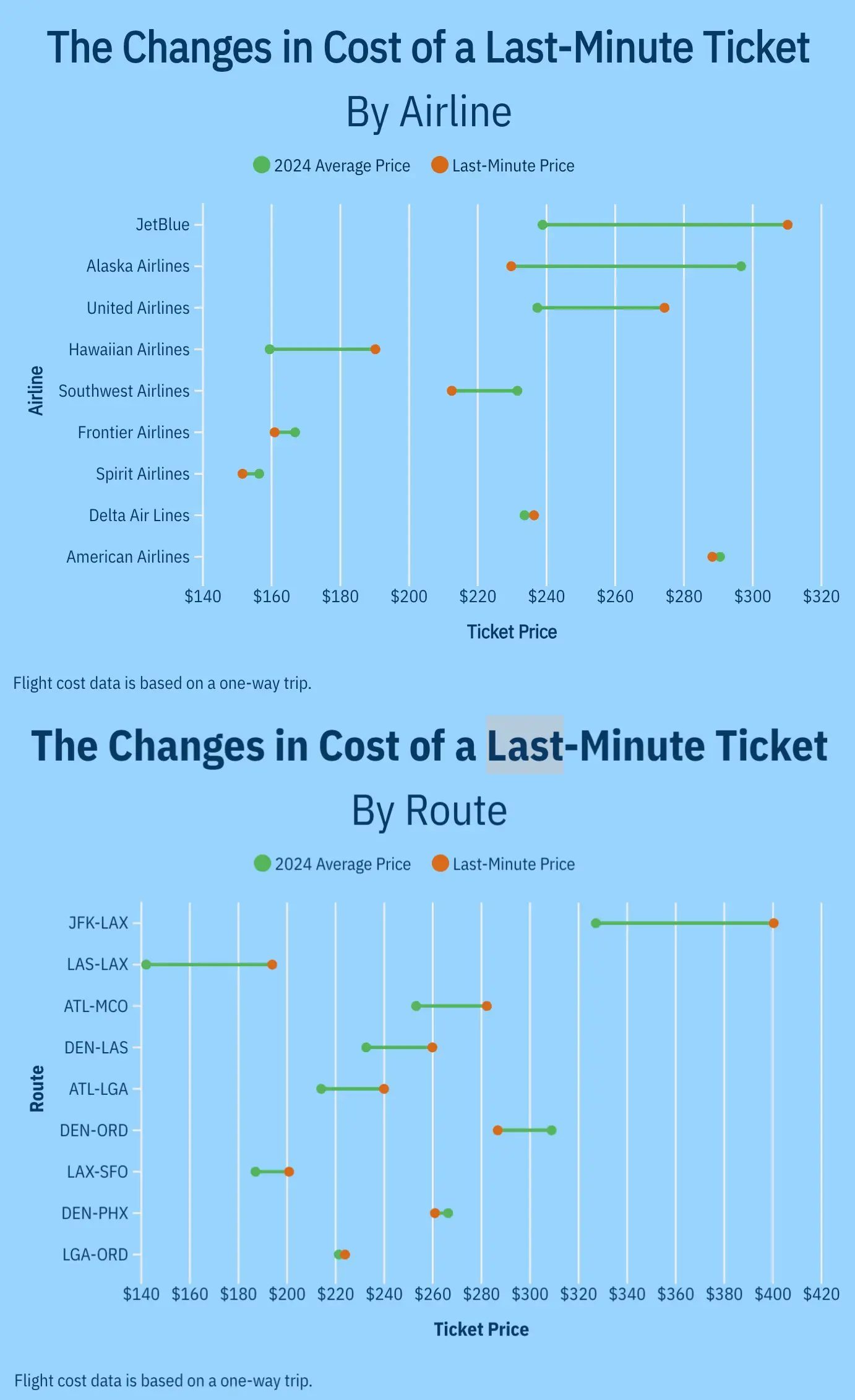
- Traditional advice (and many studies) show that for most routes, especially international, prices rise sharply in the last 3–4 weeks before departure.
- Yet one recent analysis of over 21,000 tickets on 10 major U.S. routes found that, on average, last-minute flights were 8.3% cheaper than advance bookings on those specific routes.
What’s going on?
It comes down to airline and route:
- Budget carriers like Spirit and Frontier often keep last-minute fares relatively low, then make money on fees.
- Some airlines, like Alaska and Southwest, sometimes price last-minute tickets lower than advance fares on certain routes.
- Full-service airlines like JetBlue, United, and Hawaiian often charge more for last-minute bookings—JetBlue’s last-minute fares were nearly 30% higher in one study.
So, should you wait?
- If you’re flying peak season, holidays, or high-demand routes, waiting is usually a bad idea. Prices tend to spike, and cheap routes vanish.
- If you’re flexible on dates, airlines, and even destinations, last-minute can work—especially on short-haul, high-frequency routes with lots of competition.
- If you’re chasing a
cheap
route at the last minute, remember: the only thing worse than a long, complex itinerary is a long, complex itinerary you paid too much for.
Takeaway: There’s no universal rule. Use tools like Google Flights, Skyscanner, or fare alerts, and pay attention to how specific airlines price last-minute tickets on your route.
6. Reliability, Stress, and the Cost of Things Going Wrong
Cheap routes often come with thinner margins for error. Fewer backup planes. Tighter schedules. Less generous rebooking policies. That’s fine—until something breaks.
Here’s what tends to happen on ultra-cheap, multi-leg itineraries:
- One delay cascades: Miss a connection, and you might be stuck for hours—or overnight—because there aren’t many alternative flights.
- Limited support: Budget airlines often have smaller customer service teams and fewer interline agreements with other carriers.
- Out-of-pocket costs: Hotels, meals, and rebooking fees can quickly erase any savings.
Legacy airlines aren’t perfect, but they generally offer:
- More frequent flights on key routes
- Better rebooking options in disruptions
- Loyalty benefits and protections if you’re a frequent flyer
Ask yourself:
- If this trip is time-sensitive (wedding, cruise, important meeting), can you afford the risk of a fragile itinerary?
- If you’re traveling with kids, older relatives, or a tight schedule, is the stress worth the savings?
Sometimes the answer is yes—you’re flexible, you’re traveling light, and you’re okay with a bit of chaos. But if you value peace of mind, the cheap
route can be the most expensive choice you make.
Takeaway: The more important the trip, the less sense it makes to gamble on complex, ultra-cheap routes, especially when you factor in indirect flight hidden expenses like hotels and missed connections.

7. A Simple Framework: When a Cheap Route Is Actually Worth It
Let’s pull this together into something you can actually use the next time you’re staring at a tempting fare.
When you see a cheap route, run it through this quick framework to avoid the classic mistakes booking the cheapest flights:
- Total cost check:
- Add bags, seats, meals, and transfers.
- Compare that total to a more direct or full-service option. Think in terms of cheap vs direct flight total cost, not just the headline fare.
- Time check:
- How many extra hours does this route add?
- Is that time worth the savings to you personally? This is the real time vs money trade off on flights.
- Risk check:
- How fragile is this itinerary? Tight connections? Multiple airlines?
- What happens if one leg is delayed or canceled?
- Trip importance check:
- Is this a trip you can afford to mess up?
- If not, lean toward reliability over rock-bottom price.
- Flexibility check:
- Can you move your dates by a day or two?
- Can you fly into one city and out of another (open-jaw) to avoid backtracking and reduce total trip cost including layovers?
In many cases, you’ll find that a slightly more expensive, simpler route is actually the cheaper choice once you factor in everything: money, time, energy, and stress.
Final thought: The next time you see a cheap
flight, don’t just ask, How much does this cost?
Ask, What will this really cost me?
That’s where the real savings are—when you’re comparing flight prices and travel time and looking beyond the sticker price.